 Lindelli
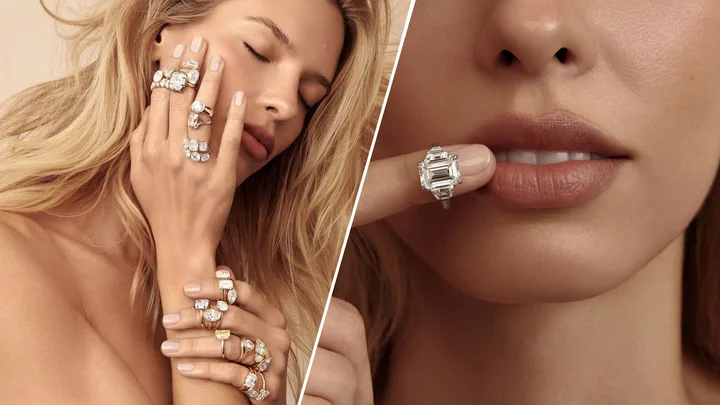
An engagement ring is one of the most personal pieces of jewellery you will ever own. Beyond the diamond, the setting or your choice of metal band, it represents a commitment, a milestone and, ideally, a reflection of the person who wears it. So, while there is certainly no shortage of beautiful and unique ready-made designs, there is something particularly meaningful about creating a ring from the ground up.
Designing your own engagement ring allows you to take an active role in every detail, from selecting a diamond or other gemstone to refining the proportions, choosing the setting and deciding on the finishing touches. It also means the finished piece can be entirely individual.
The question is: Where does one begin? We spoke to Toya Worsley, Founder of Australian fine jewellery house LINDELLI to mine her about everything you need to know before designing a custom engagement ring.
1. Start With Inspiration
There are two important places to begin: An idea and a budget. According to Toya Worsley, Founder of LINDELLI, you should approach the process with a sense of what you love, but an open mind about the finished product.
“A few images, a rough budget and an open mind are a very good start. Choosing an engagement ring is an exploratory process. Most people don’t spend their days thinking about diamond shapes and settings, so you’re certainly allowed to arrive without all the answers,” she tells marie claire Australia.
Instead, collate a few images of rings you love, or take some pieces you already own to show your jeweller.
“Look at the jewellery you already wear and do a little browsing to see which shapes, colours and styles you’re drawn to,” Worsley continues. “Then give yourself permission to change your mind. The ring you love on a screen and the one you fall for on your hand can be quite different.”
2. How To Choose The Right Diamond Or Gemstone For Your Budget
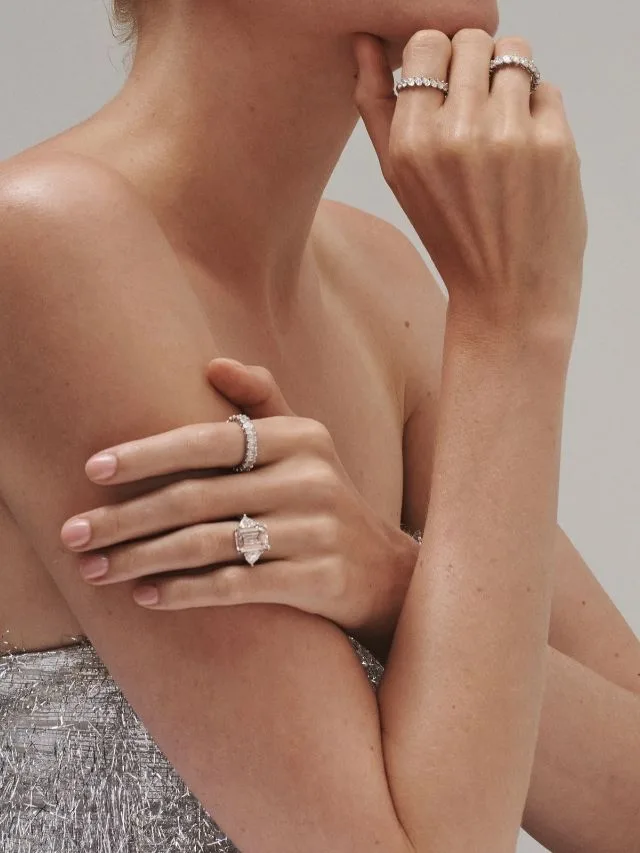
When it comes to choosing a stone for your engagement ring, you’ll most likely be guided by budget. A jeweller can help you understand where your budget will have the greatest impact, particularly when comparing diamonds or gemstones side by side.
Rather than focusing exclusively on carat weight or chasing the largest possible diamond, consider what matters most to you. Is it the shape of the stone, its colour, its brilliance or the visual presence it creates on your hand? “Ask your jeweller to show you options side-by-side, and explain where your budget will make the greatest difference,” Worsley advises.
She also recommends approaching the decision with longevity in mind, rather than treating an engagement ring like a seasonal jewellery purchase. “I always come back to the quality and longevity of appeal. You want your appreciation for the piece to deepen over time. An engagement ring has a different role from jewellery you might buy to refresh your wardrobe.”
Meanwhile, if you love diamonds but are on more of a turquoise budget, there’s always the option of choosing a lab-grown diamond to reduce costs.
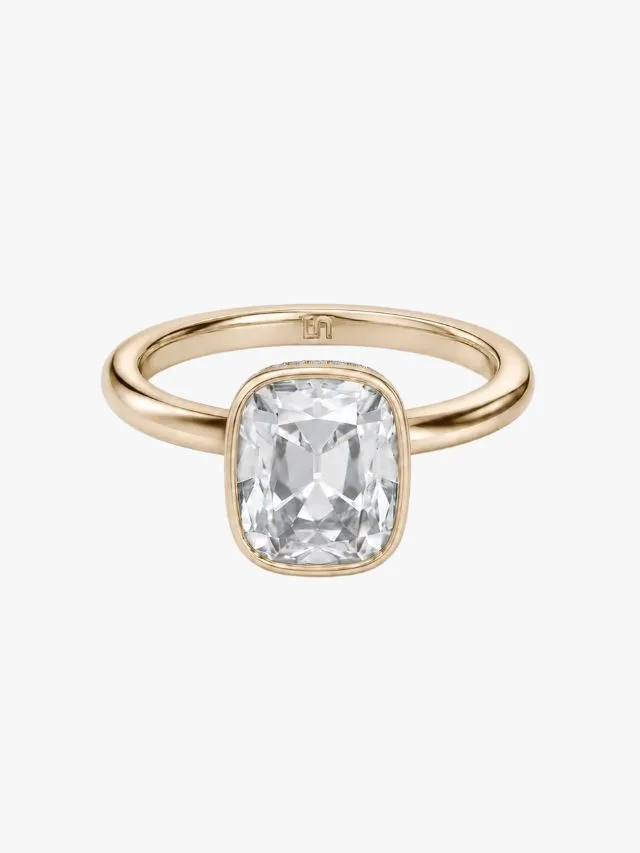
LINDELLI
Olympia Elongated Cushion Diamond Bezel External Halo Solitaire
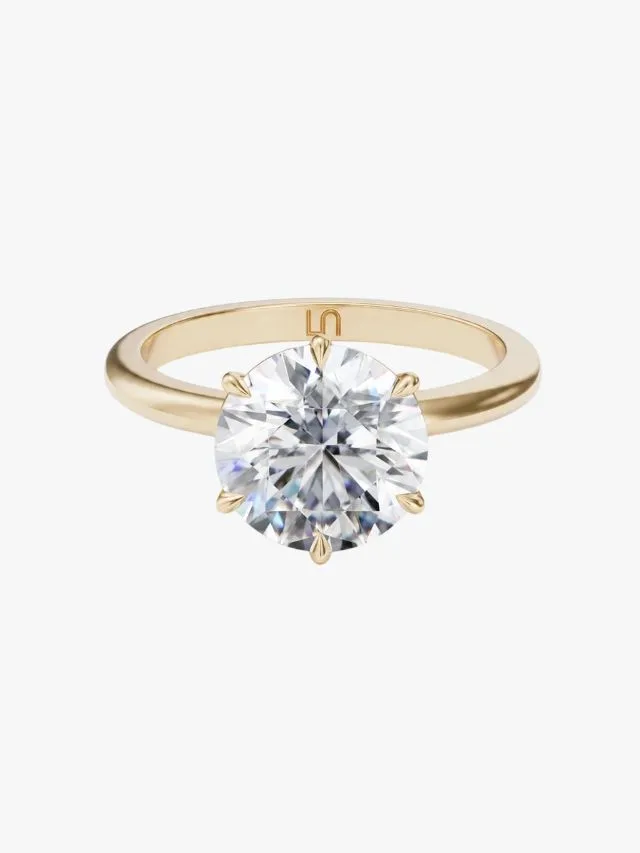
LINDELLI
Product Name
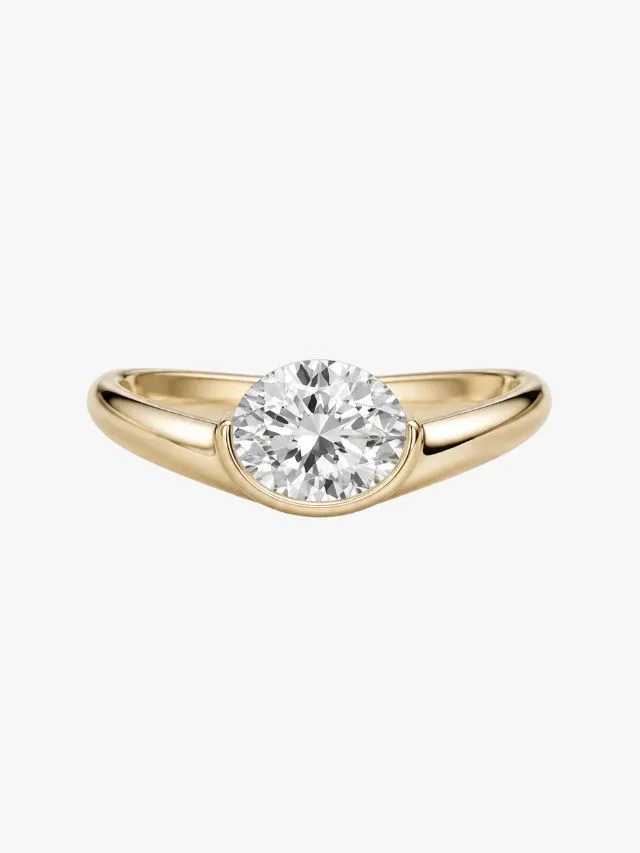
LINDELLI
Rise Oval East West Solitaire
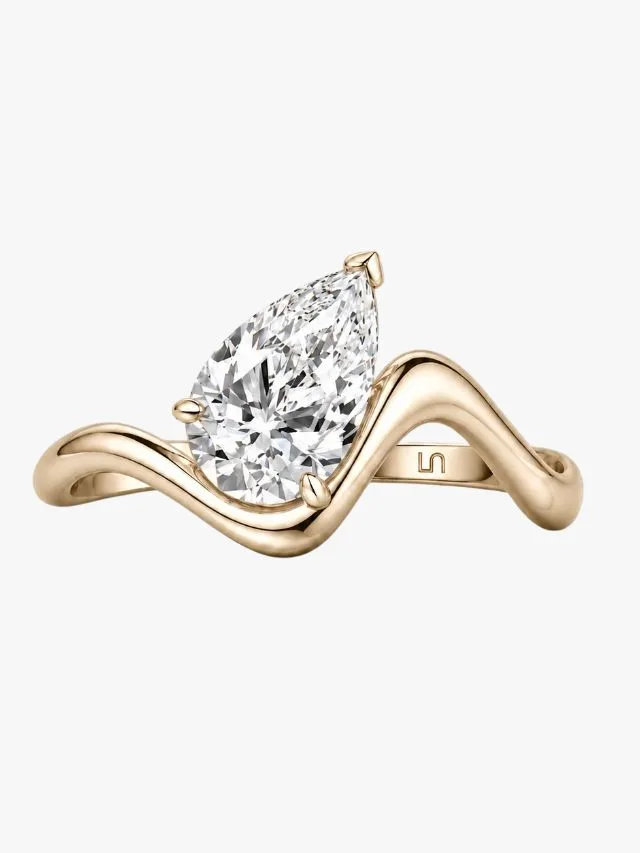
LINDELLI
Meridian Curved Pear Solitaire
3. How to Choose the Right Diamond Shape and Carat Size for Your Hand
One of the most common mistakes when choosing an engagement ring is focusing too heavily on carat weight.
Carat measures a diamond’s weight, not its visible dimensions. Two diamonds with the same carat weight can have noticeably different face-up appearances depending on their cut proportions, shape and depth. For this reason, Worsley says, “Put the carat number aside to begin with. It’s all about proportion.”
“Start with the width of your finger and work backwards,” she advises. “Look at the stone’s length and width, how much of your finger it covers and how it sits with the band. Try several shapes, including one you’re convinced won’t suit you. You might be surprised.”
Expert Tip: Don’t assess your engagement ring exclusively from close up. Worsley recommends looking at your hand in a full-length mirror. It’s an easy way to understand how the ring looks in proportion to your overall appearance, rather than focusing solely on the stone itself.
4. Choose an Engagement Ring Setting That Suits Your Lifestyle
Your ring setting is about much more than aesthetics. It determines how your centre stone is secured, how the ring feels on your hand and how practical it is to wear every day. The ring setting of a painter might be quite different to that of a CEO—and not necessarily because of finances, but because of lifestyle.
There are several details worth considering when choosing a setting:
- Setting height: A higher setting can give a centre stone greater prominence, while a lower-profile design may feel more practical for everyday wear.
- Stone security: Discuss the advantages of different setting styles and how they protect and secure the centre stone.
- Comfort: Consider how the ring feels between your fingers and whether the setting catches on clothing or other materials.
- Wedding band compatibility: Think about how a wedding band will sit alongside your engagement ring. Some designs allow a flush fit, while others may require a shaped or specially designed band.
- Maintenance: Ask how frequently the setting should be inspected and whether particular designs require additional care.
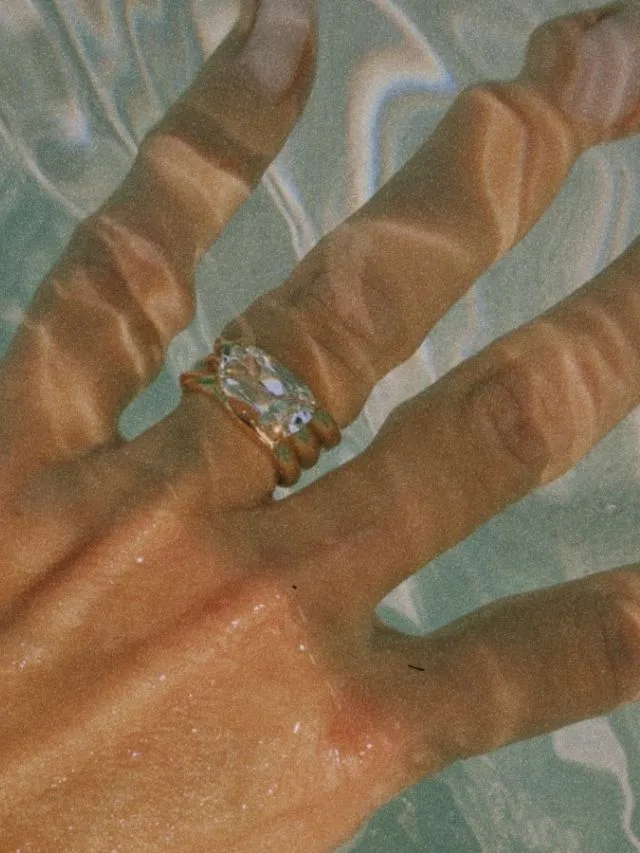
5. How to Choose the Best Metal for Your Engagement Ring
Yellow gold, white gold and platinum each have distinct characteristics, and the right choice will depend on your personal style, skin undertone, desired finish and maintenance preferences.
As a general guide:
- Yellow gold: Often complements warmer skin undertones and brings a rich, traditional warmth to an engagement ring.
- White gold: A versatile choice for those who prefer a bright, cool-toned finish. It is typically rhodium-plated to achieve its bright white appearance.
- Rose gold: Offers a softer, romantic blush tone and can create a distinctive alternative to traditional yellow or white metals.
- Platinum: Naturally white, durable and heavier in feel than gold. It is a popular choice for those who prefer a naturally white precious metal.
Skin tone can be a useful starting point, although Worsley emphasises that personal preference should ultimately take precedence. She even has a useful tip for anyone with a cooler skin tone who loves yellow gold: “If you love yellow gold, try 14k. It tends to have a softer, creamier colour than the richer yellow of 18k, which can make all the difference on the hand.”
In regard to maintenance, white gold is generally rhodium-plated, meaning it may require periodic replating to maintain its bright white finish. Meanwhile, platinum is naturally white and does not require this treatment, although its surface will develop a patina with wear.
6. Find a Jeweller Who Makes the Design Process Collaborative
One of Worsley’s most important recommendations is to ask how the design process works before committing.
“‘Can you talk me through the process, and explain where I’ll be involved?’,” she recommends asking the jeweller. “That question tells you a great deal.”
“Ask whether you’ll see CAD drawings, realistic renders and, ideally, a prototype. Find out when you can make changes and what you’ll be asked to approve before the ring is made. You should feel confident that you understand the design, including its proportions and how it will sit on your hand.”
— Toya Worsley, Founder LINDELLI
Furthermore, ask when changes can be made, what you will be required to approve and whether you will have an opportunity to review the design before it goes into production.
To give you some idea of the process, here’s a brief rundown of what you can expect, depending on your chosen jeweller or design studio:
- Initial consultation: Discuss your budget, inspiration, preferred stones, metal and overall aesthetic.
- Design development: Translate your ideas into a considered ring design, taking proportions, comfort and wearability into account.
- CAD drawings: Computer-aided design allows you to visualise the ring and understand its dimensions before production.
- Realistic renders: Detailed visualisations help you assess the overall appearance, including the relationship between the stone and setting.
- Prototype: Where available, a prototype can help you understand the proportions and feel of the design before it is made.
- Design approval: Confirm the final specifications and any personal details, such as engraving or hidden gemstones.
- Craftsmanship and production: The ring is made according to the approved design.
How Long Does It Take to Design a Custom Engagement Ring?
One of the most important practical considerations when designing a bespoke engagement ring is the timeline.
While production times vary between jewellers and depend on the complexity of the design, Lindelli’s typical custom engagement ring process takes between four and eight weeks.
Worsley outlines three common timelines:
| Type of engagement ring | Approximate timeframe |
|---|---|
| Signature design with a hand-selected diamond and personal details | 4 weeks |
| Completely new, bespoke ring design | 6 weeks |
| Bespoke design with a commissioned diamond | 8 weeks |
A signature design but with personal touches, such as a different band width or engraving may take around four weeks. Meanwhile a completely bespoke design may involve the diamond itself cut specifically for the client according to their preferred shape, proportions and colour, and will therefore take much longer.
If you have a proposal date, wedding milestone or special occasion in mind, communicate this to your jeweller at the beginning. Allowing sufficient time gives everyone greater flexibility and avoids unnecessary pressure on the design and production process.
Custom Engagement Ring vs Ready-Made: Which Should You Choose?
There is no universally right answer when deciding between a custom engagement ring and a ready-made design. Both offer distinct advantages, and the best option will depend on your priorities, timeline and the experience you want.
For Worsley, the appeal of custom jewellery extends beyond the finished piece. “I’m a huge advocate for custom because the experience becomes part of what you’re creating,” she tells marie claire Australia. “Choosing the stone, refining the proportions and seeing the ring come to life gives you a connection to it before you’ve even worn it. You end up with something that is one of one.”
Ready-made engagement rings, meanwhile, offer the pleasure of immediacy. You can try on the finished design, see exactly how it looks and feels, and make your decision with confidence.
It is also worth remembering that bespoke doesn’t necessarily mean starting with a completely original concept. Personalising a jeweller’s existing signature design with an engraving, hidden gemstone or subtle change in proportion can be just as meaningful.

Related stories
Native ad body.
Native ad body.


Native ad body.