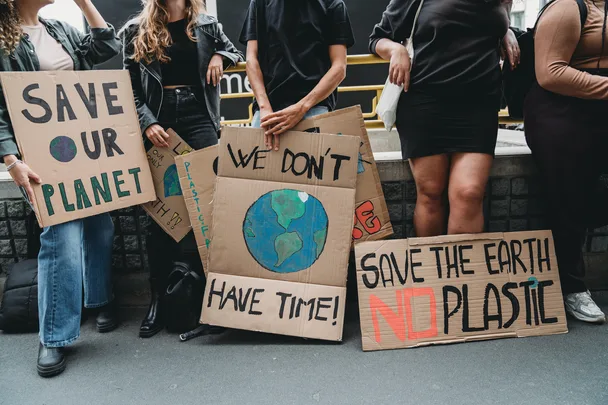
When we talk about climate change, the conversation often centres on carbon emissions, energy prices and net zero targets. All these are important. But another side of the climate crisis requires a lot more attention: its effect on women and girls.
I recently came across a story about a woman in Vanuatu that captures this reality perfectly.
As a cyclone approached her island of Efate, Fiona Robyn climbed a banyan tree. There, she held her mobile phone high in the hope of getting a signal. She was waiting for a text message from Women’s Weather Watch, a network that shares warnings and emergency information with women in remote communities.
When the message arrived, Fiona got to work. She rallied women and young people to help widows, older people and people with disability to tie down their roofs, store food and clean water, protect important documents and get to safety.
This story, reported by the Inter Press Service, demonstrates a fact frequently overlooked: when disaster strikes, it is typically women who keep families and communities safe. Despite this, their experience, expertise and leadership are still often missing from the decisions that shape the world’s climate response.
As Australia assumes a leading role in the COP31 climate negotiations in Türkiye, this disparity must be front of mind.
Climate change isn’t just an environmental or economic problem. It can damage people’s health, homes, safety, culture and livelihoods. And those harms are not felt equally.
During and after floods, bushfires and other disasters, women are often responsible for looking after children, older people and those with disability. When communities are displaced, it is women doing the work of keeping families together, organising support and caring for those who need it.
We saw this after the 2022 Northern Rivers floods. Men were rightly recognised for carrying out rescues. But research shows women also played an essential role, organising impromptu evacuation centres, preparing meals, providing emotional support and obtaining essential medications. Much of this work went largely unrecognised.
The Millennium Drought put similar pressures on women in farming communities. As farm incomes dropped, many women took on additional work to keep households finances afloat, while still caring for children and family members and often neglecting their own needs.
And climate change can have serious consequences for women’s health. Pregnant women exposed to bushfire smoke, for example, face increased risks of complications such as high blood pressure, gestational diabetes, low birth weight and premature birth. Climate disasters can also disrupt access to reproductive and maternal healthcare.
Safety threats can persist long after the emergency has passed. The risk of domestic and family violence increases after disasters, as we saw following the Black Saturday bushfires. Pressures such as financial stress, trauma and the loss of support networks can exacerbate the dangers faced by women and children already in unsafe home situations.
For girls across the Pacific, climate change also threatens their access to education and opportunity. A study of 319 girls across six Pacific countries found that 82 per cent said climate change had affected their lives, and half had missed school because of climate-related events.
Yet, women are underrepresented in decisions about how we tackle and prepare for climate change. That needs to change. And it starts with recognising women not simply as victims of the climate crisis, but as leaders equipped to tackle it.
In Australia and across the Pacific, we see women organising disaster preparedness and helping communities adapt. First Nations women are protecting ecosystems and bringing generations of knowledge to climate and environmental management. Women are driving renewable energy projects and building resilience in their communities.
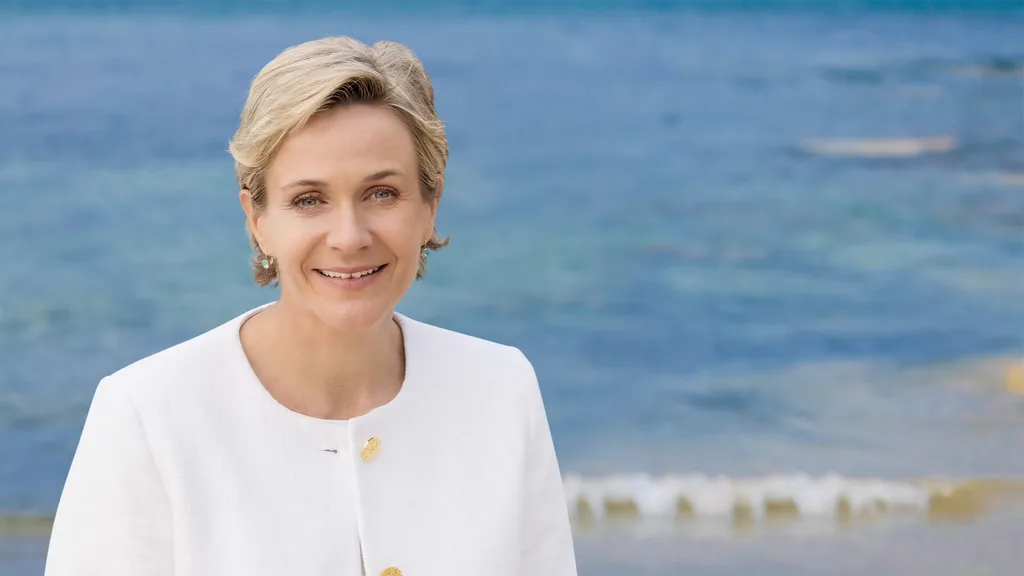
Since being elected to federal parliament in 2019, I have fought for real action on climate change, and for an Australia better prepared for the warming locked in. I have consulted with women from all walks of life, and I know that good climate policy can’t be developed without the people most affected by it. That means listening to women, recognising their contribution and ensuring they have a voice in decisions.
At previous COP meetings, women have been badly underrepresented, particularly in senior negotiating and decision-making positions. We cannot expect fair climate outcomes if half the population is not there to shape them.
As Australia takes on a leadership role this week at COP31, our leaders should be pushing for climate policies that recognise gendered impacts and make sure women’s voices are heard. Our communities will be stronger, safer and fairer when women are not sidelined in the conversation, but helping to lead it.

Related stories
Native ad body.
Native ad body.

Native ad body.