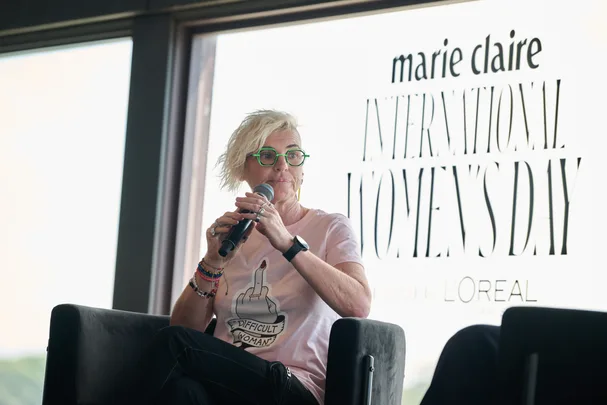
Sherele Moody spends her days counting bodies.
An award-winning journalist and femicide reporter, Moody has documented every known Australian woman and child killed by violence through her organisations, The RED HEART Movement and Australian Femicide Watch. To date, she’s documented over 3,000 deaths.
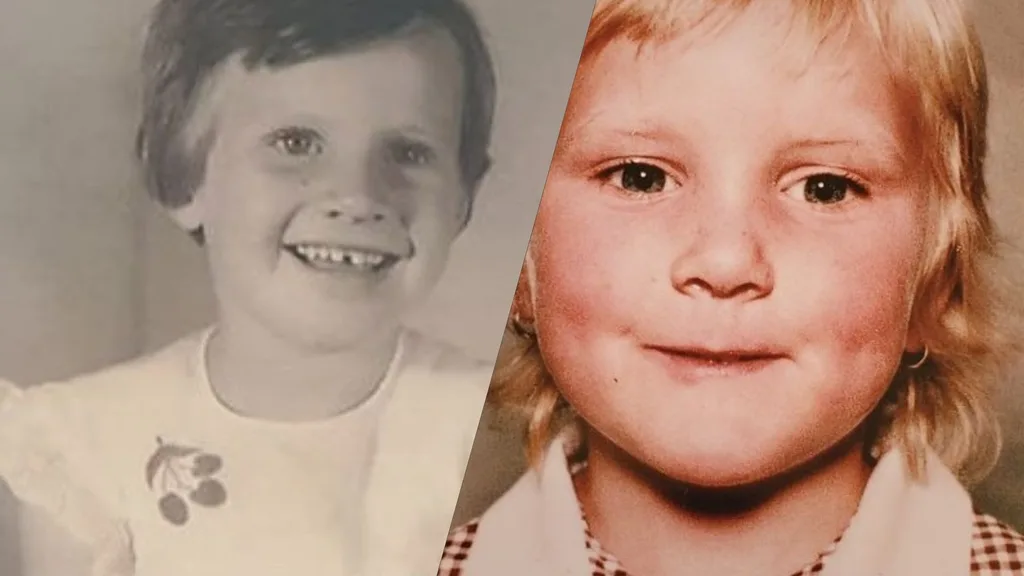
Sherele’s work is deeply personal. When she was just 19 years old, she discovered that her stepfather had murdered two young girls: five-year-old Sandra Dorothy Bacon, and nine-year-old Stacey-Ann Tracy. That moment changed the course of her life.
“Since the day that I found out about Stacey-Ann, and then Sandra I don’t think that there’s been a day that I haven’t thought them. It just sits with you,” says Moody.
In 2015, while working at a regional Queensland newspaper, she led a campaign to spotlight the growing domestic and family violence situation in the region. What started as a small story turned into a personal reckoning, after a wave of female survivors came forward.
She had all these stories, yet her editors were only interested in publishing a handful of them, so she asked the women to draw a red heart on their hands and upload those images with their stories onto a Facebook page.
That page became The Red Heart Campaign, a public memorial recording every known Australian woman and child killed through murder, manslaughter or neglect since white settlement. Moody launched the memorial with two names: Stacey-Ann Tracy and Sandra Dorothy Bacon.
Today, through the RED HEART Movement and Australian Femicide Watch, Sherele has created a powerful living memorial to the women and children lost to violence in Australia. Her work reaches millions of people each month and supports families, advocates for change, and demands accountability from institutions and governments.
Her mission is simple, but urgent: to ensure these women and children are seen, named, remembered – and that their stories help create a safer world.”
Here’s everything we learnt:
What Does A Day As A Femicide Reporter Look Like?
Her days start at 4am, when she begins combing through newspapers and police media releases for evidence of another death.
Throughout the day, she liaises with police, requests access to court documents and speaks to families and friends impacted by femicide. If there is a suspicious death that day, she will need to monitor police channels every hour. In this line of work, there are no holidays or downtime, and the work always comes home with her.
What Is Associative Violence?
During her career, Moody has seen the conversation around femicide evolve from a topic no-one wanted to name to an issue we can no longer ignore. But despite the acknowledgement that violence against women is now a national crisis, we continue to fail women.
Part of the issue is that by focusing only on domestic and family violence, we’re overlooking a large percentage of the women murdered.
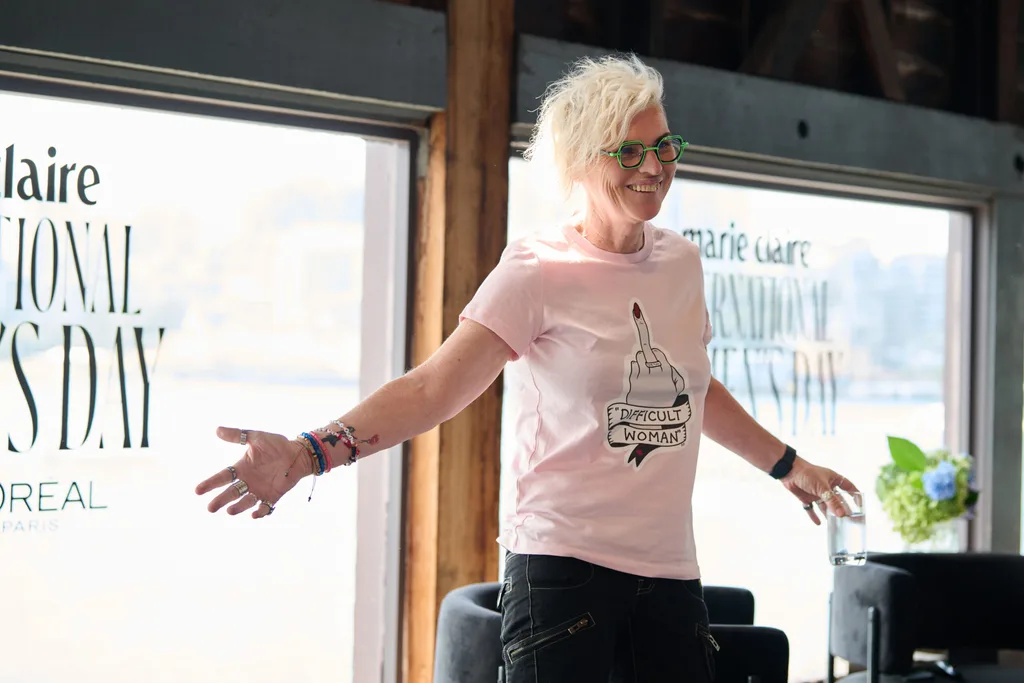
“Of all the femicides I document, 5 per cent are stranger violence, 60 per cent are a result of domestic and family violence, but around 35 per cent are the result of associate violence – where a woman is killed by someone she knows, but that person is not a partner, former partner or family member. It could be her neighbour, boss or colleague,” Moody says. “
By not telling people about the red flags outside of domestic relationships, we’re putting women at risk. It’s exceedingly dangerous.”
What Are We Getting Wrong?
In almost every death Moody records – especially in cases of associate violence – she can pinpoint moments when that person could have been saved. A woman walks into a police station, and an officer tells her to come back when it gets physical, then fails to follow up.
A victim is misidentified as the perpetrator. A woman is turned away from emergency housing and forced to return to her abuser. Each missed intervention becomes another step toward a preventable death. “We’re not moving any more forward than we were 10 years ago,” Moody says.
Male Violence Is Not A Women’s Problem, But What Can We Do?
“Around 95% of women are killed by men. Male violence is not a woman’s problem to solve. What we can do is be there for women. If you know someone is having a hard time, have a conversation with her, reach out to her and ask her what she needs and be respectful of what she’s telling you. The best thing that we can do is just be there for our sisters, and they’ll be there for ourselves.”
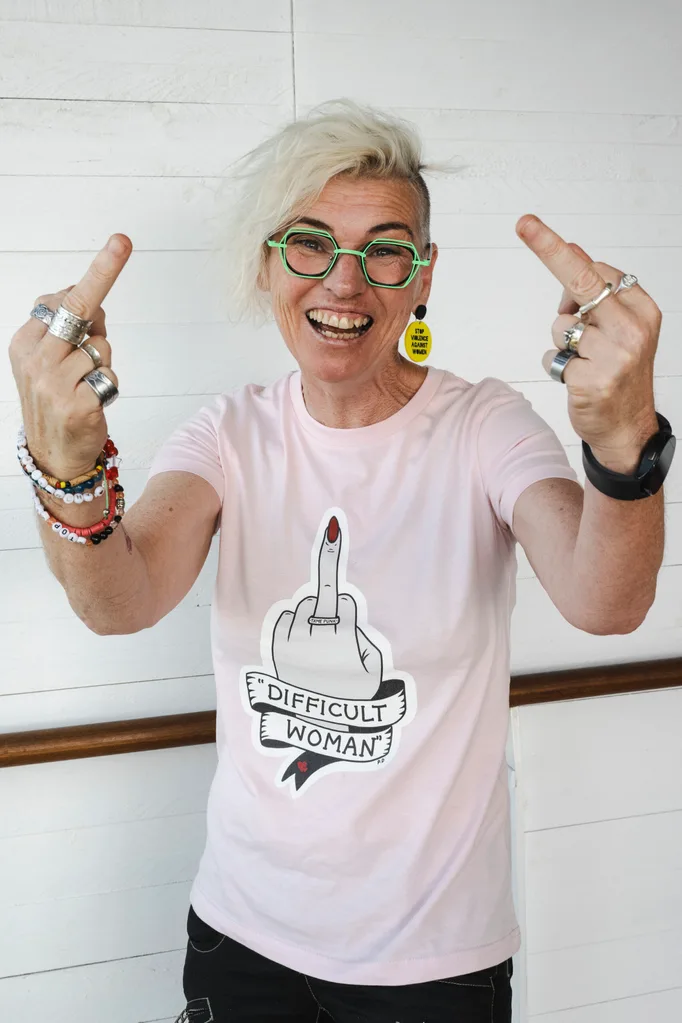
If you do have the means, she also adds that the best place to direct funding is to organisations such as Elizabeth Morgan House, who are working with marginalised women. “They work with Aboriginal women, as well as incarcerated women. Many aboriginal women who are jailed who for domestic violence are often the victims,” says Moody. “They’re misidentified and put in jail. When they come out, it’s almost impossible for them to get transitional housing.”
For support and more details about The Red Heart Campaign, visit australianfemicidewatch.org.

Related stories
Native ad body.

Native ad body.


Native ad body.