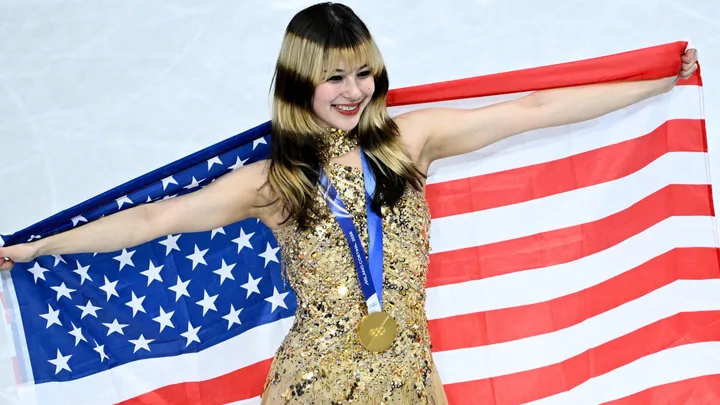
Alysa Liu, the 20-year-old figure skater who clinched gold at the Winter Olympics last week, has entered the public imagination not through spectacle but through presence.
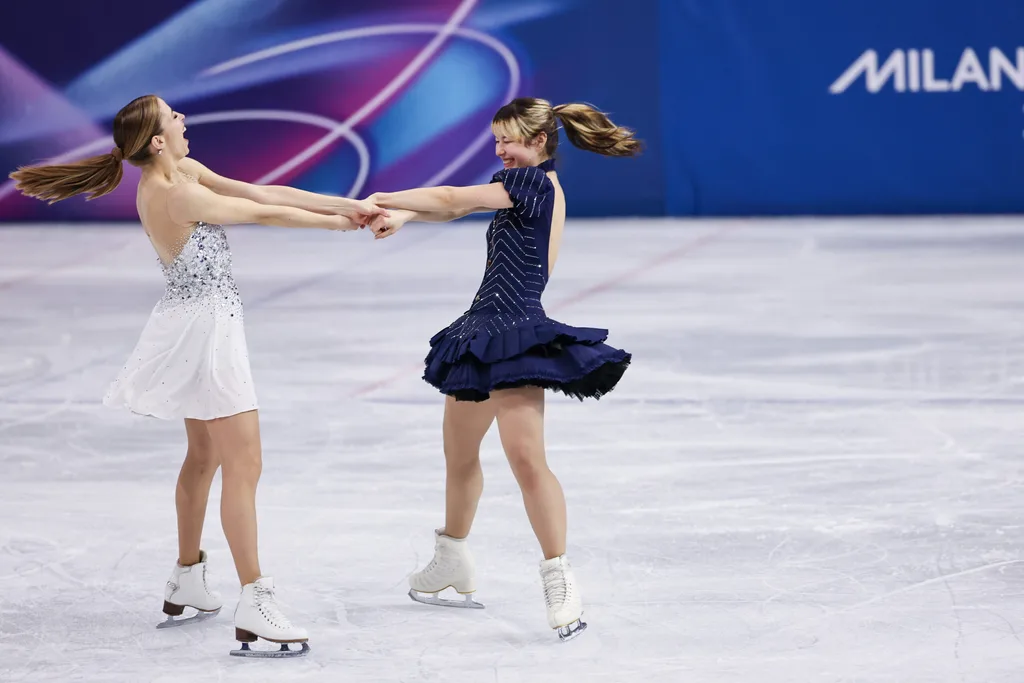
To watch her skate is to be drawn into her joyful rhythm, her movement guided by intuitive musicality and a visible elation that carries her across the ice.
There is an openness to her performance that recalls the freedom of childhood without tipping into naivety. Where some skaters perform for the audience, Liu seems to perform with them.
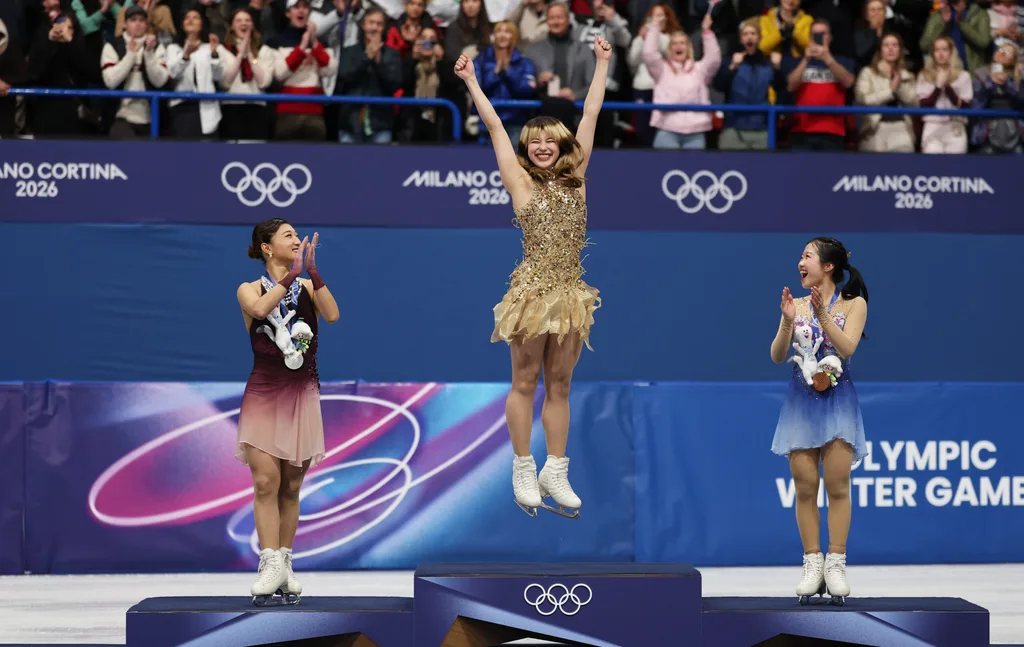
On Friday, Liu claimed Olympic gold in women’s figure skating, ending a 24-year drought for the United States. No American woman had medalled since 2006. That the athlete to finally break the spell is an alt girl from California who walked away from the sport at 16 to prioritise her mental and physical health feels significant.
Her free skate to Donna Summer’s MacArthur Park was buoyant, almost mischievous in its lightness, with joy registering well before she took her bows. Liu’s impact extends beyond the medal itself.
With her striped, bleached hair and frenulum piercing, Liu introduces a new visual language to a sport long governed by restraint. Figure skating has historically been shaped by International Skating Union codes of modesty and dignity, where overt theatricality is discouraged. In theory, this centres athletic merit. In practice, it has policed what excellence is allowed to look like.
By refusing the narrow beauty codes that have long framed the “ideal” skater, Liu disrupts a hierarchy that has traditionally rewarded a very specific kind of femininity: elegant, delicate, and often affluent.
“I like throwing people off,” she told Cosmopolitan in January of her style. “I love masculine style. I feel really comfortable in it. Off the ice, I don’t dress as feminine. To me, that is skating. I’ll wear skirts too, but I definitely love a good masculine street style.”
Historically, skaters who deviated from figure skating’s narrow aesthetic ideal have been judged more harshly, their difference interpreted as deficiency rather than expression. Tonya Harding is the most cited example, scrutinised not only for her skating but for her appearance, handmade costumes and working class background, all folded into a narrative about whether she truly belonged on the ice at all.
Liu unsettles that institutional inheritance. Her alt grunge aesthetic proves that technical excellence and personal style are not mutually exclusive. By choosing her own music, co designing her costumes and even ring dyeing her hair, she claims authorship over her performance.
Even her post Games exhibition skate to Stateside by PinkPantheress and Zara Larsson folded the joyful inflections of internet culture into her routine, underscoring that she is just a girl having the time of her life and refusing to pretend otherwise.
This is where Gen Z’s idea of “girlhood” begins to register less as a matter of age and more as a matter of permission. Permission for pleasure, for visible joy, for emotion without embarrassment, for softness and ambition to coexist.
In a sporting culture that has long aestheticised endurance as stoicism, Liu offers another register entirely, one that allows lightness to read as strength rather than weakness.
The moment lands more sweetly because she arrived here on her own terms. After stepping away from elite competition in 2022 to experience something closer to a normal adolescence, she returned recalibrated and lighter in her relationship to the sport, carrying with her the argument that rest can be productive and that distance can sharpen desire rather than dull it.
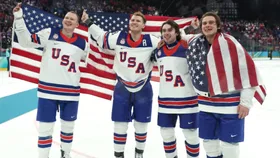
In the days surrounding her win, the Olympics offered its own brief illusion of unity. Following both the men’s and women’s ice hockey victories, America’s vast divides seemed, for a moment, to give way to the unifying pull of sport.
The men claimed gold after the women had already topped the podium, a rare and euphoric double that briefly felt collective.
By the next day, the illusion had faded. Congratulatory calls with Donald Trump, misogynistic jokes about the women’s team and a celebratory closeness to power reframed the wins in political terms. For a nation as polarised as America, the men’s team celebration quickly became symbolic of the broader reality we are currently living in.
Liu’s victory, by contrast, resists being claimed. Her gold does not read as the brutal culmination of visible suffering but as the natural outcome of presence and self-trust.
She does not shrink herself to be more palatable. She takes up space with ease, a reminder that the stage is large enough to hold many forms of brilliance. In a cultural moment starved of uncomplicated joy, watching a young woman succeed with happiness feels like exactly what we need to see.