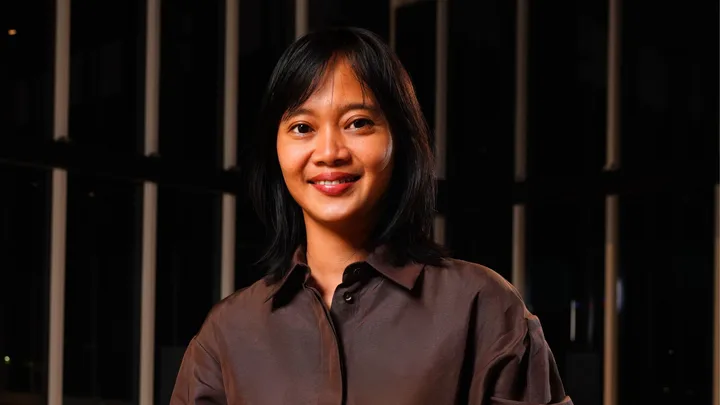
In a small studio in Yogyakarta, Dian Suci carefully shapes a miniature votive, her movements steeped in ritual and devotion.
Each gesture tells a story of faith, labor, and resilience, and it is precisely this intimate attention to craft that has earned her the tenth edition of the Max Mara Art Prize for Women.
The award marks a new, nomadic chapter in the prize’s history, celebrating emerging and mid-career female artists at pivotal moments in their practice.
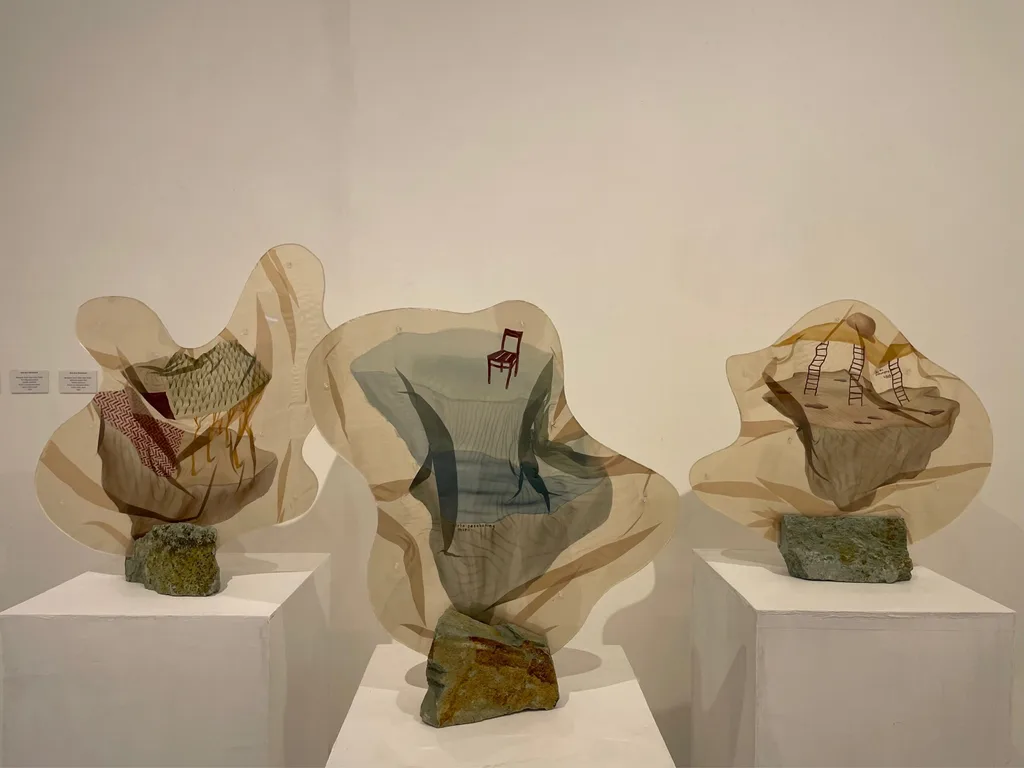
Born in 1985 in Kebumen, Indonesia, Suci’s work explores the intersections of domestic life, patriarchy, and state power.
Drawing on her experiences as a single mother, she channels personal narratives into installations, paintings, sculpture, and video, examining the political domestication of women and the pervasive forces of authoritarianism, capitalism, and social control. Her practice transforms everyday gestures into a language of resistance and cultural reflection.
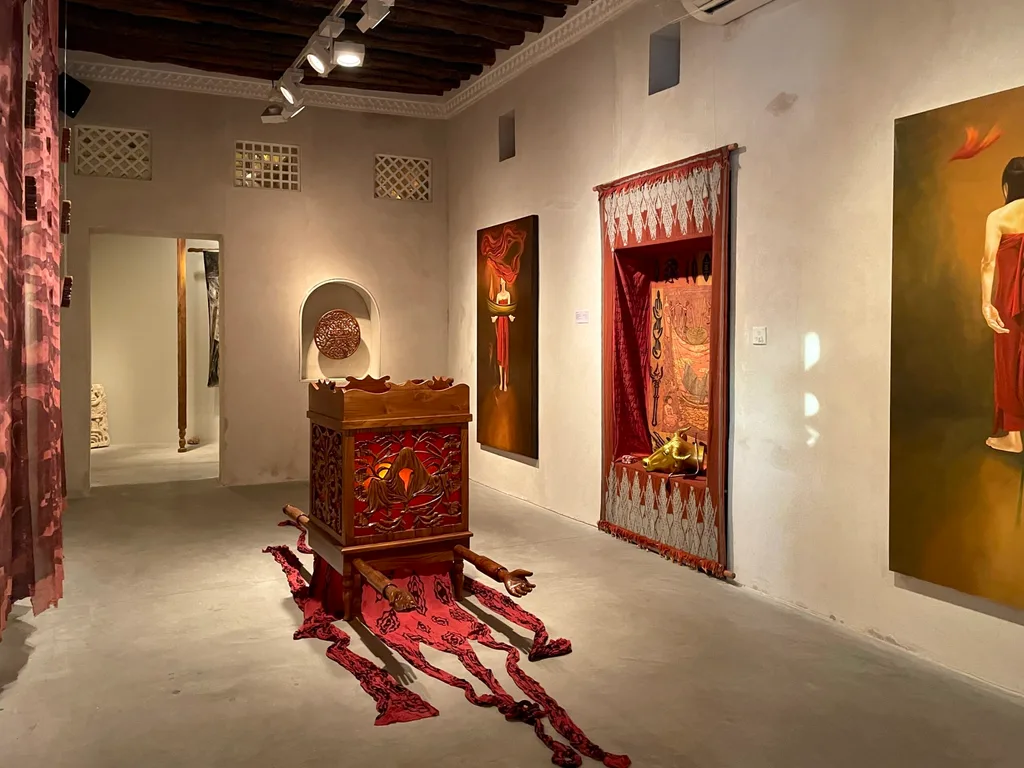
Suci’s winning project, Crafting Spirit: Cultural Dialogues in Heritage and Practice, will unfold during a six-month travelling residency in Italy organized by Collezione Maramotti. The residency is tailored to her investigation of how artisanal religious traditions intersect with modern systems of commodification.
From the handweaving and egg tempera of Florence to the papier-mâché traditions of Lecce, she will trace the ways spirituality is embodied in physical gestures and manual labour, and how these rituals endure despite the pressures of global commerce.
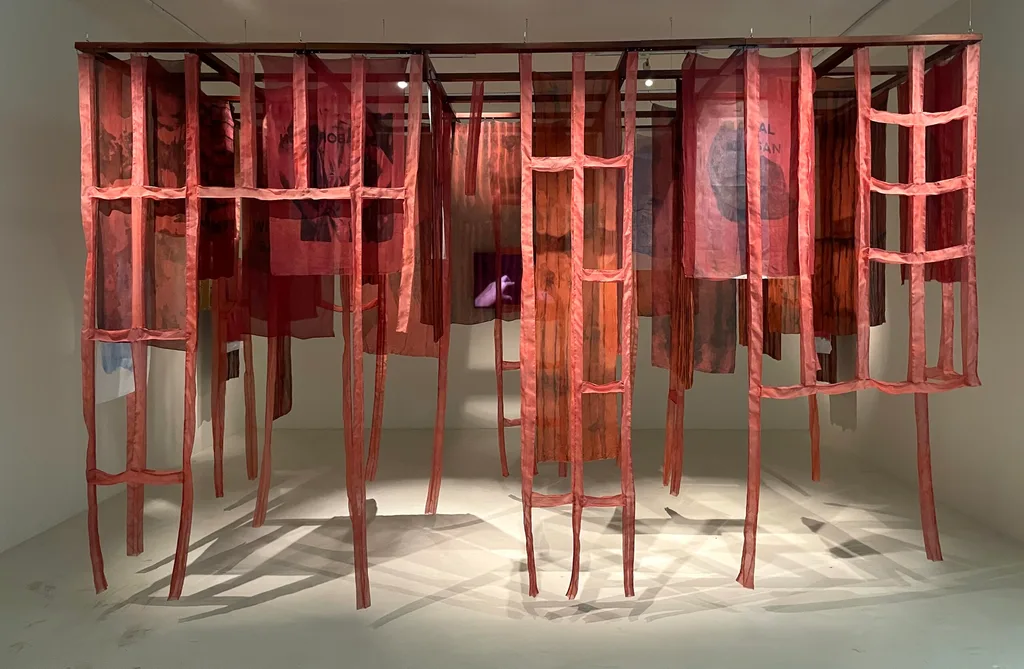
“This recognition offers me the opportunity to expand my research between Indonesia and Italy, and to learn from traditions and rituals that hold spirituality within the bodies that create,” Suci reflects.
Her work will culminate in a solo exhibition at Museum MACAN in Jakarta in summer 2027 before travelling to Reggio Emilia, Italy, where Collezione Maramotti will acquire the resulting body of work.
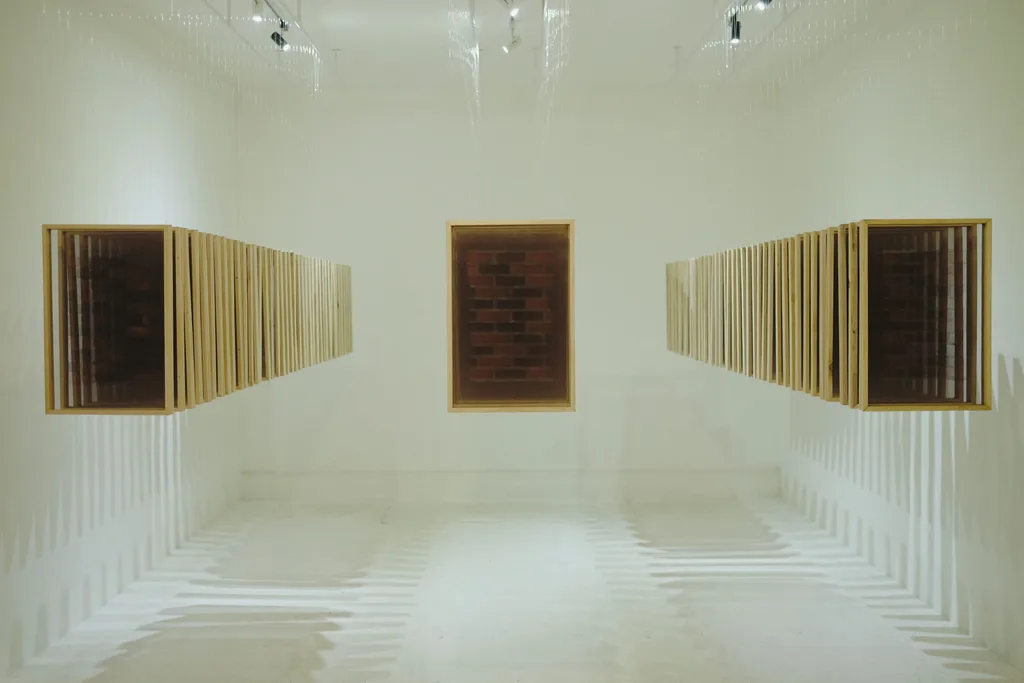
The announcement came during the 61st International Art Exhibition, La Biennale di Venezia, with prize curator Cecilia Alemani, MACAN director Venus Lau, Collezione Maramotti director Sara Piccinini, and Elia Maramotti present. Alemani highlighted Suci’s ability to transform the ordinary into political resonance, while Lau praised her autonomy and conceptual agility.
As the Max Mara Art Prize celebrates its 20th anniversary, Suci’s win signals an outward-looking evolution of the prize, amplifying international voices and fostering cross-cultural dialogue.
Through meticulous research, engagement with artisans, and exploration of ritualised labour, Suci continues a tradition of feminist inquiry, proving that the hands that craft can also shape memory, culture, and belief.