

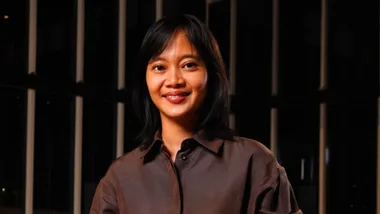
I’m standing in the middle of Shanghai’s Long Museum, trailing behind a very chic Italian woman called Laura Lusuardi. The daughter of one of Max Mara’s first retailers, Laura joined the house in the Sixties and is now the brand’s fashion director.
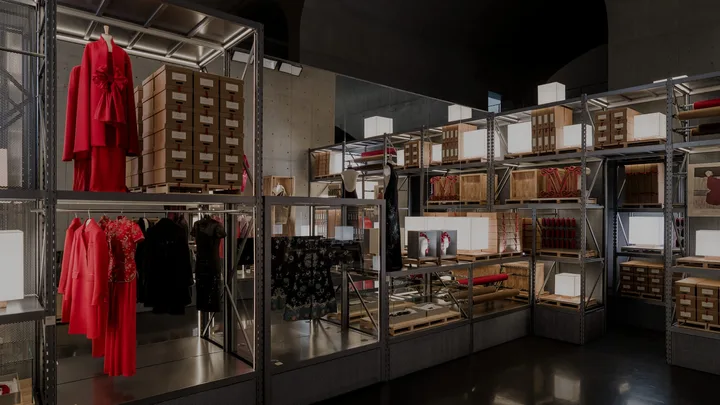
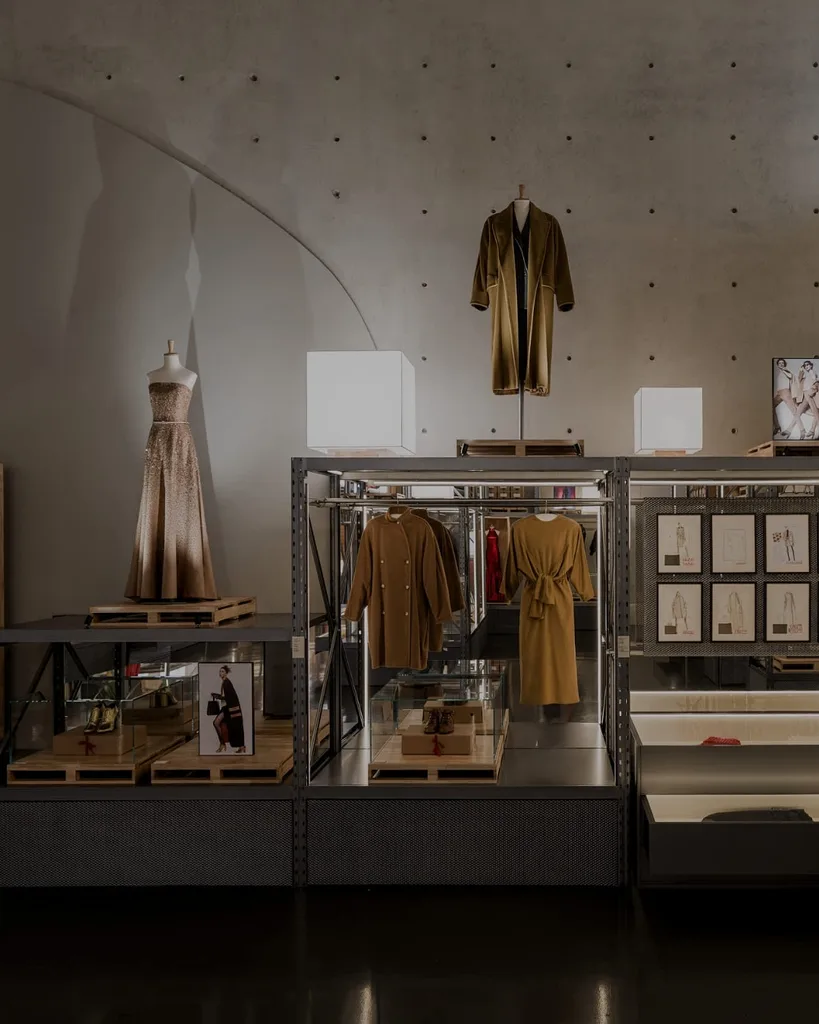
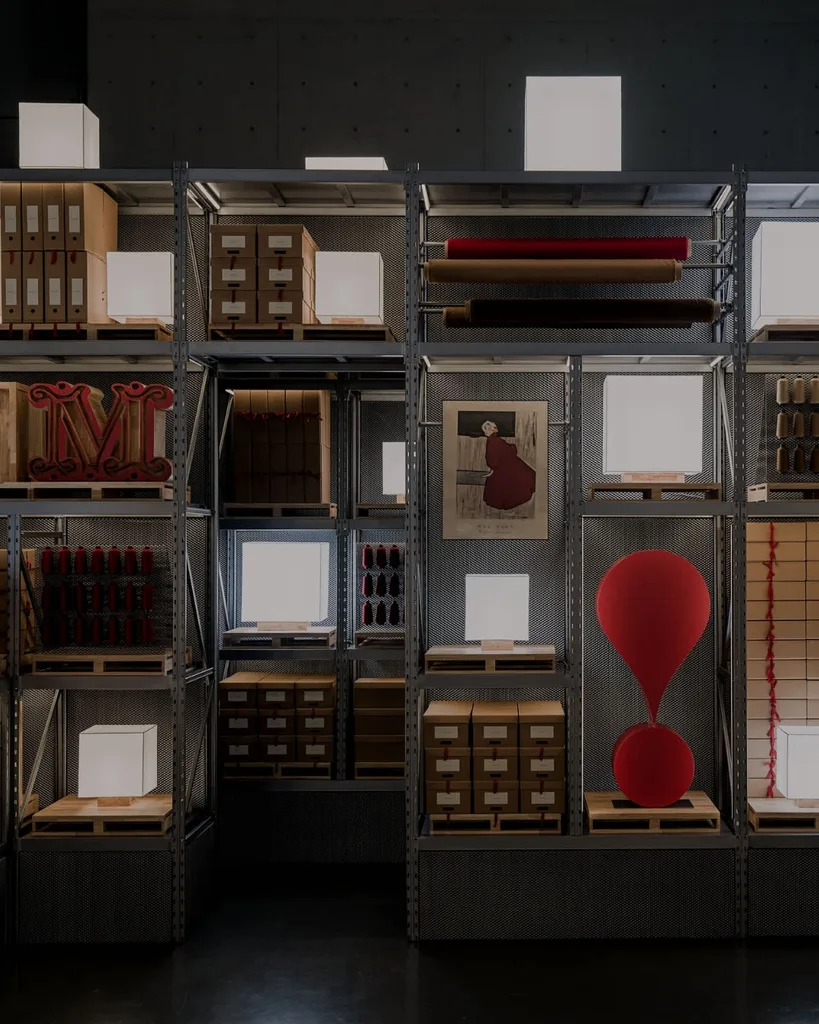
She doesn’t speak English, and I don’t speak Italian, so we have a translator. We’re inside “The Max!”, Max Mara’s 75th anniversary exhibition which has the energy of a very elegant storeroom in the middle of being unpacked.
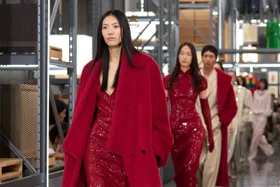
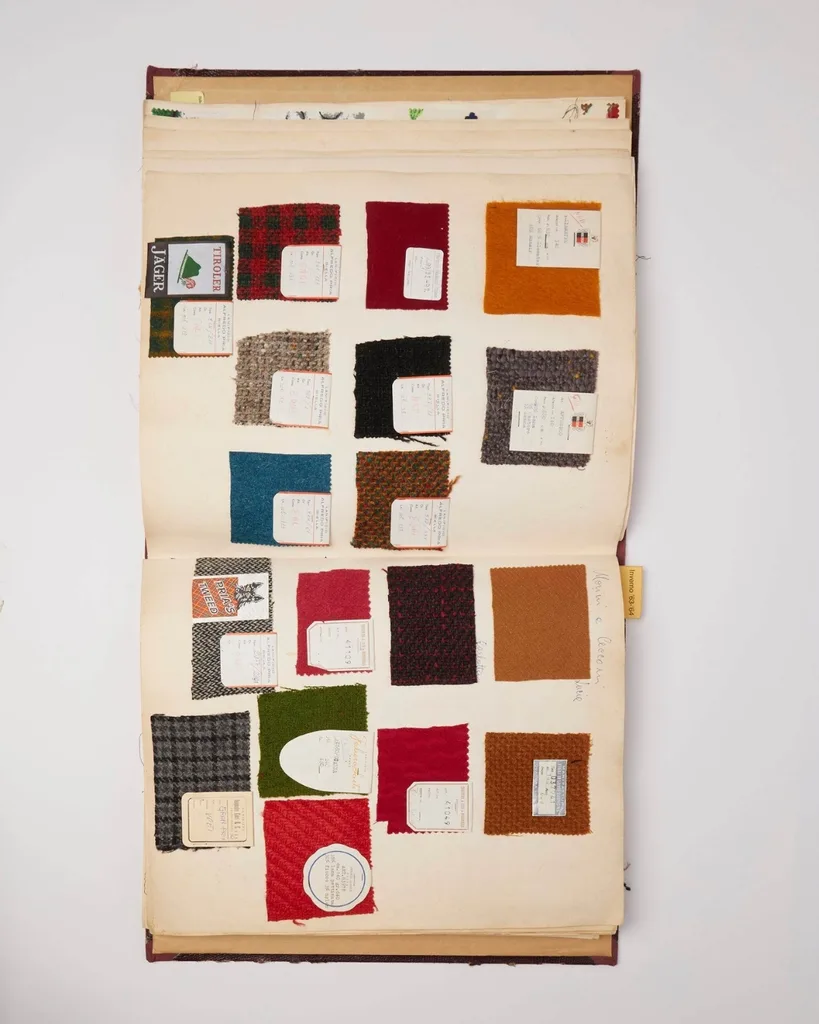
There are metal shelves, archive crates, brown cardboard boxes, swatches, sketches, photographs, mannequins, fragments of memory and, naturally, coats. So many coats. Navy coats. Camel coats. White coats from the 1980s that look as if they could have walked straight out of the Resort 2027 show that was staged here the evening before.
This, as Laura explains during our walk-through of the exhibition, was precisely the idea. Max Mara did not want to tell its story as a neat procession of decades, hemlines and campaign images. “We wanted to tell you what Max Mara is,” she says, “but not in chronological order – in an emotional order.”
It is a good distinction and across nine sections, “The Max!” gathers garments, sketches, textiles, advertising, sewing tools, photographs and design objects from the company’s archive in Reggio Emilia, not to place one above another, but to allow them to speak across time. “All the objects are connected,” says Laura. “There is a sort of red thread that connects them to each other. They all speak about us.” The red thread begins, unexpectedly, not with a coat, but with a school.
Before Max Mara became synonymous with Italian ready-to-wear, before the 101801 coat acquired the status of secular relic, there was the Maramotti family’s cutting and sewing school in Milan. The exhibition’s opening chapter is devoted to this world: measuring guides, teaching samples, sewing machines, exercises in proportion, the rigour of women learning to cut cloth and, in doing so, cut a path for themselves.
“Everything starts from here,” says Laura. In mid-century Italy, she explains, when many women were not encouraged to work outside the home, the school offered something practical and therefore radical. “They were learning a job,” she says. “They were becoming independent.” She pauses, then calls it “the first step of emancipation.” It is tempting, at this point, to reach for grand claims about fashion and feminism, but Max Mara’s revolution was conducted through pattern, proportion and industrial method.
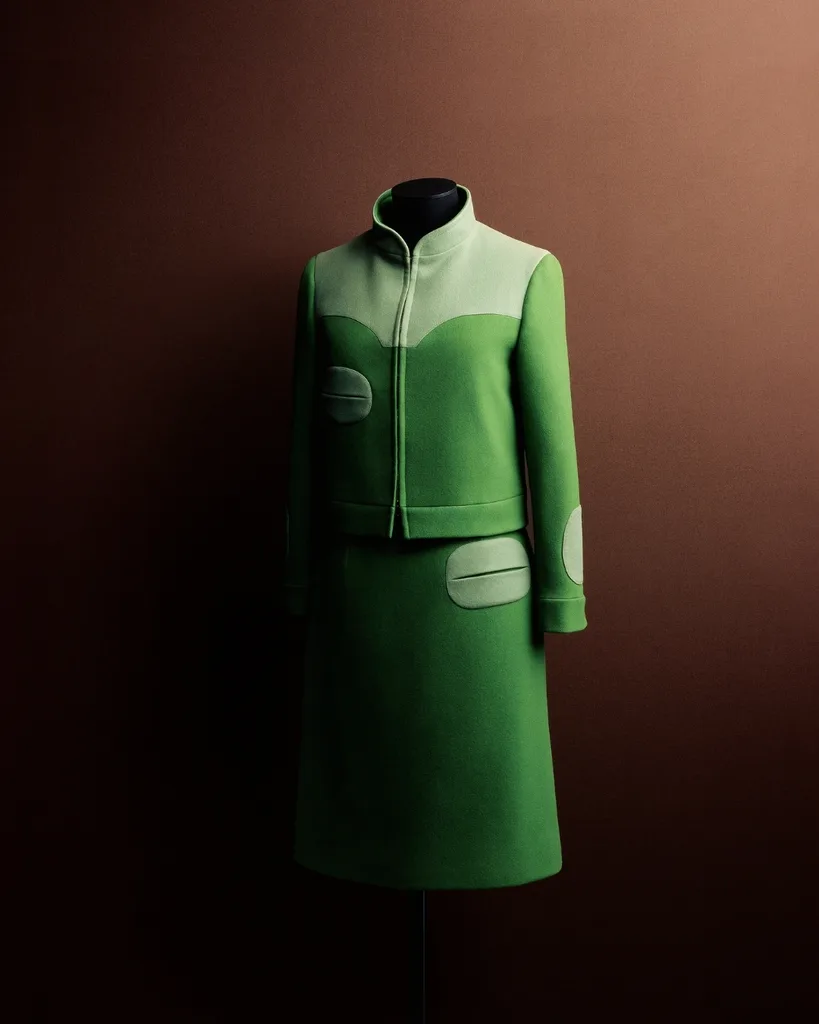
Achille Maramotti’s great insight was that the discipline of couture could be translated into ready-to-wear without losing its intelligence. “He added this idea of recreating garments in an industrial process,” Laura says. “It was really visionary for that time.” In the early years, the references came from Paris, from couture houses such as Balenciaga, from magazines and from the observational habits of a founder who understood that modern women did not need costumes.
They needed clothes. Maramotti would study, annotate, adjust. A couture idea might become a Max Mara coat, but only after it had been stripped of excess and given purpose. The fantasy was edited into reality. That is the genius of the house, and the exhibition understands it.
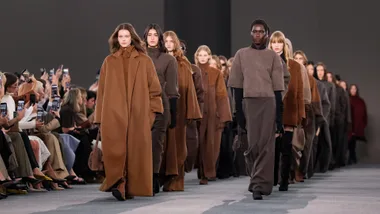
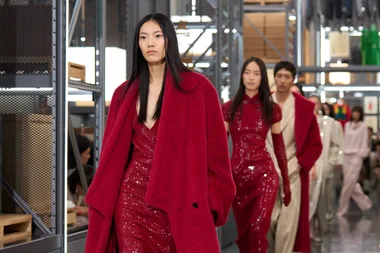
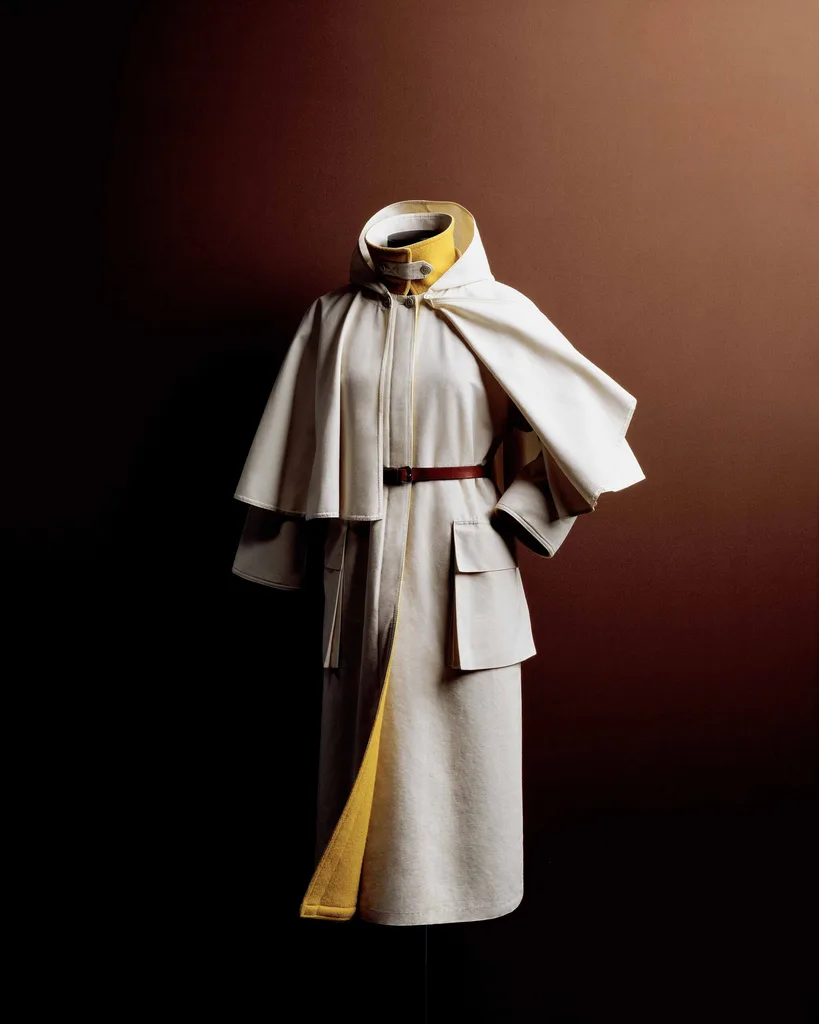
Max Mara’s archive is presented as a working vocabulary. The coat, the camel, the navy, the red, the long line, the intelligent sleeve, the volume that flatters rather than overwhelms: these are not nostalgic signatures, but tools. “We looked at the needs of the women,” Laura says, “but always making it Max Mara.”
There is something almost stubborn in that consistency, though stubborn in the best possible sense. Max Mara has collaborated with artists, absorbed designers, travelled widely, responded to the world around it and still managed to remain unmistakably itself. In one section, white coats from the 1980s appear startlingly current. Their modernity is not accidental. It lies in what Laura describes as “perfect proportion” and “very pure lines”.
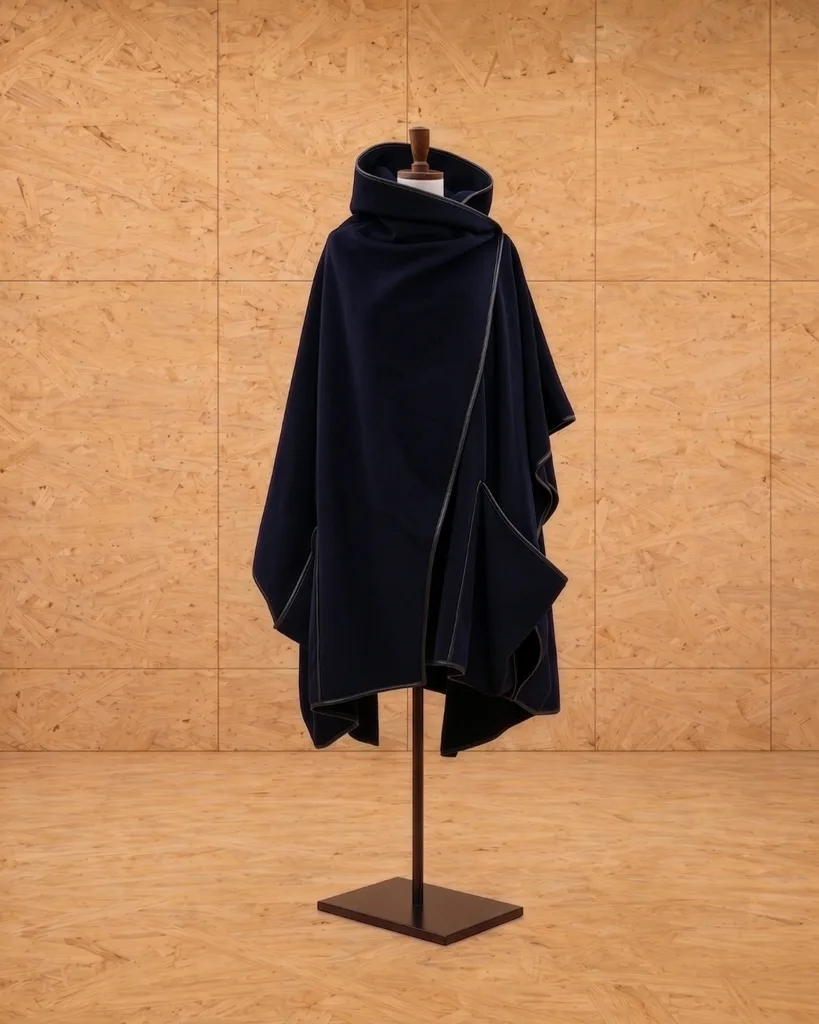
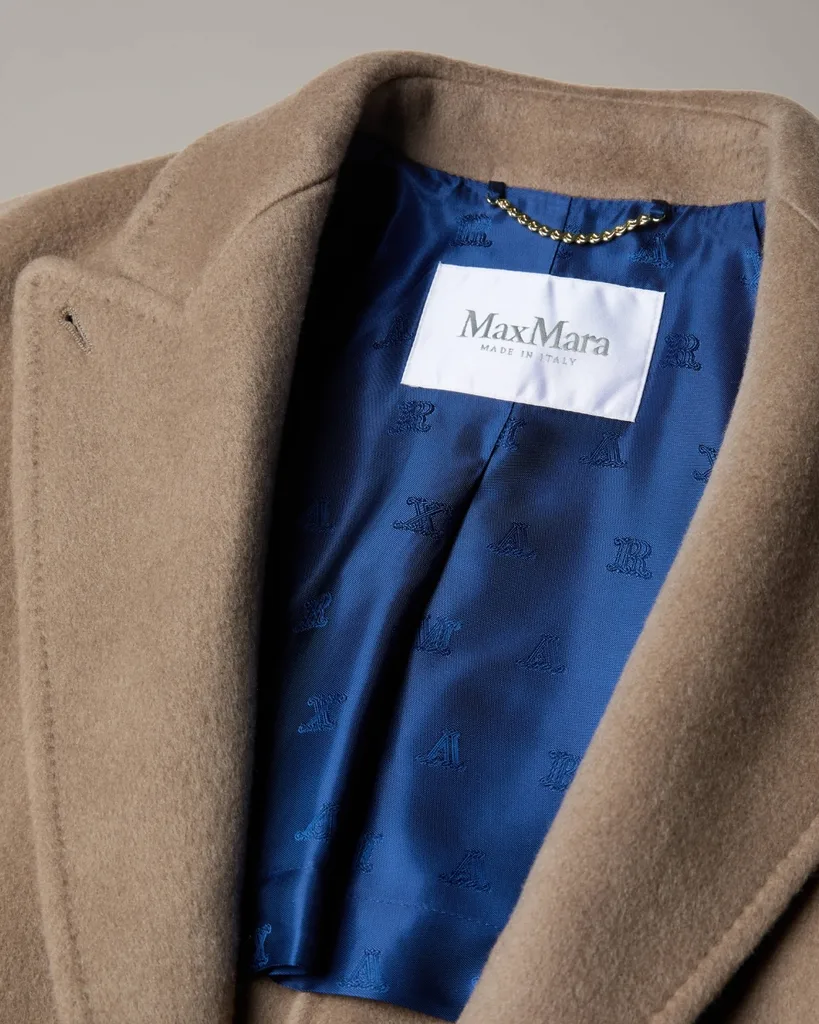
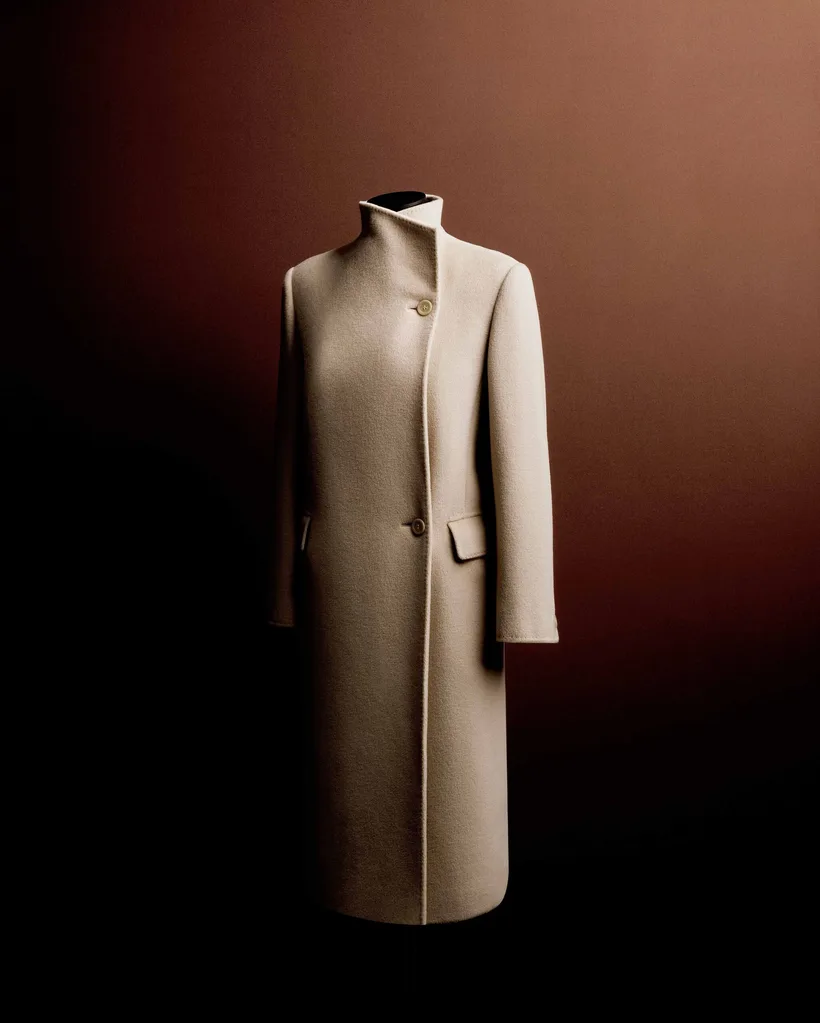
Fashion often dates itself by trying too hard. Max Mara, at its best, does the opposite. The famous icons are here, of course: the 101801, the Manuela, the Teddy Bear Coat, the latter still capable of making grown women behave as though outerwear might solve several emotional problems at once. “Another important feature of our icons,” Laura says, “is that we have never changed anything.”
The point is not inertia; it is confidence. When something is right, the most radical thing may be to leave it alone. The archive, Laura insists, is alive. “It is not only a source of education for us, but for everyone,” she says. “The creative teams can go there to make research. Real research. And take inspiration from our archive, because it is important for us to be true to our DNA.” Shanghai gives the story another dimension.
Travel and research have always mattered to Max Mara, and the exhibition acknowledges China not as backdrop, but as source of cultural dialogue. Traditional garments, borrowed locally rather than transported from the Italian archive, sit within the broader story of how clothing carries history, geography and attitude. By the end, “The Max!” feels less like a birthday celebration than a statement of method.
It shows a house built not on noise, but on exactness; not on reinvention for its own sake, but on the long, patient refinement of an idea. Fashion loves the new. Max Mara has spent 75 years proving that the truly modern thing is often the one that still works tomorrow.

