NEED TO KNOW
- The Orionid meteor shower is set to peak early tomorrow morning on Thursday, October 22 at approximately 3:30 AM.
- The best viewing conditions are typically found in the darkest hours before dawn, as bright moonlight can wash out the fainter meteors.
- The Orionid meteor shower takes its name from the constellation Orion the Hunter, and is a result of Halley’s comet.
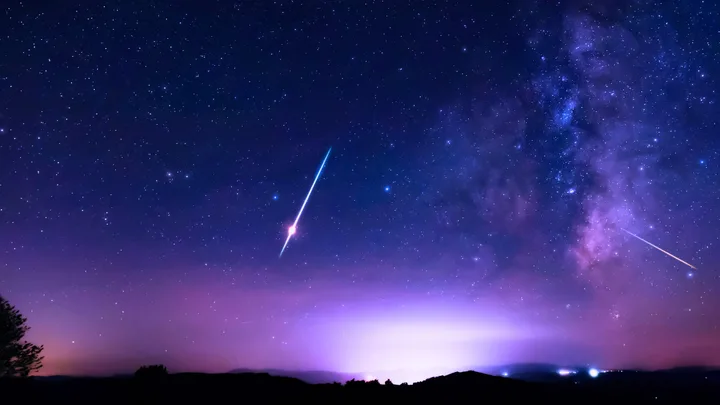
A celestial spectacle is almost upon us, with the Orionid meteor shower set to illuminate the night sky as it reaches its peak in the early hours of Thursday morning.
If you’re hoping to catch a glimpse of sparkly meteors zipping through the skies, however, you’ll need to sacrifice a little beauty sleep. Experts recommend setting your alarm for around 3 AM to 4 AM, when the skies will be at their darkest before dawn. With a bright, waxing gibbous Moon threatening to outshine the celestial display this year, timing will be everything.
Under ideal viewing conditions, stargazers could be treated to a meteor every four to five minutes.
Ahead, everything you need to know about the Orionid meteor shower in 2026, including when it peaks and where you’ll have the best chance of witnessing the spectacle.
RELATED: Venus Retrograde Is About To Wreak Havoc On Your Love Life
What Is The Best Time To See The Orionid Meteor Shower?
While the Orionid meteor shower is active from October 2 to November 7, the celestial spectacle is expected to reach its peak overnight on Thursday, October 22 with prime viewing time expected to be between 3AM and 4AM (AEDT).
However, if you miss the main event, fear not, as Friday and Saturday mornings should also offer opportunities to catch a glimpse of the meteors.
University of Southern Queensland astronomer Jonti Horner told SBS News that “Wednesday night [early Thursday morning] is formally forecast to be the best night, but there’s a little bit of uncertainty in that because the numbers wiggle around up and down.”
With the Moon gradually becoming brighter ahead of its peak on Monday, October 26, the window for optimal viewing conditions is narrowing.
As Horner explained, “anytime this week, even as far as Friday or Saturday, you’ve got a chance of getting reasonable numbers, but the moon is getting worse, not better.”
Can You See The Orionid Meteor Shower In Australia?
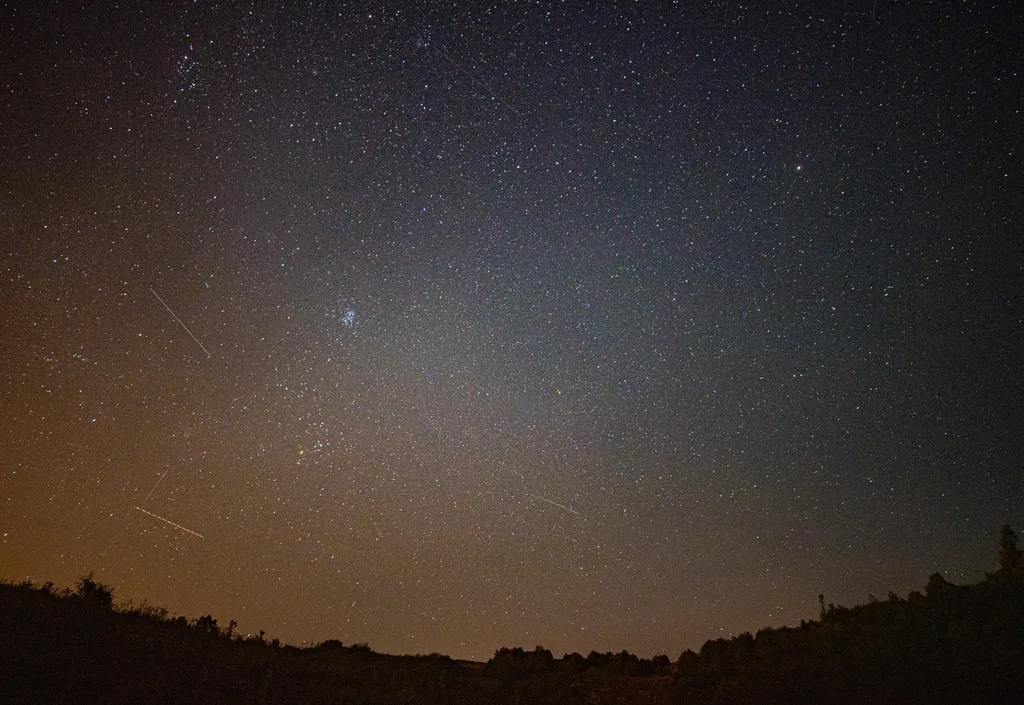
The Orionid meteor shower is visible from both Northern and Southern Hemispheres, meaning those of us Down Under will have the opportunity to witness the celestial spectacle.
As with most cosmic phenomena, the darker the skies, the better the viewing conditions. However, city dwellers needn’t despair, as even those surrounded by light pollution may still catch a glimpse of the brighter meteors streaking overhead.
“The brighter meteors, you’ll see whether you’re in the city or in the country, so long as you’re away from direct streetlights,” Horner told SBS.
Interestingly, the Orionids also coincide with another celestial display, the Taurid meteor shower, offering stargazers the possibility of witnessing two meteor showers at once. “Neither of them on its own is the best shower of the year,” Horner explained. “But one shower [Orionid] has fairly swift meteors … and the other [Taurid] very slow meteors … and so they add up and put on a better show.”
Better still, there is no need to whip out the binoculars or telescopes, as the meteor shower is best admired with the naked eye.
What Is The Orionid Meteor Shower?
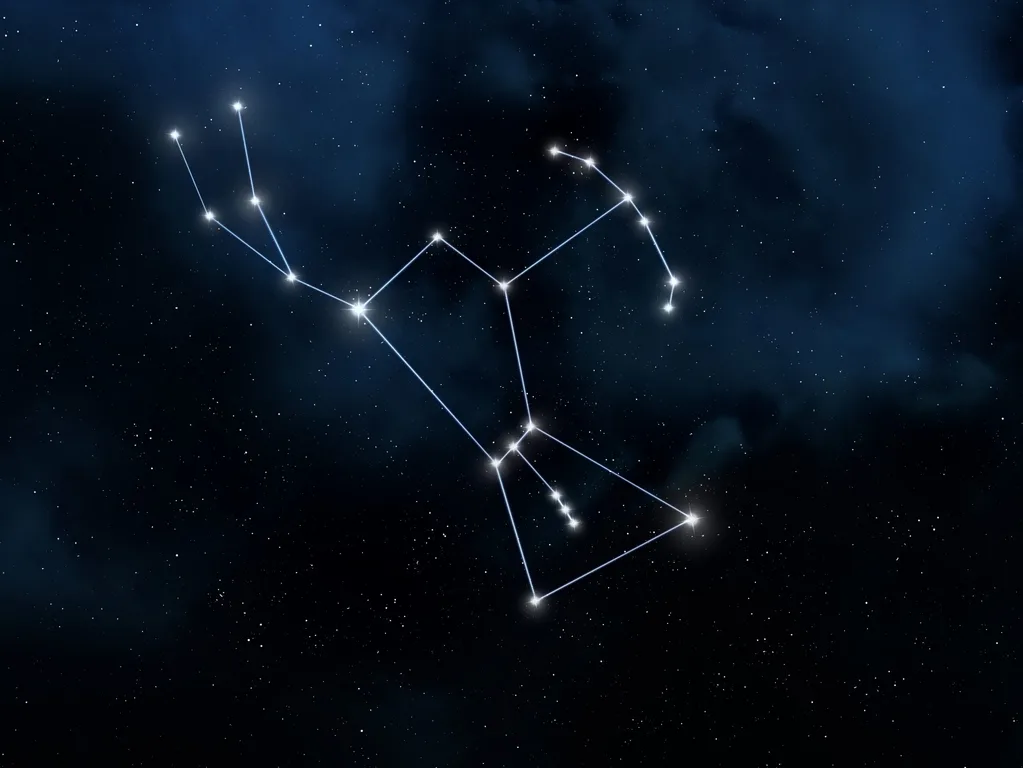
The Orionid meteor shower takes its name from the constellation Orion the Hunter, best recognised by the three stars that form its distinctive belt. It is from this constellation that the meteors appear to radiate across the night sky, although they can be spotted anywhere in the sky, with those further from Orion often leaving longer, more spectacular trails in their wake.
The celestial display owes its existence to the famous Halley’s Comet, which completes an orbit around the Sun approximately every 76 years.
As the comet journeys through our solar system, it sheds a trail of dust and debris along its orbital path. Each October, Earth passes through this cosmic debris, with the tiny particles burning up as they enter our atmosphere, creating the brilliant streaks of light we recognise as meteors.
And while Halley’s Comet itself won’t be visible from Earth again until 2061, the Orionid meteor shower offers an annual opportunity to witness a little slice of the cosmic magic.