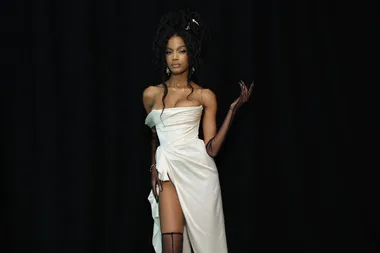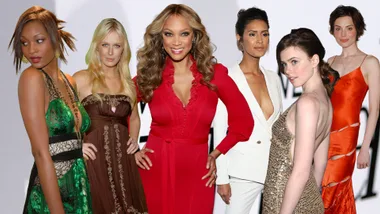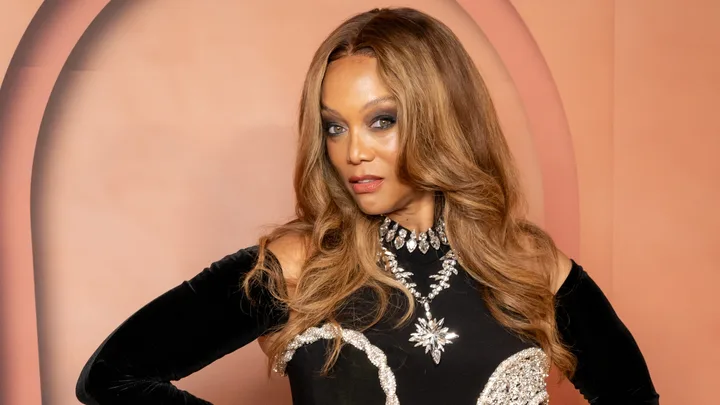
Few reality shows have undergone a cultural reassessment quite like America’s Next Top Model.
What was once appointment viewing for a generation of aspiring fashion obsessives has, in recent years, become shorthand for some of the more troubling excesses of 2000s television.

The fat-shaming, racially insensitive photo shoots and casual homophobia that barely registered with audiences at the time now land very differently. Viewed through a 2026 lens, many of the show’s defining moments are difficult to watch to say the least.
So when Netflix’s Reality Check: Inside America’s Next Top Model arrived earlier this year, I was interested to take a definitive look back at the phenomenon. Former contestants revisited experiences they say left lasting scars, judges reflected on decisions they would approach differently today and Tyra Banks herself appeared willing to engage with criticism surrounding the show she created.
However, Banks now says audiences weren’t shown the full picture. The model and television mogul has filed a lawsuit against Netflix, alleging that the documentary series edited her three-and-a-half-hour interview into a misleading 16-minute appearance that supported a “false and defamatory narrative.”
Importantly, Banks is not arguing that America’s Next Top Model was beyond reproach.
According to the lawsuit, she entered the project prepared to discuss the show’s failures alongside its successes, acknowledging there were moments she would handle differently today. What she disputes is the suggestion that she knowingly ignored contestants’ trauma or failed to take allegations of misconduct seriously.
Central to her complaint is the documentary’s treatment of former contestant Shandi Sullivan’s story. Sullivan has since characterised an encounter filmed during cycle two as sexual assault, arguing it was instead presented to audiences at the time as a cheating scandal. In Reality Check, Banks appears unable to recall the incident in detail.
The lawsuit alleges producers omitted footage in which she immediately acknowledged remembering Sullivan’s experience, fundamentally altering the meaning of the exchange.
Banks also disputes claims that she abandoned former judge Miss J Alexander after his stroke, arguing producers excluded years of messages and communication that complicated the narrative presented on screen.
“Every other conversation about ANTM’s legacy — including the candid reflection Ms. Banks came prepared to have – is now drowned out by an accusation she was never given the chance to answer,” her lawyers wrote. “This lawsuit is that answer – particularly after her efforts to resolve the matter directly with Netflix and the producers were refused.”
Whether Banks ultimately succeeds in court remains to be seen. The lawsuit does not erase the uncomfortable conversations Reality Check sparked about America’s Next Top Model and the environment it fostered.
But it does introduce another question into the debate: if we’re willing to interrogate the ethics of reality television, should we be applying the same scrutiny to the documentaries that revisit its legacy? The irony feels difficult to ignore.
Reality Check: Inside America’s Next Top Model is currently streaming on Netflix. You can watch the trailer below.