Long before Keith Haring’s iconic dancing figures appeared on luxury handbags, they were brightening the walls of New York’s subway stations. Now, more than four decades later, the American artist’s unmistakable work is taking centre stage at Louis Vuitton, in a colourful new collection that brings together the worlds of street art, high fashion and extraordinary craftsmanship.
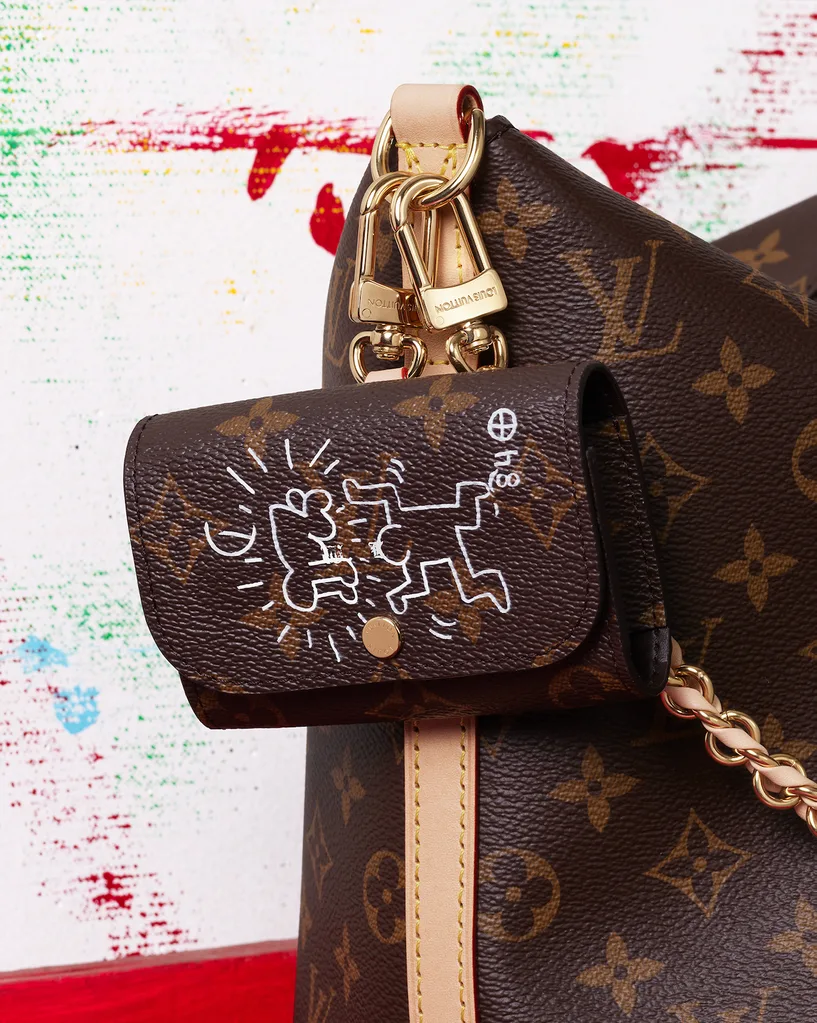
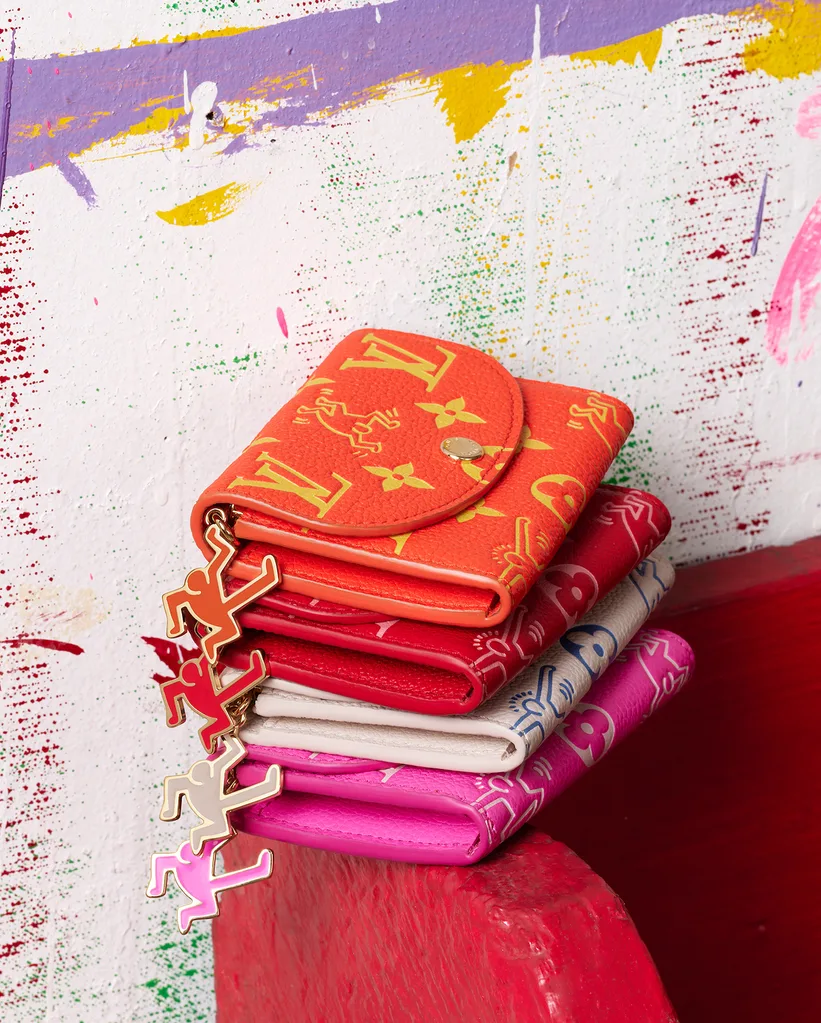
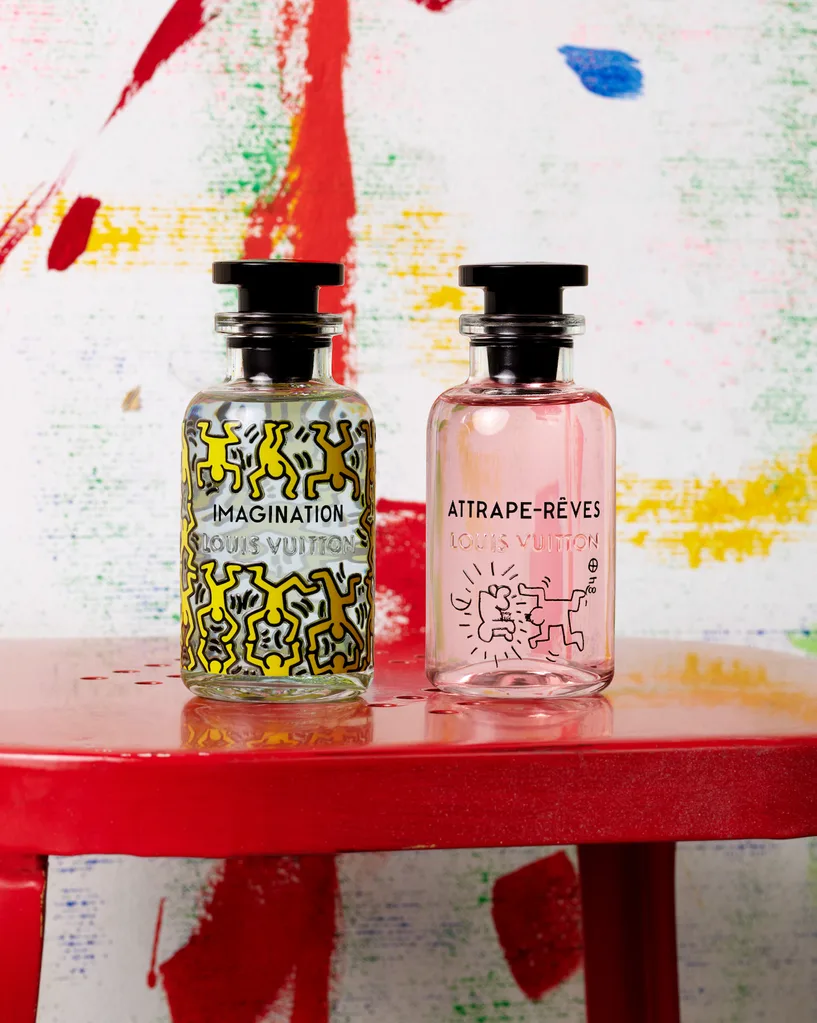
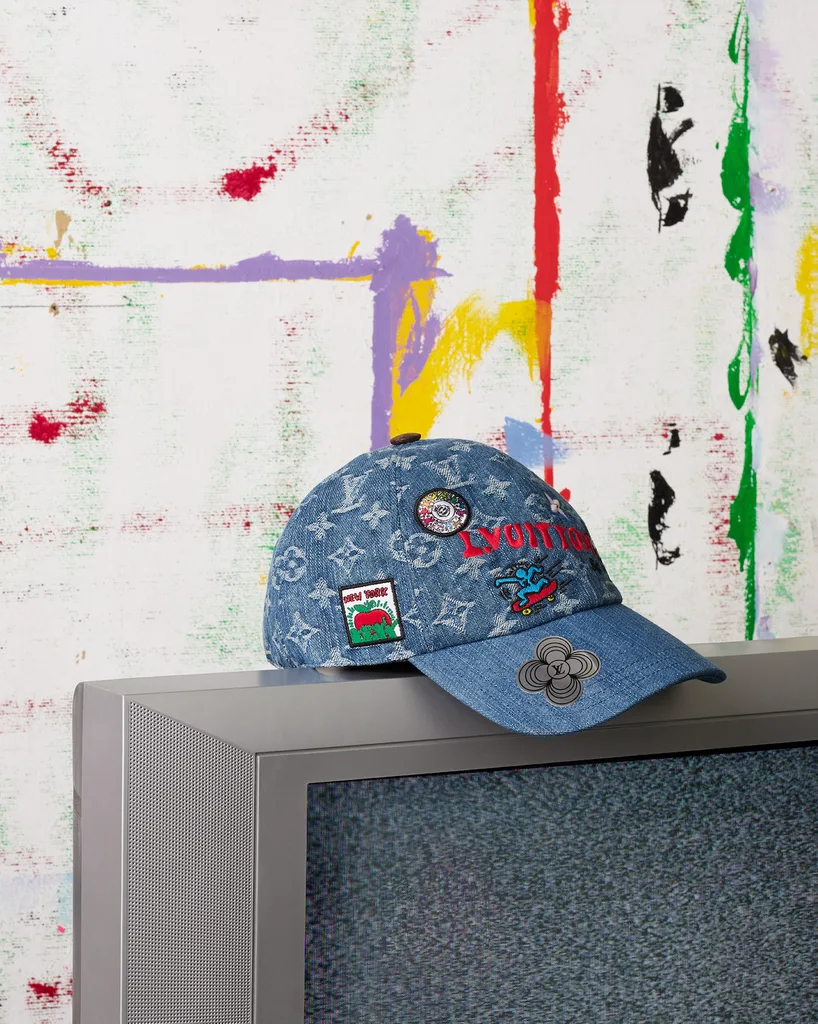
Launching worldwide on January 1, 2027, the Louis Vuitton Keith Haring Collection features the artist’s famous motifs across everything from handbags and ready-to-wear to sneakers, silk scarves and even perfume bottles.
It’s playful, wonderfully nostalgic and, in true Louis Vuitton fashion, extraordinarily luxurious. But there’s also a fascinating history behind it.
Who Was Keith Haring?
Born in Pennsylvania in 1958, Haring moved to New York in 1978, immersing himself in the city’s vibrant downtown art scene alongside the likes of Andy Warhol, Jean-Michel Basquiat and Kenny Scharf.
In the early 1980s, he began using white chalk to draw on empty advertising panels in subway stations. His energetic figures, barking dogs and radiant babies became instantly recognisable, turning ordinary commutes into unexpected encounters with art. Haring went on to become one of the most influential artists of his generation, helping blur the boundaries between street art, pop culture and the traditional art establishment.
But behind his cheerful, cartoon-like figures was a much more serious message. Haring was an outspoken activist who used his work to challenge racism, inequality and discrimination, and later became a passionate advocate for HIV/AIDS awareness.
He also believed that art shouldn’t be reserved for wealthy collectors. In 1986, he opened the Pop Shop in downtown Manhattan, selling affordable T-shirts, badges and everyday objects featuring his designs. For Haring, creativity belonged in daily life, not just in museums.
He died of AIDS-related complications in 1990, aged just 31, but his artistic influence has endured.
The Suitcase That Started It All
The inspiration for Louis Vuitton’s latest collection can be traced to an extraordinary piece of fashion history.
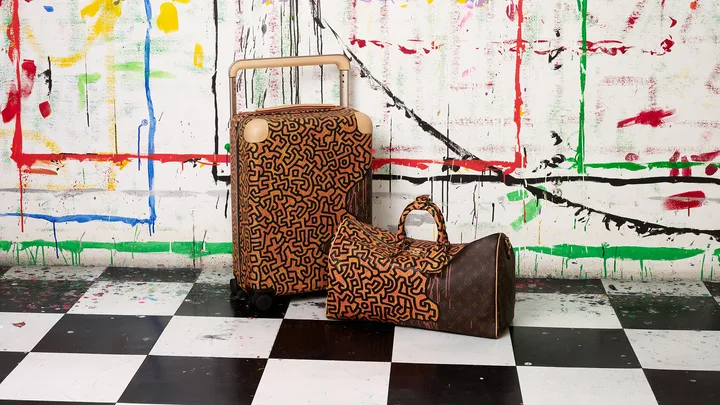
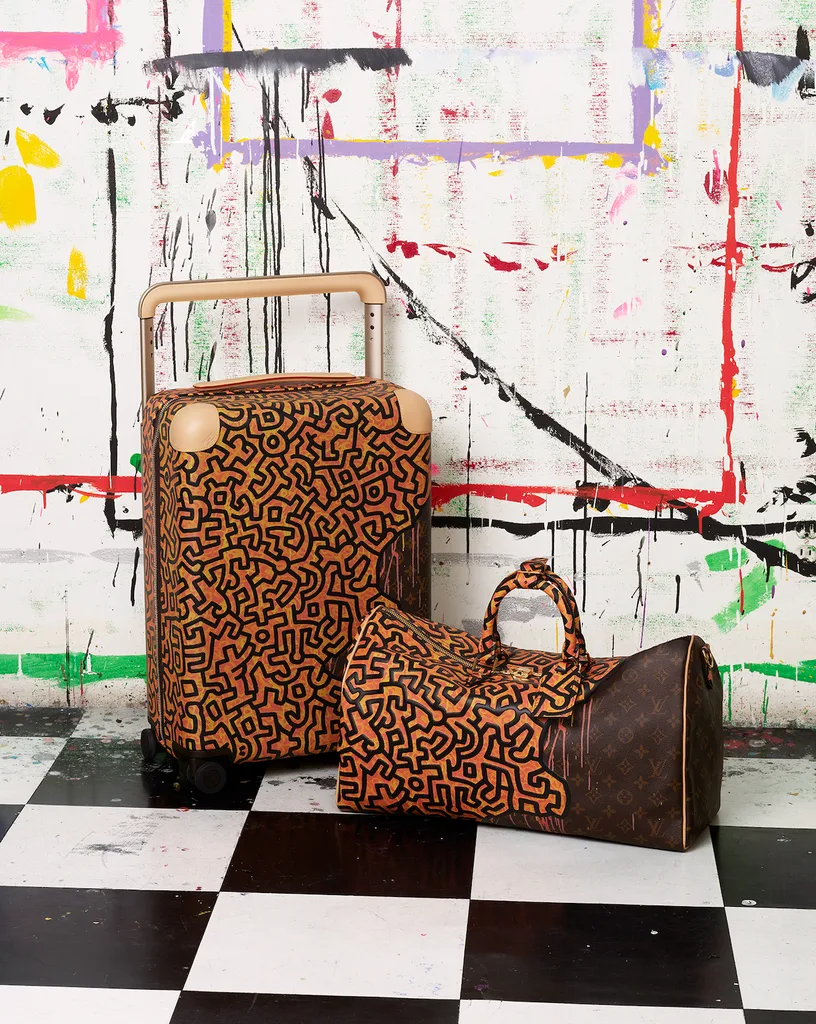
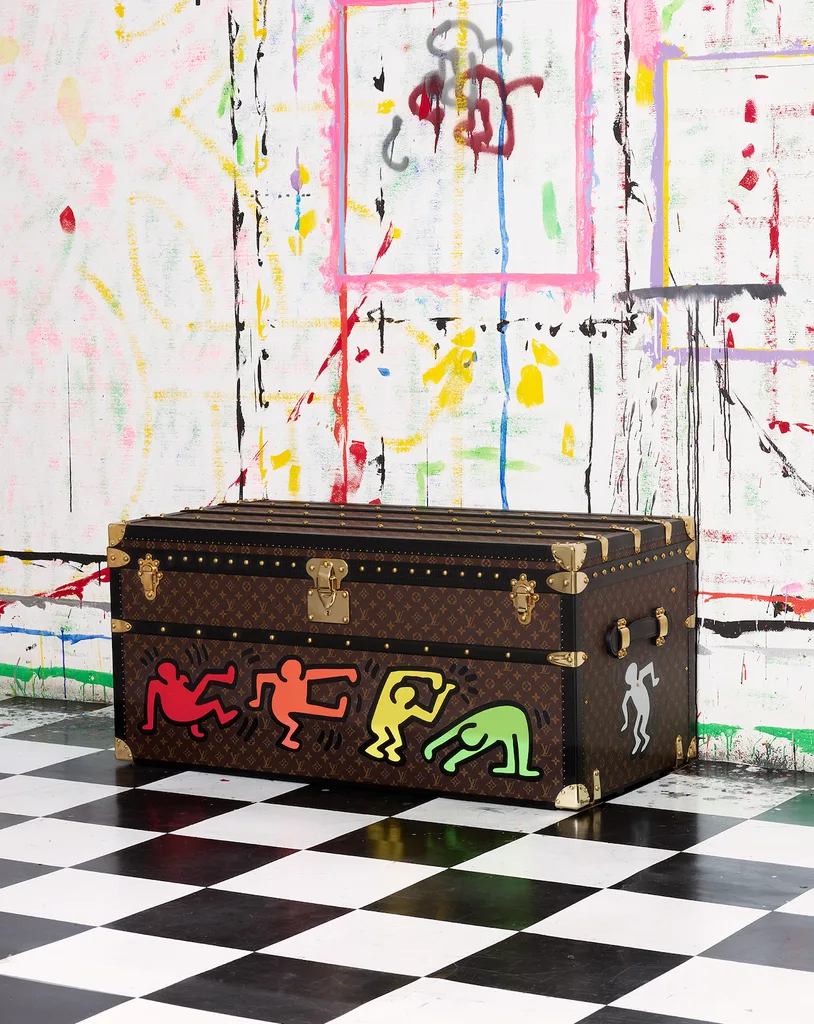
In 1984, Haring decorated a Louis Vuitton garment case dating from the 1930s with his famous radiant baby motif. Thought to have belonged to one of his New York roommates, the suitcase became an unlikely meeting point between luxury craftsmanship and downtown creativity.
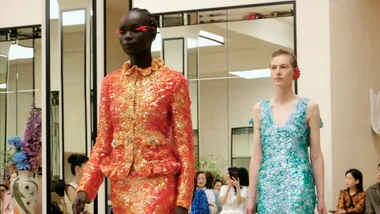
Louis Vuitton acquired the piece in 2020, and more than four decades after Haring first transformed it, the suitcase appeared at Nicolas Ghesquière’s Cruise 2027 show at New York’s Frick Collection, accompanying the opening runway look.
The collection explored the contrast between New York’s refined uptown institutions and the rebellious downtown scene that shaped Haring’s career.
It was the starting point for something much bigger.
Louis Vuitton’s History With Street Art
Of course, Louis Vuitton has form when it comes to bringing art into fashion.
In 2001, then-artistic director Marc Jacobs collaborated with American artist and designer Stephen Sprouse, covering the house’s famous Monogram canvas with graffiti-inspired lettering.
At the time, the idea of treating one of fashion’s most protected logos like a graffiti-covered wall was radical. The collection became a sensation, returning in 2009 with even brighter neon designs.
It helped establish Louis Vuitton’s reputation for daring artistic collaborations, paving the way for partnerships with Takashi Murakami and Yayoi Kusama.
Haring’s collection feels like a natural continuation of that legacy.
Inside The Louis Vuitton Keith Haring Collection
Developed with the Keith Haring Foundation, the collection unfolds across five themes, each exploring a different aspect of the artist’s extraordinary creative world.
Genesis pays tribute to the original suitcase, with aged-looking leather, archival details and Haring’s radiant baby appearing across classic Louis Vuitton designs.
Brazil takes inspiration from his vibrant 1989 painting of the same name, bringing colourful, interlocking shapes to handbags and travel pieces.
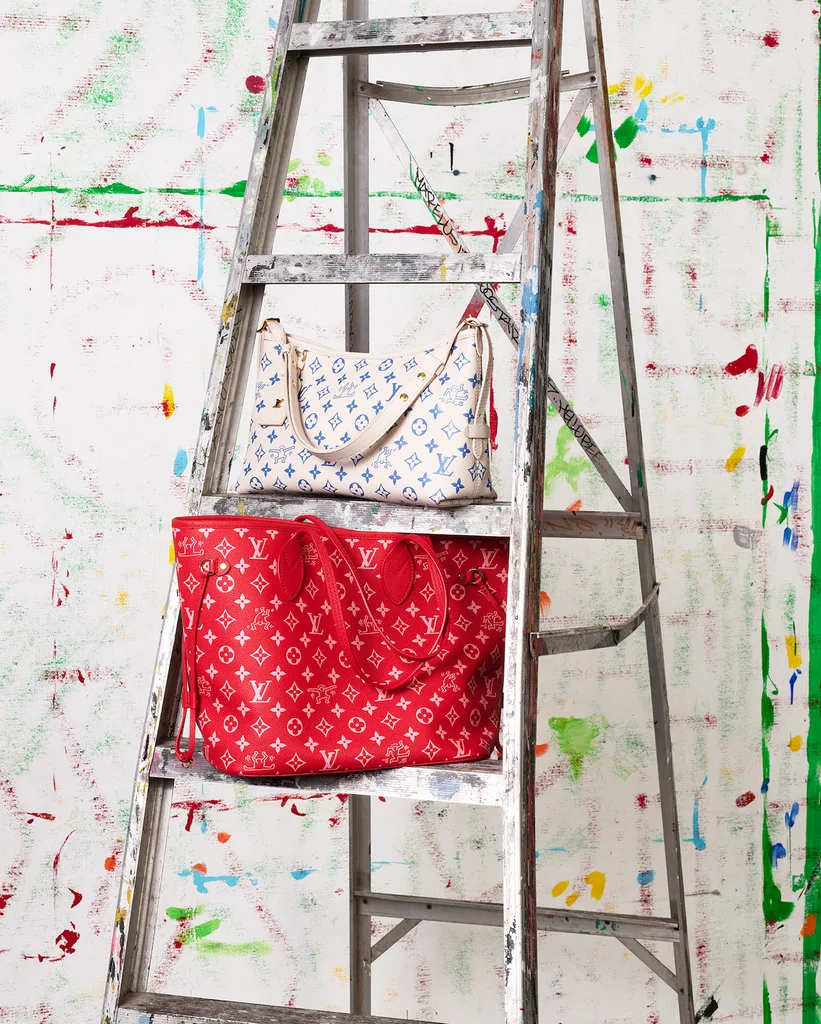
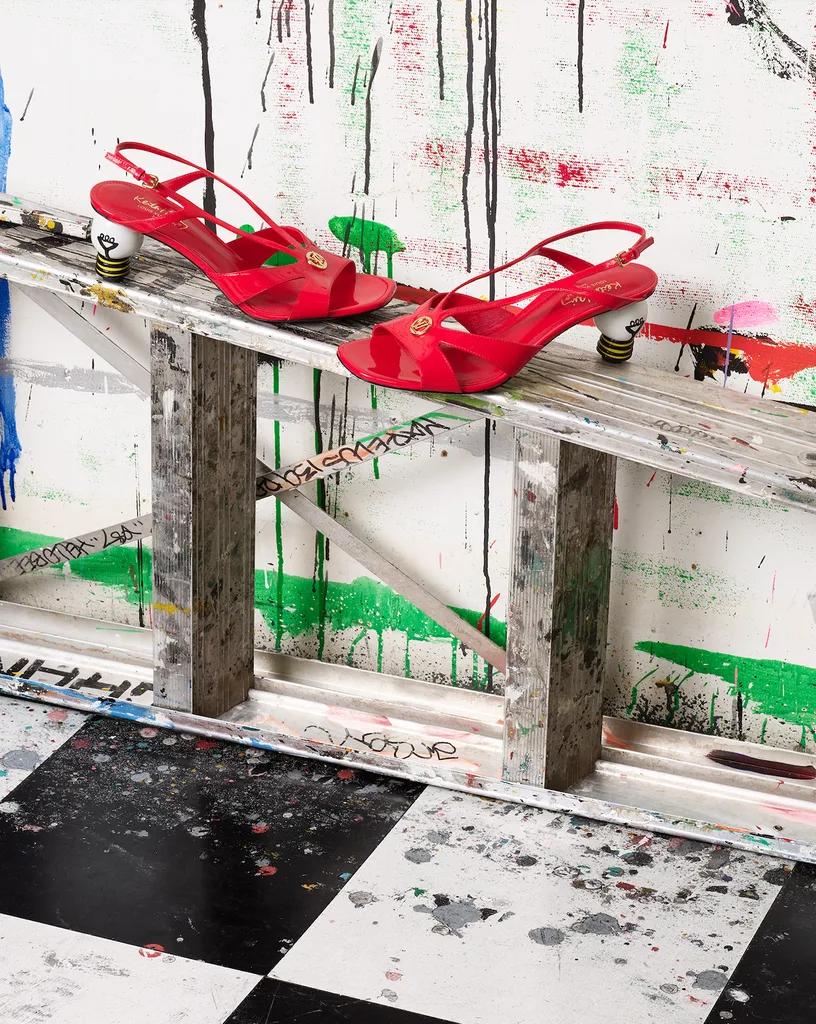
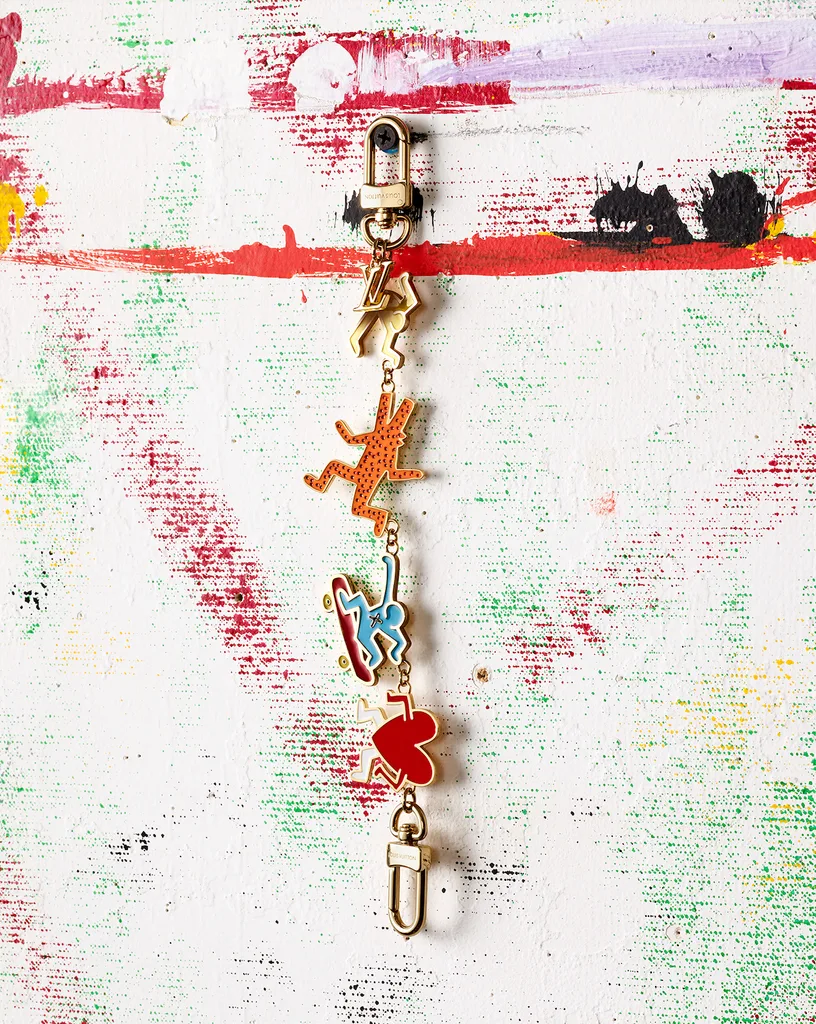
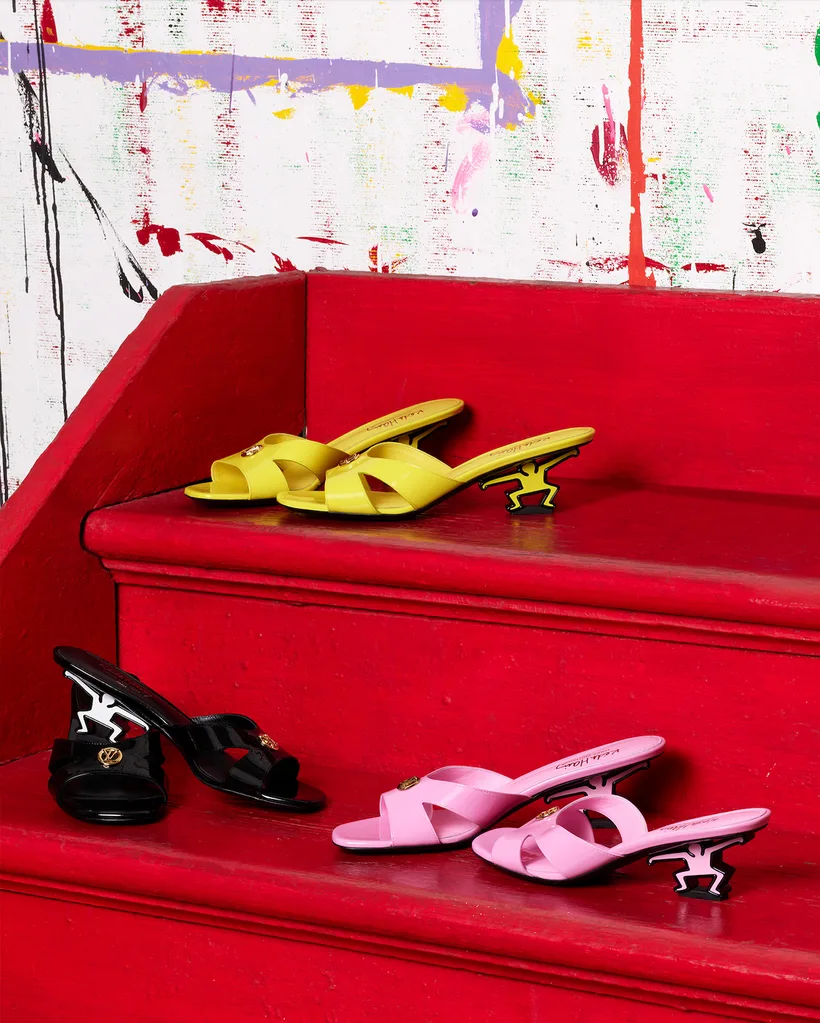
Then there’s Figures, arguably the most playful of the five. Haring’s dancing characters and running hearts appear across bags, knitwear and accessories, while sculptural shoes feature heels shaped like lightbulbs and animated figures. There’s even a vinyl-record-shaped handbag and pet accessories decorated with his illustrated cats and dogs.
Patches references Haring’s habit of customising his own jeans, including a clever knitted interpretation of denim, complete with embroidered details.
Finally, Maze transforms one of his intricate artworks into dramatically embellished dresses and handbags.
When Fashion Becomes Art
Perhaps the most extraordinary pieces belong to the Keith Haring Artycapucines collection.
First introduced in 2019, Louis Vuitton’s Artycapucines project invites artists to reimagine its signature Capucines handbag. Haring’s edition is the eighth instalment, featuring 13 limited-edition designs that turn his illustrations into collectible works of craftsmanship.
Selected pieces were unveiled at Art Basel Paris in October 2026, offering an early look at the elaborate techniques behind the collection.
One standout is the Capucines Nano Running Heart, a sculptural silver-toned bag decorated with more than 12,000 individually applied crystals. Elsewhere, the Capucines East-West Mini Maze recreates Haring’s intricate graphic patterns through elaborate beadwork.
The wider Maze collection is equally impressive, with some handbags requiring approximately 745 hours of work and around 540,000 individually applied beads.
These are less handbags than miniature works of art.
There’s an interesting contradiction at the heart of this collaboration. Haring spent his career challenging the idea that art should be reserved for the privileged few, while Louis Vuitton represents the pinnacle of exclusivity.
But Haring also understood the power of fashion and everyday objects to carry an artistic message. Whether it was a T-shirt sold in his Pop Shop, a pair of jeans he customised himself or a subway drawing seen by thousands of commuters, he believed creativity could exist anywhere.
Perhaps that’s what makes this collection such a fitting tribute. More than three decades after his death, Haring’s artwork continues to transcend generations, cultures and creative boundaries.
And in a fashion world that can sometimes take itself a little too seriously, there’s something rather wonderful about celebrating an artist who believed creativity should be part of everyone’s life.

Related stories

Native ad body.

Native ad body.



Native ad body.