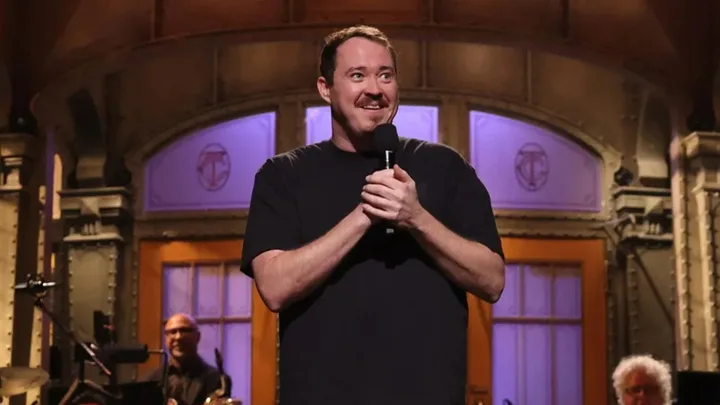
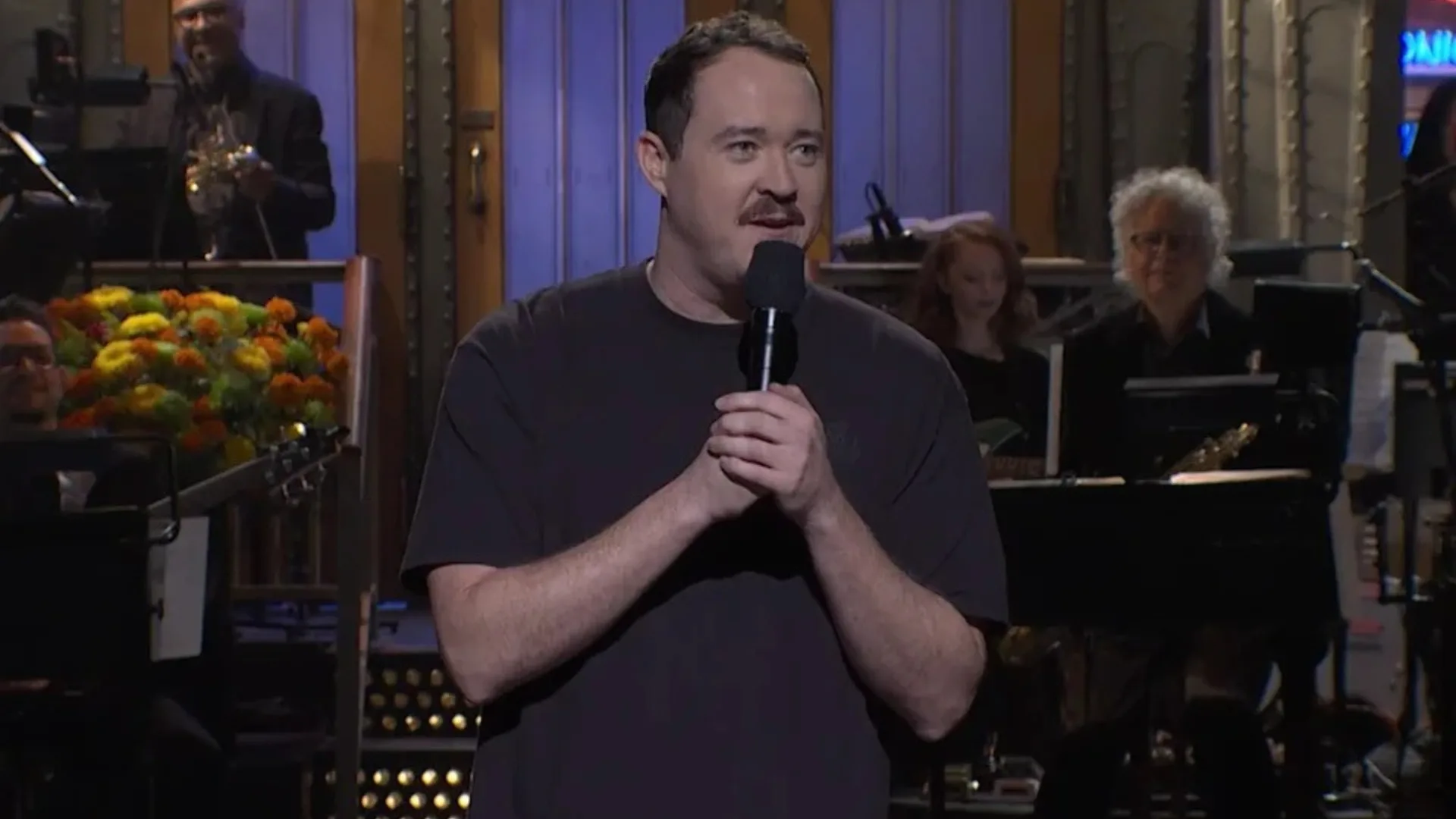
I don’t know about you, but I’m tired of comedy being used as a Trojan horse for casual misogyny. In case you missed it, comedian Shane Gillis hosted Saturday Night Live (SNL) on the show’s October 10th episode, using his opening monologue to target women for simply existing in a public space.
Under the guise of a bit about returning to the gym making a crude attempt at a joke that women “dress like whores”.
“Have you seen it? I’ve seen it. You’ve seen the shorts?” he asked the audience, eliciting a smattering of chuckles that sounded suspiciously like they belonged exclusively to the men in the room.
Gillis then compared the colours of the gym shorts to “neon, like artificial bait-coloured”. The choice of the word ‘bait’ isn’t coincidental; it suggests women are active instigators, inviting men to ogle and comment on their bodies simply by wearing gymwear to a gym.
It didn’t end there as Gillis jokingly warned: “You’re not allowed to look…because they’re filming!”
The underlying insinuation? That Men should only refrain from objectifying women when there is a risk of being caught on camera.
While misogyny masked as stand-up comedy is hardly new, it lands with particular weight in the wake of cases like the Cornell Seven, exposing the pervasive derogatory ways men speak about women in private.
The fact of the matter is: it’s never just a joke.
A 2015 study published in HUMOR, titled Sexist Humor and Social Identity, demonstrated a direct link between sexist jokes and male identity threat.
“Sexual harassment, including sexist jokes, can be a response to male identity threat and a way to re-establish the intergroup hierarchy, occasionally blurring the line between humor and harassment.”
Furthermore, a landmark 2008 study, More Than ‘Just a Joke’: The Prejudice-Releasing Function of Sexist Humour, found that “sexist humour creates a context in which men with sexist attitudes can defend the gender status quo”, essentially normalising the attitudes.
While the telling of misogynistic jokes serves to normalise misogynistic behaviour, SNL’s decision to have Gillis host for a third time similarly sends a message to viewers that his well-documented views are socially acceptable. The comedian was, in fact, fired from the show in 2019 before he had the opportunity to make his debut, over resurfaced jokes based on Anti-Asian slurs and homophobia.
Still, he was invited back to host not once, not twice, but three times.
During his 2025 hosting monologue, Gillis even made light of the incident, saying, “I was fired from this show a while ago… don’t look that up.”
“I probably shouldn’t be up here, honestly”, Gillis said as though he knew he was about to insult millions with his offensive, bro-heavy “humour”. He was right about that much.

Related stories

Native ad body.
Native ad body.


Native ad body.