

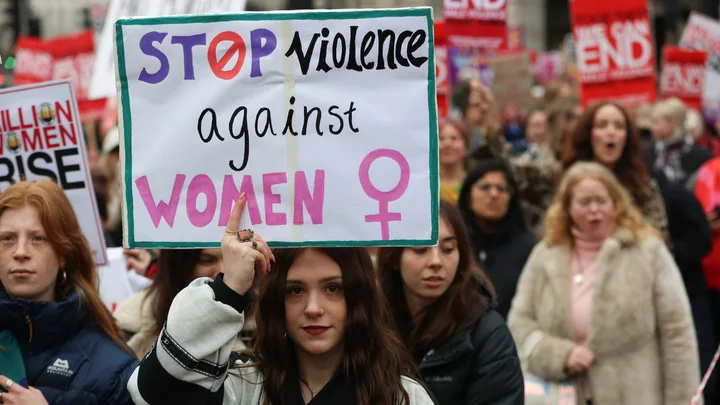
Trigger Warning: This article discusses domestic abuse. If you need support, contact 1800RESPECT on 1800 737 732.
In Australia, on average, one woman is killed every nine days by a current or former partner. So far in 2026, reports reveal that 42 women and 17 children have lost their lives as a result of violence.
According to Samantha Hall, Head of Crime and Justice Statistics at the Australian Bureau of Statistics (ABS), family and domestic violence (FDV)-related offences have risen in recent years. In the 2024–25 financial year, there were 97,800 FDV offenders recorded, an 8% increase from 90,700 offenders in 2023–24. More than three-quarters of FDV offenders were male.
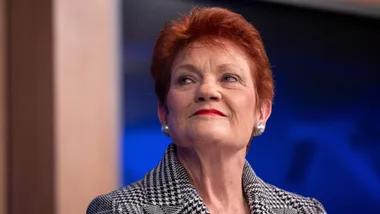
Pauline Hanson’s recent remarks that domestic violence is a “two-way street” and that women are perpetrators too highlighted a common defence tactic used to obscure the gendered reality of domestic violence.
While anyone can experience family, domestic and sexual violence, evidence consistently shows that women are disproportionately affected, and that violence against women in Australia is overwhelmingly perpetrated by men. Despite its epidemic proportions, domestic violence should not be resigned to as inevitable.
The drivers behind this violence are rooted in broader social attitudes and structures, including a long history steeped in misogyny and the perception that women are less worthy or deserving of equality. While attitudes towards gender equality have improved over time, the persistence of harmful beliefs shows that these ideas continue to exist and fester in 2026.
Research demonstrates that people who are ambivalent about, or opposed to, gender equality are more likely to hold attitudes that justify or minimise violence against women.
When contextualised alongside the rapid growth of online communities collectively known as the manosphere, the increasing dissemination of misogynistic ideologies and the normalisation of harmful gendered narratives reveal a concerning connection between digital ecosystems of hate and the attitudes that underpin gender-based violence.
A report commissioned by Movember found that 68% of Australian men aged 16 to 26 engage with masculinity influencers, and 38% have acted on their advice. For some young people, seemingly harmless self-help, dating or fitness content can become a gateway into increasingly extreme online spaces, where hostility towards women and rigid ideas about masculinity are normalised.
For many young people who spend significant time online, exposure to this content can influence their mental health, wellbeing, attitudes and behaviours. Social media algorithms are designed to show users content they are likely to engage with, and when someone interacts with, or watches harmful or discriminatory material (even out of curiosity), platforms may continue to feed similar content, creating a pathway towards increasingly extreme ideas.
However, online environments are not fixed. Young people can be encouraged to think critically about the content they encounter, particularly when something makes them feel uncomfortable or upset. Engaging with respectful, positive and diverse content can help shape a healthier online experience.
It is also important for young people to understand they can block, mute or report accounts and posts that promote harmful or disrespectful content. These actions can reduce exposure to similar material and may contribute to the removal of harmful content from platforms.
The relationship between the spread of misogynistic ideas online and the ongoing epidemic of gendered violence is deeply concerning but unfortunately, social media is just one incubator where harmful beliefs can grow and spread, existing alongside broader social, cultural and systemic factors that contribute to violence against women.
There are certain groups within Australia that face increased risks due to the way gender inequality intersects with other forms of discrimination and disadvantage. Research from the Australian Institute of Family Studies shows that women are at increased risk of experiencing intimate partner violence during pregnancy. The Royal Commission into Violence, Abuse, Neglect and Exploitation of People with Disability has also found that women with disability in Australia are twice as likely to have experienced sexual violence over their lifetime compared with women without disability.
Aboriginal and Torres Strait Islander women and girls also experience disproportionately high rates of violence. The Domestic Violence Resource Centre has reported that they are 27 times more likely to be hospitalised due to family violence-related assaults. As with violence against women more broadly, the majority of perpetrators are men, including both Aboriginal and non-Indigenous men.
While some people may continue to view violence against women as an issue that does not affect them, its impacts are far-reaching. Violence against women has profound and long-term consequences for women’s health and wellbeing, as well as for families, communities and Australian society as a whole.
Based on 2016 analysis by KPMG, violence against women and their children costs Australia $21.7 billion each year, highlighting the significant social and economic impact of this issue.
While Australia has made progress in addressing this ongoing crisis, there is still much more to do. Ending violence requires a collective national effort. No single person, organisation or sector can create this change alone. Individuals, families, communities, workplaces, organisations and systems (including education, health and the legal system) all have a role to play in addressing the drivers of violence.
While it can be easy to adopt an “out of sight, out of mind” mindset when faced with confronting issues like this, this is the reality many women continue to endure. The fact that it has not happened to you, or that you may not know someone directly affected, does not diminish the significance or urgency of the issue. While 2026 reflects decades of progress towards greater equality, we still have a long way to go before everyone can experience safety, respect and equality.

