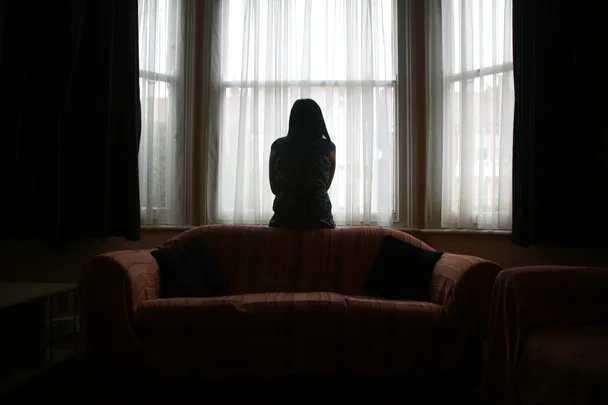
Trigger Warning: This article discusses domestic violence
As millions tune in for tonight’s State of Origin decider, advocates are once again warning that major sporting events can trigger a dangerous spike in violence against women — a pattern experts say continues to demand urgent attention.
The warning comes following a 2018 report which revealed the popular sporting event brings out something more sinister than mateship.
State of Origin nights sees a 40 per cent increase on average in domestic assault and about a 70 per cent increase in non-domestic assaults, research shows. The Foundation for Alcohol Research and Education, which commissioned the study in 2017, is calling on rugby league administrators to do more to reverse the trend.
The data was drawn from six years from the NSW Bureau of Crime Statistics and Research (BOCSAR). Last year, the number of family violence assaults reported on May 31 – the day of the year’s first State of Origin game – was 47, falling to 23 by the following week.
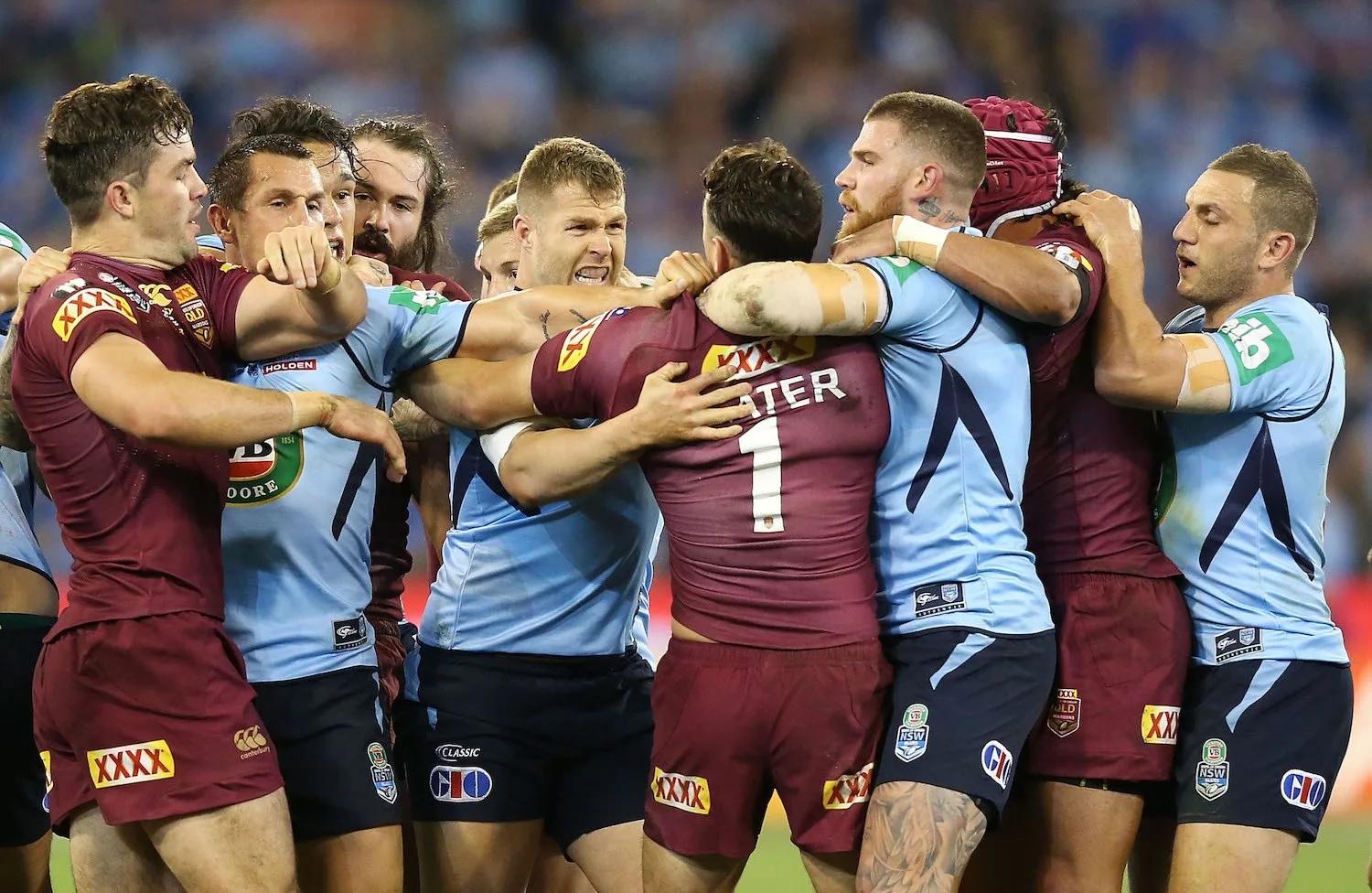
The study, compiled by the Centre for Alcohol Policy Research at La Trobe University, found no similar spike in Victoria, where State of Origin is not a major event.
Experts stress that rugby league itself is not the cause of domestic violence. Rather, researchers point to a combination of heightened aggression, heavy alcohol consumption, gambling losses, entrenched gendered attitudes and pre-existing abusive behaviour as contributing factors. In fact, the study’s findings are not in isolation.
A report by Lancaster University revealed that during the 2014 World Cup, the county of Lancashire saw an average of 79.3 reported domestic assaults on days when England played, compared to 58.2 per cent when they didn’t.
Naomi Pearce, psychological counsellor and family violence specialist told marie claire that for a victim-survivor, “the night may not begin at kick-off. It begins much earlier, with the private calculation: keep the house calm, keep the children settled, do not interrupt, do not react, do not make yourself a target. That is the emotional labour of living with control.”
She says for many victim-survivors, the abuse extends far beyond physical violence and is instead rooted in coercive control, a pattern of behaviour that can become more pronounced during emotionally charged events.
“The common thread is not one argument. It is a pattern where one person becomes smaller, quieter and less free because they are constantly trying to avoid another person’s anger.”
Pearce says children living in abusive households are also deeply affected, even if they are not directly assaulted.
“A child in that home is not simply hearing yelling. They are learning the emotional weather system of the house and how to survive it.”
While State of Origin often draws attention to the issue, Pearce says similar patterns can emerge around Christmas, New Year’s Eve, grand finals and other major events where alcohol, gambling and heightened emotions are common.
“The event is not the fire. It is the wind. If coercive control is already burning inside a home, these nights can make the danger move faster.”
Ahead of tonight’s decider, Pearce is urging Australians to look beyond the scoreboard and check in on those around them.
“For most Australians, Origin is about pride, tradition and enjoying the game with family and friends. But for some people, it is one of the most stressful nights of the year.
“Look out for the people around you. Check in if something feels wrong. Trust the subtle signs. If someone seems frightened, withdrawn or unusually anxious about getting home, do not dismiss it.
“No team, no scoreline, no lost bet and no amount of alcohol ever justifies intimidation, control or violence. Everyone deserves to feel safe in their own home.”
If you are impacted by assault, domestic or family violence call 1800 RESPECT (1800 737 732) or visit 1800RESPECT.org.au. If you need help immediately, please call 000.


Related stories
Native ad body.

Native ad body.




Native ad body.