Have you ever wondered how far you’d go for love? Or how dangerous desire can become once it curdles into obsession? The terrifying 2026 horror film Obsession explores exactly that, transforming loneliness, longing and emotional dependency into something grotesque enough to become fatal.
At first glance, the film appears to follow the familiar architecture of a Monkey’s Paw-style horror story: a seemingly innocuous wish that gradually metastasises into catastrophe, evoking the oldest “be careful what you wish for” cautionary tale.


But director Curry Barker uses that supernatural premise to interrogate something far more insidious — the misogyny, entitlement and desire for control that can lurk beneath the cultivated harmlessness of the so-called “nice guy.”
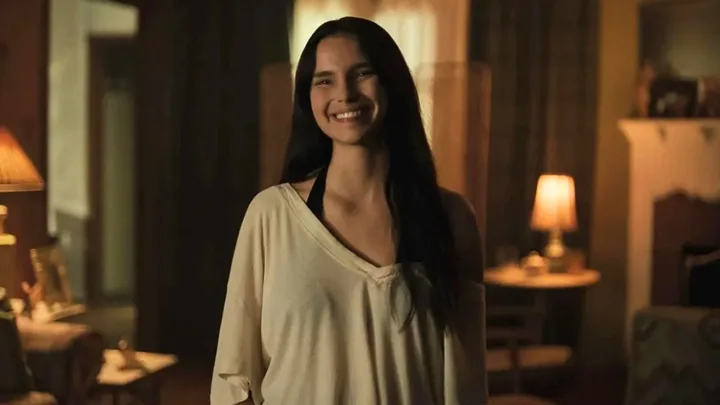
The film centres on Barron “Bear” Bailey (Michael Johnston), an awkward, deeply anxious twentysomething who has quietly harboured feelings for his long-time friend Nikki Freeman (Inde Navarrette) for years.
Desperate for her affection, yet too paralysed by insecurity to confess his feelings, Bear uses a novelty toy called the “One Wish Willow,” which promises to grant a single wish once broken. The wish? You guessed it: for Nikki to “love him more than anything else in the world.”
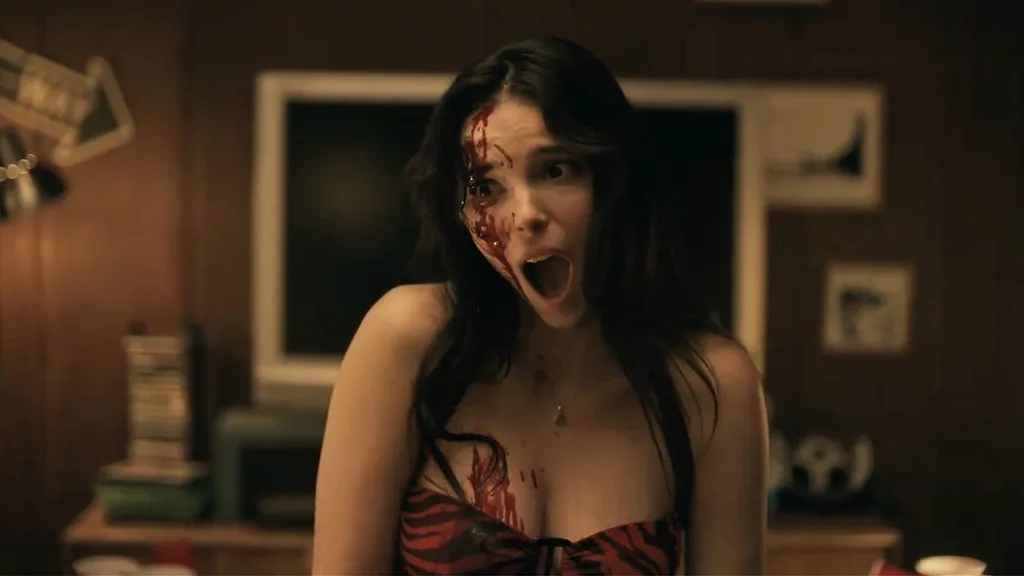
What initially seems harmless quickly spirals into something horrifying. Once the wish takes hold, the Nikki audiences briefly came to know — kind, ambitious, intellectually curious — is slowly eclipsed beneath the weight of Bear’s desire. She abandons her ambitions, relationships and even her most basic human needs in order to remain devoted to him.
Inde Navarrette delivers one of the year’s most unsettling performances, transforming Nikki’s affection into something vacant, feverish and grotesquely inhuman. Yet the film’s true horror lies not in the supernatural itself, but in the slow annihilation of a woman’s interior life as she is reduced to little more than a vessel for somebody else’s desire.
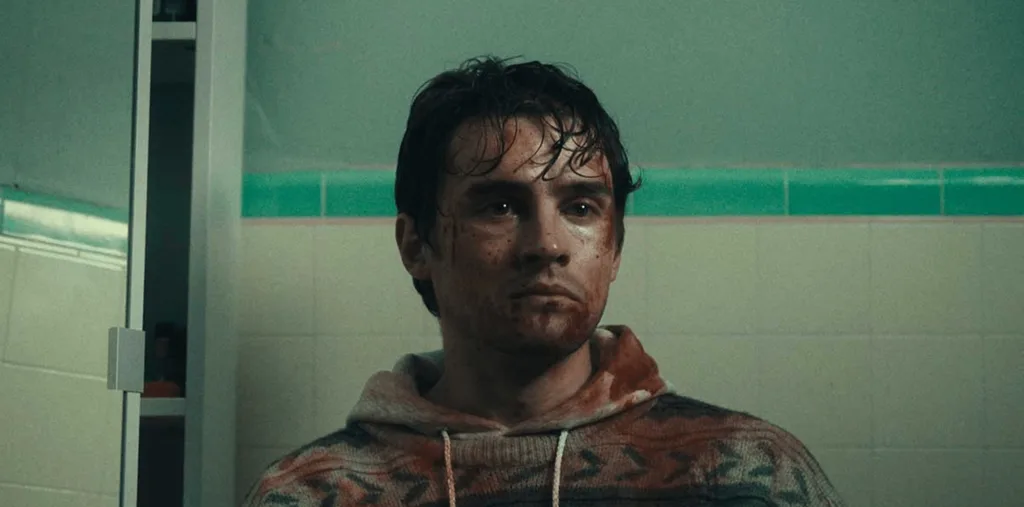
Although Bear could never have predicted the exact way the wish would manifest, Obsession makes it painfully clear that he still willingly participates in Nikki’s destruction. Even after realising her feelings are not genuine, he struggles to relinquish control.
That is ultimately what makes Bear so terrifying. He is neither a conventional villain nor a supernatural entity lurking in the shadows, but something far more unsettling in his ordinariness — a man incapable of recognising where love ends and entitlement begins.
The film repeatedly emphasises that while everyone deserves connection, nobody is owed another person’s affection, body or devotion. Bear would rather manipulate Nikki’s free will than risk rejection.
Most women recognise some iteration of him: the “nice guy,” the man who mistakes attention for ownership, interprets rejection as cruelty, or quietly believes his loneliness entitles him to intimacy.
Christine Rafe, Lovehoney’s Sex and Relationship Expert, says the film captures the dangerous shift that occurs when kindness is treated not as character, but strategy.
“When kindness becomes a ‘strategy’ for getting a specific outcome from someone, rather than a way of treating them, it’s not being ‘nice’,” Rafe explains. “You can see the shift most clearly in how someone responds when their efforts aren’t reciprocated. A person who is genuinely kind because that’s who they are will be disappointed if a relationship doesn’t develop, but they’ll respect the other person’s choice.
“The ‘nice guy’ pattern is different, because the niceness was the strategy, not the character. When the strategy doesn’t deliver, the niceness curdles. The shift into coercion happens at the moment the other person’s ‘no’ stops being a boundary to be respected and starts being a problem to be solved or convinced otherwise. It’s not a sudden flip from good to bad, it’s actually the same behaviour being revealed for what it always was.”
The film arrives at a moment where conversations around male entitlement, loneliness and misogyny feel impossible to ignore. In the aftermath of the viral “man versus bear” debate, rising concerns around manosphere culture and the mainstreaming of red-pill ideology, Obsession taps directly into anxieties already simmering beneath the cultural surface. Audiences are not simply reacting to the gore or jump scares; they are reacting to the unsettling familiarity embedded within it.
Rafe says popular culture has long romanticised behaviours that are, in reality, rooted in control.
“We have been so culturally conditioned to read the wrong things as love,” she explains. “Intensity isn’t always intimacy, possessiveness isn’t passion or romantic obsession, and jealousy isn’t proof of how much someone cares about you.”
She points specifically to behaviours often disguised as affection in the early stages of relationships.
“The need for constant contact is one of the biggest red flags,” she says. “This is the partner who constantly needs to know where you are, who you’re with and what you’re doing. It’s often framed as ‘I just miss you’, but it’s usually motivated by possessiveness and control.”
Though Nikki technically survives, there is nothing triumphant about her ending. By the film’s conclusion, she is left carrying the trauma of actions committed while stripped of agency, returning to a body that has been brutalised, used and psychologically shattered.
Bear may be fictional, but the kind of man he represents is painfully real. While the violence in Obsession is undeniably grotesque, the film distinguishes itself within the horror genre because its deepest unease does not emerge from bloodshed or spectacle, but familiarity.
Beneath its supernatural premise lies something far more unsettling: the recognition that the most frightening men are often not those who see themselves as monsters, but those convinced their desire — however possessive, coercive or destructive — is simply love in another form. The film’s most disturbing provocation is not whether audiences fear for Nikki, but whether, under the right conditions, they might recognise traces of Bear in somebody they know — or even themselves.

Related stories
Native ad body.

Native ad body.



Native ad body.