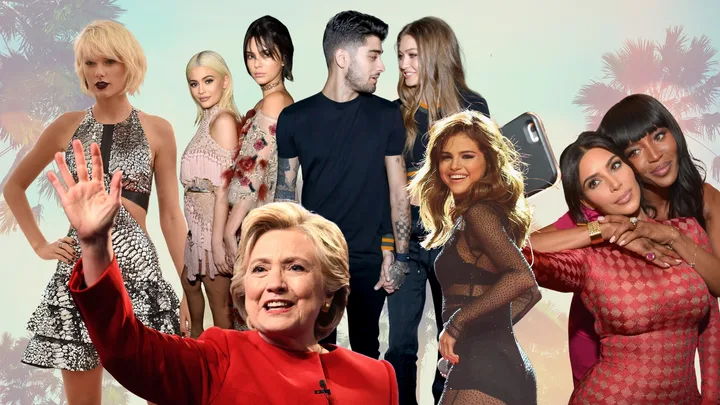
The first notable cultural movement of 2026 has not been forward-looking. It has been a retreat. As the year opened, the internet quietly at first, then unmistakably, decided to go backwards.
“2026 is the new 2016,” users have declared, pairing the line with rose-tinted filters and photo dumps pulled straight from the mid-2010s. Flower crowns, dog-filter selfies, Starbucks cups, Kylie Jenner lip kits, Triangl bikinis, balayage experiments and early contour attempts have all resurfaced, the visual language of 2016 reproduced with near-perfect fidelity.
Nearly everyone is in on it, from influencers and celebrities to everyday users, and the mood is more cosy than chaotic. Scrolling has become a warm blur of throwbacks, with every few posts offering another reminder of a decade ago.
It has been ten years since 2016, a sentence that still feels emotionally implausible. Instead of marking the milestone with something new, the collective response has been to look back.
TikTok searches for “2016” have surged, and the soundtrack has followed suit. Desiigner’s “Panda”, Rae Sremmurd’s “Black Beatles”, DJ Snake and Major Lazer’s “Lean On”, The Weeknd’s “Starboy”, Justin Bieber’s “Love Yourself”, Drake, Rihanna and The Chainsmokers are all back in heavy rotation.
Public figures have naturally joined in. Kylie Jenner has posted old Coachella looks and early glimpses of Kylie Cosmetics. Rae Sremmurd have resurfaced their own Mannequin Challenge. Charlie Puth is lip-syncing to “We Don’t Talk Anymore” under the 2016 filter, captioned “heard it was 2016 again?”
Billie Eilish has shared a black-and-white photo of her 14-year-old self. The images are nostalgic, slightly wistful and are being met with enthusiastic recognition.
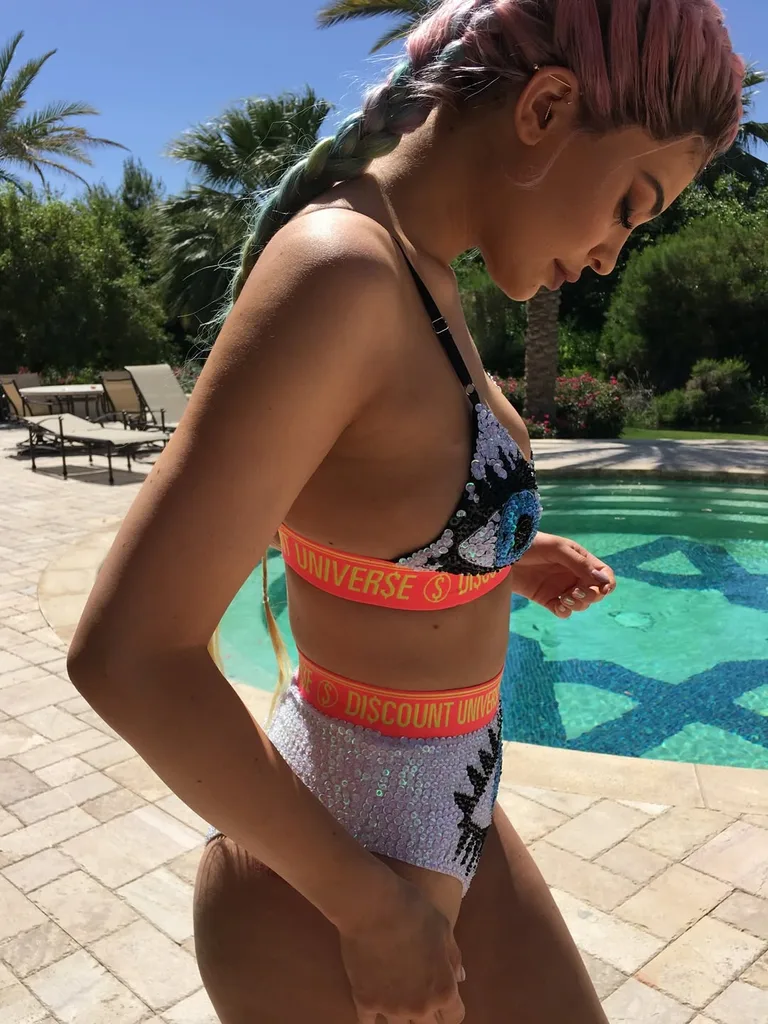
What people are really reaching for, though, is not a particular image but a mood. A version of the internet that felt lighter, looser and less engineered.
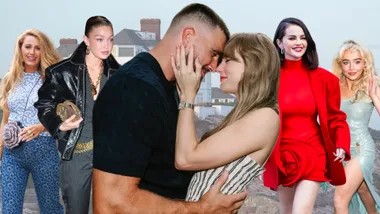
There is genuine pleasure in the recall. Pokémon Go sending adults wandering city streets together. Beyoncé in yellow, ruffled Roberto Cavalli. Fendi presenting its FW16 collection at the Trevi Fountain. The endless discourse around Taylor Swift’s celebrity squad.
Of course, this nostalgia is selective. 2016 also gave us Brexit, Trump, creepy clown attacks and the deaths of cultural icons from David Bowie to Muhammad Ali. “F**k 2016” trended for a reason.
But time has a way of softening things. The mess blurs and the disorder reframes itself as charm. This is why 2016 is being positioned as refuge, not because it was better, but because it came before everything became monetised, optimised and mined. As AI floods feeds and content becomes increasingly synthetic, the pull towards imperfection is growing, towards mess, towards things that feel unpolished and unplanned.
With all its aesthetic clutter and cultural noise, 2016 has become shorthand for a time when the internet still felt human.

Related stories
Native ad body.
Native ad body.
Native ad body.