

Trigger Warning: This article discusses murder, self-harm and mental health.
NEED TO KNOW
- The prosecution rested their rebuttal case on Wednesday, August 26.
- Closing remarks will take place Thursday, August 27.
- Lindsay Clancy did not take the stand, either for the prosecution or in her own defence.
- Following the closing remarks, the case will then be handed to the jury for deliberations, which can last anywhere from a few minutes to several weeks.
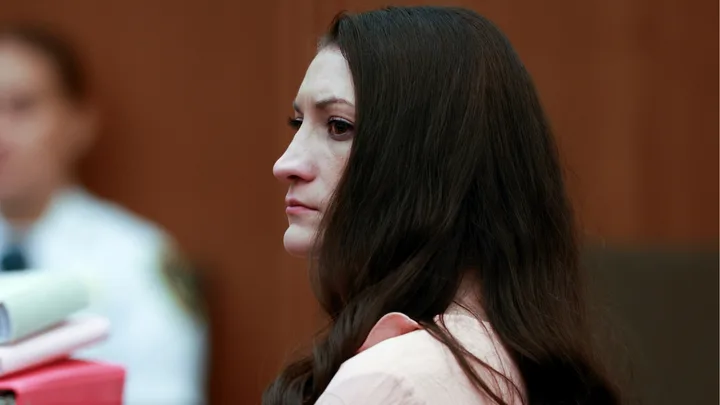
The Lindsay Clancy murder trial has become one of the most heartbreaking and closely watched court cases in recent memory. Clancy is currently on trial for three counts of first-degree murder in connection with the deaths of her three children.
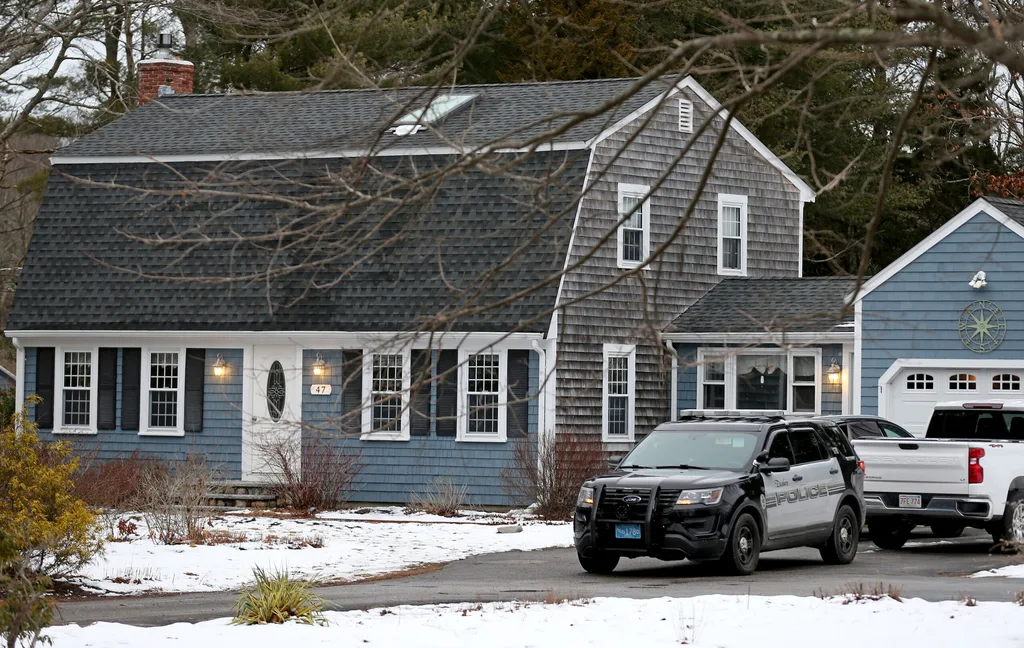
On the evening of January 24, 2023, her then-husband, Patrick Clancy, left their home in Duxbury, Massachusetts, to pick up takeout for dinner for Lindsay and their three children. When he returned less than an hour later, the house was eerily quiet, and the bedroom door was locked.
He soon found Lindsay lying in their backyard, barely conscious. She had cut both her wrists and neck and jumped from the second-story window, telling him she had tried to kill herself. When paramedics arrived to help Lindsay, Patrick discovered the couple’s three children, Cora, 5, Dawson, 3, and Callan, 8 months old, in the basement, where they had been strangled with exercise bands. All three were later pronounced dead.
RELATED: Why All Eyes Are On Patrick Clancy In A Trial By Social Media
Lindsay Clancy, a former labour and delivery nurse, survived, though she was left partially paralysed. She has pleaded not guilty, with her lawyers arguing that she was suffering from severe postpartum mental illness at the time of the killings.
Now, more than three years later, her trial is drawing to a close. Online sleuths have pored over the evidence presented in court, from DNA reports and references to the particulars of what unfolded in the aftermath.
Ahead, everything that has unfolded so far.
When Is Lindsay Clancy’s Verdict Date?
The murder trial of Lindsay Clancy is entering its final stages after the defence rested its case last Friday. Prosecutors began presenting their rebuttal testimony on Monday, with their case resting on Wednesday, a common progression in cases involving an insanity defence.
Closing arguments will commence Thursday, August 27. The case will then be handed to the jury for deliberations.
Did Lindsay Clancy Take The Stand?
No, Clancy was not called to testify by the prosecution after previously invoking her Fifth Amendment right to remain silent. Her defence attorney, Kevin Reddington, also chose not to put her on the stand.
Legal analyst and author Margaret McLean, a former Essex County prosecutor and Boston College law professor, told The Patriot Ledger that doing so would have been “too risky.”
“…it would expose her to devastating cross examination by the prosecution,” McLean said. “She’s so emotional. I think she’d really have a hard time on the stand,” she added.
Day 21:
Forensic psychiatrist Dr. Gregory Saathoff continued his testimony for the prosecution, arguing that Clancy was able to carry out a series of actions “methodically” within the short window of time she had alone with her children, which he said “indicated that she had control”.
Saathoff maintained that “Ms. Clancy was suffering from a mental disease or defect”, and that he felt, “a bipolar 2 diagnosis seemed to make the most sense given her symptoms of insomnia, precipitated by the Zoloft.”
During Reddington’s cross-examination, the defence attorney challenged Saathoff’s assessment that Clancy was criminally responsible, pointing to her severe insomnia, intrusive thoughts, calls to suicide hotlines, postpartum hormonal changes and concerns about her medications.
Saathoff acknowledged that insomnia can contribute to psychosis and that hormonal changes following childbirth can affect brain chemistry. Reddington also highlighted that Clancy had called a suicide hotline twice in 2022, asking Saathoff “what kind of devastating effect” it could have to be turned away twice. Saathoff agreed it could have a serious effect.
Reddington also challenged Saathoff’s expertise in postpartum pyschosis, noting that he had not specifically published research on auditory hallucinations.
On redirect, prosecutor Jennifer Sprague reinforced Saathoff’s view that Clancy remained in control of her actions, highlighting his experience treating psychosis and postpartum mental illness. Saathoff defended Dr. Jennifer Tufts’ treatment of Clancy as “very reasonable” and maintained that Clancy’s symptoms were consistent with bipolar 2 disorder.
Following this, Sprague rested the prosecutions case. Reddington then requested a manslaughter instruction which Judge William Sullivan agreed to.


Reddington and Sprague will both have an hour to present their closing arguments on Thursday, August 27 (EDT).
Day 20: Two Prosecution Psychiatrists Take The Stand
Forensic psychologist Dr. Kirk Heilbrun continued his testimony on Day 20 for the prosecution’s rebuttal. He testified that Clancy suffered from severe depression and dissociation but was not psychotic.
He concluded that she was aware of her actions, stating, “She retained an awareness of the illegality of killing others, including killing her children.”
Reddington’s cross examination of Heilbrun for the defence revealed his limited experience with postpartum depression and psychosis.
Reddington also emphasised that Heilbrun interviewed Clancy approximately three years after the killings. Heilbrun agreed with Reddington’s statement that “it’s better to examine someone sooner rather than later.”
He also admitted that the medications Clancy had been prescribed had the “opposite” effect of what was intended.
The prosecution then called their last rebuttal witness, forensic psychiatrist Dr. Gregory Saathoff. He testified that Clancy told him she repeatedly heard a male voice commanding her to kill her children and herself on January 24, 2023. However, Saathoff said her account differed from medical records and other statements, including when she first heard the voice and the order of events.
He also testified that it is rare for someone experiencing psychosis to immediately act on a command hallucination or for the voice to stop after the act.
Saathoff is expected to continue his testimony tomorrow.
Day 19: Defence Moves For A Mistrial
Reddington continued his cross-examination of Dr. Avram Mack, with the psychiatrist stating he found no evidence that Clancy was experiencing psychosis. Reddington said Clancy was experiencing nine out of the 10 symptoms of psychosis.
Reddington then listed some of the symptoms, including hearing voices and voice commands, to which Mack agreed that would be a serious sign of psychosis.
The prosecution’s second expert witness, Dr. Kirk Heilbrun, said he diagnosed Clancy with bipolar 2 disorder, and while he believes she had “unwelcome and intrusive thoughts”, they were not auditory hallucinations.
Heilbrun also noted that hearing a voice, “provides a convenient way of lessening your own culpability.”
Heilbrun, who is a professor that performs forensic psychological evaluations for judges and attorneys, also began to steer his testimony to talk about the concept of “mortal sin,” which had been brought up earlier in the trial when Assistant District Attorney Jennifer Sprague also mentioned mortal sin during her questioning of Sue Clancy, Lindsay Clancy’s ex-mother-in-law.
At the time, Reddington objected and the jury was ultimately instructed to disregard it. However, this time Reddington moved for a mistrial, stating, “this is intentional misconduct on the part of the prosecution.”
He continued, “at this point, … this is just over the top. It’s the same thing again, talking about religion. Talking about heaven.”
While Judge William Sullivan denied the mistrial, he said Heilbrun’s “understanding of Catholic teaching is irrelevant,” and asked the prosecution to “talk to him” and “let him know that you can’t go into that.”
Sullivan told the jury to disregard that portion of Heilbrun’s testimony and dismissed them for the day.
Day 18: Defence Rest Their Case & Prosecutorial Rebuttal Begins
The last witness in the defence’s case, forensic psychiatrist Phillip Resnick, testified that Clancy was experiencing psychosis and believed an external force was controlling her actions when she killed her children. He characterised the killings as “altruistic filicide,” arguing she believed she was protecting her children by taking them with her to heaven.
Resnick said Clancy suffered from severe depression and bipolar 2 disorder, with postpartum onset, and that a command hallucination drove her actions. He argued she was unable to control her behaviour or understand its wrongfulness at the time.
“Not only did she hear a command, but she felt that her body was taken over by an external force where she was in a dream state and did not have control of her own body,” he said.
“It was almost like she was a puppet and someone else was pulling the strings.”
After Resnick concluded his testimony, defence attorney Kevin Reddington rested Clancy’s defence case.
Following this, the prosecution began to present its rebuttal case, calling three witnesses as the trial moves toward closing arguments. Prosecutorial rebuttal is a standard part of cases involving an insanity defence.
Psychiatrist Dr. Avram Mack testified that Lindsay Clancy retained the ability to understand right from wrong and control her actions when she killed her children. He diagnosed her with major depressive disorder but found no evidence of psychosis or mania.
During cross-examination, defence attorney Kevin Reddington challenged Mack’s expertise in postpartum psychosis and questioned his reliance on Clancy’s accounts, given her highly medicated state. Mack acknowledged that he did not conduct interviews with other sources regarding his investigation of Clancy.
The two also disagreed over the DSM-5’s (Diagnostic and Statistical Manual of Mental Disorders) definition of postpartum psychosis and how long the condition can occur after childbirth. Mack said Clancy reported hearing a male voice commanding her to kill her children and herself, but he maintained she remained criminally responsible.
The defence also challenged Mack’s assessment of Clancy’s medication history and treatment.
Day 17: Chaplain Sheila Cavanaugh Testifies While Hundreds Of Supporters Rally Outside Court

Brigham and Women’s Hospital chaplain Sheila Cavanaugh testified that Lindsay Clancy described hearing a persistent male voice that told her she and her children would not be safe if she disobeyed its commands.
“And the voice, according to Lindsay, told her that if she did not follow the command, neither she nor her children would be safe,” Cavanaugh testified.
Cavanaugh said Clancy first mentioned the voice during a conversation on January 31, 2023 and alluded to it several times while hospitalised.
During cross-examination, prosecutors highlighted that Cavanaugh’s detailed notes did not document Clancy hearing voices. Cavanaugh explained that chaplain notes are not clinical assessments or verbatim accounts of conversations.
Meanwhile, hundreds of women were gathered outside Plymouth Superior Court to support Lindsay and raise awareness about maternal mental health. Organiser Renee Kimball said the gathering was inspired by concerns about Clancy’s treatment and broader failures within the healthcare system.
Day 16: Psychologist Paul Zeizel Testifies & TikTok Creator Questioned As A Potential Witness
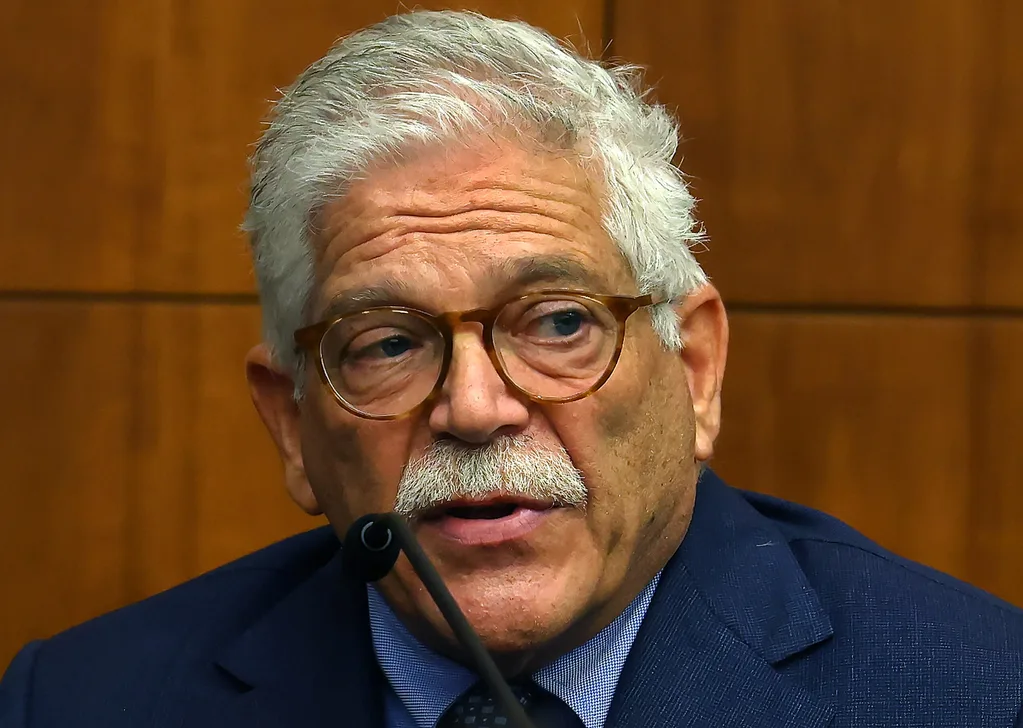
Psychologist Paul Zeizel continued his testimony, stating that he believed Lindsay Clancy was experiencing psychosis when she killed her three children in February 2023. He said Clancy told her husband she heard a male voice ordering her to kill the children and herself, and that she had no understanding that her actions were wrong.
“She had said she heard a male voice ordering her, telling her that she didn’t have any choice, but she had to kill her children and then kill herself,” Zeizel said in court.
He also testified that Clancy has not experienced auditory hallucinations since the killings but continues to think about her children almost constantly and has “bad days, and worse days.”
Prosecutors challenged Zeizel over potential confirmation bias and his close relationship with Clancy’s defence attorney, Kevin Reddington.
A former McLean Hospital employee, Emily Thorndike, testified outside the jury’s presence about staffing at the psychiatric facility where Lindsay Clancy was treated. Thorndike had discussed her experience in a viral TikTok, refuting claims that Clancy was regularly evaluated by mental health professionals during her five-day stay and that staffing was usually limited on weekends and holidays.
The defence sought to have her testify about those conditions, but prosecutors objected. After questioning Thorndike, the judge found her credible but ruled she could not testify before the jury because she had left McLean two years before Clancy was admitted.
After a break, Judge William Sullivan excused the jury until 9 a.m. tomorrow, citing an unexpected circumstance beyond the court’s control. He urged jurors not to speculate about the situation or hold it against either side.
“This is not something we saw coming. But you’re not to speculate about what it is; you’re not to hold it against either side. It’s just something that we have to deal with,” Sullivan said, adding that the proceedings remain on schedule.
Day 15: Lindsay Clancy’s Ex-Mother-In-Law, Susan Clancy, Testifies
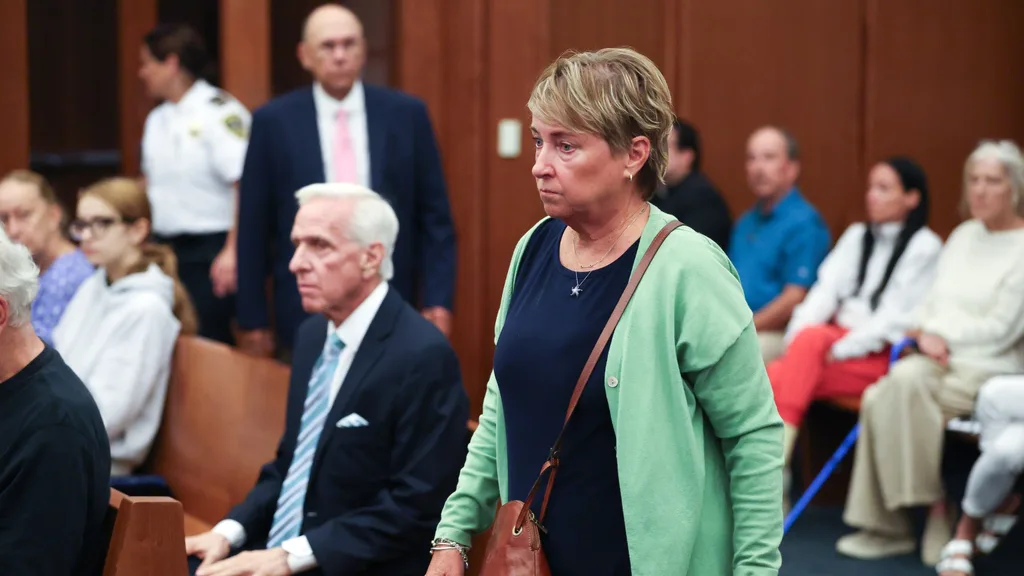
The 15th day of testimony focused on four defence witnesses, including Clancy’s former mother-in-law and three medical experts. Susan Clancy described Lindsay as a loving mother who was struggling with severe anxiety, insomnia and other mental health symptoms after childbirth and was “begging for help.”
Psychiatrist Donald Condie testified that her symptoms and treatment history could be consistent with postpartum psychosis, while forensic psychologist Paul Zeizel said Clancy was not faking her reported hallucinations. He testified that she described hearing a male voice ordering her to kill her children and herself.
Forensic pathologist Elizabeth Laposata discussed the children’s deaths by ligature strangulation and explained Clancy’s serious spinal injuries from her subsequent fall. The defence continues to argue that psychosis compelled Clancy’s actions.
Day 14: Kevin Reddington Begins Defence
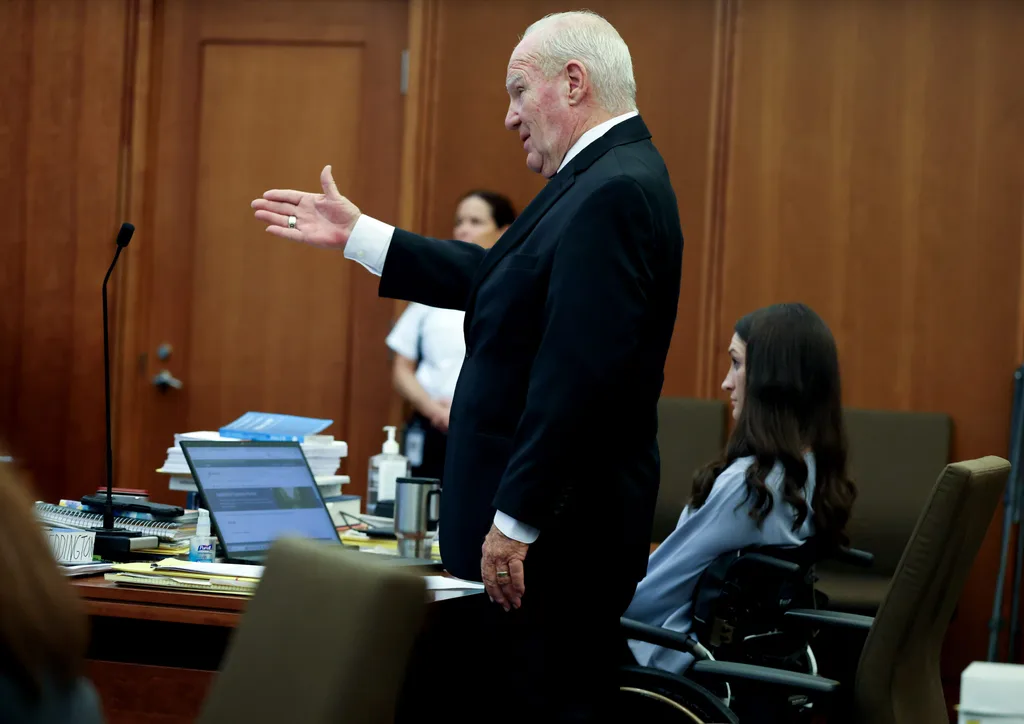
Prosecution completed their case, calling their final witness, Ian Whiffen, a digital intelligence specialist. Attorney Kevin Reddington then began presenting the defence’s case, continuing to argue that Clancy suffered from severe postpartum psychosis and was not criminally responsible when she killed her children.
Her mother, Paula Musgrove, and sister, Allison Ozga, took the stand, describing changes in Clancy’s behaviour, including anxiety, depression, hopelessness and suicidal thoughts in the months before the deaths.
Musgrove read aloud messages she had received from Lindsay, including one that said: “Mom, will you please come up and stay with me for a bit? I’m really sick. Something is wrong.”
Former nursing colleague Margaret Hamp also portrayed Lindsay as a caring and dedicated mother, saying she “loved being a nurse.”
The defence’s first medical witness, Dr. Michael Vulfovich, detailed Clancy’s extensive injuries following her suicide attempt, including wounds to her neck and wrists, spinal fractures and cardiac arrest.
Day 13: Lindsay Clancy’s Notes App
Jurors heard about internet searches linked to psychosis, hallucinations, intrusive thoughts and suicide, alongside searches the defence suggested may have been made by Clancy’s husband. Investigators also presented personal notes in which Clancy described depression, exhaustion, guilt and fears about her children, offering insight into her mental state before the killings.
The note read, in part: “I am sad and depressed because I’m not able to treat my third child like my first.” The excerpt continued, “I want to feel love and connection with all my kids… I want to be authentically happy and not fake.”
The defence continued challenging the prosecution’s interpretation of the electronic evidence, while prosecutors sought access to records of meetings between Clancy and a defence psychiatric expert. Overall, the focus was whether Clancy’s digital activity and personal writings supported the prosecution’s case or the defence’s argument about postpartum psychosis.
Day 12: Medical Evidence And Autopsy Analysis
The 12th day of testimony focused heavily on medical evidence. Medical examiner Barbara Olson testified that Cora and Dawson died from asphyxia caused by ligature strangulation, describing recent bruising and signs of hemorrhaging. Another examiner, Dr. Renee Stonebridge, discussed injuries to the children and explained that Callan’s brain had swollen after losing oxygen and blood flow.
The testimony was emotional, with Clancy crying as the autopsy evidence was presented. Earlier testimony from social worker Letiesha Dukes examined Clancy’s mental state in December 2022. Dukes said Clancy reported intrusive thoughts and feelings of not wanting to live but had not expressed a specific suicide plan, so she did not consider her an immediate danger.
Day 11: Concerns Lindsay May Have Been Overmedicated
Rebecca Jalotta, a psychiatric nurse practitioner who treated Lindsay Clancy at a perinatal mental health clinic in December 2022 and January 2023, testified on August 11. Lindsay and Patrick have both sued Jalotta for negligence and wrongful death, respectively.
Jalotta’s testimony raised questions about how well Clancy’s care was coordinated between her different healthcare providers.
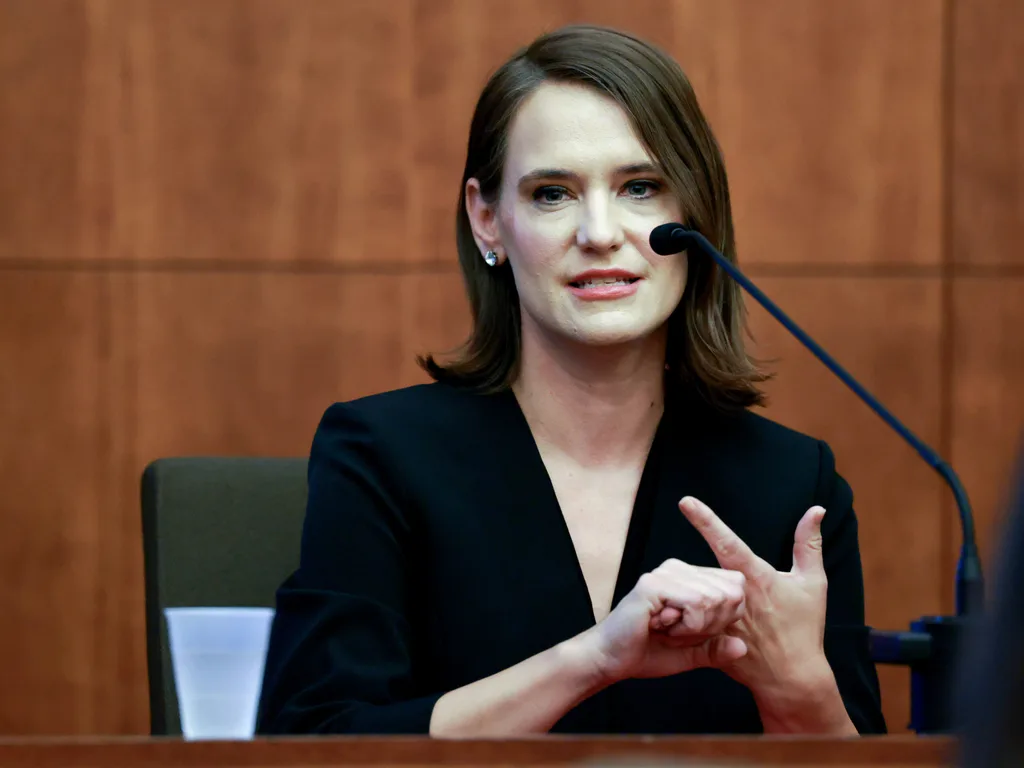
Lindsay attended a postpartum treatment program at Women & Infants Hospital for one day on December 20, 2022, but was not accepted for further treatment. Jalotta said she did not contact the hospital after Clancy was not admitted.
Defence lawyer Kevin Reddington asked Jalotta whether she knew Clancy had been rejected from the program because doctors were concerned she was overmedicated. Jalotta said she could not speak to that because she worked at a different clinic and was not connected to Women & Infants Hospital.
Jalotta also said she did not know Clancy was seeing another psychiatrist, Dr. Jennifer Tufts, at the same time and had never spoken with her directly. Although Jalotta reviewed Clancy’s prescription records, she was unaware of some medications Tufts had prescribed.
Jalotta said she never saw signs of psychosis or mania and that Clancy never told her she planned to hurt herself or her children. However, other testimony showed that Clancy had reported severe anxiety, trouble sleeping, intrusive thoughts and suicidal thoughts in December.
The defence used this information to question whether Clancy’s worsening mental health and complicated medications were properly recognised and communicated between her healthcare providers.
Day 10: Psychiatrist Cross-Examined
Dr. Jennifer Tufts took the stand again and was cross-examined by defence lawyer Kevin Reddington. Tufts, a psychiatrist, treated Lindsay Clancy through telehealth from September 2022. Clancy later sued Tufts, claiming doctors failed to diagnose her with postpartum psychosis. Patrick also sued, claiming Lindsay was given too much medication. In the months before the children’s deaths, five doctors prescribed Lindsay 30 prescriptions for 13 psychiatric medications.
At first, Clancy reported anxiety, racing thoughts and trouble sleeping but denied hallucinations or thoughts of suicide. By December, she was severely depressed and had gone to the emergency room after having suicidal thoughts. She later received treatment at McLean Hospital but appeared to improve. Before the killings, Tufts said Clancy remained anxious and depressed but showed no signs of psychosis or plans to hurt herself or her children.
Day 9: Friends Of Patrick & Lindsay Take The Stand
The trial continued with testimony from psychiatrists who treated her before and during her hospitalisation in January 2023. Dr. Jennifer Tufts testified that Clancy first saw her in September 2022 with significant anxiety and depression but reported no suicidal or violent thoughts, hallucinations or signs of psychosis.
Clancy was initially reluctant to take medication, later trying Zoloft but experiencing significant side effects. She subsequently used medications including Ativan and Benadryl while struggling with anxiety, depression and insomnia. Tufts said Clancy denied suicidal thoughts in December 2022 but acknowledged feeling hopeless and “close” to having such thoughts.
Dr. Alia Goodheart of McLean Hospital described Clancy’s January 2023 admission, saying she complained of insomnia, medication side effects and emotional numbness. Emergency-room records indicated Clancy had expressed a wish to die but denied having a plan or thoughts of harming others. She was diagnosed with severe major depressive disorder without psychotic features and considered at minimal risk.
The defence questioned McLean’s treatment practices, including whether staff contacted Clancy’s other providers or reviewed her medical history.
Other witnesses, including Sarah Carney, a friend of Patrick’s, described Lindsay as quiet but normal around her children in the days leading up to January 24, 2023.
Day 8: Patrick Clancy’s Father Describes Lindsay Becoming ‘Distant’
Friends, relatives, healthcare workers and teachers generally described Lindsay as caring, capable and behaving normally, although several noticed worsening tiredness, insomnia, anxiety or occasional changes in demeanour after Callan’s birth. Lindsay reportedly told a childhood friend days before the deaths that medication was causing “dark thoughts,” but did not indicate that she intended to hurt herself or her children.
Patrick Clancy’s father, Christopher, recalled Lindsay sometimes appearing nervous or distant, while also describing her demeanour as “happy” and “good.” He said he and his wife offered to take the children overnight to provide support, but the offer was declined. Other witnesses similarly recalled no warning signs of abuse.
Stephanie Williams, a preschool teacher at Cora and Dawson’s preschool described Lindsay as loving toward Cora, while the children’s paediatrician, Lindsay Rosshirt, said Cora appeared normal during an appointment on January 24, the same day the three children were killed. Rosshirt also had no concerns about Lindsay’s behaviour.
“It was a very normal visit,” she said. “Cora seemed to be behaving normally…The mum seemed appropriate as well.”
The prosecution also presented evidence concerning Callan’s death. Medical examiner Dr. Kimberley Springer testified that injuries to his neck were consistent with ligature strangulation.
Meanwhile, the defence sought permission to introduce expert testimony about Lindsay’s spinal injury, arguing that it supported their claim she had deliberately jumped from a window.
Day 7: The Family’s Former Nanny Gives Testimony
Day 7 of Lindsay Clancy’s trial focused heavily on medication, injuries and evidence concerning the events surrounding her children’s deaths. The defence maintains that Clancy experienced a psychotic episode linked to medication and acknowledges that she strangled her children, while prosecutors argue the killings were deliberate and that her injuries represented an unsuccessful suicide attempt.
A toxicologist testified that Clancy’s blood contained several prescribed medications, including Lamictal, Remeron, Seroquel and trazodone. Most were within therapeutic ranges, although Seroquel was somewhat elevated. Another expert found multiple benzodiazepines, but said the concentrations were not indicative of a fatal or suicidal overdose.
A physician’s assistant described significant cuts to Clancy’s wrists and her serious injuries after she went through a second-story window.
The prosecution also presented DNA evidence from exercise bands and bloodstains.
The day concluded with testimony from the family’s former nanny, who described Clancy as attentive to her children and detailed her careful routines for caring for Callan.
Day 6: Toxicologists Reveal Findings
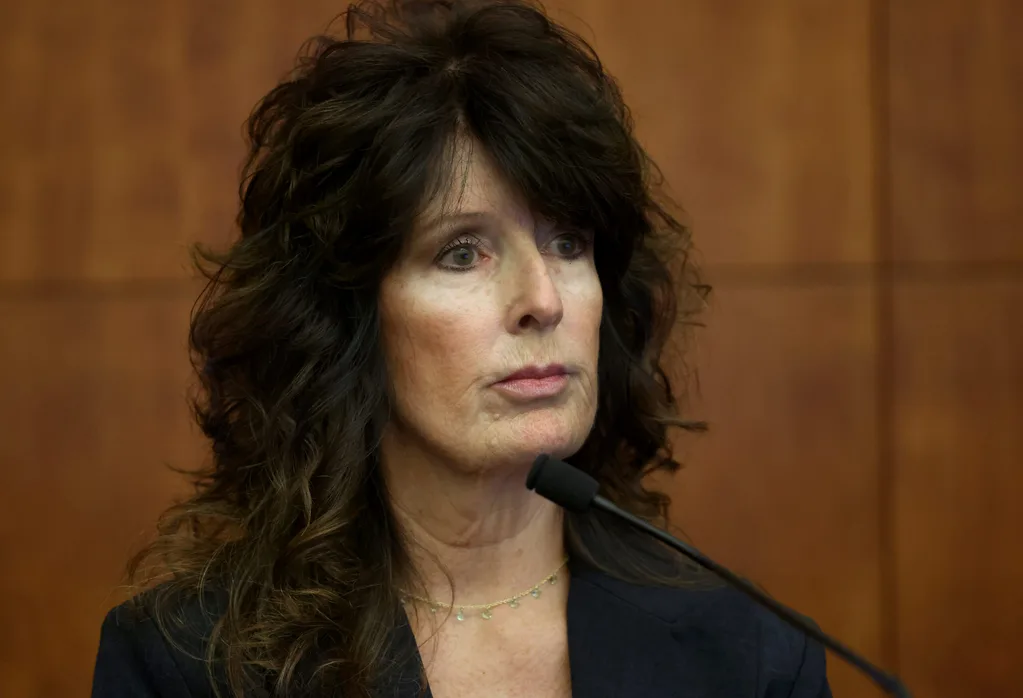
Day 6 of Lindsay Clancy’s trial centred on forensic evidence, toxicology and the injuries she suffered after the children’s deaths. A crime-lab analyst examined blood evidence from the family home, describing patterns on the bedroom floor, nightstand and other surfaces that could indicate movement and bleeding. However, in a pretrial filing, the defence dismissed bloodstain pattern analysis as a pseudoscience. Investigators also collected blood samples from Clancy and examined stains inside and outside the house.
Toxicologists testified that Clancy’s blood and urine contained several prescription medications, including benzodiazepines, while testing found no alcohol, cocaine, fentanyl, opioids, methamphetamine or cannabis. Separate testing found no drugs or toxins in the children’s post-mortem samples.
State trooper Jonathan O’Loughlin described recovering prescription bottles, exercise bands, a knife and other evidence from the home. He also testified that the knife and exercise bands were fingerprinted, but the prints were insufficient to determine who had handled them.
A surgeon testified that Clancy arrived at hospital with serious spinal injuries, hypothermia and low blood pressure after cutting herself and falling from a second-storey window.
Day 5: Patrick Clancy Is The First Witness In The Murder Trial
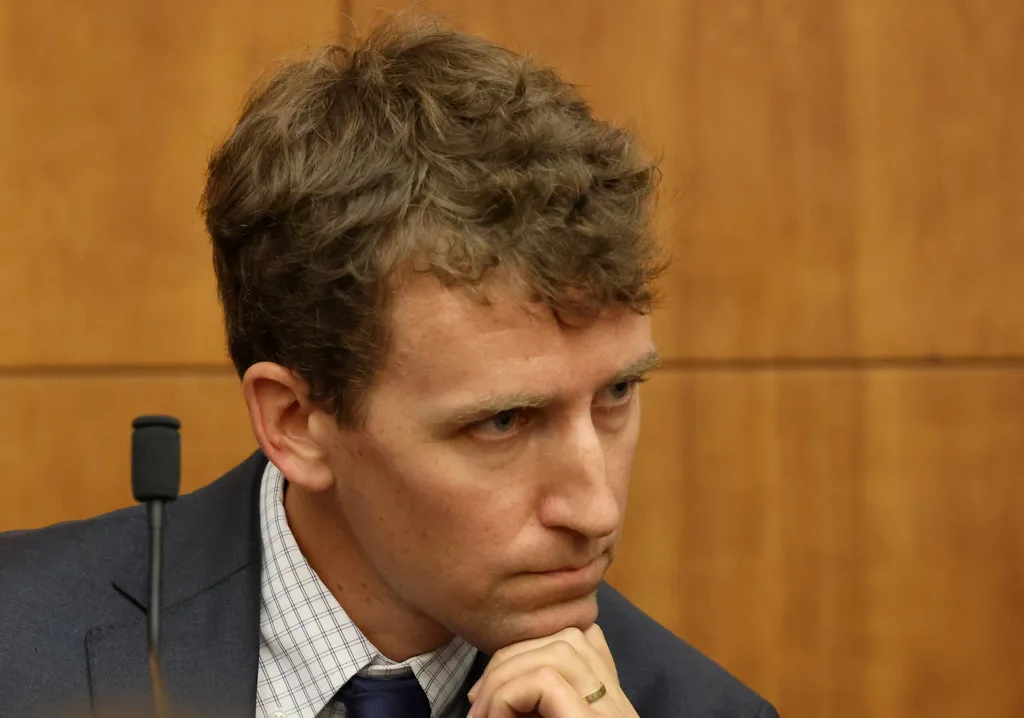
The prosecution’s opening case focused on Lindsay’s actions and her apparent behaviour shortly before the killings. Prosecutors said she contacted Patrick while he was away from home after killing the children, but that nothing during their brief conversation alerted him to what had happened.
The defence has presented a different interpretation, arguing that Lindsay was experiencing severe psychiatric symptoms and that failures in her treatment contributed to her actions. Her lawyer has emphasised her history of mental illness, medication changes and previous hospitalisations, arguing that she intended to take her own life rather than acting from a desire to harm her children.
Patrick detailed Lindsay’s turbulent mental state, which led to her being hospitalised early on New Year’s Day, 2023. Patrick described taking Lindsay first to Massachusetts General Hospital on New Year’s Eve before she was transferred to McLean Hospital, where she remained for five days.
Weeks later, Lindsay killed their three children.
Patrick recalled leaving the family home on January 24, 2023, to collect takeout food for dinner. He noted Lindsay had appeared well that day, taking Cora to a medical appointment and later spending time with the children outdoors where they “built a snowman.” She sent Patrick photographs and messages during the day, and he said there had been no indication that she was suicidal or in immediate distress.
Patrick also described several family outings in the weeks before the deaths, noting that Lindsay appeared engaged with the children during these occasions.
However, Patrick also told the court about increasingly serious concerns during late 2022 and early 2023. Lindsay had experienced anxiety, insomnia and intrusive thoughts involving the children. Patrick said she had told him she feared harming them or that something terrible might happen to them, although she denied having a plan.
Patrick Clancy has said he forgives Lindsay Clancy for their children’s deaths.
Days 1-4
The first four days of the trial, from Monday, July 20, to Thursday, July 23, were devoted to jury selection.
If you or someone you know is struggling with perinatal depression, anxiety or psychosis, free support is available through The Gidget Foundation. Visit gidgetfoundation.org.au or call the Gidget Helpline on 1300 851 758.

