


In January 2022, Bianca Welsh, 38, and her partner, James, were preparing for the arrival of their second child, a boy, when a routine scan at 34 weeks altered the course of their lives. “My obstetrician discovered our baby’s brain ventricles were significantly enlarged at 19mm instead of 10mm,” she tells marie claire from her home in Launceston, Tasmania.
With a degree in behavioural science, Welsh immediately understood the implications: the ventricles contain cerebrospinal fluid (CSF), which cushions the brain, delivers nutrients and removes waste.
When blocked, the fluid builds pressure, leading to irreversible damage. With no local specialists available, they faced an exhausting two-and-a-half-hour drive each way to the Royal Hobart Hospital. Over several visits, specialists ran a battery of tests.
An MRI revealed severe abnormalities in the brain, while blood work ruled out any genetic cause. Ultimately, the team diagnosed congenital toxoplasmosis, a rare infection that thickens the CSF and blocks normal drainage.
“My specialists had never seen such rapid damage so late in pregnancy,” Welsh explains. “They contacted colleagues at [Melbourne’s] Royal Children’s Hospital and even a doctor in Chicago who’d published on congenital toxoplasmosis. In-utero treatment was recommended, so I began intensive antibiotics, almost like chemotherapy drugs, to treat him over a 12-day period before the final MRI.”
All the while, her eldest son, five, stayed with family. “We wanted to shield him from the trauma of what was happening.”
At 36 weeks and five days, the final MRI confirmed the worst. The ventricles had grown nearly four times larger than normal. A neurosurgeon informed them the baby would develop cerebral palsy and require multiple surgeries and lifelong hospital visits. The paediatrician warned that he might survive for months, perhaps years, but his life would be marked by pain and discomfort.
“For us, that wasn’t a life,” Welsh says. “I wanted to spare him that suffering, and we also had to consider our eldest son. It was a choiceless choice, one no parent ever wants to face.” After hours of discussion, they made the decision to terminate.
Immediately, Welsh was told she needed approval for feticide – a term she had never heard before. In Tasmania, terminations after 16 weeks require approval from two doctors, one of whom must specialise in obstetrics or gynaecology, and include a psychological assessment.
From 23 weeks to 36 weeks and six days, termination may be considered if continuing the pregnancy poses greater risk to the woman’s physical or mental health. In most cases, approval from a specialist review panel is required.
“It was a whole hour of really intense questions at the height of my grief,” she recalls. “Essentially, I had to prove I was mentally sound, not under too much emotional duress and not influenced by anyone else. In the end, the core question they’re really asking is will your mental health suffer if we do, or don’t, grant you the termination. “I remember thinking, I can’t believe this is happening. I just want to protect my baby. The questions were clinical, but my heart shattered with each passing moment.” The next day, she underwent the procedure.
“A needle went directly into his heart. First fentanyl, so he wouldn’t feel pain, then potassium salts to stop it. I felt the flutter of him having a cardiac arrest, a moment I will never forget. It only takes minutes, but it felt like forever. Even now I can close my eyes and feel that moment, and the grief is still raw.”
On January 21, 2022, Bianca gave birth via emergency caesarean to Herbert Elio Theodore Welsh, his name meaning warrior, sunshine, gift. “We spent two days with him in hospital,” she says. “The midwives brought a cuddle cot, so we could hold him. Heartfelt came to take photos. It was the most heartbreaking, but also the most sacred time.”
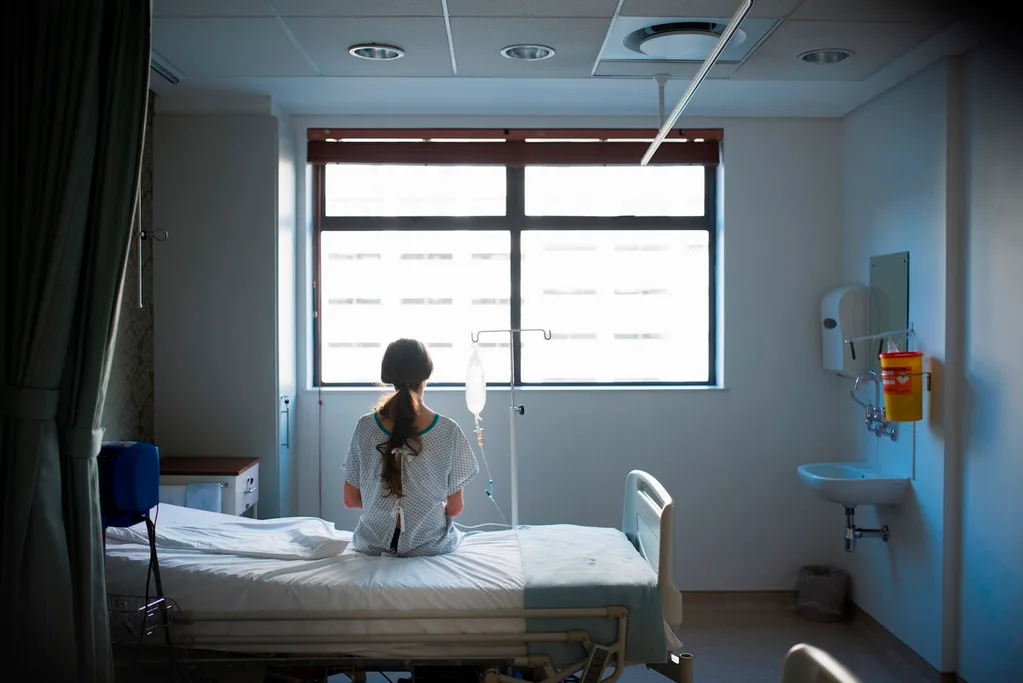
She has since given birth to her third child, a girl named Rani. Termination for medical reasons (TFMR) is the intentional ending of a pregnancy due to severe fetal abnormalities or risks to the mother’s health. It is legal across Australia, though gestational limits and approval requirements vary between states and territories. These procedures are typically undertaken for conditions such as Trisomy 13 or 18, major congenital anomalies, or serious maternal health issues, including mental health concerns.
Globally, 3 to 6 per cent of infants are born with birth defects; in Australia, TFMR is comparatively rare, involved in about 0.05 to 1 per cent of pregnancies – roughly 3000 cases annually. Although TFMR is legal, support for parents remains inconsistent and fragmented.
In response, Dr Pieta Shakes, founder of fetal support group Through the Unexpected, developed Facing the Unexpected, Australia’s first microcredential study course for health and allied professionals focused on the psychosocial aspects of prenatal diagnosis and perinatal care. The program addresses a major gap in health policy, which prioritises prenatal screening yet often neglects post-diagnosis and TFMR support.
It offers training and networking to strengthen understanding, practical skills and referral pathways. “Our research with professionals told us how difficult it was to work with limited referral pathways,” Shakes says, noting also the heavy emotional burden on staff who are often forced to “learn on the spot” in complex psychosocial situations. “They’re often expected to deliver devastating news within strict timeframes, often in a single session when parents are highly distressed.”
Parents, meanwhile, highlighted how assumptions can strongly shape the care they receive, leaving many feeling let down or slipping through gaps in the system. They also face significant logistical hurdles, from attending appointments with multiple specialists across different hospitals to navigating a system with little continuity of care.
“Our systems aren’t designed to hold women through distress, and they often fail to consider the dissociation and stress that make it difficult to absorb or process information,” Shakes says.
She adds that assumptions about how parents should feel, such as being told they ought to feel relief because they had a choice, rarely reflect their lived experience. Further, support for parents is also inadequate. Because TFMR isn’t fully recognised as a distinct pathway, systems may fail to acknowledge the baby or the profound impact of the loss.
“Parents try to find information, but many services and helplines focus on abortion and unplanned pregnancies,” she explains. “Resources that genuinely speak to them as parents who want to protect their much-loved baby simply aren’t often available.”
Shakes highlights the disparities in care faced by minority, culturally and linguistically diverse, and Indigenous populations, where assumptions and gaps in understanding make experiences more complex and less supported. “There’s a significant gap in the literature and research, and without adequate evidence it’s incredibly difficult to provide truly culturally sensitive care,” she says. Beyond cultural safety, Shakes says practical barriers also loom large.
“For parents in remote areas or in jobs with little flexibility, accessing TFMR can be incredibly difficult, and workplace policies rarely account for the lengthy, complex decision-making process,” she explains.
Without that support, many face job insecurity or stay silent out of fear of judgement and stigma. Shakes remains hopeful that women and parents will in future receive care that is truly responsive and individualised.
“There are so many wonderful clinicians, therapists, researchers and parents with lived experience advocating for change,” she says.
One such parent-advocate is Annabel Bower, 42, from South Australia. Her experience with TFMR came during her fourth pregnancy after doctors discovered her baby, Miles, had suffered a stroke in utero and was unlikely to survive. Now a consumer advisor on government health boards, Bower has written Miles Apart to support families through pregnancy loss. “After the chapter on TFMR, so many people wrote to me saying, ‘Thank you.’ They finally had words to explain their grief to others. Many said, ‘I’ve never been able to talk about this before.’ It made me realise just how isolated parentsare.”
She was initially afraid to speak publicly. “The grief was immense, and I feared judgement. Our stillbirth was medically a termination, but for me it was a decision made out of love, knowing the suffering our child would have faced. I remember lying in bed at night, asking am I doing the right thing? The answer was, painfully, yes, but it didn’t make the sorrow any less real.”
Bower recalls the care leading up to her termination as compassionate, but follow-up support was limited. “I relied on private psychological support and a fetal abnormality genetics counsellor I found through personal connections.

Her guidance was invaluable, offering understanding and validation when I needed it most.” South Australian independent MP Sarah Game has proposed an amendment removing maternal mental health as grounds for abortions after 23 weeks, suggesting women in psychological distress be treated under the Mental Health Act, leading to concerns about involuntary treatment. The move, aimed at “saving healthy babies”, followed a similar failed 2024 attempt to restrict access to abortion.
“It’s vital women can make informed decisions about their pregnancies without judgement,” Bower says. “Families deserve compassion, not control.”
Even after her loss, Bower faced assumptions. “When I became pregnant again, people expected my grief to end. It was a painful reminder of how singular this loss was.” Today, she trains medical staff in bereavement care, helping ensure TFMR is recognised as a valid experience.
Dr Sarah Fogarty, adjunct fellow at Western Sydney University, received a $40,000 grant in 2024 to develop evidence-based clinical guidelines and parent-focused resources supporting families after TFMR. Her research shows that massage therapy helps women reconnect with their bodies and find moments of calm, hope and healing, with nearly 90 per cent of 72 participants attending multiple sessions. A separate study with 10 non-birthing partners found their grief can be overlooked, leaving them as “support in the shadows”, though inclusive rituals or healthcare interactions brought moments of being “brought into the light”.
Together, these findings highlight the need for holistic, inclusive care for all parents after pregnancy loss. Other organisations providing compassionate support for parents include the Gidget Foundation, Pink Elephants and Red Nose. Rachel Peterson, Red Nose’s national manager for Hospital to Home (H2H), reports that in 2024–2025, H2H recorded 207 referrals while its counselling division received 103 referrals. Rachel Ficinus, Red Nose director of bereavement services, says H2H provides peer support by “companioning someone in their grief”, helping parents with memorial planning, understanding their grief and preparing to return to work. All Red Nose bereavement services are free and require no referral. Raised in a Ukrainian Orthodox family, Sydney-based Samantha Dybac, 34, struggled with how her family would respond when a 12-week scan revealed markers for Trisomy 13 and she and her husband, Ian, decided to end the pregnancy.
“My grandfather was a priest … I wasn’t sure how they’d take it,” she says. “But they were incredible, no judgement, just support.” More than a decade on, she still hesitates over the language. “‘Abortion’ feels like it doesn’t belong to this experience,” she says.
“I’d supported friends through theirs, but this was different. It was medical. I’d just say, ‘I lost the baby.’” Much of the stigma, she adds, is internal. Seeing families with children with disabilities once triggered “crushing guilt” until she understood Trisomy 13’s severity and the reality that many babies don’t survive. The experience – termination, miscarriage and eventually motherhood – reshaped her understanding of life and loss.
“You learn that control is an illusion. But that doesn’t mean you close your heart.” Her advice to others is simple and tender: “Let yourself feel everything. It does get easier. Just give it time.” Luke Morris, CEO and founder of women’s mental-health group Liptember Foundation, says changing public and medical language around TFMR is essential, as speaking with empathy “honours the courage it takes for families to make these decisions in the best interests of both mother and baby”. But language alone isn’t enough; post-TFMR care must be compassionate, consistent and shaped by the voices of those who have lived it.
“If I could change just one thing in how Australia treats and supports women after TFMR, it would be to ensure that no woman ever falls through the cracks of our healthcare and support systems,” Morris says.
“Too many mothers are left to navigate grief, trauma and stigma on their own because there are no clear pathways of care once a TFMR decision has been made,” he says. Morris calls for consistent, nationwide access to professionals who are trained not only in the medical aspects of TFMR, but also in the emotional and social impact it carries. “If we can achieve that, we can significantly reduce the isolation and long-term mental health impacts that so many women currently endure after TFMR.”

Related stories
Native ad body.

Native ad body.



Native ad body.





Share this post