

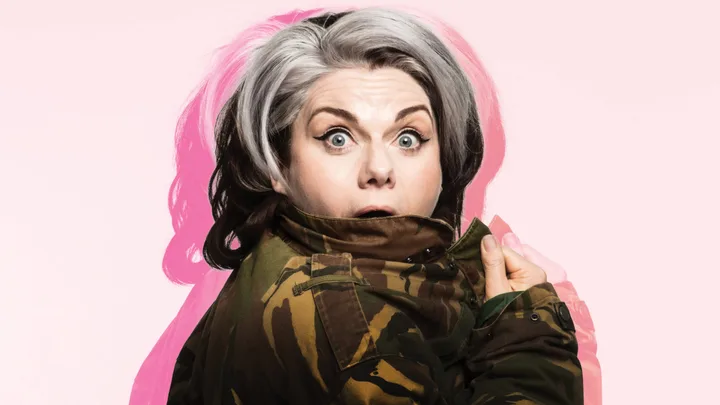
Looking at the farmhouse, high in the beautiful Welsh mountains, for the first time in years, I felt optimistic. This was where I would escape from modern life. I could no longer handle watching the news, glass of wine in hand, murmuring, “When did things get so chaotic and weird?”
I was done with observing friends and relatives on social media becoming obsessed with vaccines, immigration, Gaza or trans rights, and being so furious about it that they were in endless fights with everyone they knew. And I had to escape the litter-strewn streets of London, where I hadn’t seen a single butterfly all summer, and which kept being described, by Donald Trump, as “on the verge of civil war”.
Here, in the mountains, I would be safe. After all, this is what all the tech-bro billionaires are doing: buying Apocalypse Bunkers in Hawaii and New Zealand. They obviously know something we don’t know. Follow the money!
Unfortunately, I quickly found out why it’s only the billionaires buying Apocalypse Bunkers – they’re expensive. When a renovation estimate came in for half a million pounds ($950,000), I realised I didn’t have enough money to follow the money.
I had to withdraw my offer and, instead, began a year-long experiment, which I chronicle in my new memoir. I drew up a list of small but powerful ideas for dealing with the pessimism and anxiety of the modern world, headed by a quote from Joan Didion: “Every day is all there is.”
The full story is in the book – along with a lot of stuff about menopause, which definitely didn’t help my mood, and my dog, which definitely did – but here, in brief, is how I changed my life in one year and, against all my own expectations, became truly hopeful again.
Keep Your Side Of The Street Clean
I’d spent the past 10 years moaning about how filthy my neighbourhood is: my front garden is filled with old vapes and Red Bull cans, the hedgerows in the park are all stuffed with fried chicken boxes and empty vodka bottles.
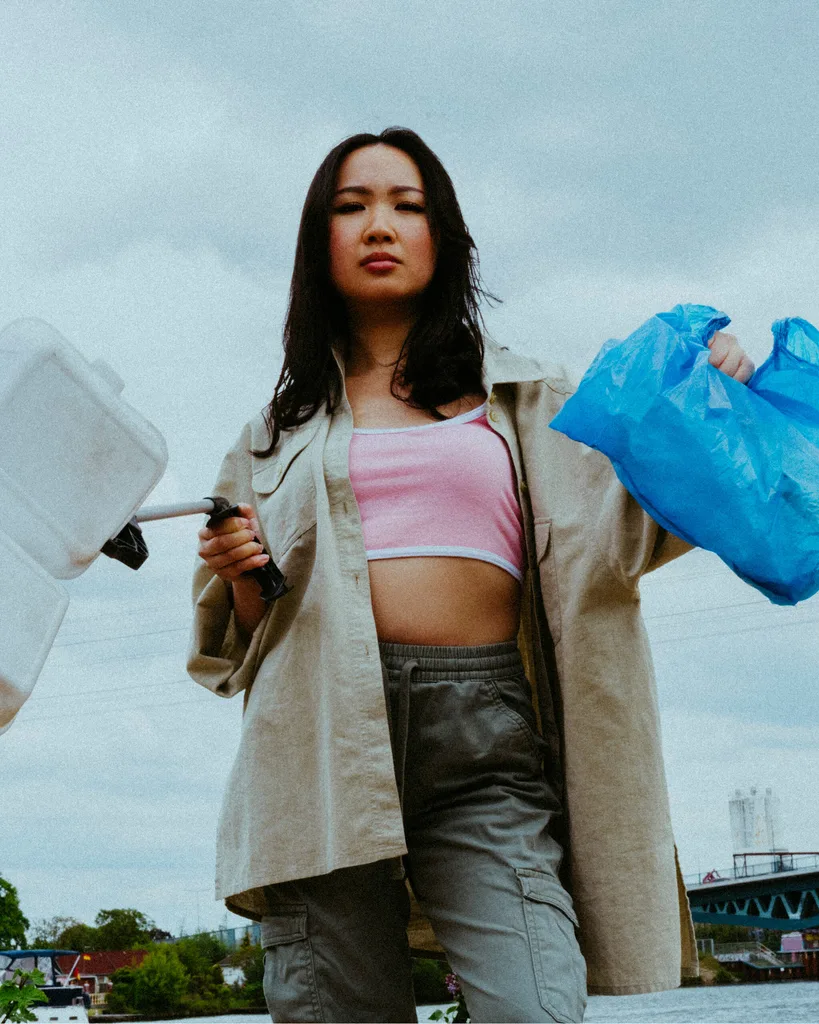
“Why doesn’t someone do something about it?” I would wail. One day I realised that person was me. If you are of a generation that enjoyed Pac-Man, I’ll tell you: walking down the street with a litter-picker (Amazon, $38), picking up trash and leaving a sparkling-clean street behind you is incredibly satisfying.
“Empowering” is an overused word – I’ve seen it used to describe hair serums – but giving your own neighbourhood a makeover is empowering. Be the change you want to see, and all that.
Delete X/ Twitter
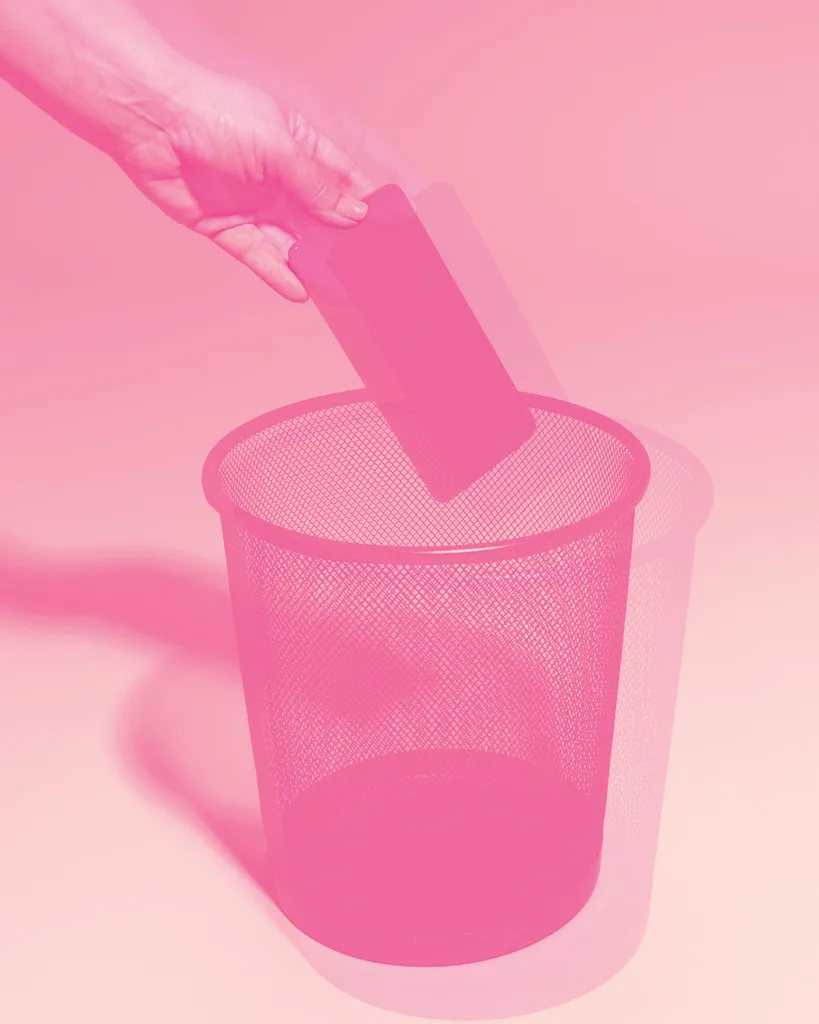
Despite having a million followers on Twitter/X – and having my feed taught as part of “Modern Communication” in British GCSE exams – I finally quit the toxic platform. Within weeks, I felt happier than I had in years.
The relief was like the feeling you get when you realise that you can leave this awful party/wedding reception and just go home. It’s weird; we all hate social media.
We know that it makes us feel bad – we use the phrase “doomscrolling”. But if we had something called “doom sandwiches” we wouldn’t eat them, and we would never wear “doom knickers”.
I understand that people worry they might “miss out” if they leave but, believe me, you miss nothing. If Taylor Swift does something, you do still know about it. Big news still gets through.
Exercise Caution With Your News Intake
“If it bleeds, it leads” was the slogan in newsrooms, because “news” generally means bad news. Once you understand that, you start to understand just why the news makes you feel so terrible. We never hear the good stuff. But good stuff is happening all the time, and it almost always outweighs the bad.
For instance: if someone goes crazy with a gun in a hospital and kills 10 people, it would make worldwide headlines.
However, if a surgeon in the same hospital had saved the lives of 20 people the day before, we would never hear about it. And yet, it happens every day, in every city in the world.
We are surrounded by miracles we just don’t know about, because “the news” is blind to them. These days, I carefully limit my news input. The weekend papers are full of analysis, not breaking news, and local newspapers are incredibly soothing. A new bakery has opened! A local girl made it to university! The park has a new paddling pool!
If we’re being honest, this is the news that – nine times out of 10 – will actually affect our lives. Allow me to deliver an important truth: you are not morally obliged to traumatise yourself reading updates of every war in the world, on a 24/7 basis. Doing so changes nothing.

Don’t Be An Online Activist
We’ve been led to believe that the 21st century way to make things better is to post about our “concern”, “anger” or “heartbreak” on social media. And while it’s OK to do that for, like, 20 minutes a day, what really helps is doing something small and local instead. Donate blood. Volunteer at a community centre. Drive a car-less neighbour to the shops. Raise funds for a project.
Most “online activism” ultimately only benefits social media platforms, who love you getting into traumatic, months-long online fights with people who oppose your cause, thus bumping up their “engagement” stats.
But you are vanishingly unlikely to be told to “just die in a grease fire, you snowflake Antifa scum” while mucking out at a donkey sanctuary. It’s actually quite an easy choice to make.
Be The Queen Of Your Own Backyard
In 2022, deep in “eco grief”, I visited a rewilding project at the Knepp Estate in Sussex, where the owners have taken a barren, failing farm and turned it into a modern-day paradise.
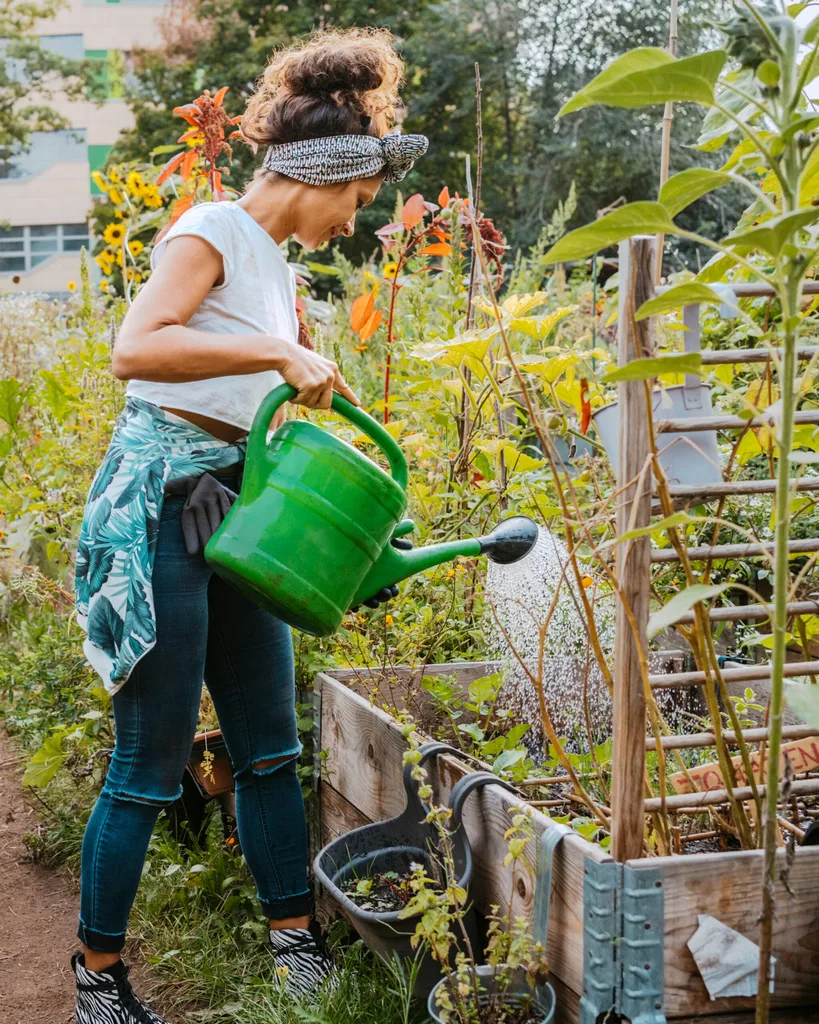
One where nightingales sing and storks now nest for the first time since 1522. And while I couldn’t quite stretch to a stork, just putting a pond in my average North London garden and letting the grass grow means that life has simply exploded right outside my back door: frogs, toads, newts, butterflies, dragonflies and – on a day that might well be the best of my life – a peregrine falcon, washing its wings under my waterfall.
Whatever dopamine hit you were hoping – and failing – to get from doomscrolling at 1am is wildly eclipsed by coming down for breakfast and seeing baby wrens fledging right outside your window.
Ditch Your Headphones
If you leave the house with your headphones clamped to your head, cut off from your surroundings, it’s easy to believe in the worst of humanity. After all, when people talk to each other on social media, the tone is furious.
However, when I lost my headphones, I was quickly reminded of an eternal fact: most people are just … lovely. Our cities aren’t a hate-filled war zone. Our fellow citizens are merely on the phone to their mums; debating whether to have sausages or chicken for tea; or chatting to strangers’ babies.
If you walk down the street with your ears “naked”, you tune back into your town and fall back in love with one of the miracles of life: a perfectly normal day. Birdsong; the hum of distant lawnmowers; a reggae record floating from an open window; rain. This is the everyday, quiet magic that makes you feel sane again.
What I realised at the end of my experiment is that the world hasn’t changed for the worse beyond all recognition in the past decade or so; it’s just the way we interact with it that has changed.
If you put your phone away, turn off the 24/7 news cycle, put out a bird feeder and chat to the neighbours, you will realise you don’t need to run away to an Apocalypse Bunker on the side of a mountain to feel peace and hope. It was right outside your door all along.
How to Be Hopeful by Caitlin Moran (Penguin, $36.99) is out now.

Related stories

Native ad body.

Native ad body.

Native ad body.



Share this post