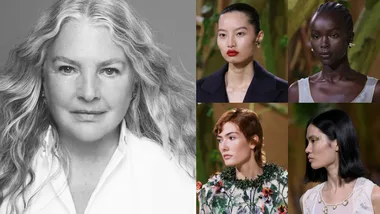
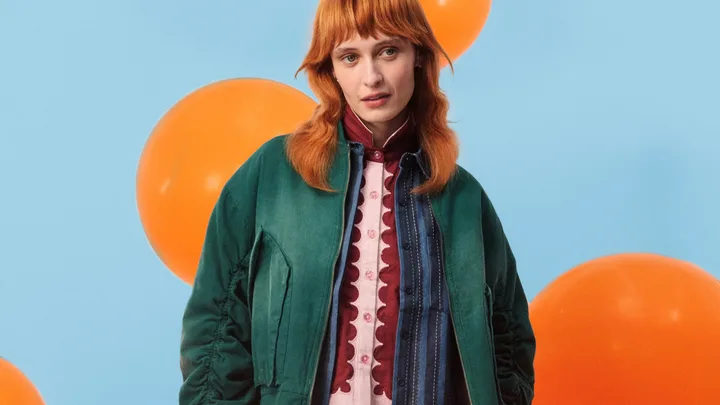
 Supplied by EVO
There’s nothing quite like freshly coloured hair.
The shine feels glossier, the tone looks richer and everything from your makeup to your wardrobe suddenly works better.
But maintaining that just-left-the-salon finish has less to do with expensive appointments and more to do with what happens afterwards.
Tom Smith, creative colour director for evo, says colour fade is often accelerated by the everyday habits we barely think about, from shower temperature to shampoo choice.
“The biggest reason colour fades is usually using products that simply aren’t designed to preserve it,” he explains. “Harsh shampoos and older-style formulations can strip the hair and leave the cuticle vulnerable, which means colour escapes much faster.”
What makes hair colour fade?
While sun and repeated colouring sessions can contribute, heat remains one of the biggest culprits. And it’s not just from styling tools.
“People rarely think about the temperature of the water they wash their hair with,” says Smith. “Extremely hot water encourages the cuticle to swell, which makes colour fade faster.”
The cuticle – the protective outer layer of the hair – is central to preserving colour vibrancy. Once it becomes weakened or roughened, pigments escape more easily and hair loses shine and smoothness.
“UV exposure, free radicals and daily wear and tear are some of the biggest contributors to colour fade,” Smith says. “Protecting the cuticle matters so much if you want colour to stay expensive-looking for longer.”
Do all hair colours fade the same?
The further colour sits from your natural shade, the harder it can be to maintain. But certain tones do worse than others.
“Blondes can start to fade warmer or brassier and lose their brightness,” Smith explains. “Reds and fashion shades tend to lose intensity fastest and can begin to look diluted quite quickly. Brunettes usually lose richness and dimension and can start to blend into one flat tone.”
One early sign, however, is less about tone and more about texture.
“Usually the first thing people notice is that the shine has gone,” says Smith. “Healthy-looking colour reflects light beautifully, so when the hair suddenly looks dull or flat, that’s often the first clue.”

What are the best hair products for preventing colour fade?
If there’s one thing Smith wants people to rethink immediately, it’s aggressive heat styling.
“One of the biggest mistakes is rushing through heat styling with excessively high temperatures because people think it’ll speed things up,” he says. “Simply switching to a medium heat can make a big difference.”
He also believes shampoo quality is widely underestimated.
“People often think there’s no point investing in shampoo because it gets rinsed away. But the shampoo stage is when your colour’s most vulnerable.”
Smith recommends lower heat for both your shower and styling tools, while using products specifically formulated for colour-treated hair. Evo’s new colour protect range focuses on UV filters, antioxidants and cuticle protection to help prolong vibrancy.
“The formulas work together to prolong colour and care,” he explains.
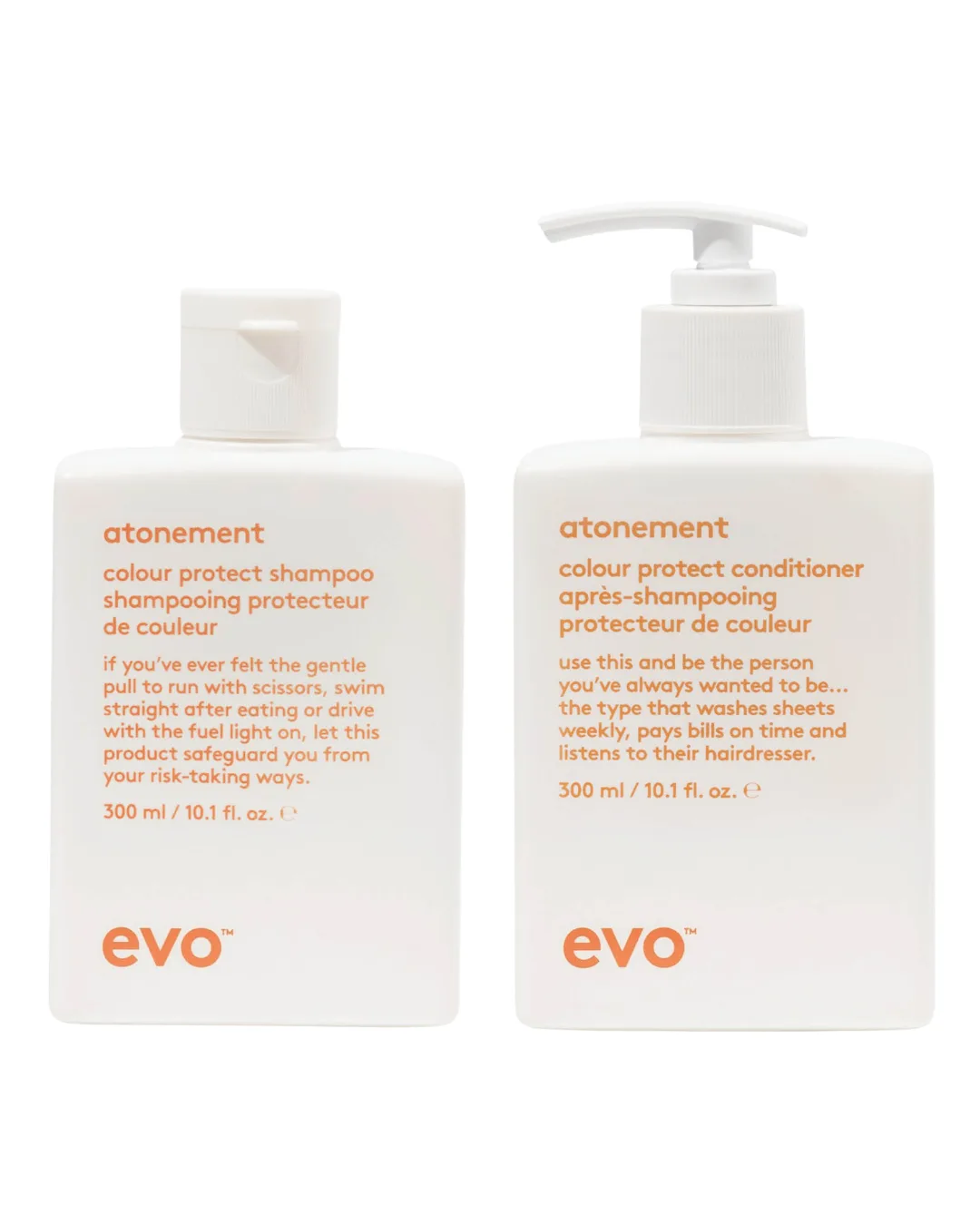
For most people, washing “two or three times a week works really well with the evo atonement colour protect duo”, Smith says. “It helps preserve colour while keeping the scalp healthy.”
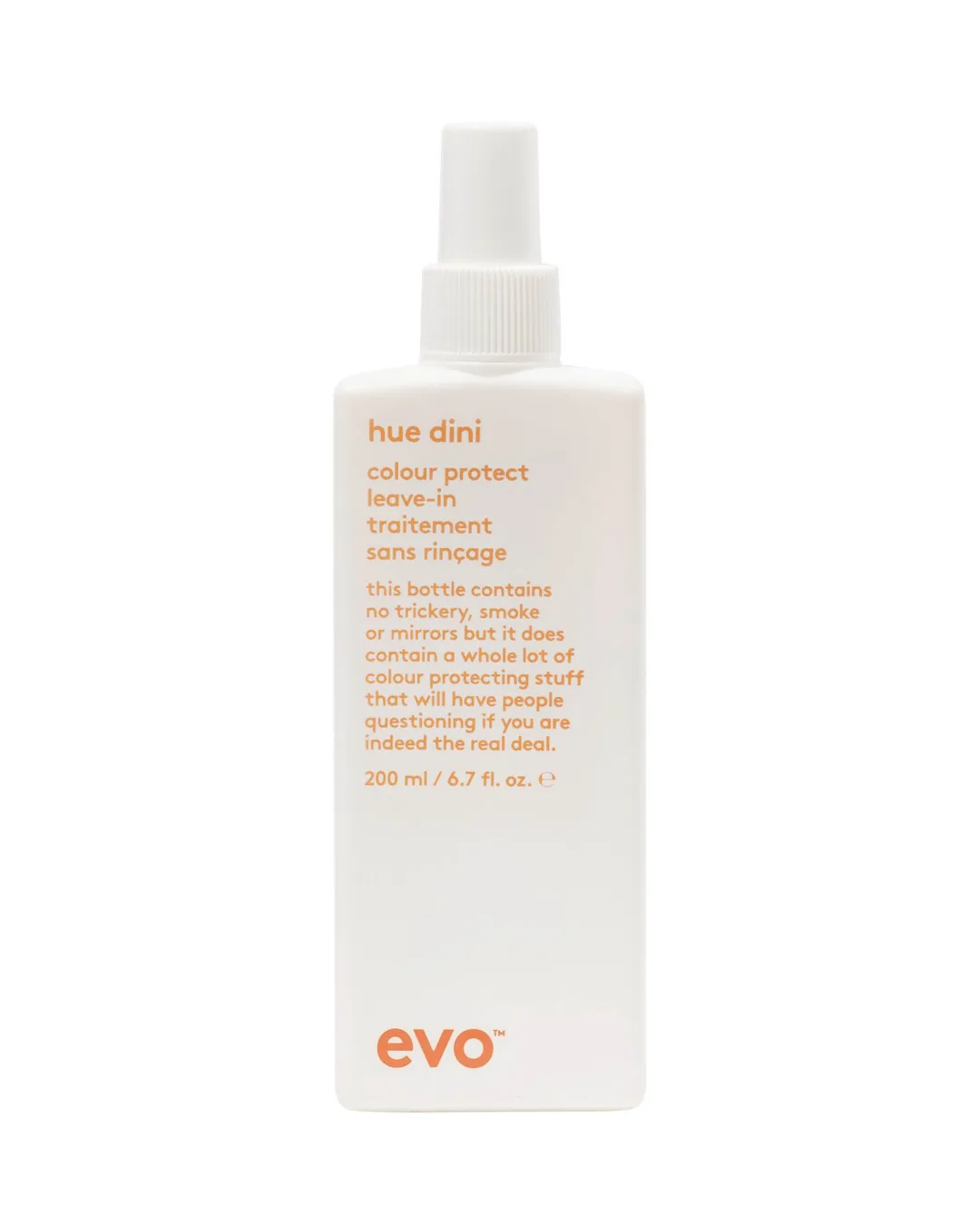
Leave-in products like evo’s hue dini colour protect leave in are often associated with styling, but Smith says they’re great for long-term hair health and manageability.
“Smooth, shiny, detangled hair usually comes from using the right leave-in products consistently,” he says.
And while there’s no miracle shortcut to indefinite salon-fresh colour, the overall approach is simple: reduce unnecessary stress on the hair wherever possible.
“Healthy hair simply holds colour better,” Smith says. “And it always looks more expensive for longer.”
Main image credit: Supplied by evo

Related stories
Native ad body.
Native ad body.
Native ad body.