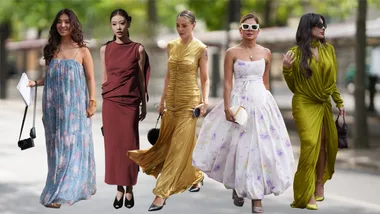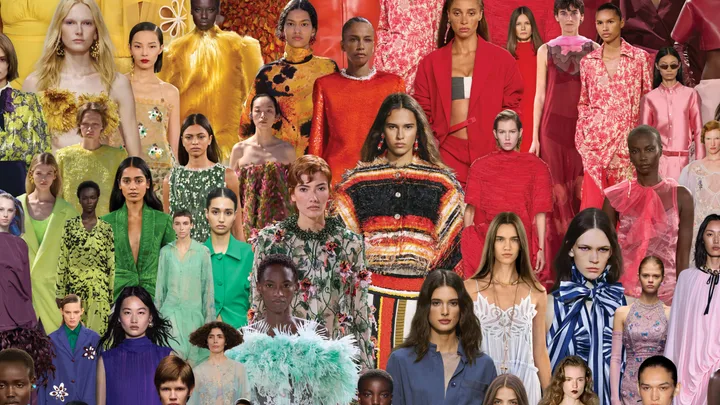
This must be someone else’s suitcase that I’ve opened up in my hotel room in Doha, Qatar. How else can I explain a bag filled with blinding yellow and tangerine dresses, chartreuse and mustard shirts, and a peacock jumpsuit that appears to be emitting its own light?
“It looks like the luggage of someone who’s shot and stuffed half of Madagascar’s wildlife!” I shout down the phone at my husband as I pace the room. “I’m probably going to appear on Border Security.”
It’s only when I catch sight of my reflection – currently dressed as though auditioning for a presenter role on Play School – that I accept that this really is my reality. Not only do I have breast cancer, but the case is mine because I have taken to self-medicating in the strangest of ways: through eye-catching, life-affirming fashion.
It’s hardly groundbreaking to reveal that how we dress can influence how others see us. Studies show, for example, that women who dress in more masculine business attire for job interviews are more likely to be hired for leadership roles in more male-dominated industries, such as banking and marketing (and that men find women who wear red more sexually attractive).
Dopamine dressing, the idea that you can strategically dress to boost your mood, isn’t new either but what’s new here – to me, at least – is that you’re also likely to overhaul your wardrobe during a health crisis, so that you ultimately become someone you can no longer recognise – not in body, not in spirit and certainly not in your travel basics.
It made sense that I was wearing an olive dress the day my doctor called to tell me I had breast cancer. It’s not only my favourite colour, it’s also a wardrobe staple in what was once a brief nod to colour in a sea of mostly navy and charcoal.
Yet, as grief and panic settled in, so too did something unexpected: a desire to buy as many uncharacteristically loud garments and accessories as possible. Shopping may not make me happy, I told myself as I raced between appointments and scans, but these pieces will make me happier.
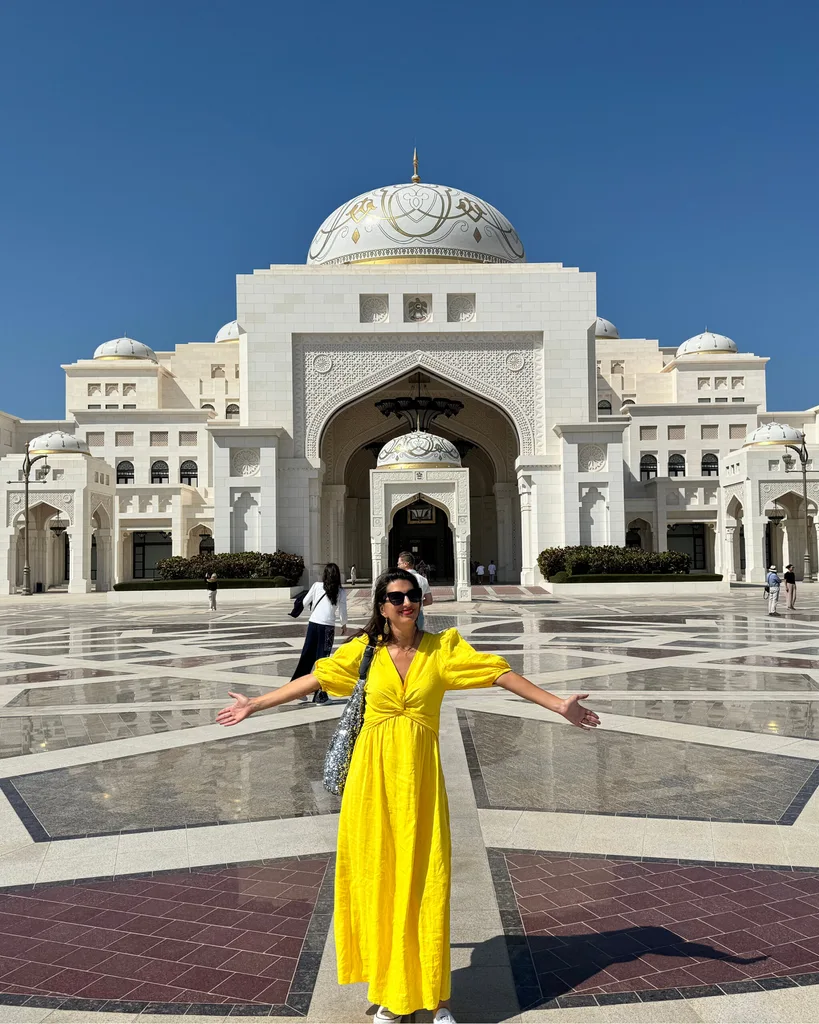
Subsequently, I loaded up on canary-yellow dresses with puffy sleeves and Elton-esque rhinestone sunglasses. I dialled up my usual lipstick choice of cherry red to a shade of coral not seen since the album covers of the ’80s, and my once-understated earrings became a single-digit salute to subtlety (and, quite probably, good taste).
On better days, I looked like a forty-something Iris Apfel and I patted myself on the back, but on others even I had to admit that I wasn’t far off a look best described as “ethnic Big Bird”. Weird? Sure. But I noticed early on that my instinct to go bold or go home was working.
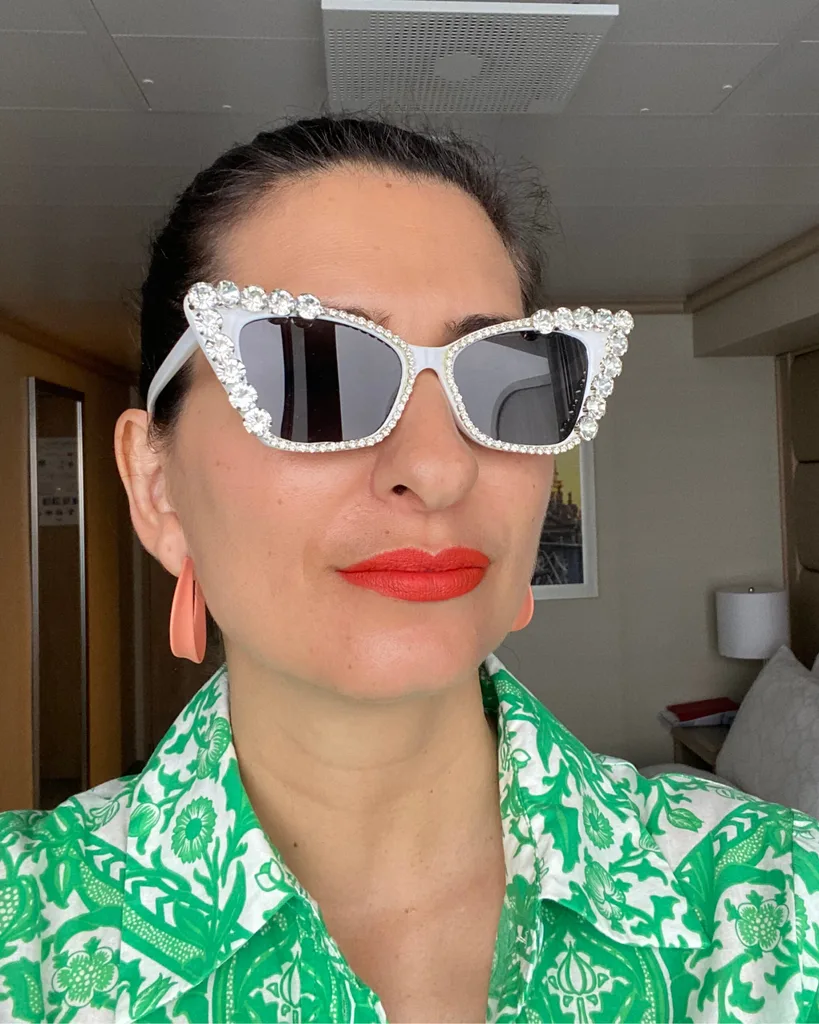
Whenever I dressed “in costume” for an appointment with my surgeon or to meet with my geneticist, I felt significantly more cheerful than when I wore my usual pieces. Why? Ugh, it’s a long story.
Fashion psychologist and author of Big Dress Energy, Shakaila Forbes-Bell, is no stranger to cancer, having sadly lost her sister to the illness eight years ago. “I think cancer is something that challenges your identity instantly and can make you feel almost powerless,” she says in response to my “please explain” email. “From a psychological standpoint, changing your look or paying closer attention to your aesthetics post-diagnosis is a way for you to maintain control and reassert your identity, which can provide a sense of emotional comfort and something positive for you to focus on.”
If you want to delve into the research of colour theory, there are all kinds of studies that show certain hues influence our emotions and our behaviour. Green for example, elicits feelings of peacefulness and calm, while our brains associate bright yellow with sunlight, a mental trick that stimulates the release of mood-boosting serotonin in the central nervous system. It doesn’t even have to be clothing. Those who work in more colourful work environments tend to be more joyful than those who toil in drab spaces (side note: almost every medical receptionist I’ve met in the past year confirms this theory).
What’s interesting here, however, is that the women I meet during our respective cancer adventures, whether stage one or stage four, haven’t been digging into these studies; the bright pink woollen coats and loud, clashing patterns they’re suddenly donning all come down to instinct – or so they tell me. For decades we have viewed camouflage as the ultimate in survival wear, but for many it seems the reality is an incredibly loud Camilla print.
Trawling through breast cancer sites, I search for something concrete to back up my wardrobe overhaul but all I find is anecdotal evidence from cancer care professionals suggesting that as patients process their diagnosis and treatment, many gravitate towards bright, positive colours.
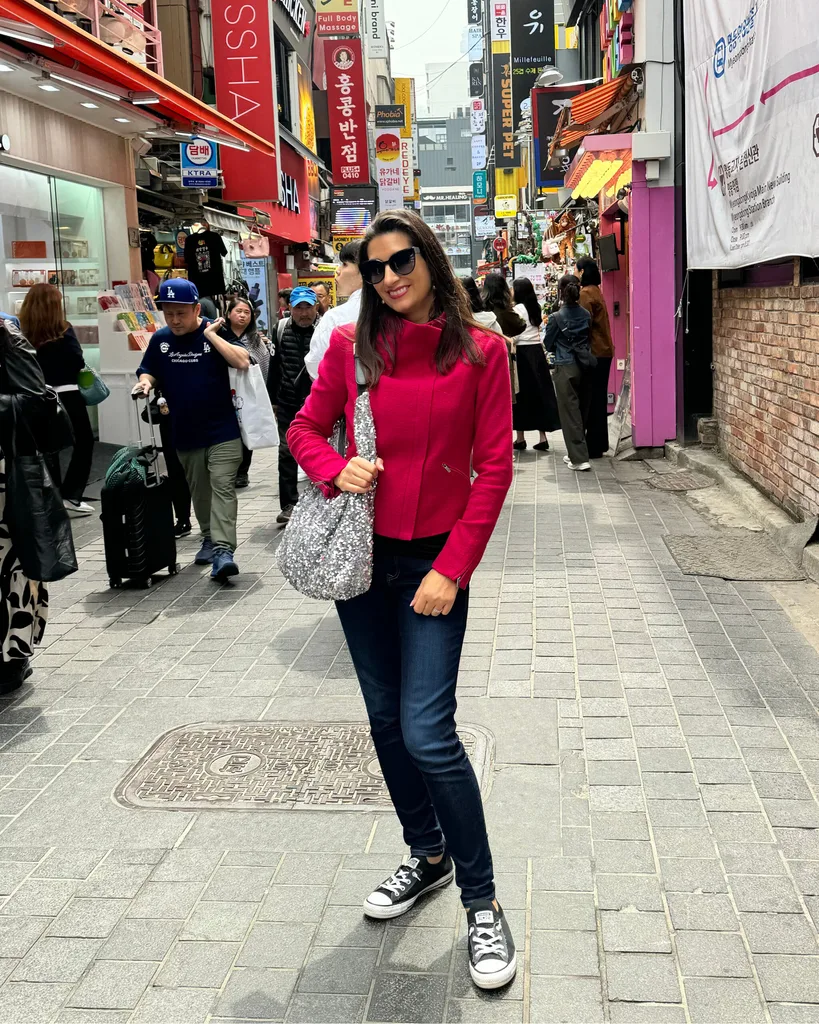
Some say it’s to actively counteract the emotional heaviness of their diagnosis, others say it distracts them from their symptoms and potential outcome. Yes and sure, but for me there is so much more to it. There’s a decadent (and blinding) top layer of “look at the puppet”, a tried-and-true gimmick that distracts people while I perform the magical task of disappearing right before their very eyes (and I do disappear at times).
To that we can add a base fortification layer, which serves as armour against all the “So, how are you really?” questions (if I don’t dress like myself, it’s easier to pretend I’m playing a role rather than starring in my own life). Yet when I search my heart, I realise it’s just that I have zero fucks left to give. Although my cancer was at the earliest stage and there was never a question of me not seeing in 2026 or beyond, I now have this bone-deep understanding that life is fragile and I want to spend whatever time I have left on this planet living how I want to live and dressing exactly how I want to dress, rather than dressing to fit into the life I’ve carefully designed for myself.
Most days I’ll return to my classics, but on low days – and anyone who’s gone through this knows that there will always be good days and bad days – I reach for my Big Bird outfit, steel myself and quote the famous feathered creature: “Well, I’m not really leaving. I’m just going away.” But I’ll be back tomorrow. And I’ll be in navy.

Related stories
How To Build A High-Quality Wardrobe Without Spending A Fortune
Native ad body.
The CBK Revival Sparked A Renewed Wave Of Off-Duty Style
Native ad body.


Native ad body.
All The Real Benefits Of Curating A Capsule Wardrobe
All The Unexpected Ways I Am Styling Jeans This Spring