

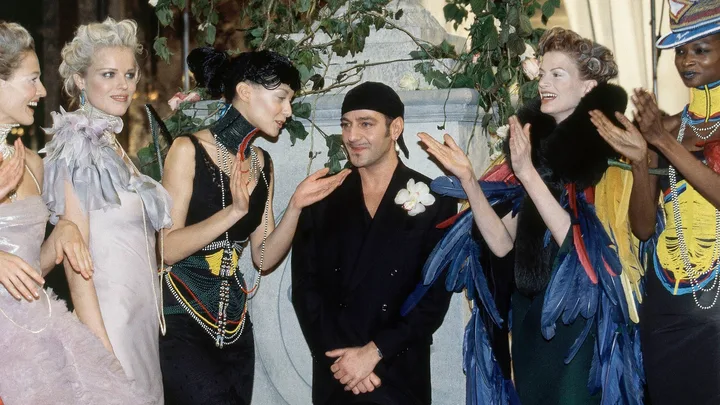
Ah, the Met Gala. There is no red carpet quite like fashion’s most beloved spectacle, where an influential coterie of designers, celebrities, artists and cultural arbiters converge in an amalgamation of fashion and fantasy. It is little wonder that the first Monday in May has become one of the most eagerly anticipated dates on the fashion calendar.
Despite the nine-month wait until the 2027 Met Gala, the Metropolitan Museum of Art has already unveiled the theme for next year’s edition: “John Galliano: Horizons”. As ever, the exhibition at the Costume Institute has dictated the evening’s dress code, setting the stage for one of the most visually compelling yet divisive Met Galas in recent years.
So, what exactly will “John Galliano: Horizons” look like? An expansive homage to one of fashion’s most mercurial creative forces, the exhibition will traverse the full arc of Galliano’s decades-long career, from his landmark Central Saint Martins graduate collection in 1984 to his most recent chapter at Maison Margiela.
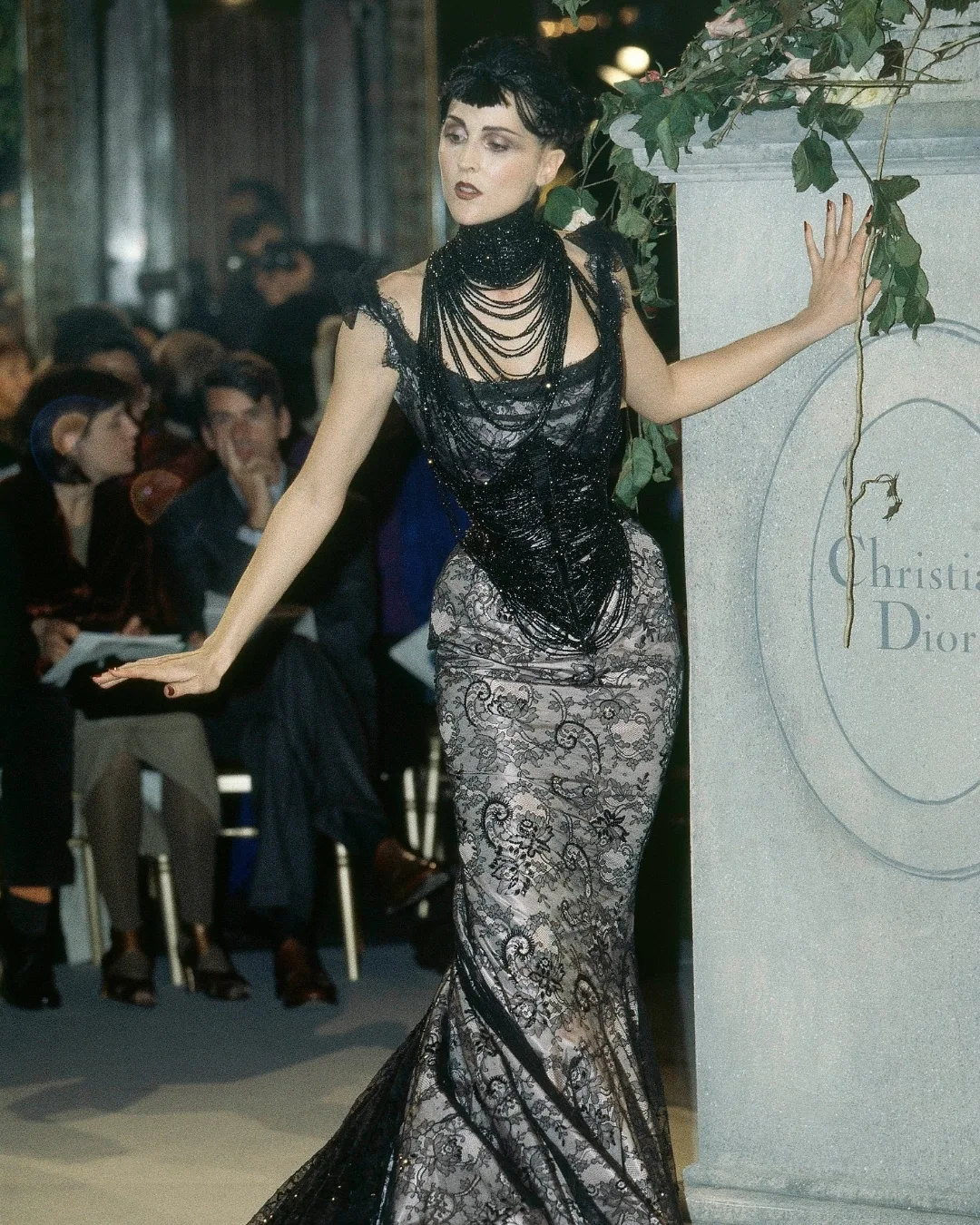
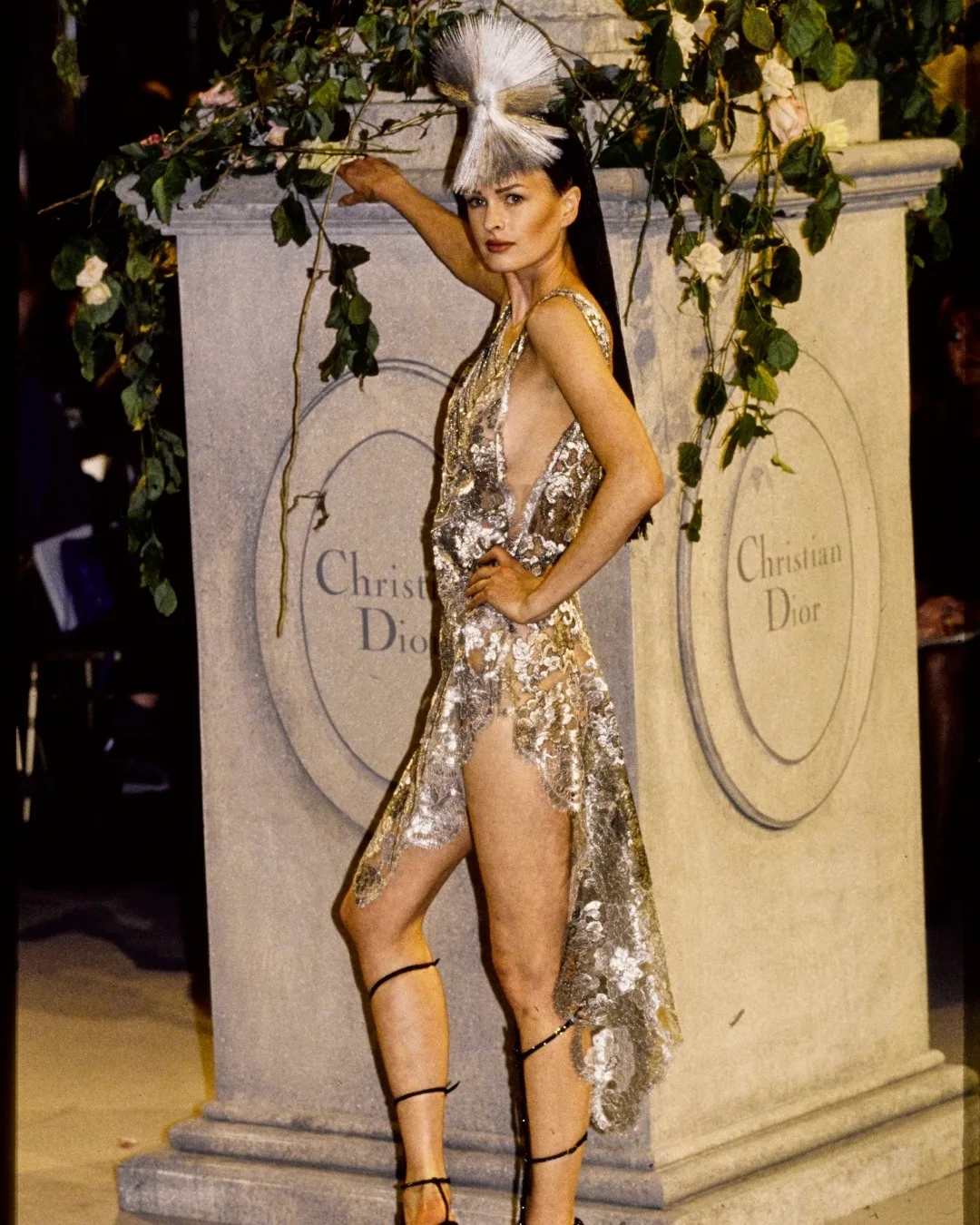
Running from May 9, 2027, through January 9, 2028, the exhibition will assemble “garments, accessories, sketches, toiles, research books and archival materials” to reveal Galliano’s singular ability to collapse history, geography, artistic tradition and identity into garments of extraordinary imagination.
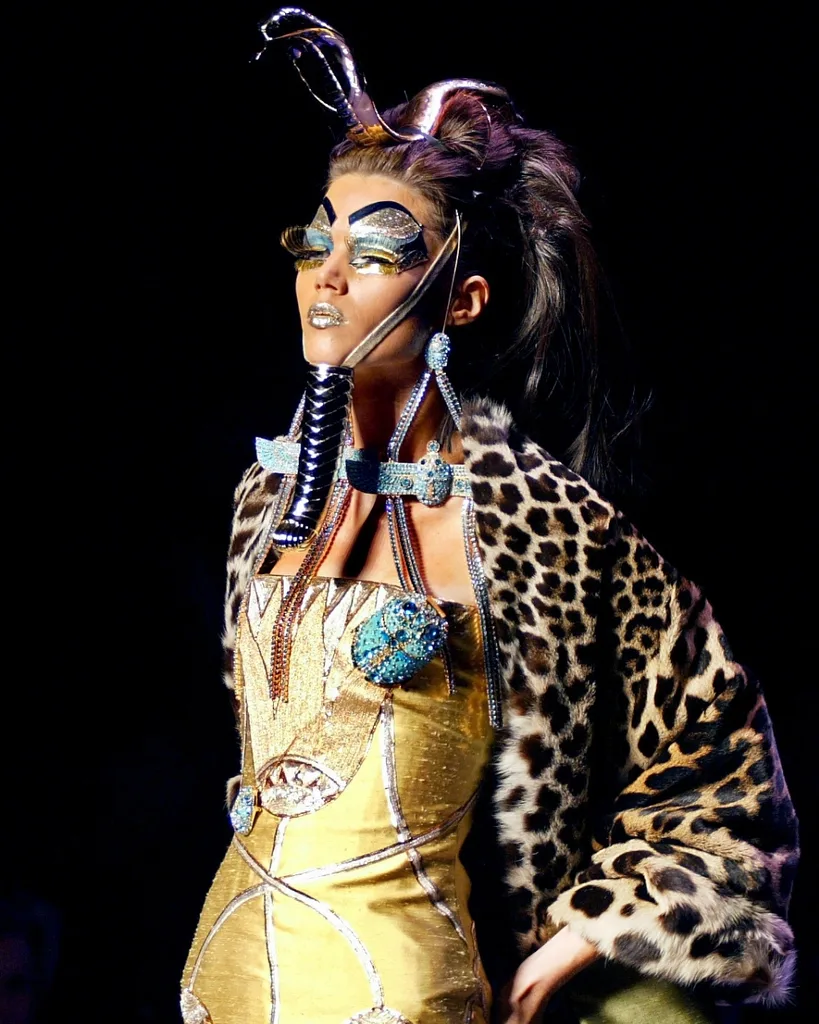
Expect everything from the theatrical excess of his Dior years and his brief yet much-lauded tenure at Givenchy to the astonishing craftsmanship of Maison Margiela’s spring/summer 2024 Artisanal collection.
While Galliano’s own creations will certainly dominate the Met steps, the evening will likely see an ebullient pastiche drawn from the theatricality, historical romanticism and visual codes that have defined his oeuvre.
The exhibition also marks a remarkably rare moment in the Costume Institute’s history. Only twice before has the museum dedicated a major exhibition to a living designer: Yves Saint Laurent in 1983, followed by Rei Kawakubo in 2017.
RELATED: 58 Iconic Met Gala Looks We’re Still Thinking About Years Later
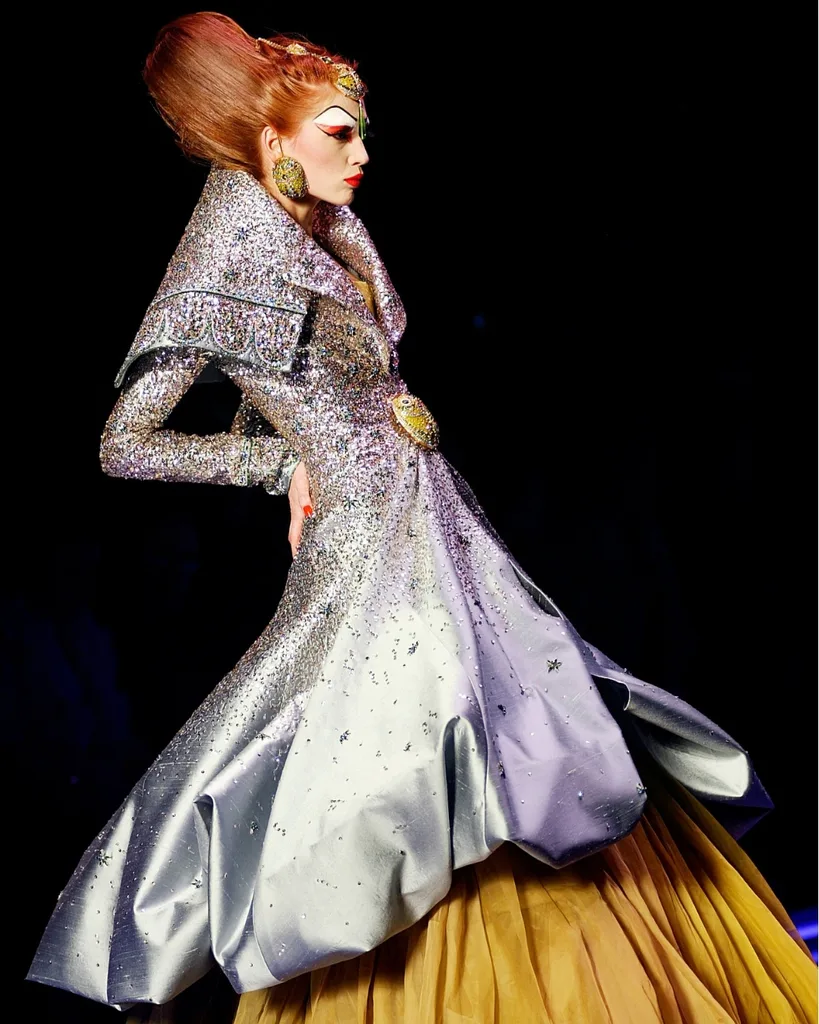
Of course, Galliano’s career cannot be discussed without acknowledging its most controversial chapter. In 2011, he was arrested in Paris after making antisemitic remarks during a public altercation, including the widely reported declaration “I love Hitler.” He was ordered to pay court fees and a fine, and was subsequently dismissed from Dior, entering a period of creative exile away from the spotlight.
Galliano later apologised, stating that he did not recall the incident, attributing his behaviour at the time to struggles with alcoholism and drug addiction.
In the years that followed, he embarked on a process of rehabilitation and personal reflection, eventually returning to fashion in 2014 as creative director of Maison Margiela. There, he steadily rebuilt his reputation, culminating in his final Artisanal show for the house in 2024 — a feat of bravura craftsmanship that became a viral sensation and reaffirmed his status as one of fashion’s most formidable visionaries. In March of this year, fast-fashion retailer Zara announced a two-year creative partnership with Galliano, in which he will “re-author” elements of the brand’s extensive archives.
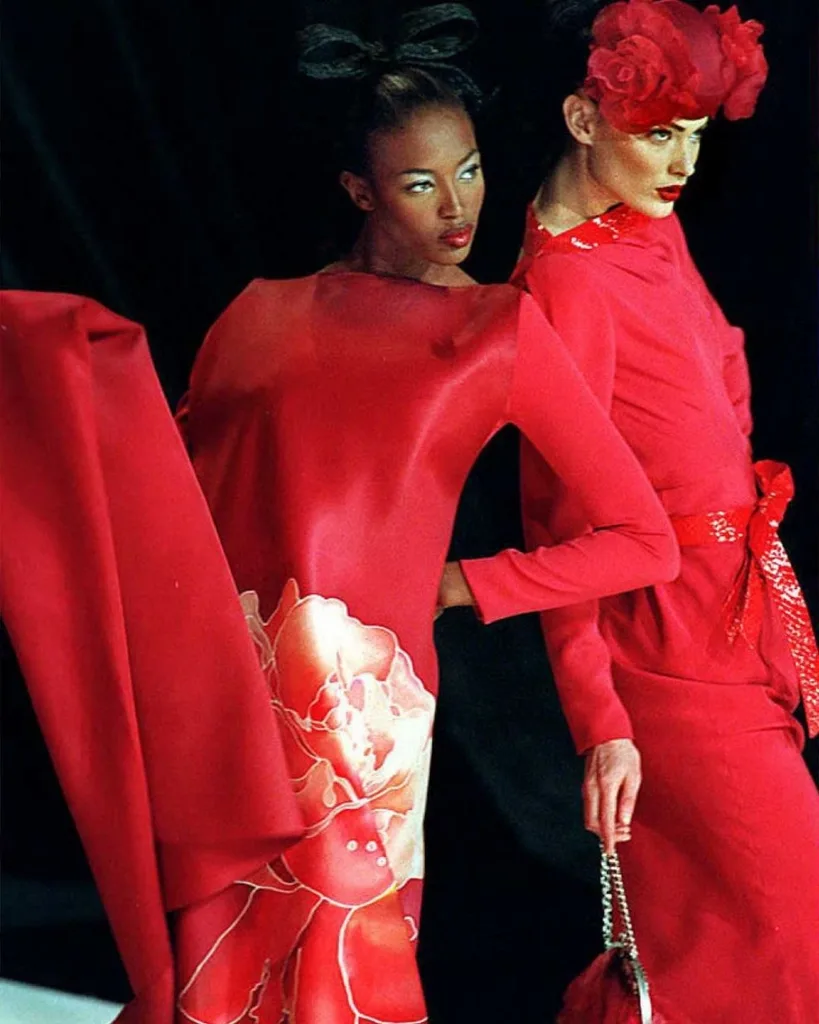
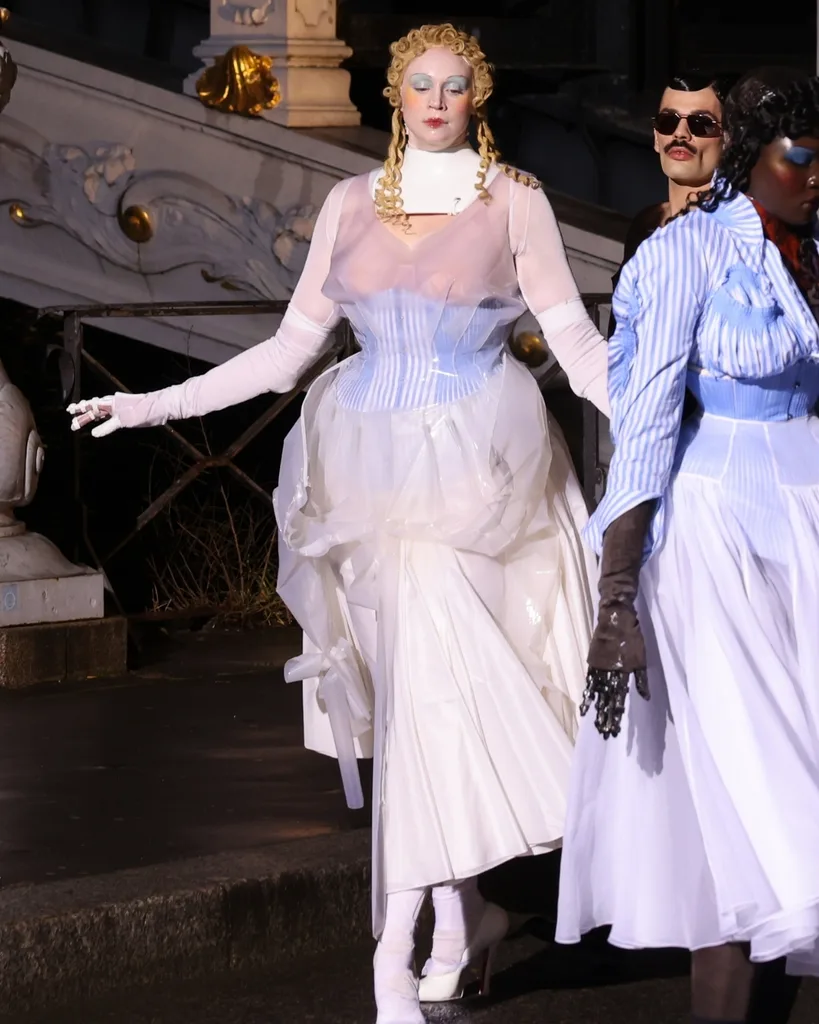
The Costume Institute has made it clear that the exhibition will address both Galliano’s creative legacy and the misconduct that reshaped his career. In announcing the exhibition, the museum stated: “Alongside Galliano’s extraordinary creative accomplishments, the exhibition will address the derogatory conduct that fundamentally altered his career and public reception. In doing so, the exhibition will consider how artistic achievement should be understood alongside ethical accountability.”
Anna Wintour echoed that sentiment, saying: “There is no-one more deserving of an exhibition of this scale than John Galliano. His body of work, at Dior, Givenchy, Margiela, his namesake label and more, combines erudition and creativity, darkness and light, the past, the present and the future in a brilliant way.”
She continued: “He’s a great designer and his career isn’t defined by a moment, something that he will live with for the rest of his life. The exhibition won’t shy away from any of the darkness in John’s past. It’s part of what has shaped him. The show will take in the full arc of his career and grapple with all of it.”
According to The New York Times, Wintour has sought input from a “handful of the most influential rabbis and Jewish leaders in New York City” over potential concerns surrounding next year’s Met Gala.



The newspaper also reported that Galliano himself has also been involved in the discussions alongside Wintour and Andrew Bolton, the Costume Institute’s curator in charge.
Rabbi Joshua Davidson, the leader of Temple Emanu-El, located near the Met, told The Times that he urged the exhibition to address not only Galliano’s creative legacy, but also the consequences of his past actions.
“What we had said to them is it would be powerful, poignant and productive if they were able to leverage it as an opportunity to teach about the reality of antisemitism, and somehow wrap into the exhibition the importance of fighting back and the dangers of antisemitism in this moment,” Davidson said.
These conversations come amid a broader climate of rising antisemitism, with Jewish communities around the world confronting increased acts of hatred and violence. In Australia, those concerns have been felt acutely following the 2025 terrorist attack at a Hanukkah event in Sydney, in which 15 people were killed.
Ultimately, the challenge for the exhibition will be balancing the celebration of Galliano’s creative contributions with a meaningful examination of the harm caused by his past conduct — and the broader questions it raises about artistic legacy, accountability and redemption.

