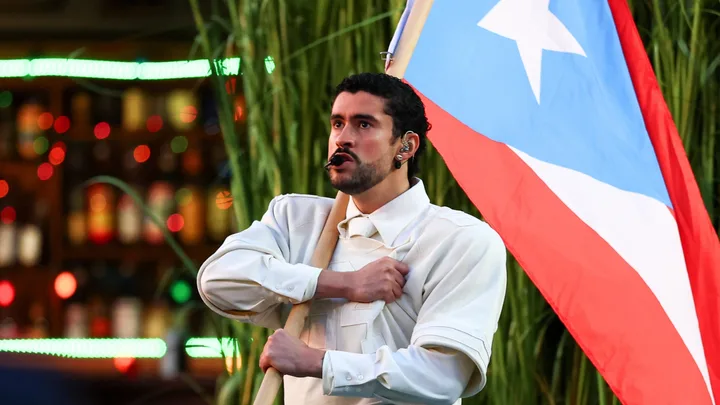
For the 2026 Super Bowl, Bad Bunny didn’t just take the halftime stage, he transformed it into a living love letter to Puerto Rico, culture and collective joy.
In the week leading up to kick-off in San Francisco, fans and critics alike speculated about what Benito might bring to the world’s biggest pop culture platform. He had already teased that “the world will dance,” and true to form, the performance delivered on spectacle, warmth and unity in equal measure.
Anyone who’s followed his career knows his intention: any Bad Bunny show, at any scale, is a party with purpose.
He opened with “Tití Me Preguntó,” launching into a tightly packed medley of career-defining hits that spanned his catalogue and introduced his world to the more than 100 million people watching. The set unfolded as a living homage to his visual universe, echoing his No Me Quiero Ir de Aquí residency in Puerto Rico.
The field was transformed into a Puerto Rican vecindad, complete with a barber shop, liquor store and his now-iconic casita, the small house where he once welcomed celebrity guests during his San Juan run.
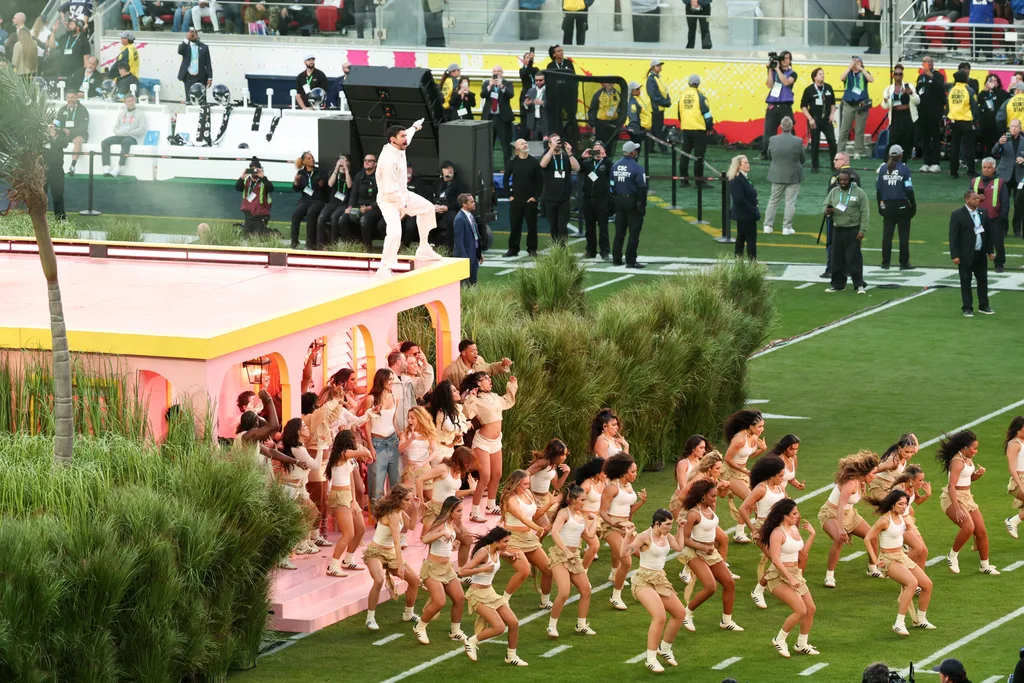
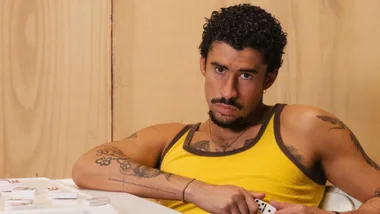
Friends including Karol G, Cardi B, Young Miko, Jessica Alba and Pedro Pascal were spotted dancing beneath the on-field roof as the performance spilled into sugar cane fields, piragua carts, domino tables and Old San Juan–style garitas.
The entire field became a giant dance floor of exuberant performers, layered with Easter eggs that we know fans will be decoding for weeks. Even Williamsburg legend Toñita Cay, immortalised in “NUEVAYoL,” made an appearance.
For the moment itself, Benito wore a custom football-jersey silhouette in creamy white leather, with his mother’s surname, Ocasio, embroidered across the back. In true Bad Bunny fashion, the look was finished with a subtle Adidas cameo: his newly unveiled BadBo 1.0 sneakers, already cementing their place in Super Bowl style lore.
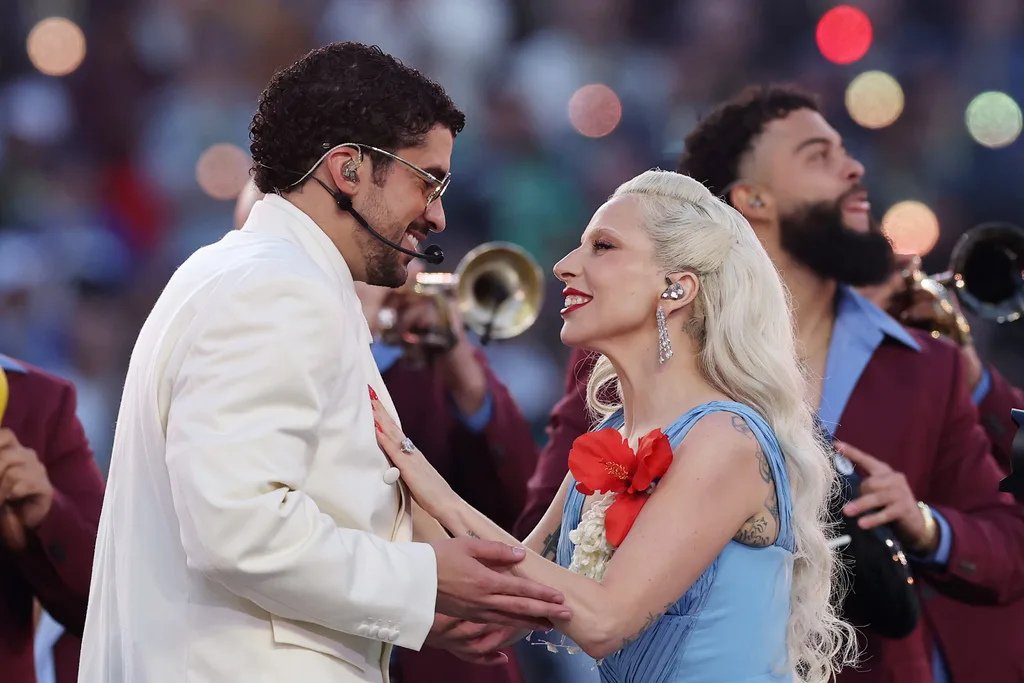
The celebrity guest appearances matched the scale of the moment. Lady Gaga appeared for a surprise salsa-tinged rendition of her Bruno Mars collaboration “Die With a Smile,” sharing a brief dance break with Benito in a custom Luar look as a couple were married onstage.
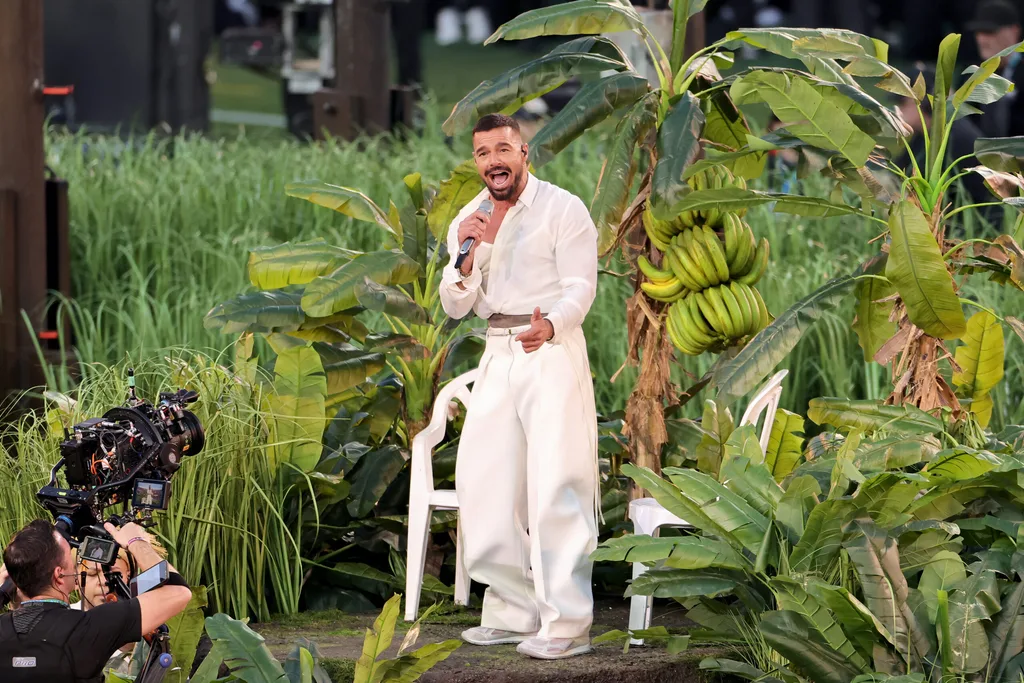
In another deeply symbolic moment, Bad Bunny welcomed fellow Puerto Rican icon Ricky Martin for a special performance from Debí Tirar Más Fotos, a meeting of generations that traced the lineage of Latin pop from its 90s crossover era to its current global dominance.
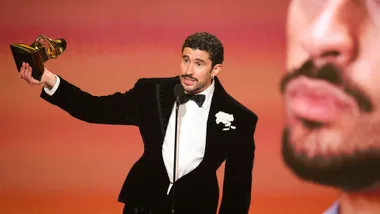
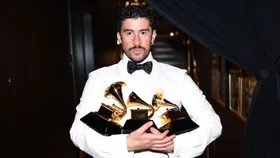
But the show was never just about spectacle. After his recent Grammys comments calling out ICE raids in the United States, Bad Bunny doubled down on the world’s biggest stage, blessing America before naming countries across North, Central and South America.
As a billboard flashed behind him reading “The only thing more powerful than hate is love,” the message landed as a clear rebuke to critics who had politicised the performance before it even began.
In one of the night’s most poignant moments, footage from his Grammy acceptance speech played on a small television, before a young boy appeared on stage and Bad Bunny handed him his Grammy award, a quiet, powerful symbol of care, dignity and visibility.
The performance felt like a culmination. From the runaway success of Un Verano Sin Ti in 2022, to his Coachella headline set in 2023, to last week’s historic Album of the Year win, this Super Bowl moment read as the natural peak of a decade spent refusing to dilute who he is or where he comes from.