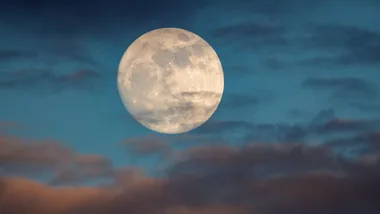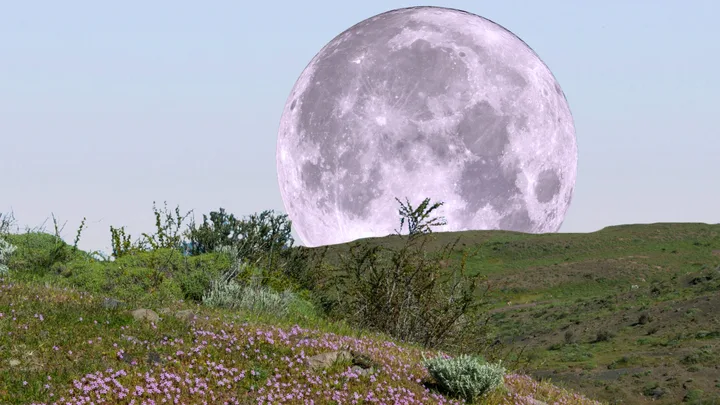
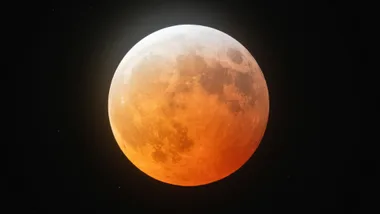
A luminous full moon is rising tonight. April’s full moon, known as the Pink Moon, reaches its peak on Thursday, April 2, 2026, marking the fourth of 13 full moons this year, a small quirk of the lunar calendar that occasionally stretches beyond the expected twelve.
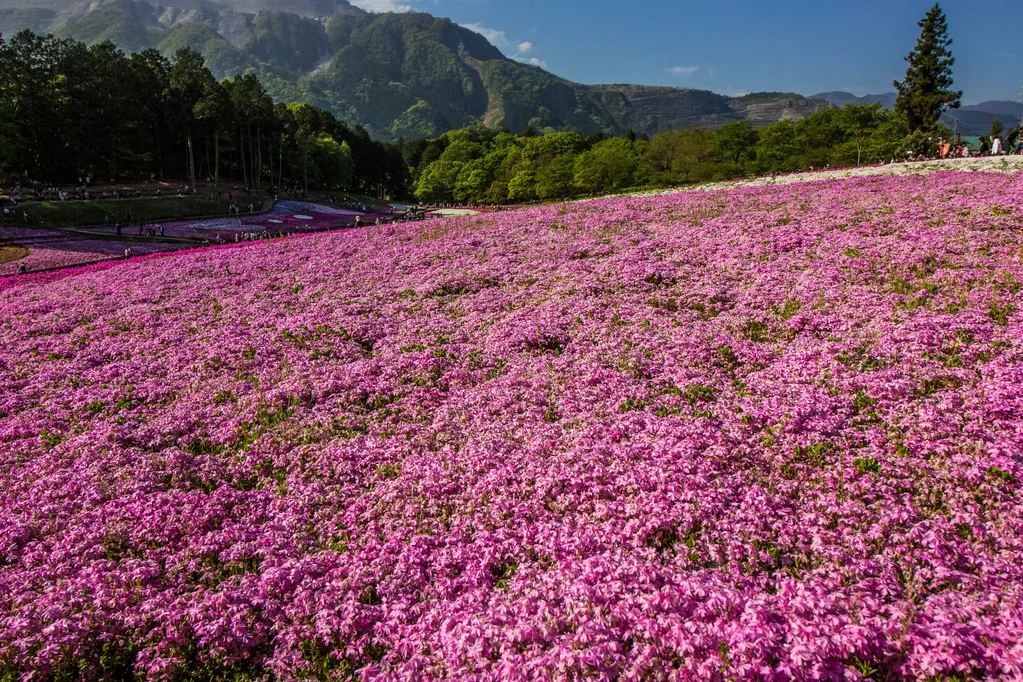
Despite its romantic name, it won’t actually blush pink. The title instead traces back to the seasonal bloom of pink phlox wildflowers across North America, which begin to appear as winter loosens its grip and spring edges in.

April’s full moon also carries calendrical weight. Known as the Paschal Moon in the Western Christian tradition, it determines the date of Easter, which falls on the first Sunday after the first full moon following the spring equinox. In 2026, that places Easter Sunday on April 5.
Here’s everything you need to know about April’s full Pink Moon, including exactly when and where to see it across Australia.
The Pink Moon reaches its peak on Thursday, April 2, at around midday in most Australian cities. Though its fullest moment occurs in daylight, it will appear at its most striking after dark, rising luminous and full against the night sky.
The Pink Moon will peak just after midday in most Australian cities, but it will reveal its full brilliance once darkness falls in your state. Use the table below as your guide.
| City (Time Zone) | Peak Time | Best Viewing (After Sunset) |
|---|---|---|
| Sydney (AEDT) | 1:11 pm | 6:50 pm |
| Melbourne (AEDT) | 1:11 pm | 7:13 pm |
| Brisbane (AEST) | 12:11 pm | 5:45 pm |
| Adelaide (ACDT) | 12:41 pm | 7:10 pm |
| Canberra (AEDT) | 1:11 pm | 6:58 pm |
| Hobart (AEDT) | 1:11 pm | 7:01 pm |
| Darwin (ACST) | 11:41 am | 6:49 pm |
| Perth (AWST) | 10:11 am | 6:12 pm |
In astrology, the moon governs our emotional landscape. Moving through a 29.5-day cycle and each zodiac sign in roughly 2.5 days, it reflects not just sunlight, but our shifting inner world. Where the sun represents identity, the moon is instinct, memory and feeling, quietly shaping how we respond to everything around us.
A full moon marks the midpoint of this cycle. Occurring when the sun and moon sit opposite each other, it brings maximum illumination, both in the sky and symbolically. What has been building beneath the surface tends to reveal itself. Emotions heighten, clarity sharpens, and unresolved tensions often rise into view.
This intensity can feel destabilising, but it is also illuminating. The full moon invites release, reflection and, at times, reckoning. Sleep may be lighter, dreams more vivid, and reactions more immediate. Yet within that heightened state lies potential: for insight, creativity and a deeper understanding of what has been asking for attention.
The full moon in May is known as the Flower Moon, a name that reflects the abundance of blooms across the Northern Hemisphere at this time of year. It is also traditionally referred to as the Planting Moon, the Milk Moon and, in some folklore, the Hare Moon. In Australia, the Flower Moon will rise on May 2.

Related stories

Native ad body.

Native ad body.


Native ad body.