NEED TO KNOW
- A moderate (G2) geomagnetic storm is forecast to reach Earth tonight, following an X1.1 solar flare.
- Best chances are in Tasmania and Victoria, with possible sightings in southern NSW, the ACT, South Australia and southern WA if conditions hold.
- Head outside 60–70 minutes after sunset, find a dark spot with a clear southern horizon, and check back for updates as the storm’s timing can shift.
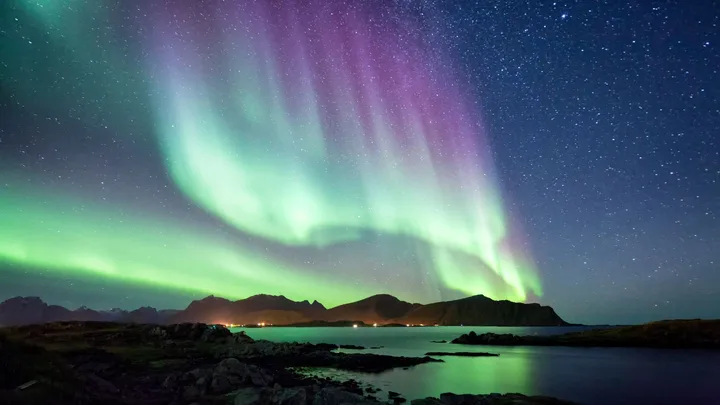
From micromoons to multiple Auroras, there’s been plenty of reason to look up this winter. Yet again, we’re casting our gaze skyward as another Aurora Australis is predicted to turn dark night into a spectacular show of technicolour.
The Aurora Australis is forecast to make a return appearance across parts of Australia tonight, July 3rd, with a moderate geomagnetic storm set to reach Earth this evening.
Earlier this week, the Sun released an X1.1-class solar flare from an active sunspot known as AR4479, hurling a cloud of electrically charged particles into space — what scientists call a coronal mass ejection, or CME. Most of that plasma is expected to sail north of Earth, but forecasters say we’re still in line for a glancing hit as the outer edge of the cloud brushes past our planet.
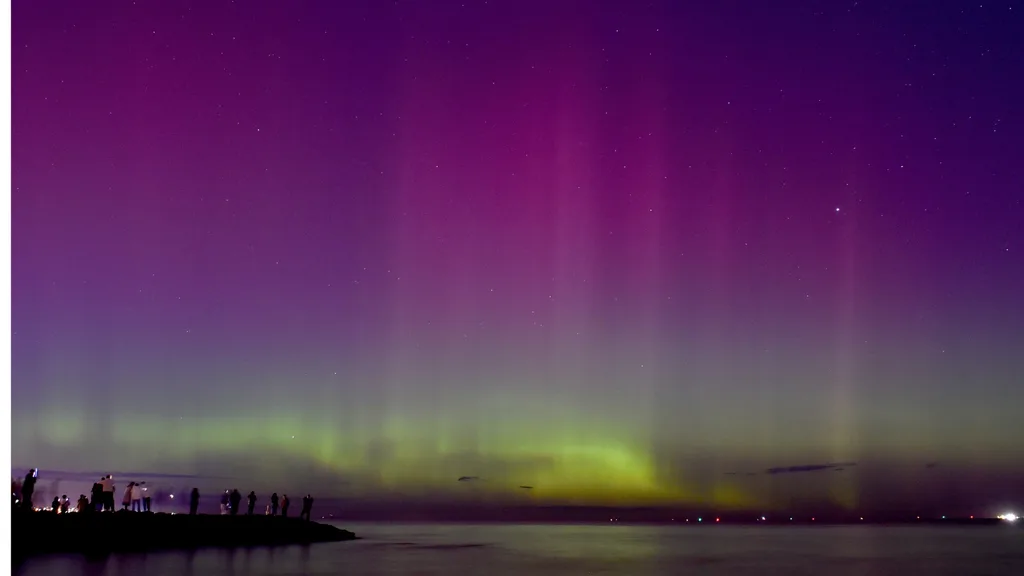
When those charged particles collide with Earth’s magnetic field, they get funnelled toward the poles, where they interact with gases in the atmosphere and light up as the shimmering curtains of colour we know as the Southern Lights. The stronger the collision, the further from the poles that glow can be seen — which is why tonight’s moderate storm gives southern Australia a shot at spotting it.
Where To See Tonight’s Aurora Australis
The strongest displays are expected across New Zealand, Tasmania and Victoria, where auroral activity is most commonly observed.
If the storm intensifies to G2 level and skies stay clear, sightings could extend to southern NSW, the ACT, South Australia and southern WA.
What Time Is The Aurora Australis Visible Tonight?
| Region | Sunset | Best viewing window |
|---|---|---|
| Tasmania (Hobart) | 4:47pm | 5:45pm–6:00pm |
| Victoria (Melbourne) | 5:12pm | 6:10pm–6:25pm |
| Southern NSW / ACT (Sydney/Canberra) | 5:00pm | 6:00pm–6:10pm |
| South Australia (Adelaide) | 5:15pm | 6:15pm–6:25pm |
| Southern WA (Perth) | 5:23pm | 6:20pm–6:35pm |
Solar weather is notoriously unpredictable, so timings may shift depending on when the CME actually reaches Earth’s magnetic field. Worth keeping one eye on the Bureau of Meteorology’s Space Weather page as the evening goes on.
Tips For How To See The Aurora
Even under the right conditions, the aurora can be easy to miss if you’re not set up for it. A few small adjustments to where and how you watch can make the difference between a washed-out sky and a proper light show.
- Get away from city lights. Regional or coastal spots with an unobstructed southern horizon give you the best shot.
- Face south. The Aurora Australis appears low on the southern horizon from mainland Australia, not overhead.
- Cold, clear nights are ideal — cloud cover will block the view entirely, no matter how strong the storm is.
- If you can’t see much with the naked eye, try your phone camera. Long exposure often picks up colour that isn’t visible to the naked eye.
- Patience is key. Auroras come in waves (sub-storms), so a quiet sky doesn’t mean it’s over.

Related stories

Native ad body.

Native ad body.



Native ad body.