For some, travel is about the comfort of the familiar — revisiting favourite destinations or finally ticking off the world’s most iconic landmarks. But for true travellers, the thrill lies elsewhere: in the under-the-radar, not-yet-hotspot destinations that feel like a discovery.
How does one tap into such travel niches? They turn to indisutry insiders, like we have, to discover the trends shaping travel in 2026.
The “Soft Return” Effect
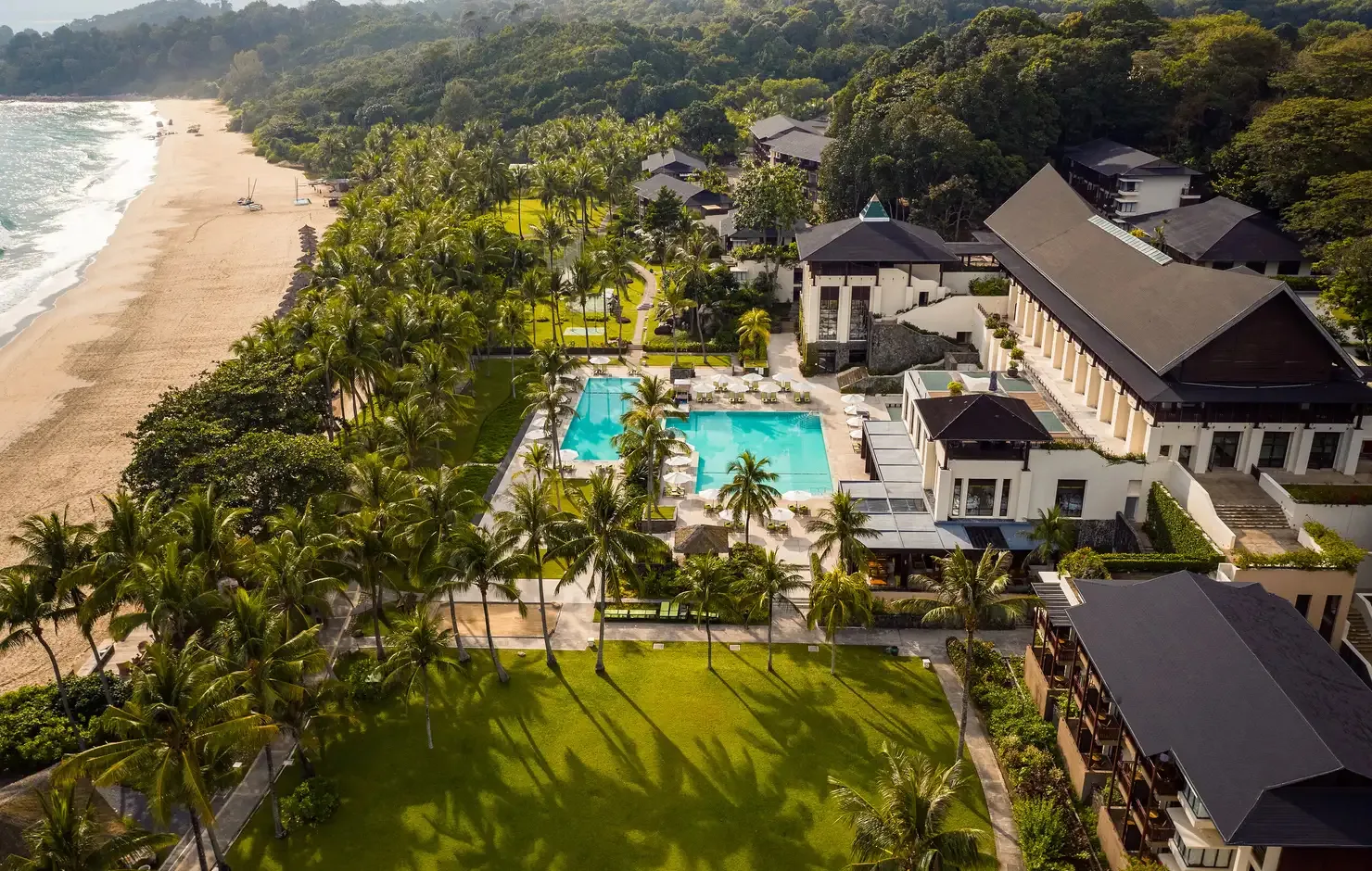
The era of the jam-packed itinerary is giving way to something gentler. Dubbed the “Slow-End Holiday”, the trend sees travellers tacking a few deliberate days of rest onto the end of a high-energy trip — so they arrive home restored rather than wrung out.
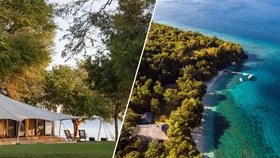
According to data sourced from Club Med, bookings to Bintan Island are up 18 per cent year-on-year, with many travellers pairing a fast-paced Singapore stopover or Southeast Asia circuit with a short stretch of genuine switch-off time.
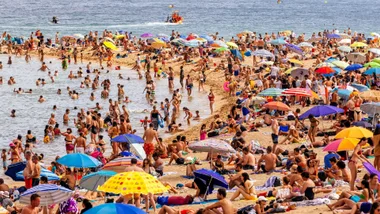
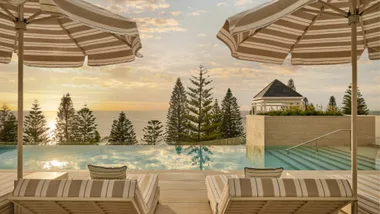
After all, why undo the benefits of a holiday by racing to the airport straight from a city sprint? Instead, travellers are closing out trips with white-sand beaches, slower mornings and structured nothingness. It’s less about doing more, and more about finishing well.
The New It-Cities
As headline cities strain under visitor numbers, travellers are increasingly looking sideways.
In Croatia, while Dubrovnik and Split remain mainstays, Šibenik is emerging as a compelling alternative. The city charms visitors with its stunning medieval architecture, the UNESCO-listed St. James Cathedral, and scenic Adriatic coastlines dotted with islands and fortresses. It’s best reached via nearby Split or Zadar airports followed by a scenic drive or bus along the coast.
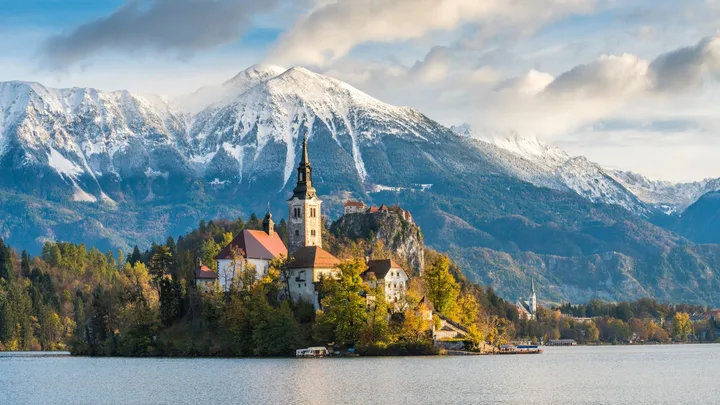
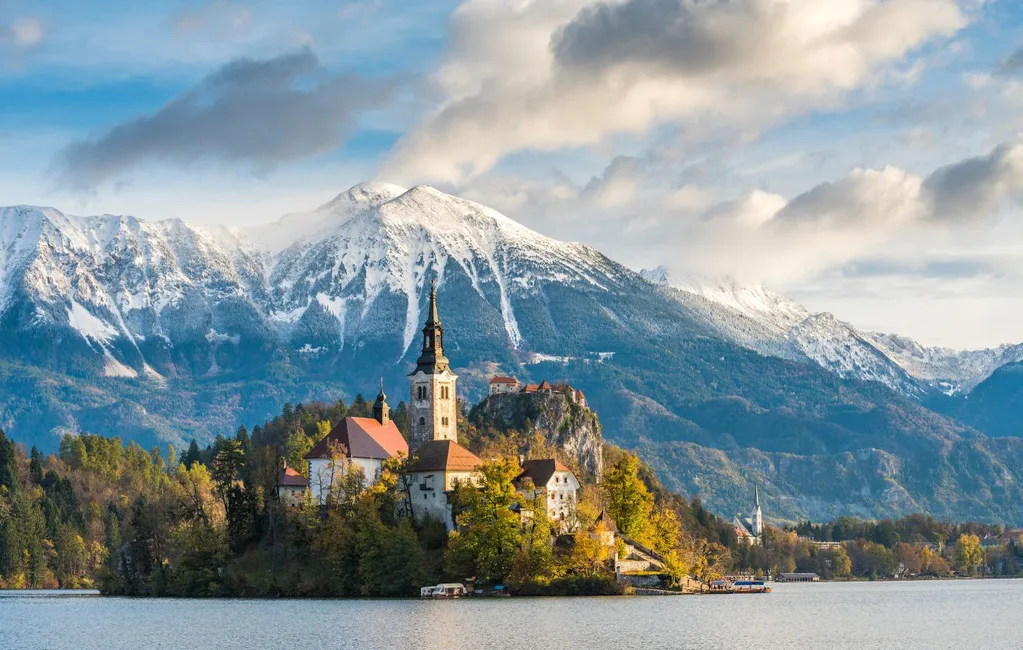
Beyond Croatia, neighbouring Slovenia is experiencing a 286 per cent year-on-year increase in bookings according to Unforgettable Croatia, and enchants visitors with its charming riverside old town, pastel-colored architecture, and vibrant café culture.
Then, there’s Montenegro which is tracking 20 per cent up and captivates travelers with its dramatic Bay of Kotor, medieval city walls, and winding cobblestone streets.
Safari, Reimagined
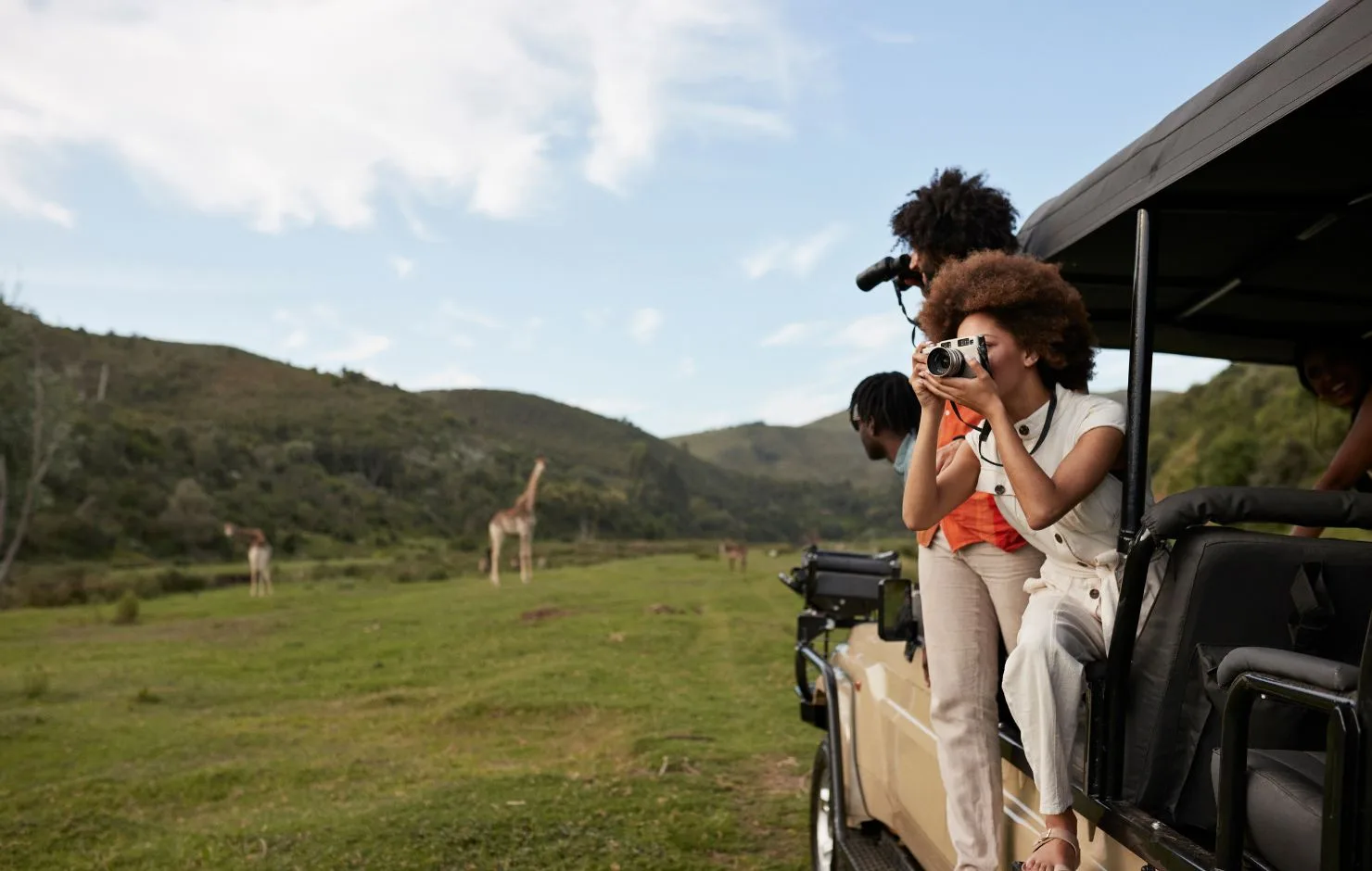
For those after specific destination trends, set your sights on South Africa. Wildlife-led travel is experiencing a notable spike with search interest in safari-style holidays surging by 90 per cent between October 2025 and January 2026.
But this isn’t the rugged, trade-comfort-for-adventure safari of decades past. Today’s safari traveller expects immersion and ease in equal measure.
South Africa is emerging as a front-runner, with itineraries pairing game drives in Kruger National Park or Addo Elephant Park with time along Plettenberg Bay or the Garden Route. The appeal lies in narrative — wildlife, landscape, culture — without sacrificing comfort.
In 2026, safari is less about ticking off the Big Five and more about storytelling: conservation, local knowledge and slow observation.
The Short-Distance, Long Escape
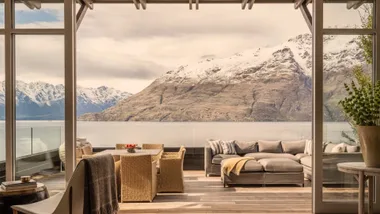
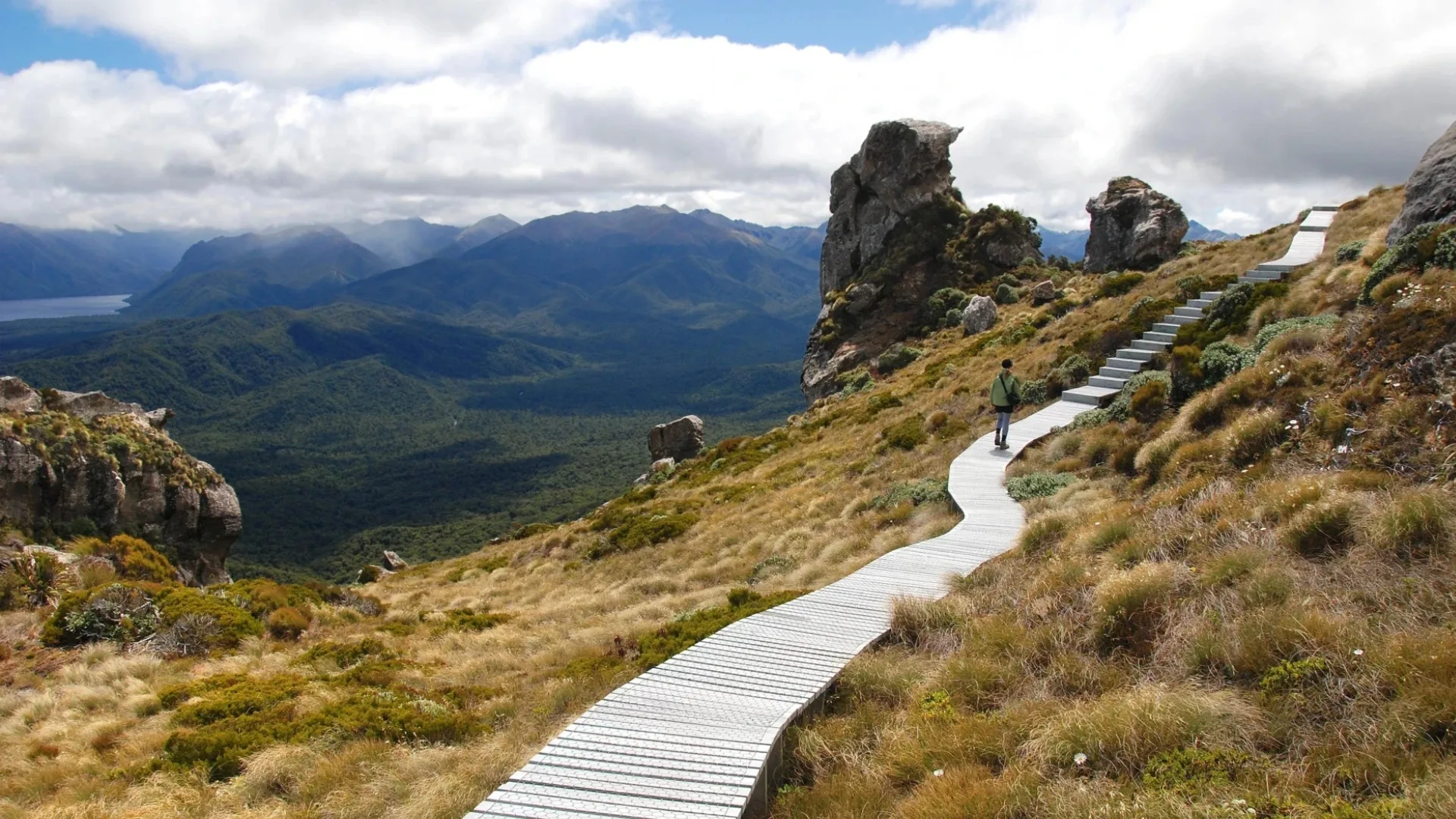
New Zealand is shedding its “default long weekend” reputation and stepping into its own as a destination for slow, intentional, landscape-first travel — no 24-hour flight required. Leading the charge is the Hump Ridge Track in Fiordland, newly minted as New Zealand’s tenth Great Walk, winding through ancient forest and alpine tussock to dramatic sea-cliff views — a serious contender for hikers chasing the kind of raw, remote nature currently driving safari and small-ship bookings elsewhere.
For the soft-return effect, Rotorua delivers in spades: mineral-rich mud pools, native Māori cultural experiences and forest-fringed lakes make it the ultimate decompression stop after a high-energy leg of the trip. And then there’s Queenstown. Long New Zealand’s glamour posterchild, now entering 2026 with renewed relevance as adrenaline tourism meets elevated hospitality, from lakefront dining to heli-accessible trails alongside the bungee jumps the town built its name on.
Read more at newzealand.com/au
Setting Sail
Australians are increasingly cottoning on to the joy of small-ship cruising, one of the fastest-growing segments in global travel. With fewer guests onboard, higher crew-to-guest ratios and access to smaller, lesser-known ports, the format offers intimacy that mega-ships simply can’t.
The appetite for so-called “micro cruising” reflects a broader desire to sidestep overtourism. Boutique ships — some carrying fewer than 40 guests — can dock in lesser-trodden ports and foster deeper, more personalised experiences.
While small ships are redefining intimacy, mega-ships are undergoing a reinvention of their own.
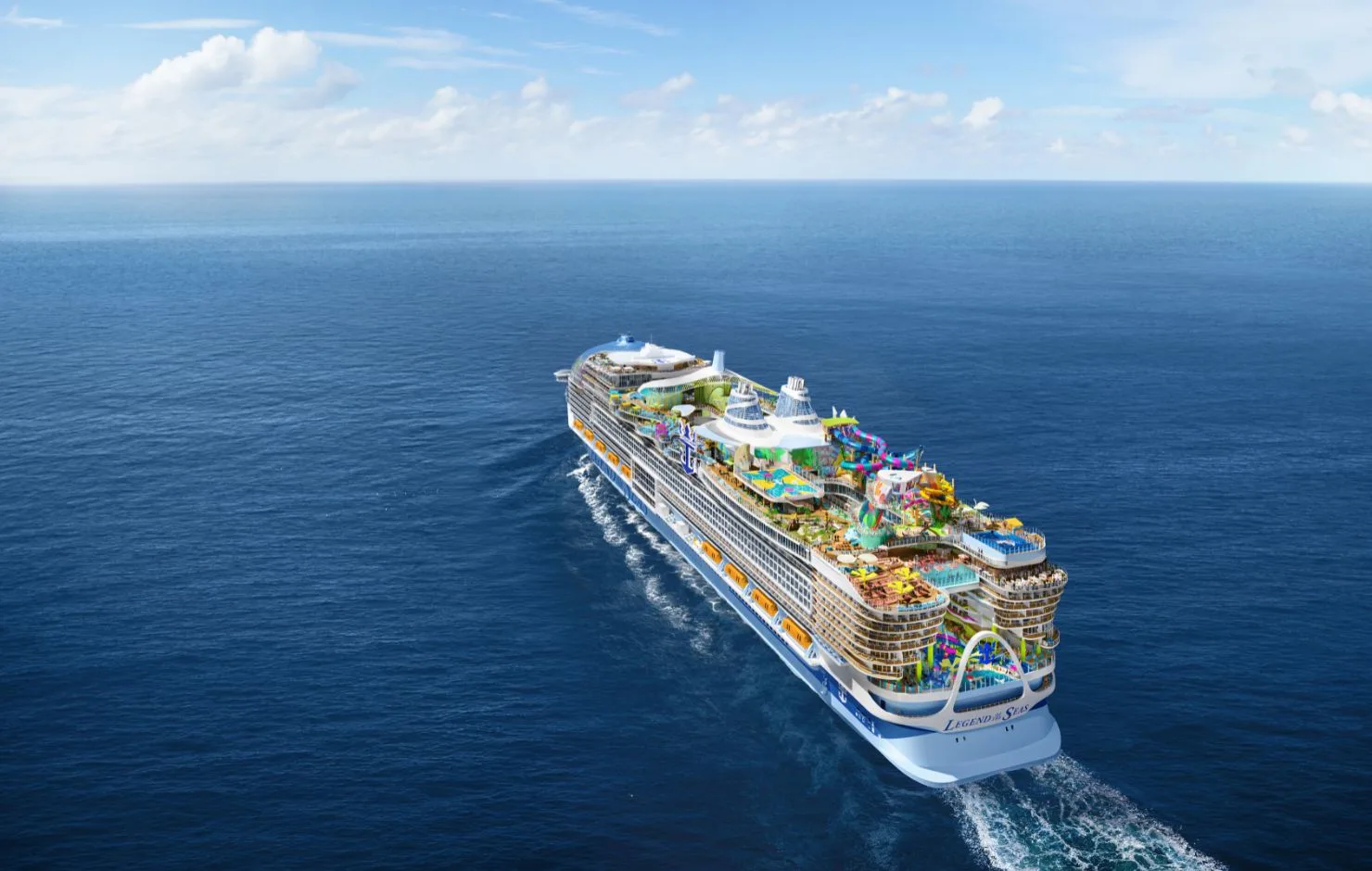
In February 2025, Royal Caribbean International unveiled Legend of the Seas, the third vessel in its record-breaking Icon Class, set to debut in Europe in July 2026 before sailing the Caribbean from November.
If smaller ships are answering the call for intimacy, Icon Class vessels reflect another 2026 truth: travellers still want spectacle — but with smarter zoning, elevated dining and built-in flexibility for families travelling together.

Related stories

Native ad body.
Native ad body.

The Holiday That Makes You Feel Like Yourself Again

Native ad body.