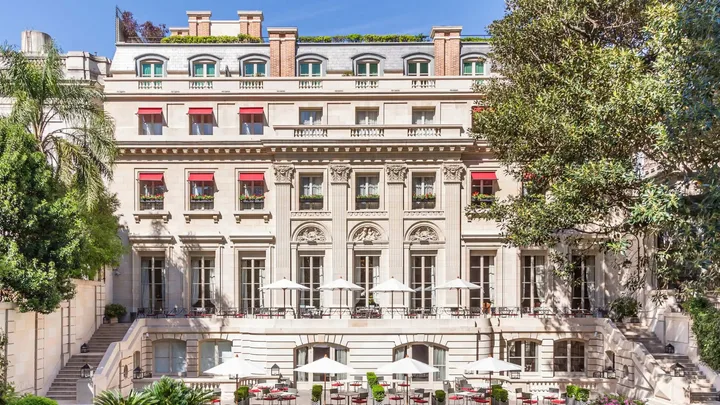
I’ve stayed in beautiful hotels before, but Palacio Duhau – Park Hyatt Buenos Aires feels less like a hotel and more like a private palace that happens, for a couple of indulgent days, to be my home.
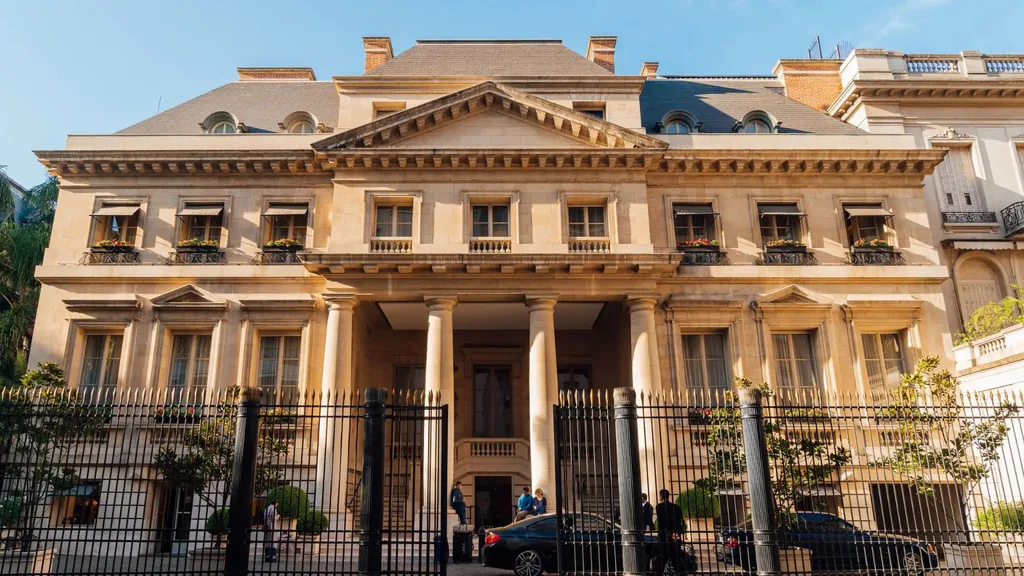
In Recoleta – that elegant, tree-lined enclave of embassies, museums and couture boutiques – the Palace sits with unmistakable European poise. Inspired by the classicism of France’s Château du Marais, it has defined this stretch of Alvear Avenue since 1934. Commissioned by Luis Duhau, then Argentina’s Minister of Agriculture, and designed by French architect León Dourge, the Louis XVI–style residence was audacious even for its time. Marble arrived from Italy, oak panelling from Normandy, chandeliers from across Europe. Today, declared a National Historic Monument and meticulously restored, it stands as one of the last great aristocratic mansions of Buenos Aires – seamlessly woven into modern city life.
For more than half a century, this was not a hotel but a family home. The Duhau family entertained Argentina’s political and social elite in these salons; children grew up running through the gardens that now connect the Palace to the modern tower. What is now Oak Bar once served as a private office. The grand staircase wasn’t designed for guests with carry-on luggage, but for evening gowns and formal receptions.
From the street, the neoclassical façade sets the tone: wrought-iron balconies, manicured gardens. Inside, marble floors shine beneath crystal chandeliers. The hotel unfolds across two distinct buildings. The original Palace where the Duhau family lived houses 23 guestrooms, including 12 suites, layered with parquet floors, silk curtains, antique carpets and classical mouldings. Staying here feels like stepping into Buenos Aires’ golden age. Plus, guests here get a private butler. If you’re wondering what life with a butler looks like: your suitcases are unpacked within minutes, restaurant reservations secured effortlessly and shoes are polished while you sleep.
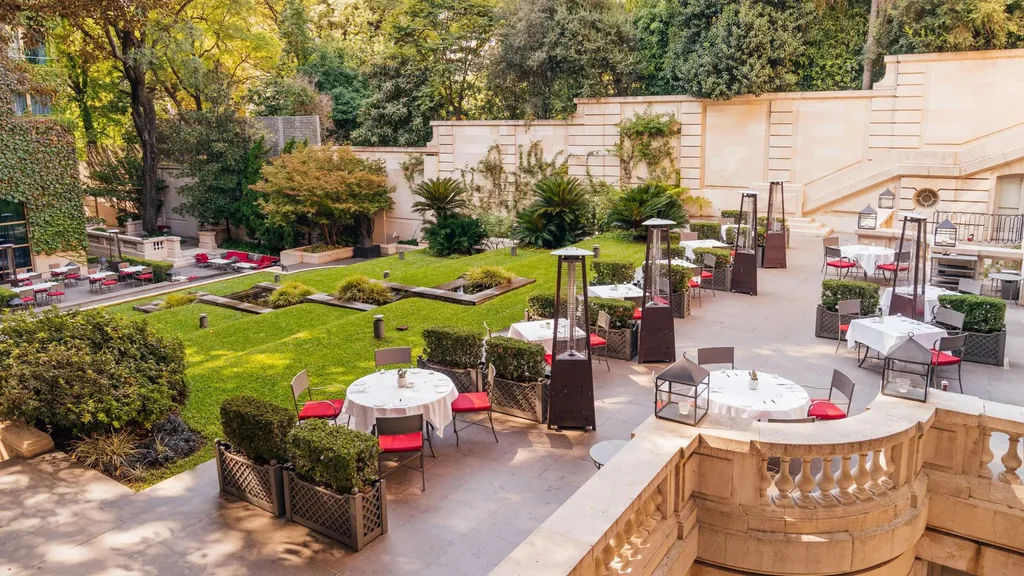
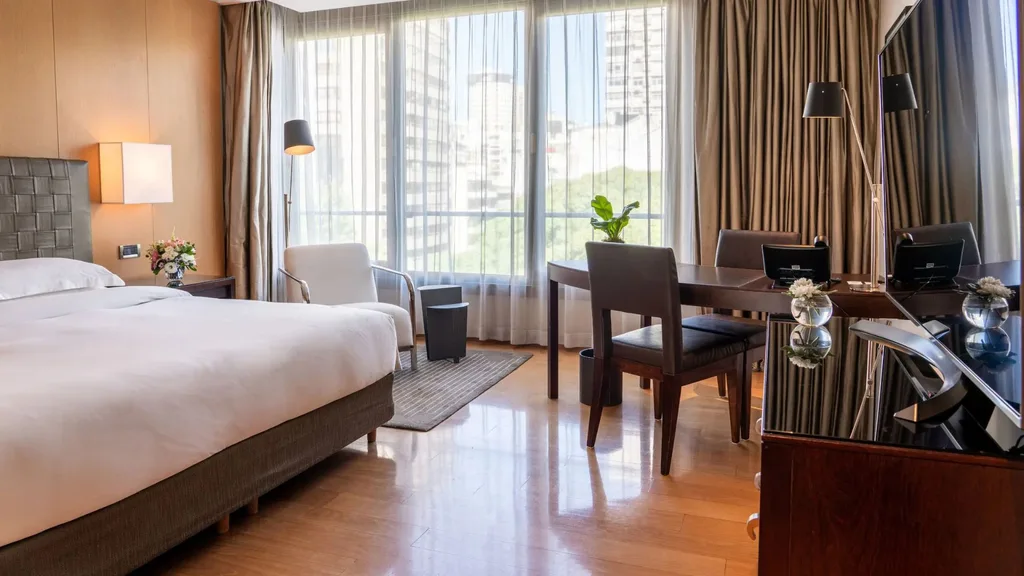
Across the expansive gardens – which stretch down the 4,400-square-metre property, planted with ancient trees, white roses and camellias – the contemporary Posadas building offers 142 guestrooms and 27 suites in a softer, more minimalist palette. I chose the modern side and loved the balance: cream and chocolate tones, black-and-white photography of the city, expansive marble bathrooms with standalone tubs and elegant, unfussy furnishings.
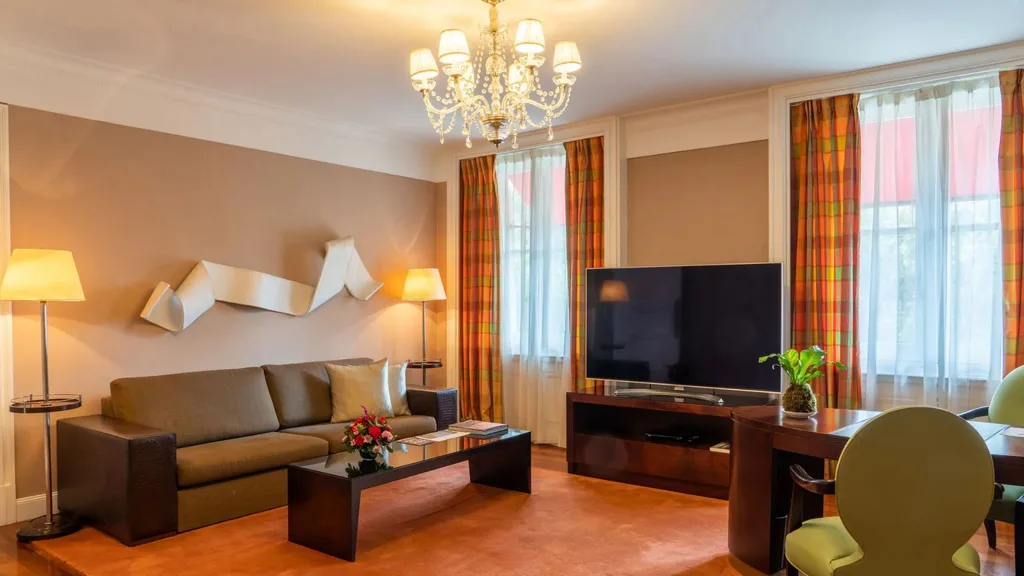
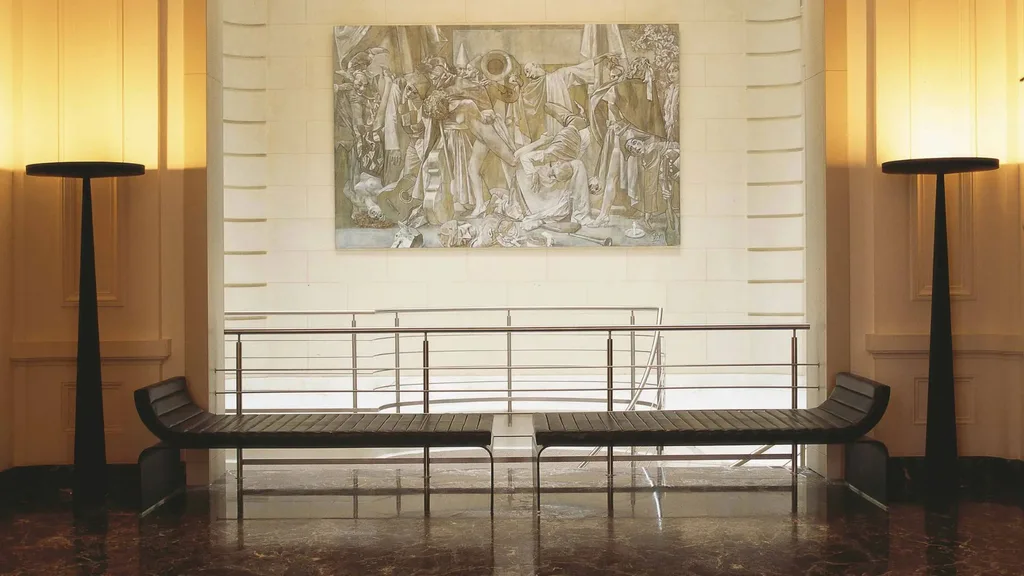
Art is embedded in the hotel’s DNA. The Palace and tower are connected not only by gardens but by an underground gallery space hosting rotating contemporary Argentine exhibitions throughout the year. Sculpture, photography and painting span generations, and you can even book a guided tours with the hotel’s art specialists.
Dining is a dream. There are three restaurants at the hotel. At the heart of the Palace sits Los Salones del Piano Nobile. It’s here breakfast unfolds beneath high ceilings and tall windows overlooking the gardens, sunlight filtering across polished floors (tip: if weather permits, sit outside in the garden). Throughout the day, refined small plates and elegant snacks are served here, but it is afternoon tea that steals the show: polished silver, delicate pastries and impeccable service. Speaking of baked goods, the Duhau Pâtisserie, tucked within the public spaces, is reason enough to visit (the macarons are especially exquisite).
The Michelin listed Duhau Restaurante & Vinoteca celebrates sophisticated Argentine cuisine – flame-seared meats, seasonal vegetables, fresh seafood – paired with an extraordinary wine list showcasing hundreds of primarily Argentine labels. A dedicated cheese room elevates tastings into an experience.
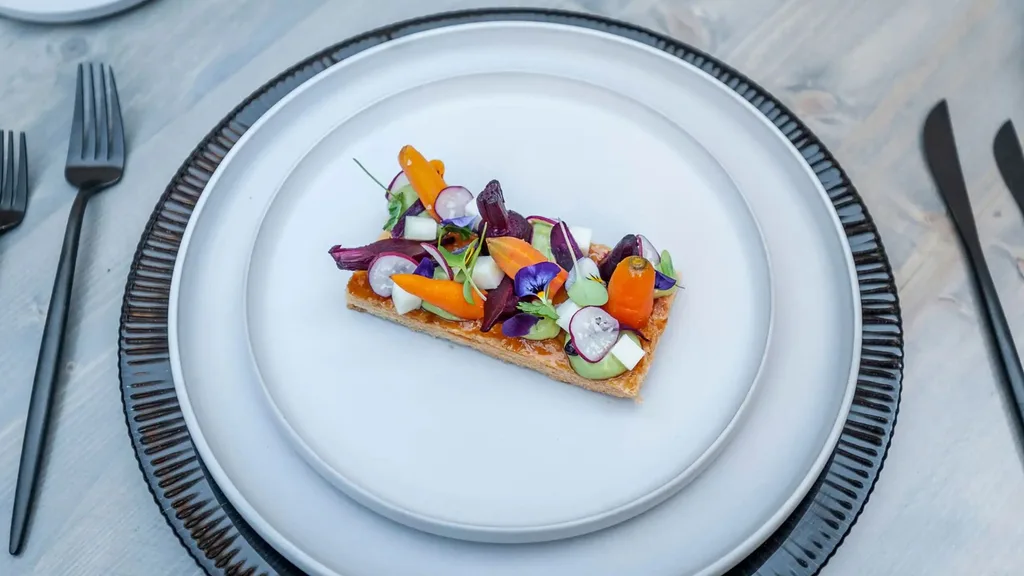
Then there’s Gioia Cocina Botánica – a fresh take on Italian dining that places sustainability at its core. The menu is carefully considered, pairing seasonal, produce-driven dishes with biodynamic and organic wines, alongside expertly made non-alcoholic cocktails. It’s no surprise the restaurant has been recognised by the Michelin Guide. Meanwhile, Oak Bar channels old-world club sophistication, with historic timber panelling, a fireplace, extensive cocktail list and a terrace.
Beyond dining, the hotel encourages exploration. Bicycles are available for visits to Puerto Madero’s waterfront, Palermo’s creative energy and San Telmo’s colonial charm or La Boca’s tango heritage.
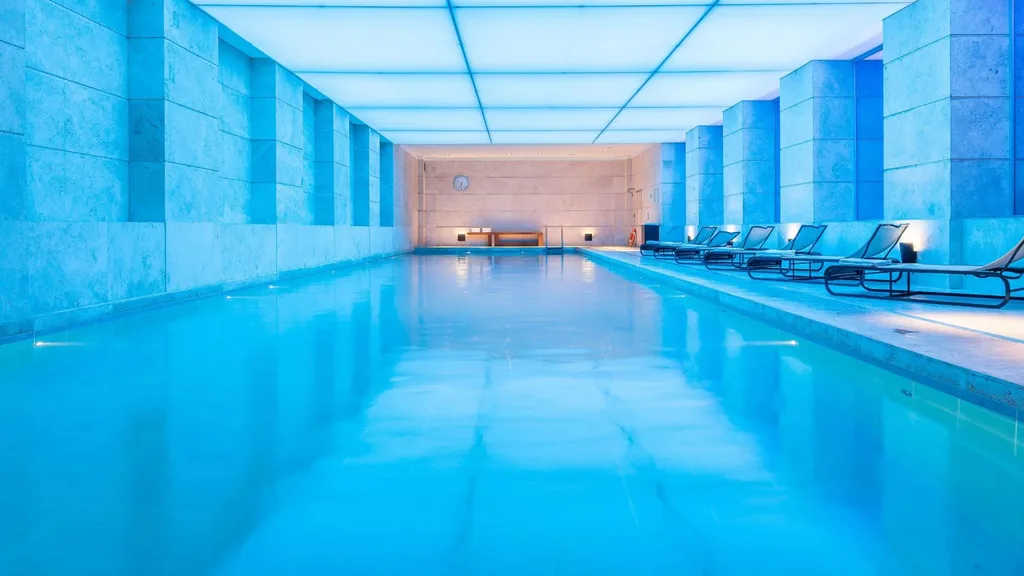
Back inside, Ahín Wellness & Spa offers a serene counterpoint: a heated pool, five treatment rooms and a state-of-the-art fitness studio.
In a city already rich with Belle Époque facades, tango rhythms and world-class red wine, Palacio Duhau distils that spirit into one extraordinary address. Palacio Duhau feels less like a hotel and more like a private palace that happens to be, for a couple of indulgent days, my home.
To book, go to hyatt.com

Related stories
Native ad body.
Native ad body.


The Holiday That Makes You Feel Like Yourself Again

Native ad body.