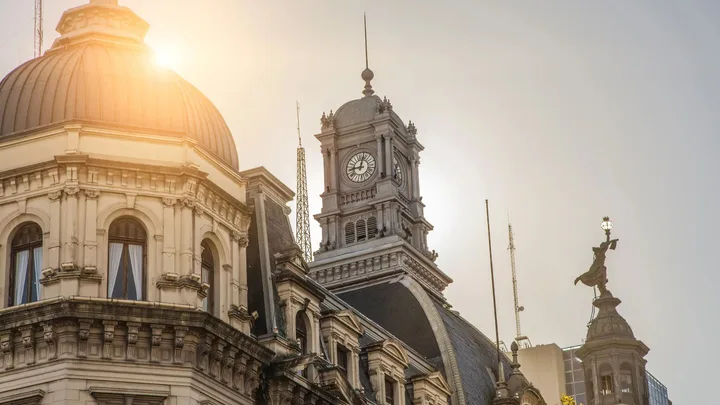
Everyone will tell you that Buenos Aires is the Paris of South America, and honestly, they’re right. It’s charming, colourful and chaotic, and 48 hours isn’t enough. Here’s what to do, where to go, and stay in this charming city.
DAY ONE
Start in Recoleta, where Buenos Aires displays its most European self. Wide boulevards, Belle Époque facades and an aristocratic polish sets the tone. Begin at the Recoleta Cemetery -yes, a cemetery, but one that reads more like a miniature city of marble mausoleums. Presidents, poets and Eva Perón rest here. It’s haunting and beautiful in equal measure. From there, walk to the Museo Nacional de Bellas Artes. Even a brisk pass through will give you context: Argentinian masters alongside European heavyweights. Pause for coffee at La Biela, the grand café institution on Avenida Quintana. Order a cortado and a medialuna and watch porteño life unfold beneath the jacarandas.
For lunch, head north to Palermo. Design stores, indie labels and street art give it edge. Try to secure a booking at Don Julio – it’s the city’s most celebrated parrilla for a reason. Order a bife de chorizo, provoleta and a bottle of Malbec. Spend the afternoon in the Bosques de Palermo, where couples picnic beside the Rosedal and runners loop around the lakes.
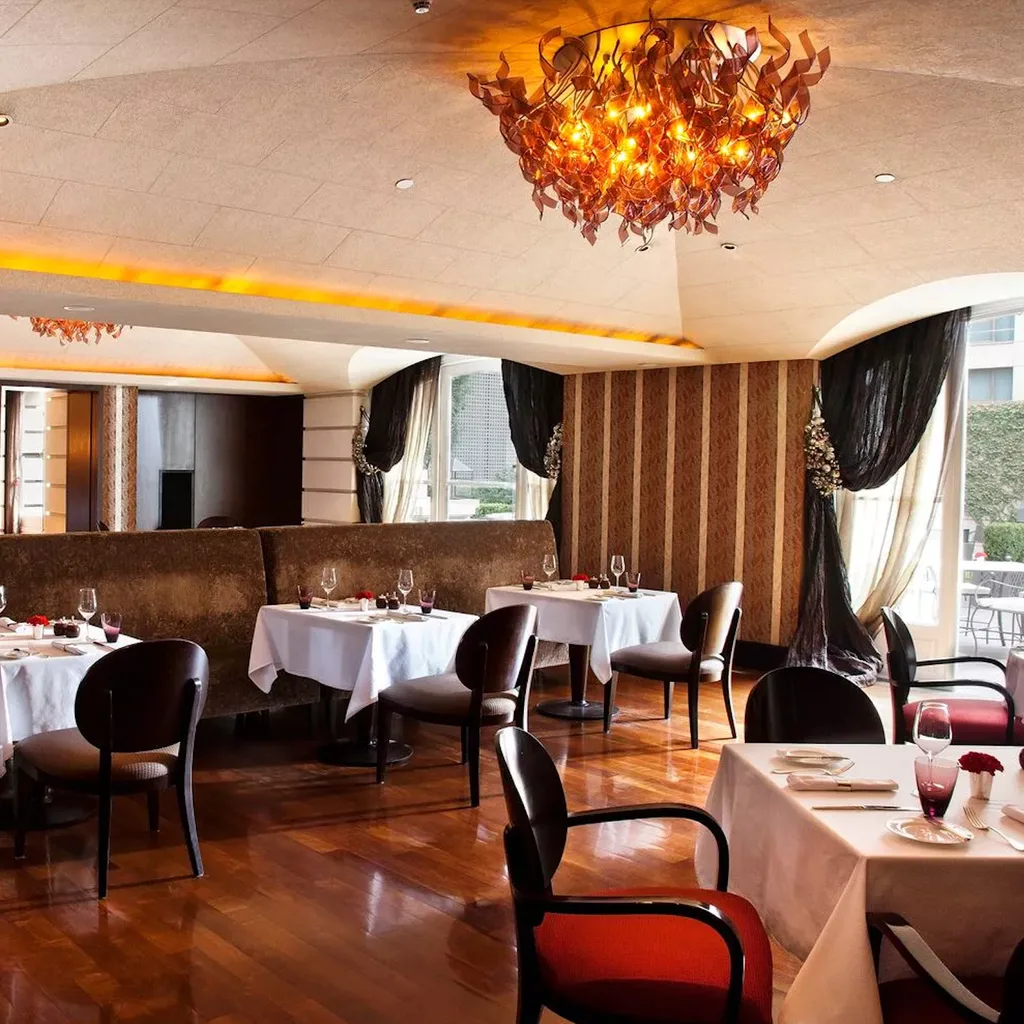
As evening falls, return to your hotel and dress for the night. Buenos Aires does not do early. Dinner rarely begins before 9pm – if you arrive at 8pm like we did, you’ll have the restaurant to yourself. For refined Argentinian cuisine, Duhau Restaurante & Vinoteca is recognised by the Michelin Guide for its exceptional cuisine and delivers polished classics. Aramburu, in Recoleta, offers a meticulous tasting menu if you want something more elevated and contemporary. Post-dinner, Florería Atlántico remains essential – hidden behind a florist façade in Retiro, its cocktail list pays homage to Argentina’s immigrant history. Frank’s, accessed via a password, delivers Prohibition-era theatrics. For wine lovers, Tres Monos in Palermo is electric and experimental. If you still have energy, seek out a milonga rather than a tourist tango show.
DAY TWO
Head to San Telmo, one of the city’s oldest neighbourhoods. It’s defined by colonial buildings, antique stores and cobbled streets. On Sundays, the market spills across Plaza Dorrego — tango dancers, artisans, bric-a-brac. Even midweek, it’s worth wandering. Stop at Café Rivas or Coffee Town inside Mercado de San Telmo for something strong and restorative. From here, take a car to La Boca. It’s colourful and photogenic — Caminito’s painted facades are unavoidable — but it’s also layered with immigrant history.
Visit Fundación Proa for contemporary art and a rooftop river view. If football is your religion, the Boca Juniors stadium tour is unexpectedly fascinating. By early afternoon, pivot to Puerto Madero. This is Buenos Aires at its sleekest: glass towers, dockside restaurants and a modern skyline. Cross the Puente de la Mujer and walk along the Rio de la Plata.
For lunch, opt for seafood at Cabaña Las Lilas or pasta at Sottovoce. Later, immerse yourself in the grandeur of Teatro Colón. Even the guided tour reveals the ambition of a city that built one of the world’s great opera houses at the height of its golden age. If you can secure tickets to a performance, do it. Spend your final afternoon browsing Calle Arroyo in Recoleta — galleries, fashion houses and discreet luxury. For sunset, claim a rooftop. Trade Sky Bar is buzzy; Crystal Bar at Alvear Icon offers sweeping views across Puerto Madero. For dinner, go classic. La Cabrera remains beloved for generous parrilla plates; Fervor in Recoleta is old-school elegance done properly.
Forty-eight hours in Buenos Aires won’t leave you rested. You’ll eat too late, drink too much and walk further than planned. But somewhere between the marble mausoleums, smoky parrillas and midnight cocktails, the city will get under your skin – and you’ll already be plotting a return before your plane takes off.
WHERE TO STAY
Palacio Duhau – Park Hyatt
A former aristocratic mansion, Palacio Duhau blends Belle Époque grandeur with contemporary luxury. I’ve stayed in beautiful hotels before, but Palacio Duhau feels less like a hotel and more like a private palace that happens to be, for a couple of indulgent days, my home. Located in Recoleta – that elegant, tree-lined enclave of embassies, museums and boutiques – the palace sits with unmistakable European poise. Inspired by the classicism of France’s Château du Marais, it has defined this stretch of Avenida Alvear since 1934.
The Louis XVI-style residence was audacious even for its time. Marble arrived from Italy, oak panelling from Normandy, chandeliers from across Europe. Now declared a national historic monument and meticulously restored, it stands as one of the great aristocratic mansions of Buenos Aires – seamlessly woven into modern city life. For more than half a century, this was not a hotel but a home. The Duhau family entertained Argentina’s elite in these salons, children grew up running through the gardens, and the grand staircase wasn’t designed for guests with carry-on luggage but for evening gowns and formal receptions.
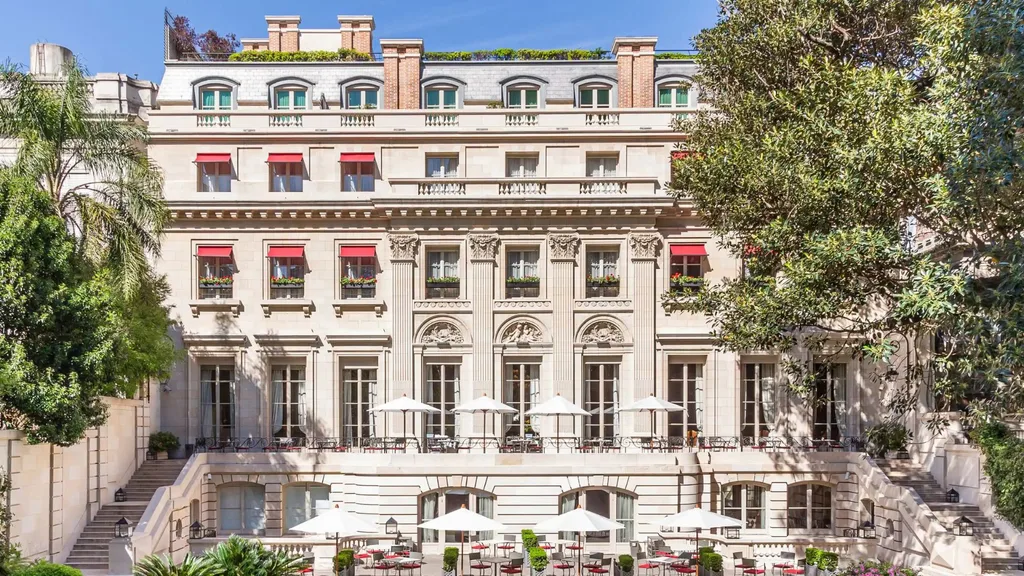
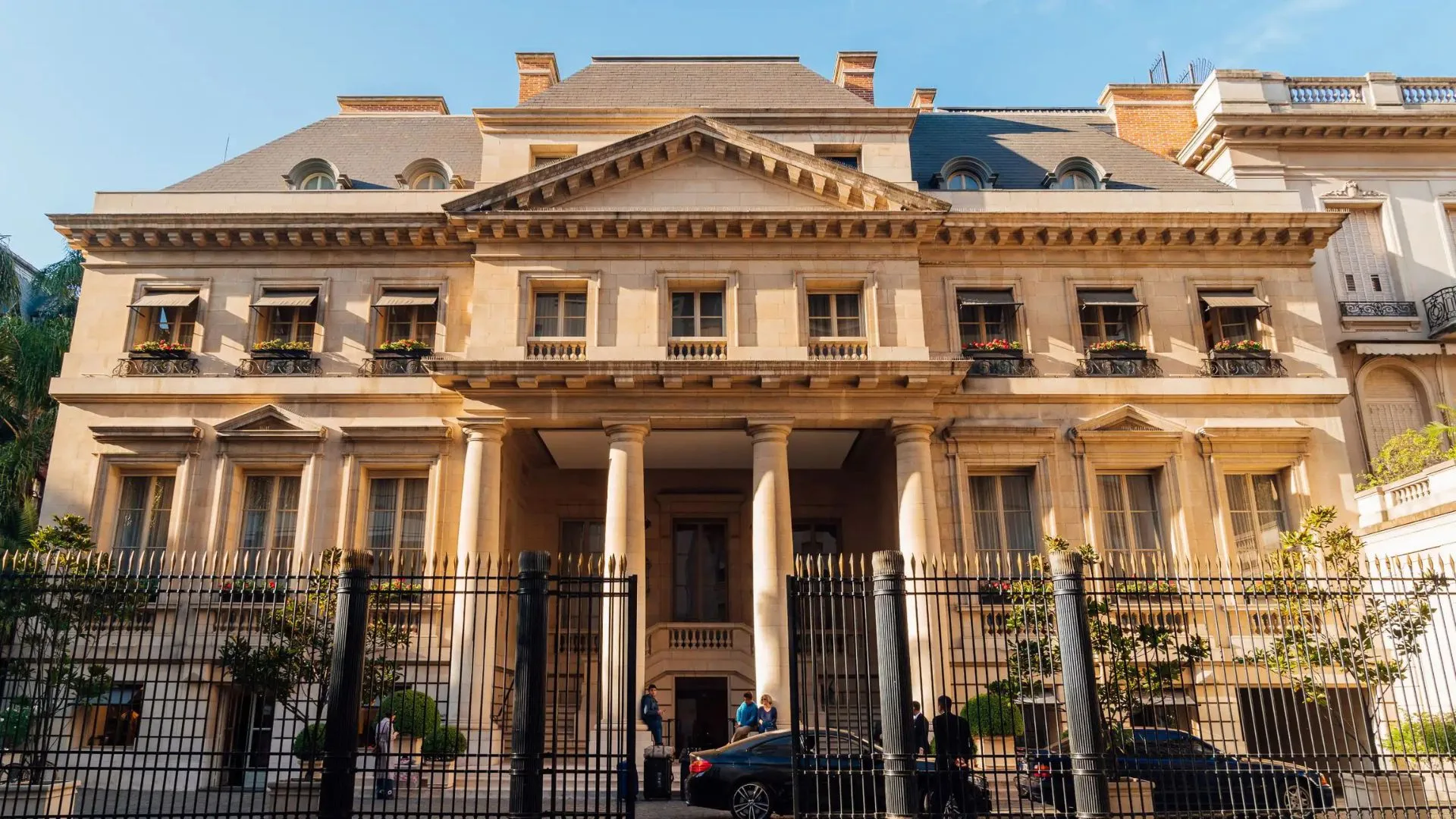
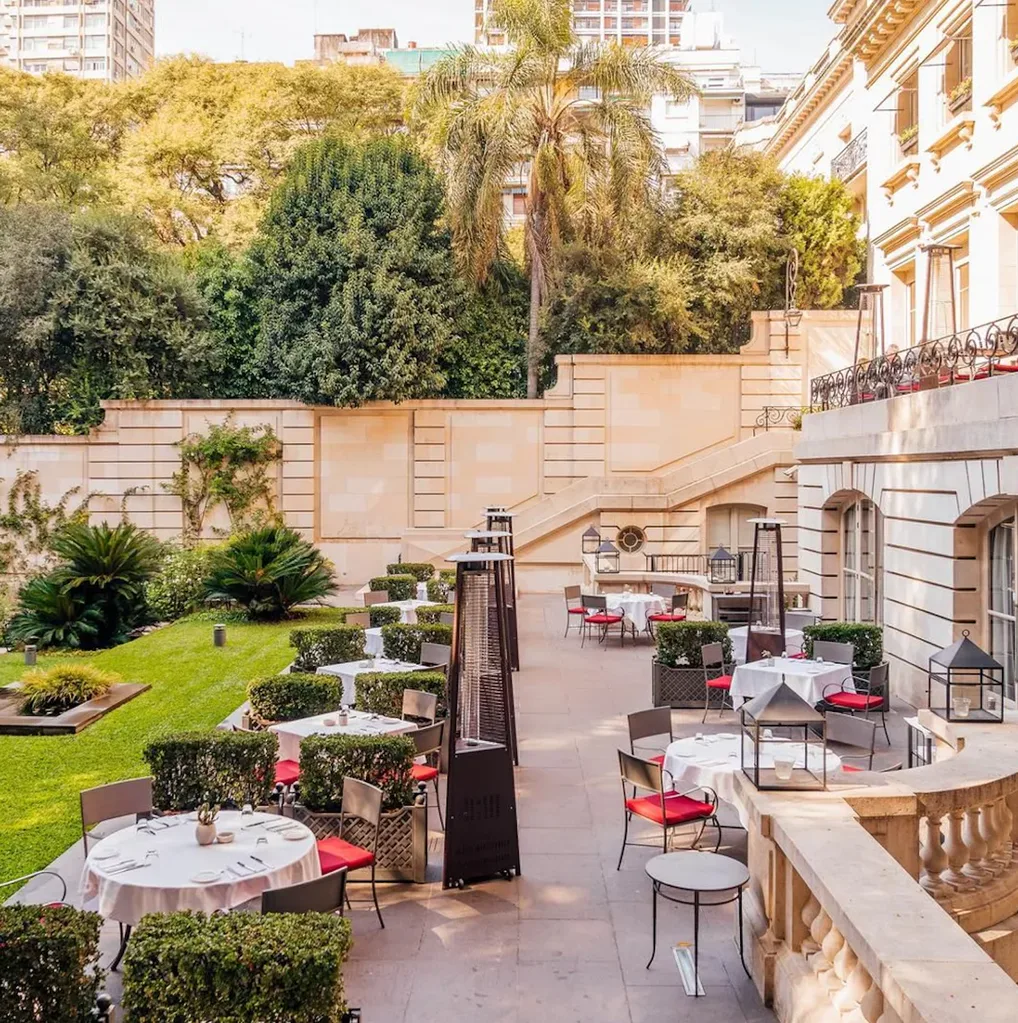
The hotel unfolds across two distinct buildings. The original palace houses 23 guest rooms, including 12 suites, with parquet floors, silk curtains and antique carpets. Staying here feels like stepping into Buenos Aires’ golden age. Plus, guests get a private butler. If you’re wondering what life with a butler looks like, your suitcases are unpacked within minutes, restaurant reservations are secured effortlessly and shoes are polished while you sleep. Across the expansive gardens – the contemporary posadas building has 142 rooms, including 27 suites, in a more minimalist palette. I chose the modern side and loved the balance: cream and chocolate tones, black-and-white photos, marble bathrooms with standalone tubs and elegant, unfussy furnishings.
Dining is a dream. There are three restaurants at the hotel. At Los Salones del Piano Nobile, breakfast unfolds beneath high ceilings and tall windows, but it’s afternoon tea that steals the show: polished silver, delicate pastries, impeccable service. A highlight (mentioned above) is the Michelin-listed Duhau Restaurante & Vinoteca which celebrates Argentine cuisine paired with an extraordinary wine list of hundreds of primarily Argentinian labels.
Then there’s Gioia Cocina Botánica, which offers a contemporary Italian, plant-based perspective with organic and biodynamic wines. Oak Bar channels old-world club sophistication, with historic timber panelling, a fireplace, extensive cocktail list and a terrace. Beyond dining, the hotel encourages exploration. Bicycles are available for visits to Puerto Madero’s waterfront, Palermo’s creative energy and San Telmo’s colonial charm or La Boca’s tango heritage.
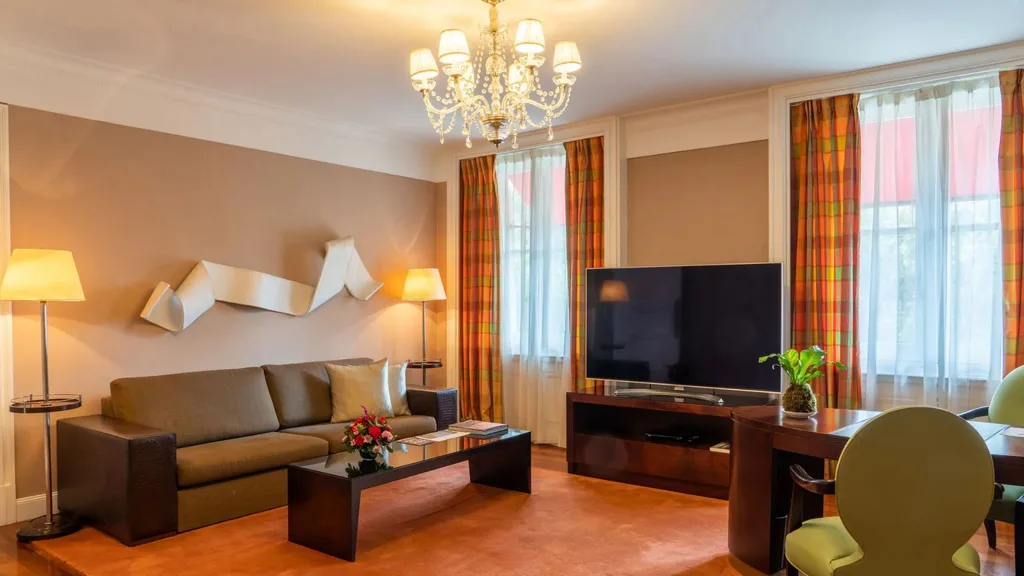
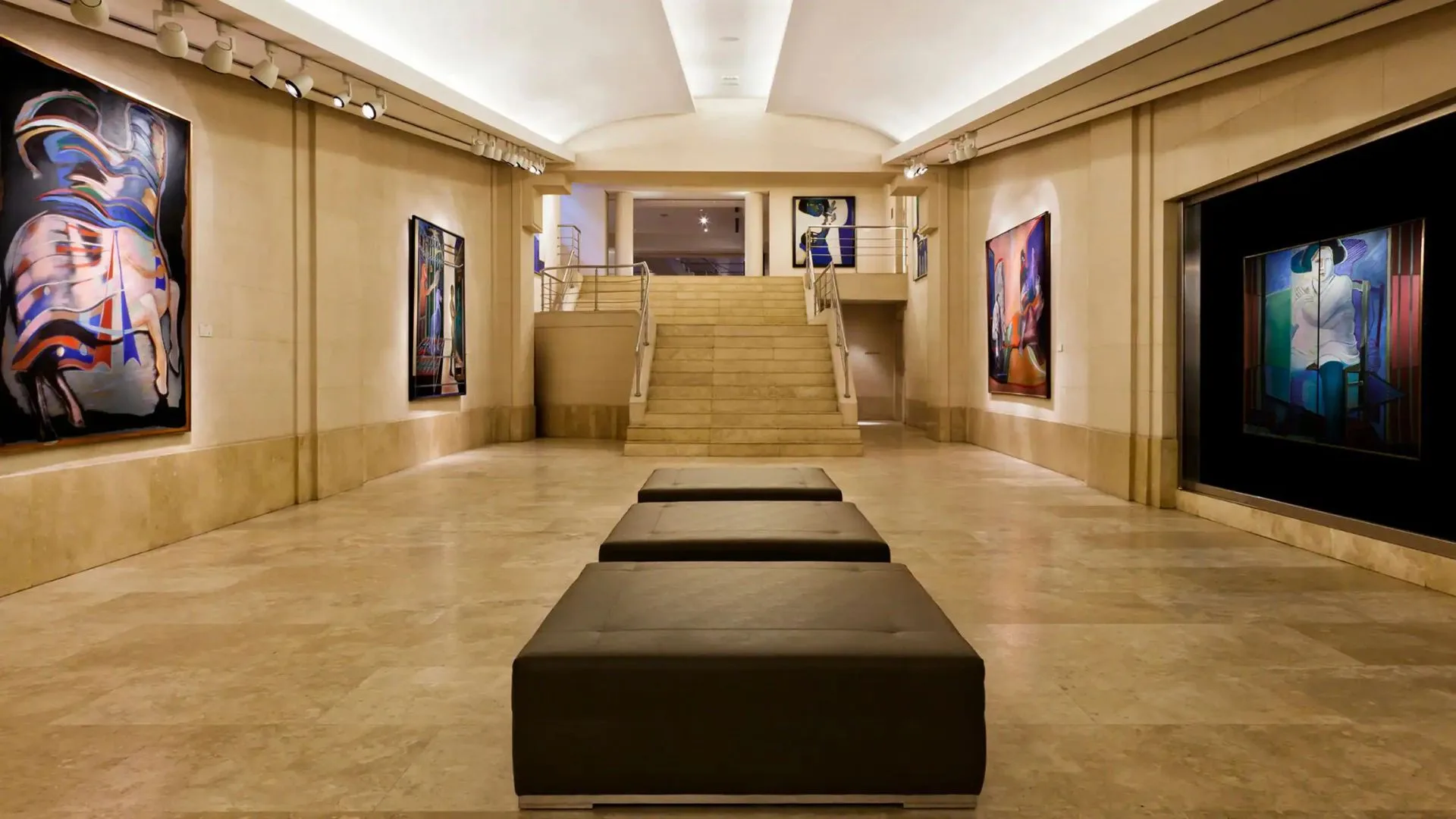
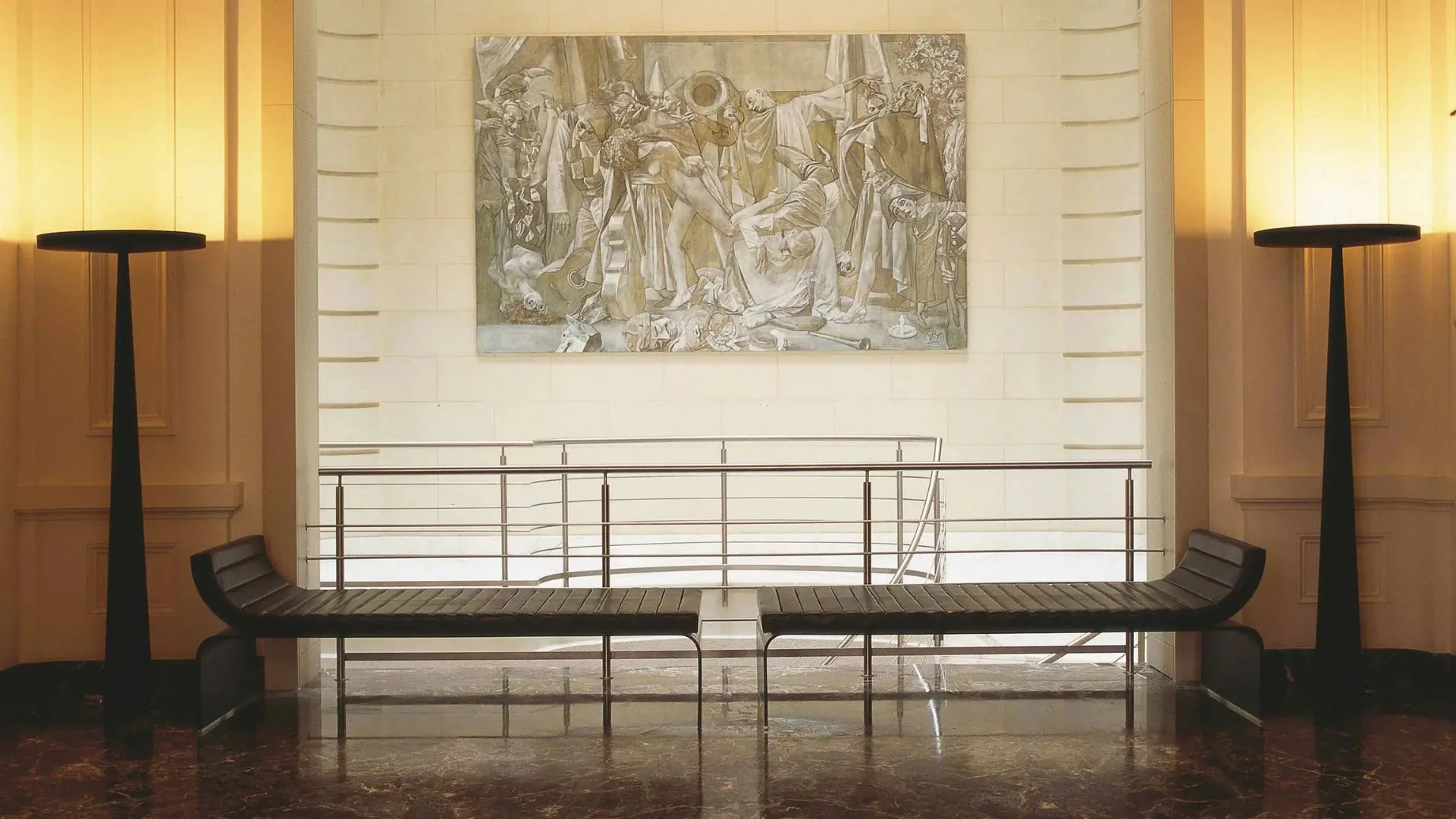
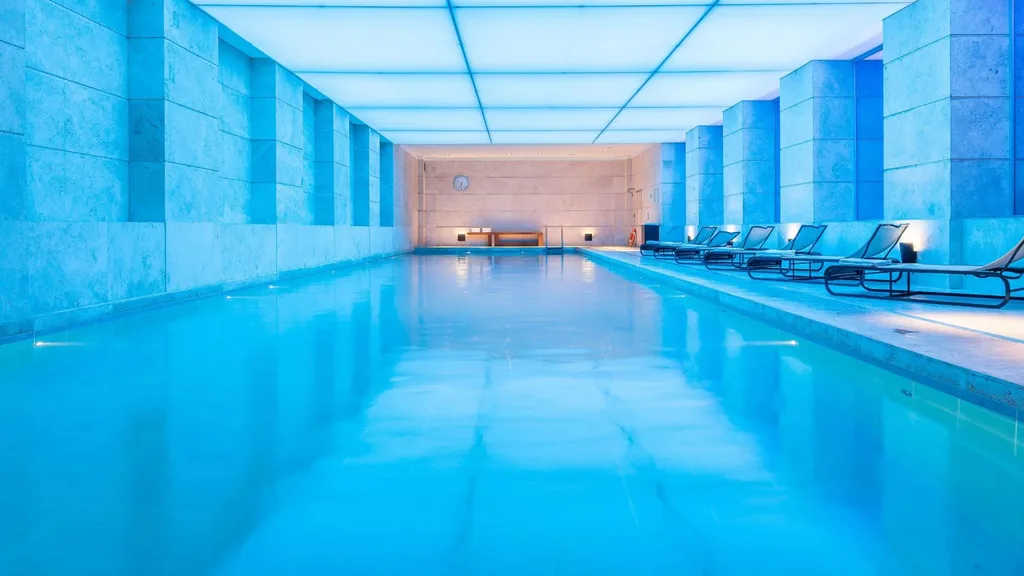
Back inside, Ahín Wellness & Spa offers a serene counterpoint: a heated pool, five treatment rooms and a state-of-the-art fitness studio.
In a city already rich with Belle Époque facades, tango rhythms and world-class red wine, Palacio Duhau distils that spirit into one extraordinary address. Palacio Duhau feels less like a hotel and more like a private palace that happens to be, for a couple of indulgent days, my home.
To book, go to hyatt.com
Casa Lucía
A revived Art Deco landmark in the heart of Recoleta and set on elegant Calle Arroyo, one of the area’s most beautiful sycamore-lined streets, Casa Lucía rises from a 1929 Art Deco tower that once claimed the title of tallest building in Latin America. Originally commissioned by shipping magnate Nicolás Mihanovich, the building was conceived as a vertical statement of ambition – a lighthouse-like structure designed to greet arrivals to the city. Nearly a century later, it now welcomes travellers rather than cargo ships.
Inside, the mood shifts from grandeur to intimacy. Soaring ceilings, polished floors and a sweeping entrance set the tone, but there’s warmth threaded through the space. Checkered marble floors, sculptural lighting and carefully restored details sit alongside contemporary Argentine artworks. Large-scale photography and woven pieces from respected local creatives are on display in the public spaces.
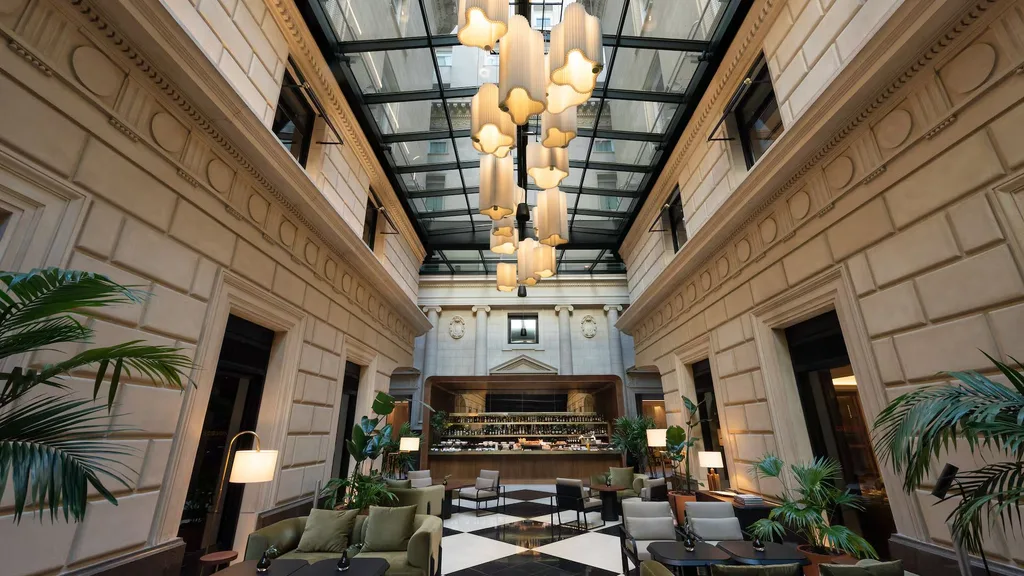
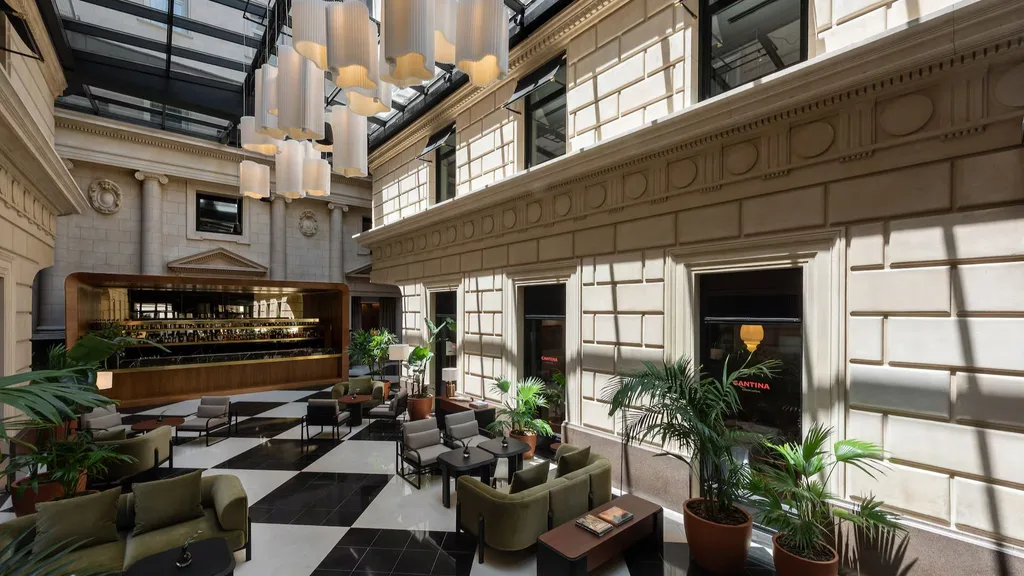
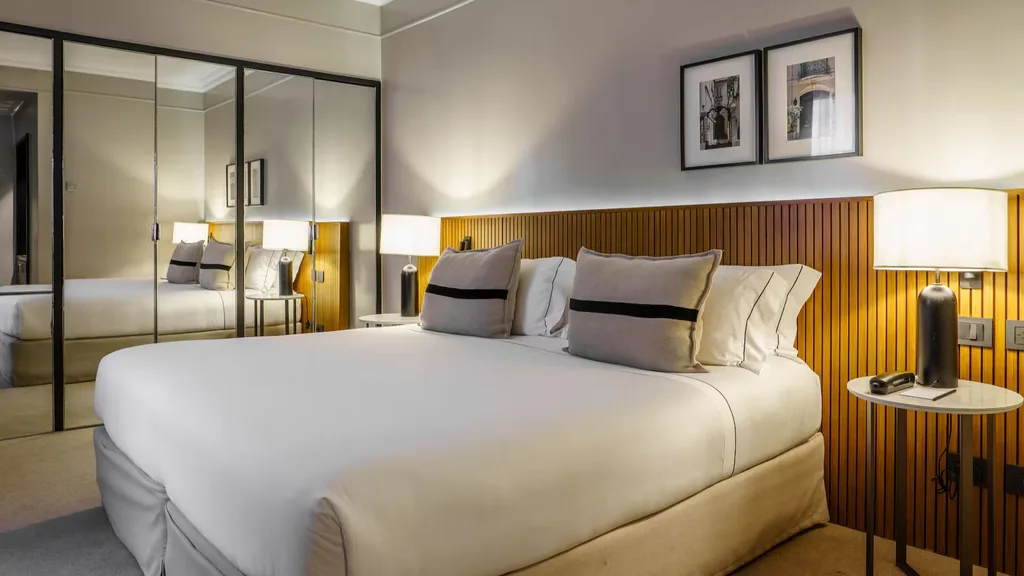
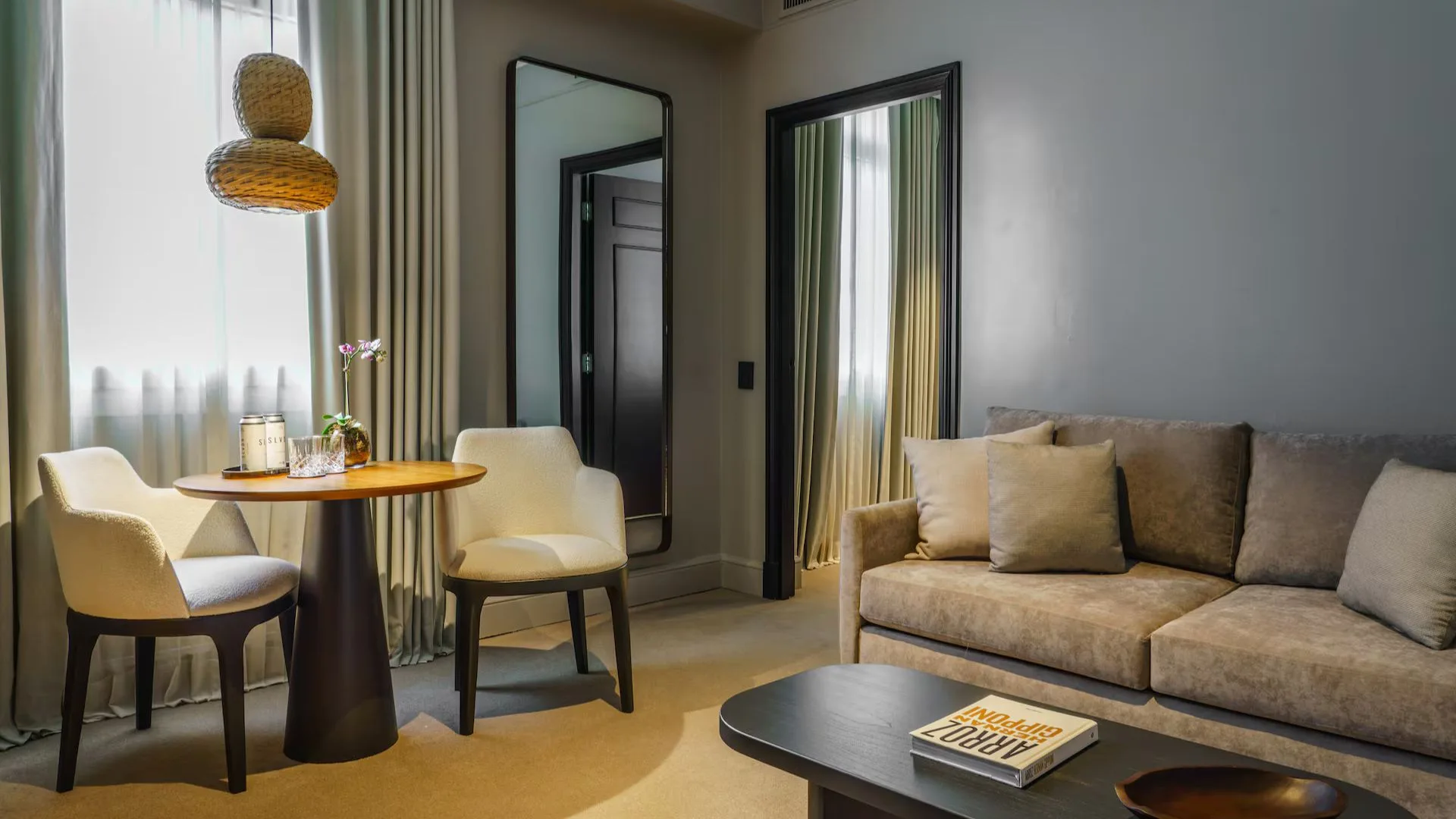
The hotel has 142 rooms and suites spread across 19 floors, each designed to balance heritage with calm modernity. Warm woods, cool marble and a palette of whites, stone and earthy neutrals create a sense of sophistication. Black-and-white photography of the city lines the walls, grounding the rooms in place. Some overlook the leafy street below; others climb high enough to skim the skyline, offering glimpses of the Río de la Plata in the distance. If you’re going to stay in what was once Latin America’s tallest tower, it makes sense to go high. The Tower Suites occupy the building’s peak, with private terraces that turn sunset into a ritual.
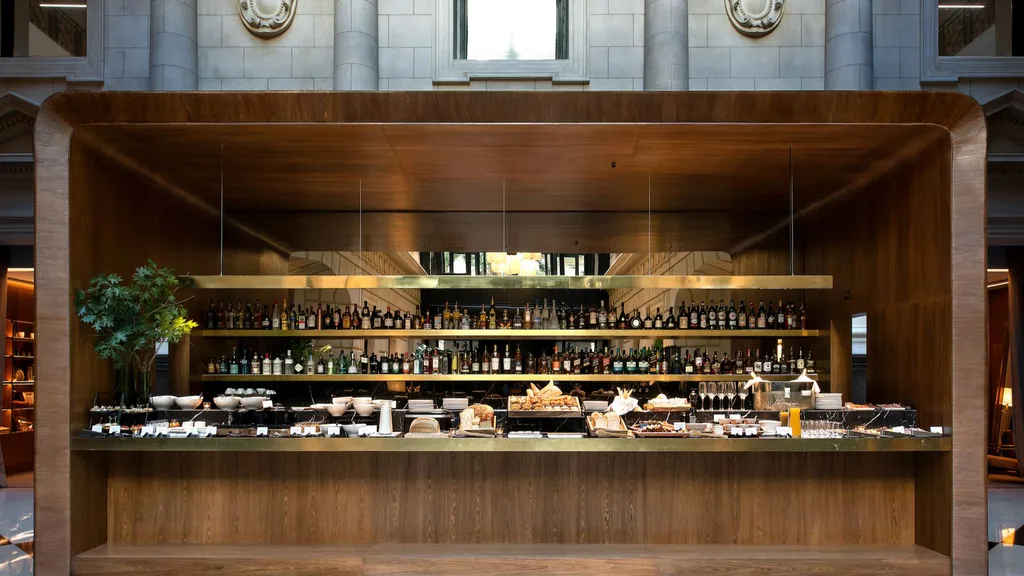
Downstairs, Cantina anchors the culinary experience. Spinach fritters, empanadas, handmade pasta, beef milanesa – dishes every porteño grew up with, made with local ingredients. Next door, Le Club Bacan is where DJs spin late into the evening. With hundreds of domestic labels available, it’s as much a wine destination as it is a bar. The crowd is a mix of local professionals, creatives and international guests. Meanwhile, breakfast is a moment of its own. A generous spread of fresh fruit, yogurts, cheeses and medialunas sits alongside strong coffee and mate – the ritual herbal infusion that fuels this city.
When you do step outside, you’re perfectly placed. Recoleta is Buenos Aires at its most polished: neoclassical façades, sidewalk cafés, museums and the famously ornate cemetery where Eva Perón rests. Teatro Colón is a short drive away; Palermo’s creative restaurants and hidden bars are within easy reach.
Back at the hotel, a visit to the spa is essential. A 16-metre indoor pool stretches beneath mirrored walls, treatments range from deep-tissue to lavender-infused relaxation, and the gym is well-equipped. A restored landmark that nods to its Art Deco past while championing contemporary Argentine creativity, Casa Lucía ultimately thrives on its quietly electric, lived-in energy.
To book, go to mrandmrssmith.com. Mr & Mrs Smith is a curated travel platform specialising in stylish boutique and luxury hotels, offering insider reviews, exclusive perks, and seamless booking for design-led stays worldwide.
Jardin Escondido
Tucked into a leafy residential street in bohemian Palermo Soho, Jardin Escondido feels like entering the home of someone who’s impossibly well-travelled and interesting. And actually, that’s exactly what this experience is all about. The house famously served as Francis Ford Coppola’s Buenos Aires base while he filmed Tetro. For film lovers, staying somewhere once inhabited by cinematic royalty carries its own quiet thrill.
From the outside, the façade blends into the historic houses that line the street – boxy walls, wrought-iron details. But step inside and the city dissolves. The name – the hidden garden – is literal. Terracotta tiles underfoot, a courtyard thick with greenery. The faint sound of water from a small pond. It might function as a boutique hotel, but it feels like a layered, three-storey garden sanctuary in one of Buenos Aires’ most kinetic neighbourhoods.
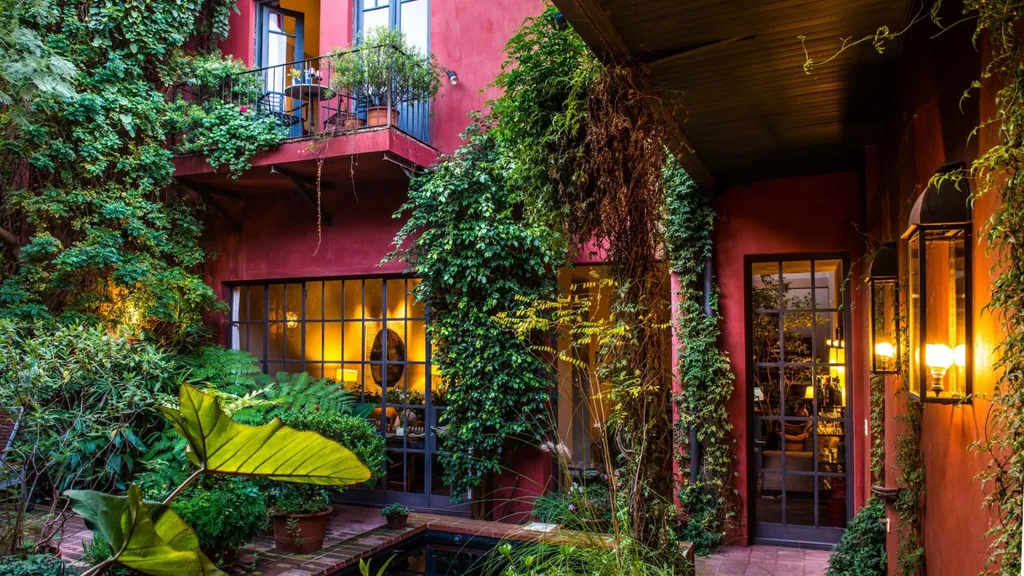
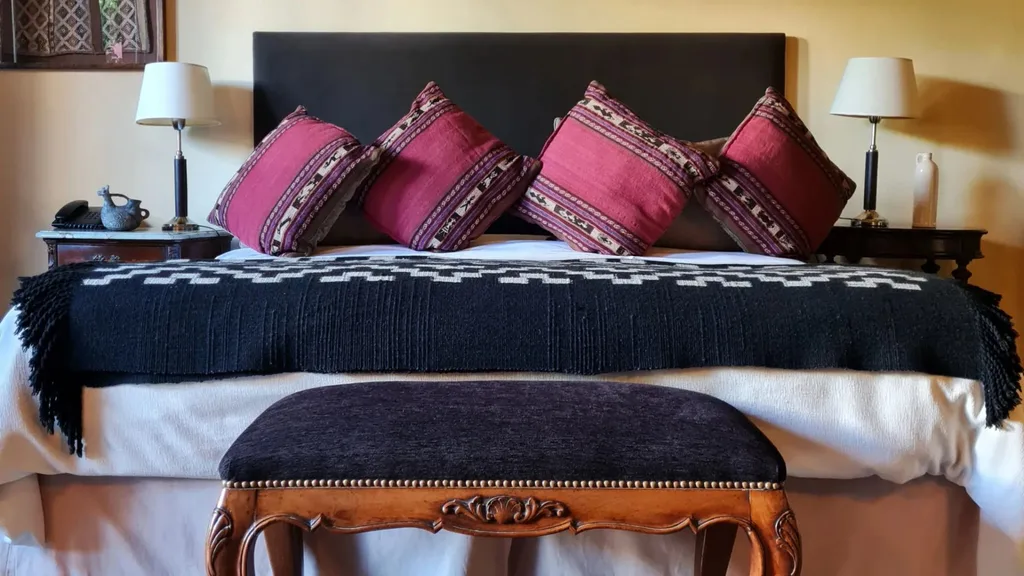
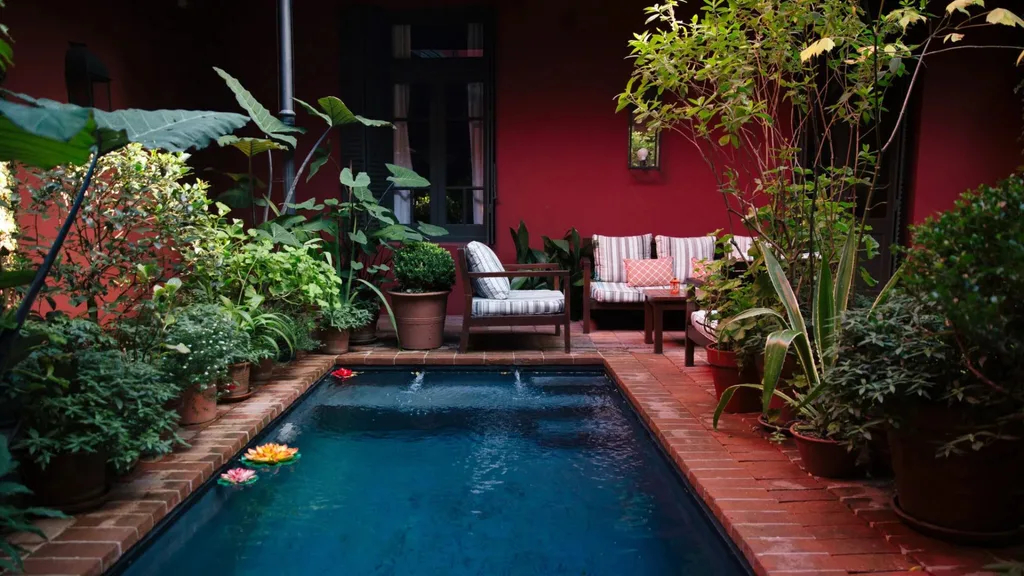
Palermo Soho is the city at its most creative – fashion boutiques, design stores, wine bars, late-night restaurants and, of course, its renowned street art. There are only seven rooms at the hotel, which immediately changes the tempo of your stay. Mine overlooked the inner patio, a tumble of plants softened by dappled sunlight. Each room is different, but all share a tactile richness: handwoven rugs, indigenous textiles framed like artworks, leather sofas scattered with Peruvian cushions, heavy alpaca blankets draped across the bed.
Bathrooms are generous, stocked with locally made amenities and refillable, well-considered products that nod to sustainability. There’s no formal restaurant, which I loved. Breakfast is served in the long, light-filled living room or in the garden if the weather cooperates. We dined on seasonal fruits, fresh orange juice, pastries, cheeses and cured meats, eggs cooked to order and strong coffee. The bar stocks excellent Argentinian wines – including bottles linked to Coppola’s own vineyard – and the team will happily arrange wine-and-cheese platters, barbecues or dinners set up near the pool.
Yes, there’s a pool – small, unheated, framed by greenery – perfect for cooling off after a day navigating Palermo’s cafés and galleries. One of my favourite spaces was the upper terrace, framed with flowers and plants, ideal for an evening glass of Malbec as the neighbourhood hums below. There’s also a small library-lounge with sofas and a television, where breakfast quietly transitions into late-afternoon drinks.
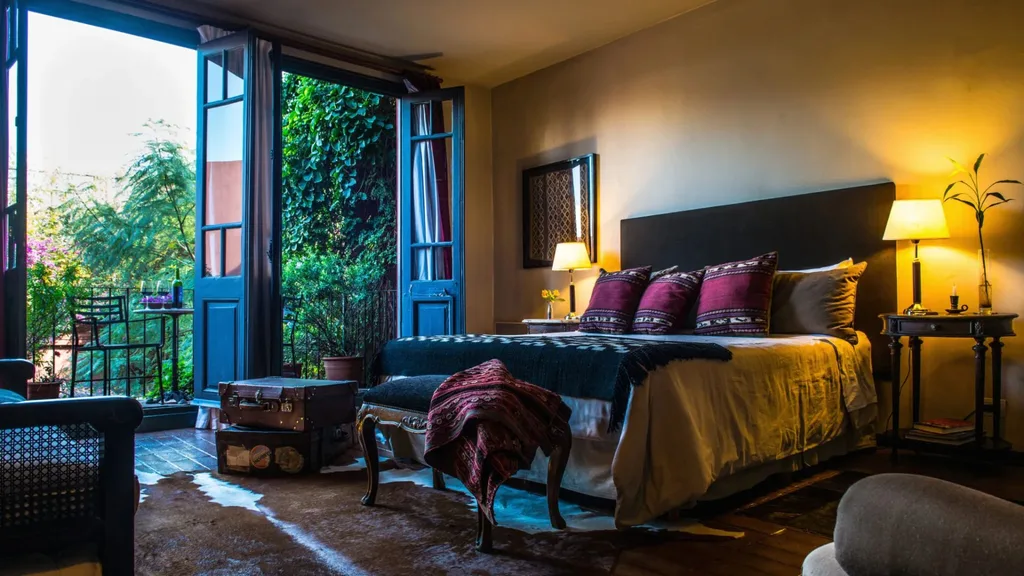
Location is one of its greatest strengths. You’re on the eastern edge of Palermo Soho, steps from some of the city’s most interesting dining rooms and concept stores. Parks and museums are a short taxi ride away; the wider city unfolds easily from here. And yet, returning to Jardin Escondido always feels like retreating into something cocooned and calm.
To book, go to mrandmrssmith.com. Mr & Mrs Smith is a curated travel platform specialising in stylish boutique and luxury hotels, offering insider reviews, exclusive perks, and seamless booking for design-led stays worldwide.

Related stories
Native ad body.
Native ad body.

The Holiday That Makes You Feel Like Yourself Again

Native ad body.