

Trigger Warning: This article discusses murder, self-harm and mental health.
The Lindsay Clancy murder trial has become one of the most heartbreaking and closely watched court cases in recent memory. Clancy is currently on trial for three counts of first-degree murder in connection with the deaths of her three children.
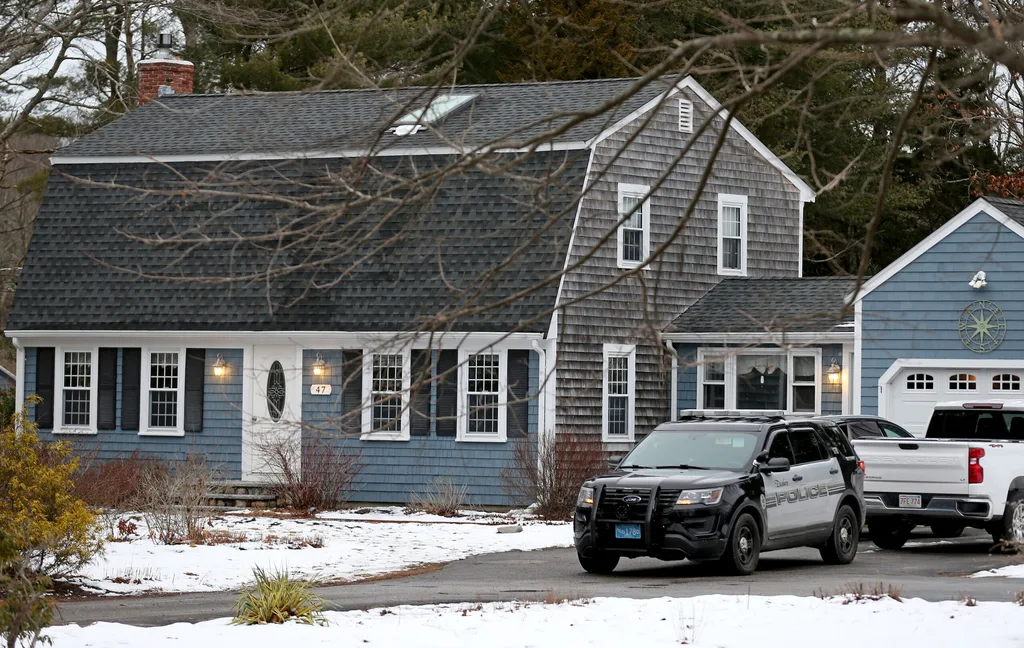
On the evening of January 24, 2023, her then-husband, Patrick Clancy, left their home in Duxbury, Massachusetts, to pick up takeout for dinner for Lindsay and their three children. When he returned less than an hour later, the house was eerily quiet, and the bedroom door was locked.
He soon found Lindsay lying in their backyard, barely conscious. She had cut both her wrists and neck and jumped from the second-story window, telling him she had tried to kill herself. When paramedics arrived to help Lindsay, Patrick discovered the couple’s three children, Cora, 5, Dawson, 3, and Callan, 8 months old, in the basement, where they had been strangled with exercise bands. All three were later pronounced dead.
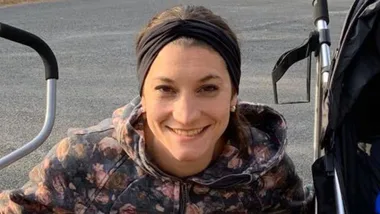
Lindsay Clancy, a former labour and delivery nurse, survived, though she was left partially paralysed. She has pleaded not guilty, with her lawyers arguing that she was suffering from severe postpartum mental illness at the time of the killings.
Now, more than three years later, her trial is underway. Online sleuths have pored over the evidence presented in court, from DNA reports and references to the particulars of what unfolded in the aftermath, including Patrick’s subsequent remarriage. His demeanour in the courtroom has been widely scrutinised on TikTok, with conspiracy theories running rampant as netizens describe him as appearing “detached” and “emotionless.”
Ahead, everything that has unfolded so far.
Day 11: Concerns Lindsay May Have Been Overmedicated
Rebecca Jalotta, a psychiatric nurse practitioner who treated Lindsay Clancy at a perinatal mental health clinic in December 2022 and January 2023, testified on August 11. Lindsay and Patrick have both sued Jalotta for negligence and wrongful death, respectively.
Jalotta’s testimony raised questions about how well Clancy’s care was coordinated between her different healthcare providers.
Lindsay attended a postpartum treatment program at Women & Infants Hospital for one day on December 20, 2022, but was not accepted for further treatment. Jalotta said she did not contact the hospital after Clancy was not admitted.
Defence lawyer Kevin Reddington asked Jalotta whether she knew Clancy had been rejected from the program because doctors were concerned she was overmedicated. Jalotta said she could not speak to that because she worked at a different clinic and was not connected to Women & Infants Hospital.
Jalotta also said she did not know Clancy was seeing another psychiatrist, Dr. Jennifer Tufts, at the same time and had never spoken with her directly. Although Jalotta reviewed Clancy’s prescription records, she was unaware of some medications Tufts had prescribed.
Jalotta said she never saw signs of psychosis or mania and that Clancy never told her she planned to hurt herself or her children. However, other testimony showed that Clancy had reported severe anxiety, trouble sleeping, intrusive thoughts and suicidal thoughts in December.
The defence used this information to question whether Clancy’s worsening mental health and complicated medications were properly recognised and communicated between her healthcare providers.
Day 10: Psychiatrist Cross-Examined
Dr. Jennifer Tufts took the stand again and was cross-examined by defence lawyer Kevin Reddington. Tufts, a psychiatrist, treated Lindsay Clancy through telehealth from September 2022. Clancy later sued Tufts, claiming doctors failed to diagnose her with postpartum psychosis. Patrick also sued, claiming Lindsay was given too much medication. In the months before the children’s deaths, five doctors prescribed Lindsay 30 prescriptions for 13 psychiatric medications.
At first, Clancy reported anxiety, racing thoughts and trouble sleeping but denied hallucinations or thoughts of suicide. By December, she was severely depressed and had gone to the emergency room after having suicidal thoughts. She later received treatment at McLean Hospital but appeared to improve. Before the killings, Tufts said Clancy remained anxious and depressed but showed no signs of psychosis or plans to hurt herself or her children.
Day 9: Friends Of Patrick & Lindsay Take The Stand
The trial continued with testimony from psychiatrists who treated her before and during her hospitalisation in January 2023. Dr. Jennifer Tufts testified that Clancy first saw her in September 2022 with significant anxiety and depression but reported no suicidal or violent thoughts, hallucinations or signs of psychosis.
Clancy was initially reluctant to take medication, later trying Zoloft but experiencing significant side effects. She subsequently used medications including Ativan and Benadryl while struggling with anxiety, depression and insomnia. Tufts said Clancy denied suicidal thoughts in December 2022 but acknowledged feeling hopeless and “close” to having such thoughts.
Dr. Alia Goodheart of McLean Hospital described Clancy’s January 2023 admission, saying she complained of insomnia, medication side effects and emotional numbness. Emergency-room records indicated Clancy had expressed a wish to die but denied having a plan or thoughts of harming others. She was diagnosed with severe major depressive disorder without psychotic features and considered at minimal risk.


The defence questioned McLean’s treatment practices, including whether staff contacted Clancy’s other providers or reviewed her medical history.
Other witnesses, including Sarah Carney, a friend of Patrick’s, described Lindsay as quiet but normal around her children in the days leading up to January 24, 2023.
Day 8: Patrick Clancy’s Father Describes Lindsay Becoming ‘Distant’
Friends, relatives, healthcare workers and teachers generally described Lindsay as caring, capable and behaving normally, although several noticed worsening tiredness, insomnia, anxiety or occasional changes in demeanour after Callan’s birth. Lindsay reportedly told a childhood friend days before the deaths that medication was causing “dark thoughts,” but did not indicate that she intended to hurt herself or her children.
Patrick Clancy’s father, Christopher, recalled Lindsay sometimes appearing nervous or distant, while also describing her demeanour as “happy” and “good.” He said he and his wife offered to take the children overnight to provide support, but the offer was declined. Other witnesses similarly recalled no warning signs of abuse.
Stephanie Williams, a preschool teacher at Cora and Dawson’s preschool described Lindsay as loving toward Cora, while the children’s paediatrician, Lindsay Rosshirt, said Cora appeared normal during an appointment on January 24, the same day the three children were killed. Rosshirt also had no concerns about Lindsay’s behaviour.
“It was a very normal visit,” she said. “Cora seemed to be behaving normally…The mum seemed appropriate as well.”
The prosecution also presented evidence concerning Callan’s death. Medical examiner Dr. Kimberley Springer testified that injuries to his neck were consistent with ligature strangulation.
Meanwhile, the defence sought permission to introduce expert testimony about Lindsay’s spinal injury, arguing that it supported their claim she had deliberately jumped from a window.
Day 7: The Family’s Former Nanny Gives Testimony
Day 7 of Lindsay Clancy’s trial focused heavily on medication, injuries and evidence concerning the events surrounding her children’s deaths. The defence maintains that Clancy experienced a psychotic episode linked to medication and acknowledges that she strangled her children, while prosecutors argue the killings were deliberate and that her injuries represented an unsuccessful suicide attempt.
A toxicologist testified that Clancy’s blood contained several prescribed medications, including Lamictal, Remeron, Seroquel and trazodone. Most were within therapeutic ranges, although Seroquel was somewhat elevated. Another expert found multiple benzodiazepines, but said the concentrations were not indicative of a fatal or suicidal overdose.
A physician’s assistant described significant cuts to Clancy’s wrists and her serious injuries after she went through a second-story window.
The prosecution also presented DNA evidence from exercise bands and bloodstains.
The day concluded with testimony from the family’s former nanny, who described Clancy as attentive to her children and detailed her careful routines for caring for Callan.
Day 6: Toxicologists Reveal Findings
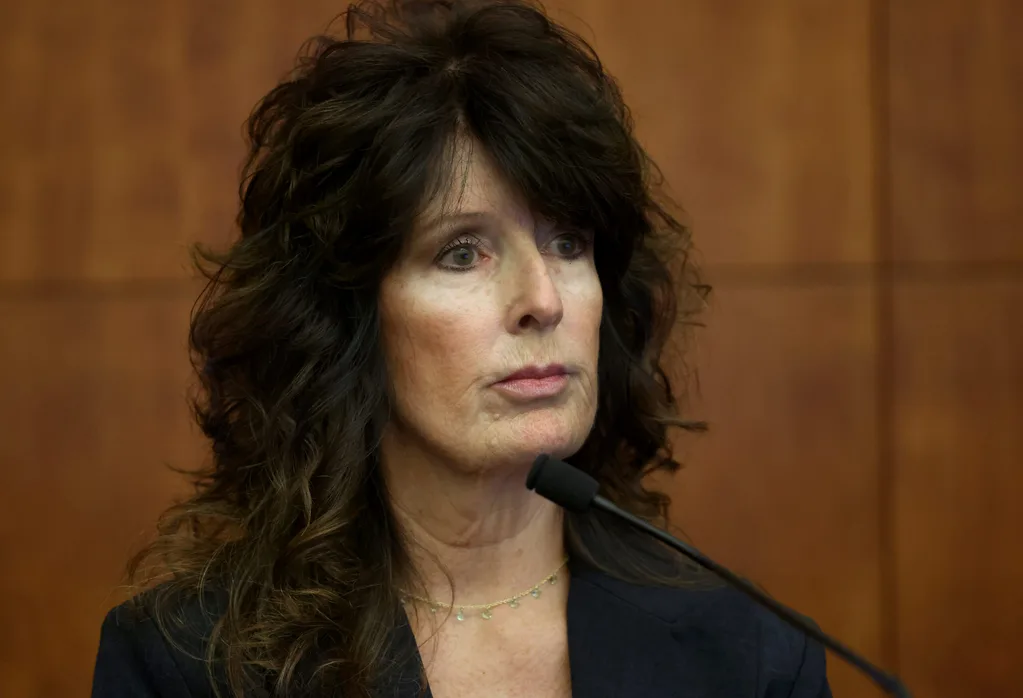
Day 6 of Lindsay Clancy’s trial centred on forensic evidence, toxicology and the injuries she suffered after the children’s deaths. A crime-lab analyst examined blood evidence from the family home, describing patterns on the bedroom floor, nightstand and other surfaces that could indicate movement and bleeding. However, in a pretrial filing, the defence dismissed bloodstain pattern analysis as a pseudoscience. Investigators also collected blood samples from Clancy and examined stains inside and outside the house.
Toxicologists testified that Clancy’s blood and urine contained several prescription medications, including benzodiazepines, while testing found no alcohol, cocaine, fentanyl, opioids, methamphetamine or cannabis. Separate testing found no drugs or toxins in the children’s post-mortem samples.
State trooper Jonathan O’Loughlin described recovering prescription bottles, exercise bands, a knife and other evidence from the home. He also testified that the knife and exercise bands were fingerprinted, but the prints were insufficient to determine who had handled them.
A surgeon testified that Clancy arrived at hospital with serious spinal injuries, hypothermia and low blood pressure after cutting herself and falling from a second-storey window.
Day 5: Patrick Clancy Is The First Witness In The Murder Trial
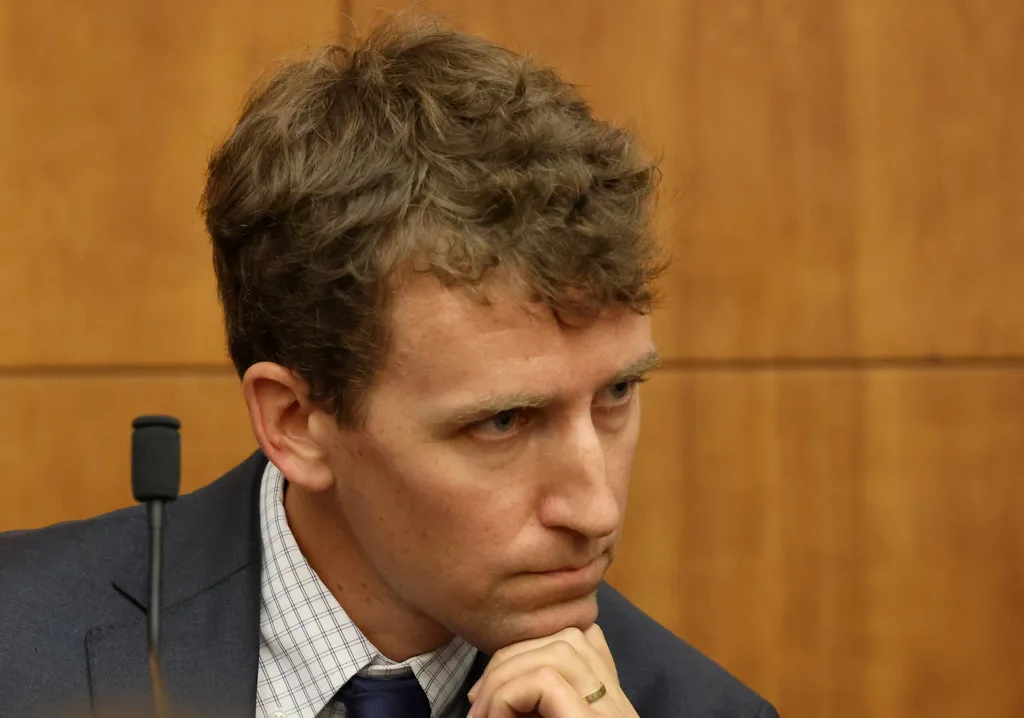
The prosecution’s opening case focused on Lindsay’s actions and her apparent behaviour shortly before the killings. Prosecutors said she contacted Patrick while he was away from home after killing the children, but that nothing during their brief conversation alerted him to what had happened.
The defence has presented a different interpretation, arguing that Lindsay was experiencing severe psychiatric symptoms and that failures in her treatment contributed to her actions. Her lawyer has emphasised her history of mental illness, medication changes and previous hospitalisations, arguing that she intended to take her own life rather than acting from a desire to harm her children.
Patrick detailed Lindsay’s turbulent mental state, which led to her being hospitalised early on New Year’s Day, 2023. Patrick described taking Lindsay first to Massachusetts General Hospital on New Year’s Eve before she was transferred to McLean Hospital, where she remained for five days.
Weeks later, Lindsay killed their three children.
Patrick recalled leaving the family home on January 24, 2023, to collect takeout food for dinner. He noted Lindsay had appeared well that day, taking Cora to a medical appointment and later spending time with the children outdoors where they “built a snowman.” She sent Patrick photographs and messages during the day, and he said there had been no indication that she was suicidal or in immediate distress.
Patrick also described several family outings in the weeks before the deaths, noting that Lindsay appeared engaged with the children during these occasions.
However, Patrick also told the court about increasingly serious concerns during late 2022 and early 2023. Lindsay had experienced anxiety, insomnia and intrusive thoughts involving the children. Patrick said she had told him she feared harming them or that something terrible might happen to them, although she denied having a plan.
Patrick Clancy has said he forgives Lindsay Clancy for their children’s deaths.
Days 1-4
The first four days of the trial, from Monday, July 20, to Thursday, July 23, were devoted to jury selection.
If you or someone you know is struggling with perinatal depression, anxiety or psychosis, free support is available through The Gidget Foundation. Visit gidgetfoundation.org.au or call the Gidget Helpline on 1300 851 758.

