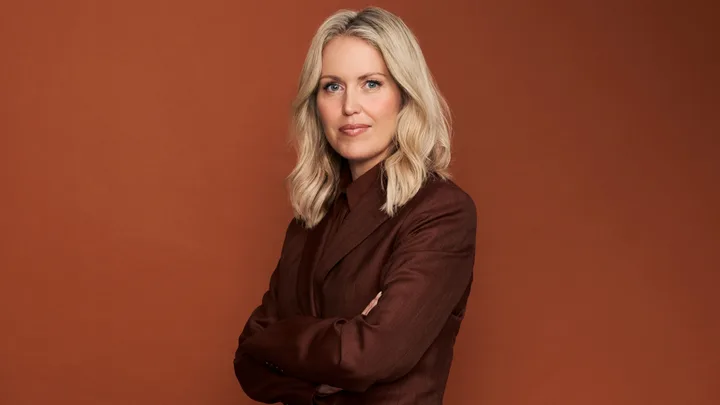
On a Wednesday evening at Sydney’s State Theatre, esteemed human rights lawyer Jennifer Robinson is standing before an upset crowd. Tonight marks the Australian premiere of Silenced, the new documentary she stars in, which exposes how defamation laws are being weaponised to stop women from speaking out about gender-based violence.
For the lawyer, the audience’s collective outrage is a good sign. “In that room, there would have been survivors. Women came up to me crying after the screening and I know that they were crying because they recognised something of their own experience in the film,” says Robinson, who has spent her career representing high-profile clients such as WikiLeaks founder Julian Assange and actor Amber Heard, who she represented in the 2020 UK libel case brought by Johnny Depp against The Sun newspaper.
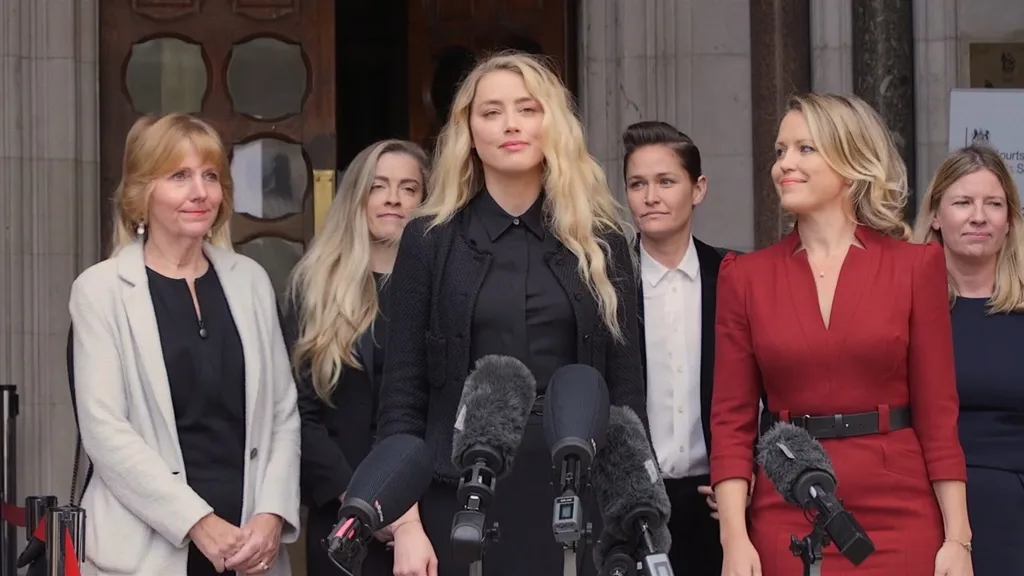
The film picks up in the wake of the 2017 #MeToo movement, which gained momentum after women in Hollywood began speaking out about sexual assault and harassment by film producer Harvey Weinstein, inspiring women around the world to share their own experiences of violence. In its aftermath came a surge in defamation cases brought against women who spoke out and the journalists who reported their stories.
Through several rare sit-down interviews – including with Heard, former Australian political staffer Brittany Higgins and Colombian journalist Catalina Ruiz-Navarro – Robinson exposes the systemic flaws in the justice system. She argues that defamation lawsuits are being used as a tool of intimidation, making speaking out so financially, emotionally and professionally costly that many women decide it isn’t worth the risk.
While defamation lawsuits have surged in the past decade, Silenced also shows that the tactic is far from new. In the film, archival footage traces a long history of legal action being used to intimidate and silence women, from the 1998 public fallout surrounding Monica Lewinsky to the landmark 2018 UK Stocker v Stocker case, in which Nicola Stocker was taken to court after writing in a Facebook post that her ex-husband had tried to strangle her. She eventually won her case in the UK Supreme Court, but only after years of litigation.
When the film premiered at Sundance earlier this year, Robinson says she was surprised by the number of people who admitted they’d been wrong about Amber Heard. “That was really important for me personally, having represented Amber,” she says. “I hope the film causes people to think again about what they thought they knew about these high-profile cases, and to reflect on their attitudes towards women and the broader cultural conversations that will have informed [their] views.”
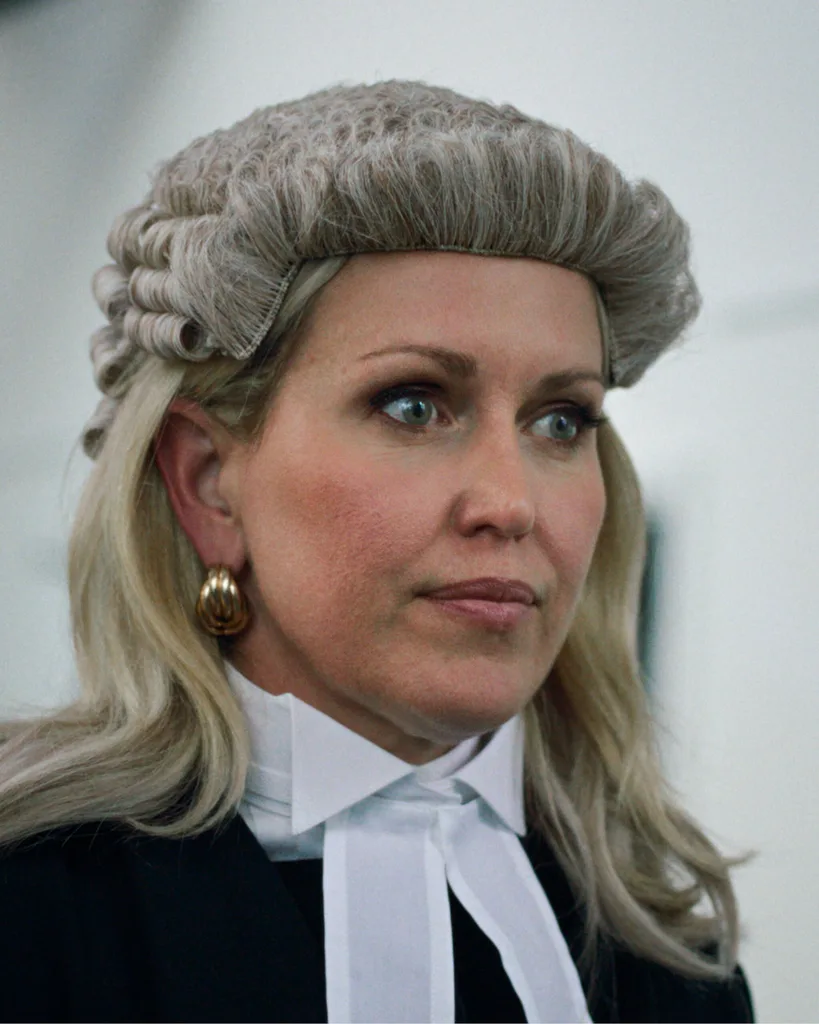
Silenced is the screen adaptation of Robinson’s 2022 book, How Many More Women?, which she co-authored with human rights barrister Keina Yoshida. Production company Stranger Than Fiction Films approached Robinson, and a team, including award-winning director Selina Miles, was soon assembled.
Defamation law isn’t the easiest subject to bring to the screen, yet Miles makes it impossible to look away. Through intimate first-hand accounts, the documentary shows how the legal process can compound trauma long after the initial violence has ended. “I remember watching Amber Heard’s defamation trial brought by her ex-husband and Brittany Higgins’ aborted criminal trial in the Australian media, and feeling really unsettled and disturbed by the misogynistic coverage of those cases,” Miles says. “It wasn’t until I read Jen’s book that I understood that these high-profile cases are the tip of the iceberg, and that it’s representative of a much larger problem that affects everyday women and countless people we don’t see in the news.”
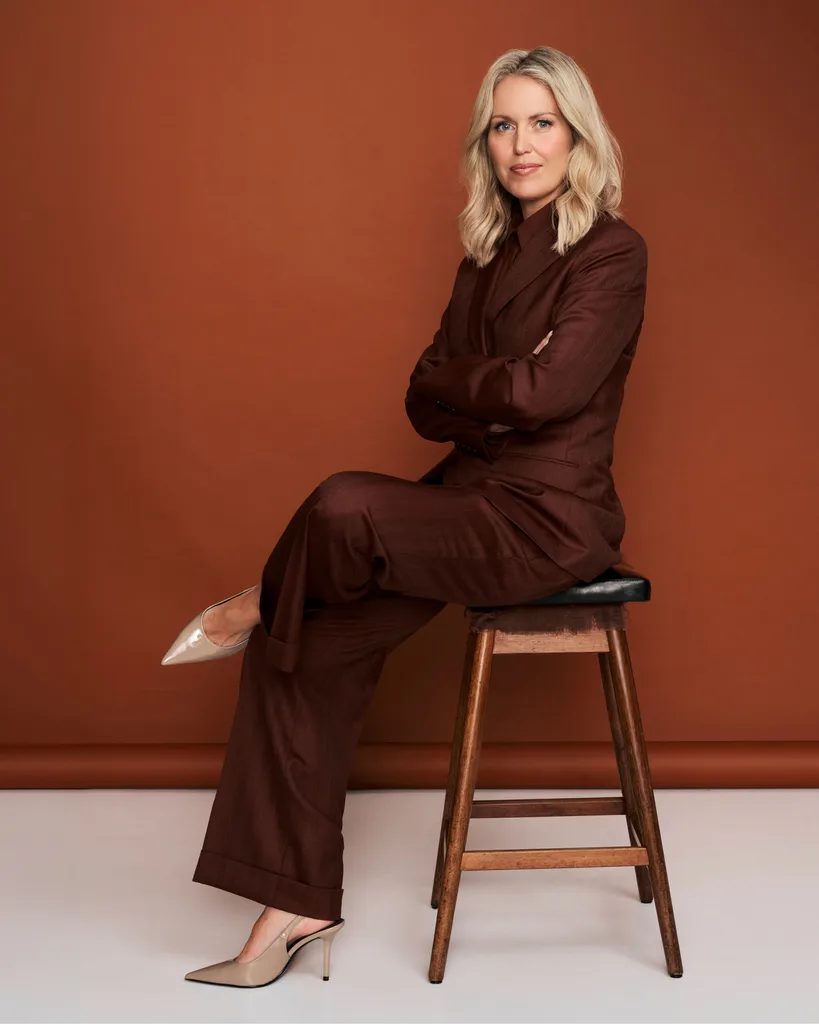
For Robinson, bringing Silenced to audiences presented another challenge. “We were making a film about some of the most litigious men in the world, so the legal risks were massive,” she says. “We were also asking women to reopen something that’s deeply traumatic and also open themselves up to legal risk again by speaking, so I was very adamant that we ensured that in participating in the film, all the women were protected. That didn’t stop us being threatened with legal action when the film came out, so it goes to show [what] you come up against when you try to tell these stories.”
While Robinson focused on legal protection, Miles ensured that each part of the filmmaking process was trauma-informed, creating a safe space on set for the women to share their stories. “If you’re someone whose decision to speak about your experience of violence has led to legal action that has affected your life, to make the decision to sit down and go on record on a film is incredibly brave,” says Miles. “We really wanted to create a safe environment for women to speak to us, not put them back on the stand by having excessive infrastructure that reminded them of what it was like to turn up to court and be chased down by paparazzi.”
The message of Silenced is best illustrated when Higgins explains that being cross-examined was almost as traumatic as the sexual assault. This is exactly what Robinson wanted to get across. “Anyone who suggests [a woman] has lied because she didn’t go to the police, they should go and be cross-examined by a police officer and see just how fun that is,” she says. “The law is a perpetuation of the abuse.”
Through these deeply personal accounts, Silenced gives audiences what is so often missing from the public discussion surrounding these cases: empathy for the women at their centre. It asks us to look critically at the headlines, challenge assumptions and reconsider the stories we thought we knew.
Silenced is in cinemas from September 3.

Related stories
Native ad body.

Native ad body.


Native ad body.