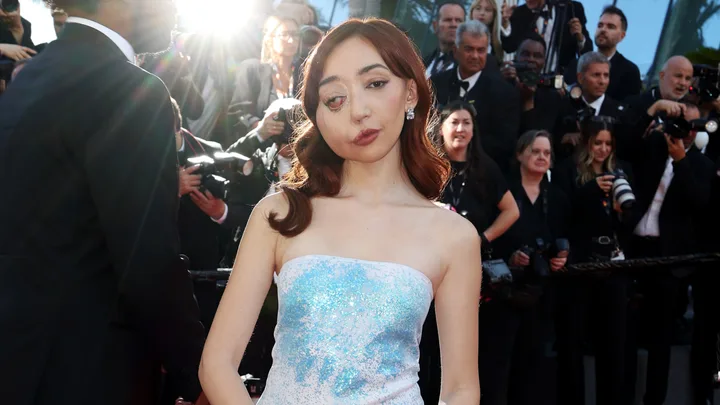
To join in on an online trend, I shared a photo of myself when I was younger followed by a photo of myself now. It was completely harmless, everyone was doing it, and I remember the post starting to go quite viral very quickly. The post was getting millions of views, and I went into the comments section because I like seeing what people are saying and replying. And I was just completely bombarded.
I’ve been on social media for more than a decade, and hate is never something that’s OK or should be normalised, even though, unfortunately, it has become normalised online. But this felt different. The hate almost felt more passive-aggressive than direct because people genuinely seemed to think they were doing something positive. They were saying things like, “You’re so beautiful,” but attaching it to AI-generated versions of me where my condition had been removed. It was like people had created this entirely different version of me and decided that was the version worthy of praise.
It became a trend in itself. There were thousands and thousands of comments doing the exact same thing. People had cropped my face to only show one side, or they were using AI to completely change my appearance by removing the side of my face affected by my condition and mirroring the other side instead. And people were commenting things like, “The potential” or “Look, I fixed it.”
I was honestly gobsmacked. I remember sitting with it for more than a week before I addressed it publicly because I didn’t want to give people the satisfaction of reacting immediately. Often when people leave hateful comments online, [an instant reaction] is what they want.
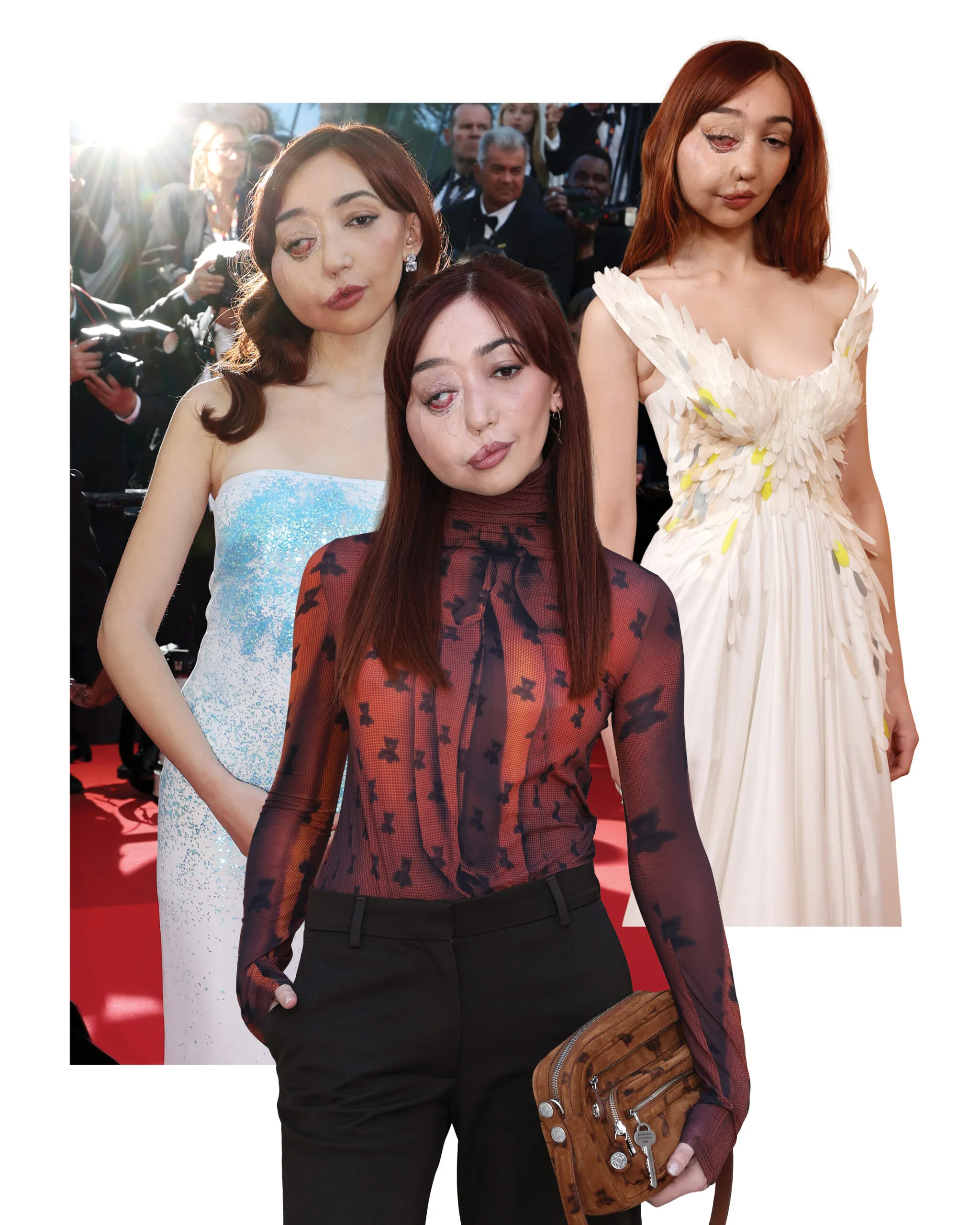
But at the same time, I also felt like I couldn’t not address it because it had become such an epidemic in itself. As someone with a facial difference, appearance and identity are incredibly complicated things. I was born with both sides of my face looking the same, but when my condition became active at six years old, my appearance changed drastically. [Lilly has arteriovenous malformation, known as AVM, a congenital condition in which blood vessels form incorrectly, causing facial swelling, seizures and chronic pain.]
So all of my childhood photos before then look like a completely different person. When my face changed, I felt incredibly ostracised. I felt like I lost my sense of self and identity. My whole life became being stared at, being asked what had happened, feeling like a complete outsider. It was incredibly difficult, especially at such a young age. I had to grieve my old appearance and what my life had once been. So much of my life since then has just been about trying to believe that I’m good enough – looking the way I do now – both for society and for myself.
For years, my appearance made me a recluse. I wouldn’t leave the house, I was too scared to speak to people at school, my face completely shaped how I moved through the world and how others treated me. So for people to then use AI to create this alternative version of my face – this version of me that they thought looked “better” – felt incredibly cruel.
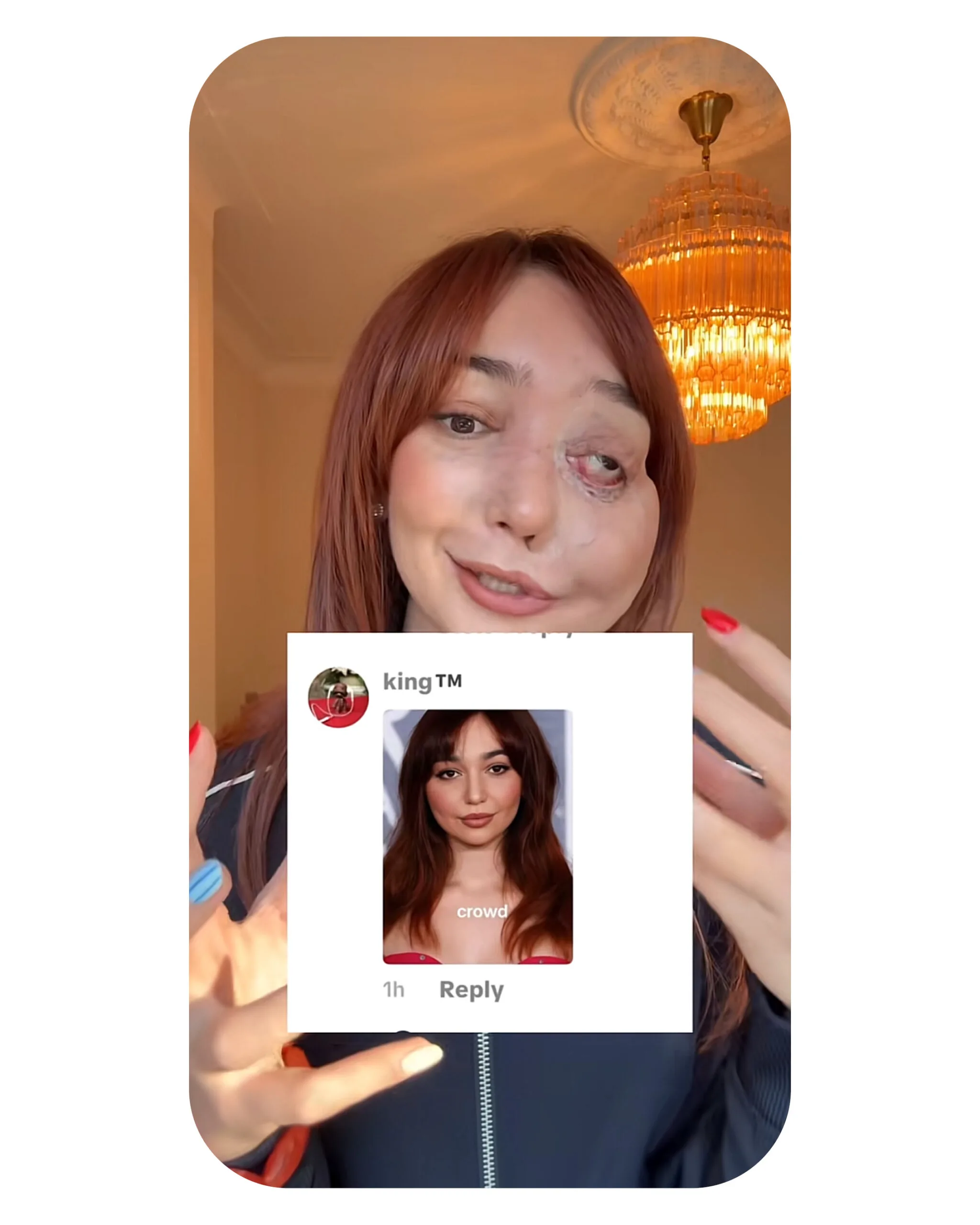
It felt like they were shoving this alternative reality in my face. Like they were saying my potential had been wasted because of something completely outside of my control. And the strangest part was that so many people genuinely believed they were helping me. They thought they were doing me a favour. They were saying, “Look, I fixed it.” I just kept thinking, “What planet are you living on where you think I’m going to be grateful for that?”
It was very dehumanising. It felt like someone was taking away my identity, my autonomy and my sense of self and basically saying it wasn’t good enough. It just erased half of what my identity is. Social media has always been a very complicated thing for me because, in many ways, it was also my lifeline. When I was diagnosed at six years old, I was in and out of the hospital constantly and barely at school. I had to stop doing so many of the things I loved because I was too unwell, and I became scared of interacting with people because of my appearance and the comments or stares I would get in public.
Social media became my safe haven. It gave me a connection to the outside world when I felt completely isolated. It allowed me to escape into other people’s lives for 20 minutes and forget about being this very sick child. And when social media first started, it really did feel like a place where you could find community if you didn’t have it in real life.
But now it’s easier than ever for people to anonymously comment abuse or harassment and face absolutely no consequences for it. People have become very brave online in ways they never would be in person. I know for a fact that most people who comment these things online would never say them to my face in real life.
What frightens me most is how quickly people stop seeing the human being behind the screen. When you use AI to alter somebody’s appearance, you are erasing part of their identity. Whether we like it or not, our appearance forms part of who we are, our story, our experiences. And when someone decides that your real face isn’t good enough and replaces it with something they deem more acceptable, that is incredibly damaging.
People don’t put themselves in other people’s shoes enough anymore. If thousands of people are all telling you in one singular moment that all the work you’ve done to accept yourself means nothing, that has an impact. It takes away from years of self-work and rebuilding confidence.
After this happened, I had to completely step away from social media for a while because I couldn’t even interact with the positive comments without seeing all the AI edits and abuse mixed in.
I’m lucky that I have a very strong support system around me. I’ve learnt that it’s incredibly important to have a life and relationships outside of social media. If your whole world becomes online, then moments like that can completely consume you.
But I also think reclaiming your identity means refusing to let those people win. For me, that means continuing to speak about these issues, whether that’s online, at the United Nations, while working with charities or simply existing visibly as I am. The best way you can revolt against people like that is by showing them you are still living your life to the fullest – regardless. I’m not going to disappear because strangers on the internet decided my face wasn’t good enough for them.

Related stories
Native ad body.

Native ad body.
Native ad body.