

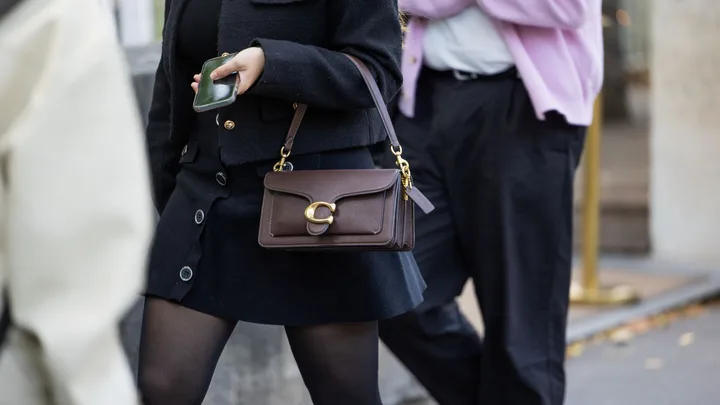
For something that’s designed to be carried every day, we spend surprisingly little time looking at how a designer handbag is actually made.
Instead, our attention is drawn to the things that are easiest to compare: the silhouette, the logo, the colour, the waiting list. Meanwhile, the details that tell you whether a bag is genuinely well made are usually the ones that receive the least attention. The stitching. The edge paint. The hardware. Even the way the handles have been attached to the body of the bag.
Perhaps that’s because craftsmanship isn’t especially photogenic. It’s subtle, cumulative and difficult to communicate in a campaign image. But once you know what to look for, it’s remarkably easy to recognise — and far easier to distinguish which handbags justify their price from those that simply wear an expensive tag.



Read: The Trending Coach Bags That Double As Perfect Capsule Wardrobe Foundations
Why Handbag Quality Matters
Anyone can fall in love with a handbag under boutique lighting. The harder question is whether you’ll feel the same six months later, once it’s been tucked under restaurant tables, squeezed into overhead lockers and carried through the general chaos of your morning commute. That’s usually when quality starts to separate itself from appearances.
This is often where differences between bags become more apparent. A style might look considered on the shelf, but how it holds its shape, how the leather responds to repeated use, and how the hardware behaves day to day are what ultimately determine whether it stays in rotation or falls out of favour.
Brands like Coach tend to make this distinction quite easy to observe in practice because their more recent designs are built around wearability in a way that becomes clearer the more you actually use them.

The good news is that most of the signs are there from the beginning. They’re simply not the details we’re naturally drawn to first. Learning to spot them before you buy can save you from making a very expensive mistake.
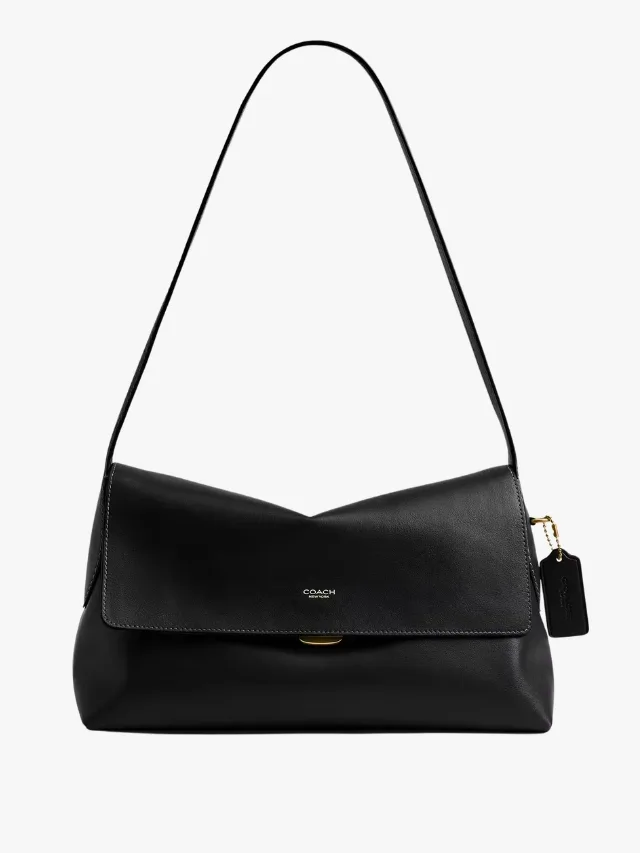
COACH
Chelsea Shoulder Bag 30
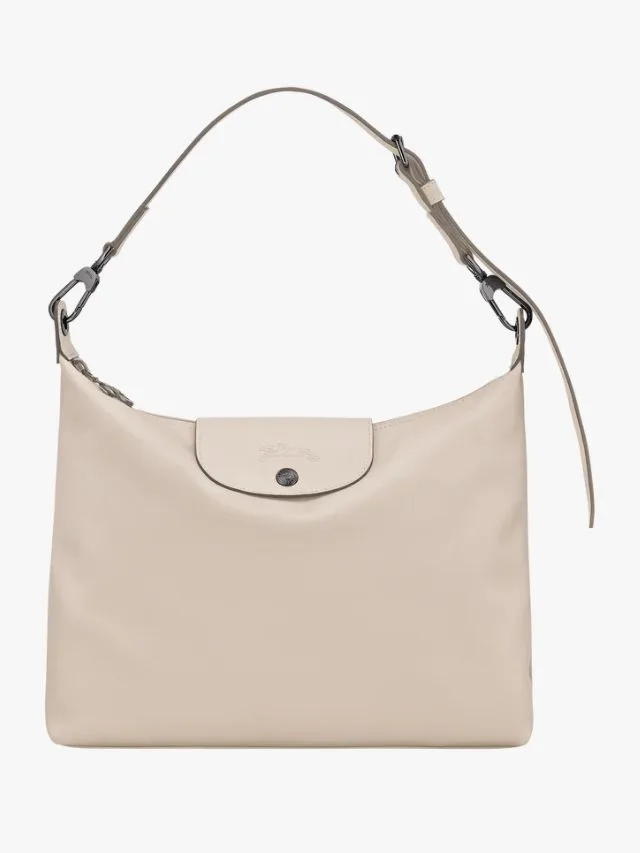
LONGCHAMP
Le Pliage Xtra M Hobo
The 10 Things Experts Always Inspect When Shopping Designer
Shopping for a designer handbag is a little like viewing a house. The renovated kitchen might be the thing that convinces you to walk through the front door, but it’s the foundations that determine whether it’s a good investment.
The same applies when shopping for a luxury handbag. The silhouette might be what draws you in, but it’s the details beneath the surface that tell you whether the bag has been built to justify its price.
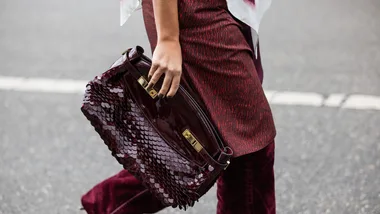

1. Leather
Leather is one of those things that’s surprisingly easy to overthink. Smooth doesn’t automatically mean better. Neither does buttery soft. Some of the best leathers need a little time before they really come into their own.
Leather should feel supple, substantial and natural in the hand. Full-grain leather is widely regarded as the benchmark because it retains the strongest part of the hide, while quality pebbled leather is often chosen for its ability to disguise everyday wear without compromising appearance.
2. Stitching
Stitching is one of the quickest ways to separate careful construction from cosmetic finish. It sounds obvious, but it’s easy to overlook in practice because it rarely draws attention unless something is clearly out of place.
Look at where the bag is under tension — around the handles, the base, and any curved seams. If the stitching stays consistent in those areas, it usually suggests the construction has been properly considered. If it starts to drift or bunch, that’s when there’s cause for reconsideration.
This is easier to see on more traditionally constructed leather goods, such as Polène’s structured styles, where seams, handles and panel joins are deliberately exposed to make alignment and finish immediately legible.
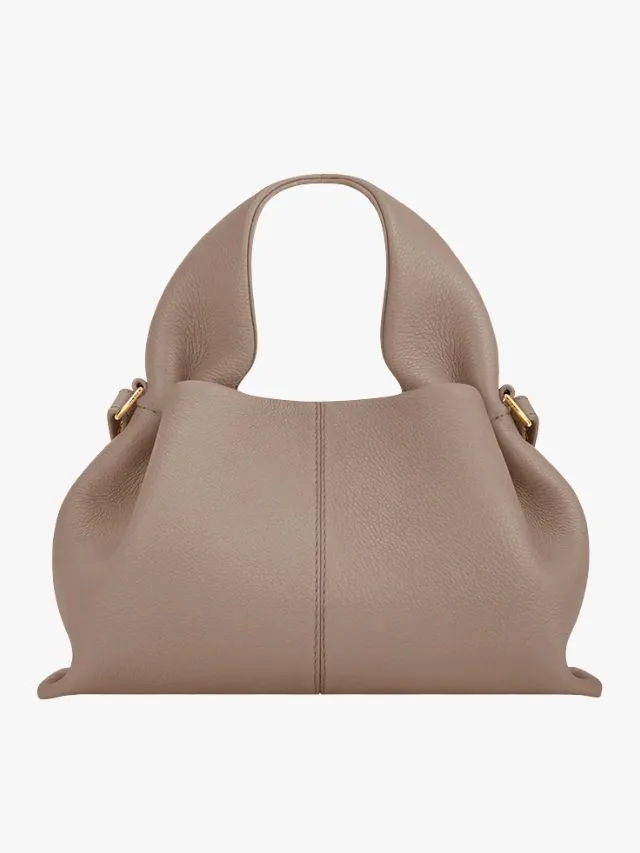
POLÈNE
Numéro Neuf Mini
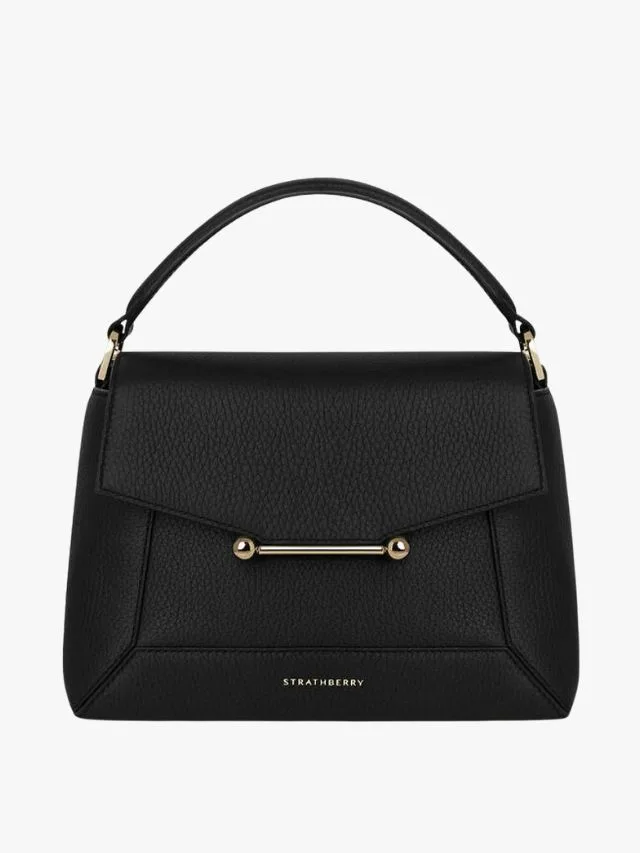
STRATHBERRY
Mosaic Bag
3. Edge finishing
Take a closer look at the painted edges along straps and handles. The finish should appear smooth and even, without bubbles, cracking or excess paint gathering in the corners. It’s a small detail, but it often reveals how much time has actually gone into the finishing stage of production.
4. Hardware
Before committing, open and close any clasps, zips or fastenings a few times. They should move smoothly without feeling loose, overly light or resistant in a way that suggests friction in the mechanism.
Weight is also telling here. Well-made hardware tends to feel solid in the hand without being unnecessarily heavy. Anything that feels flimsy at the point of purchase rarely improves with time, particularly on bags used daily.
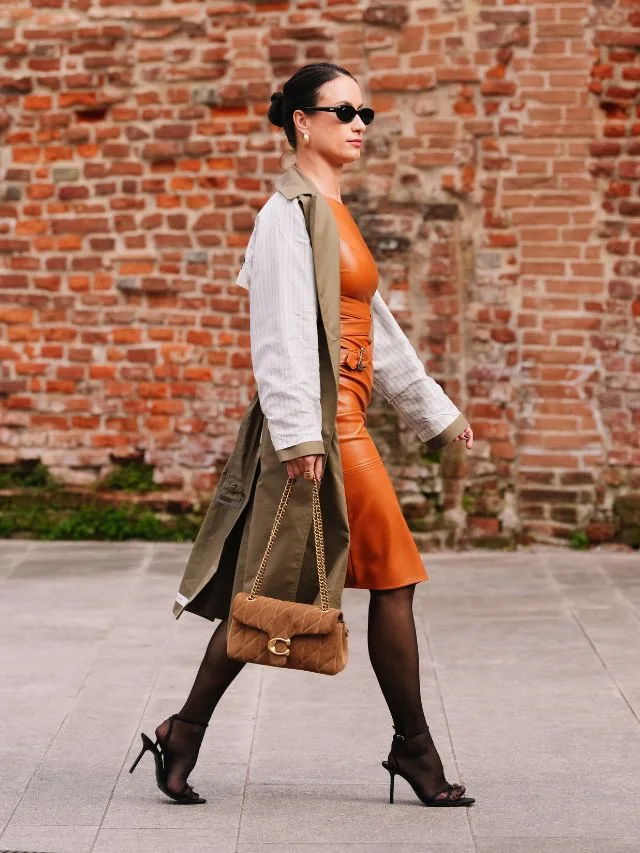
5. The Lining
The lining is often where construction shortcuts become more visible. It’s not the part most people think to check, but it’s the part that absorbs the most wear over time.
A good lining should sit neatly within the structure of the bag, without puckering or pulling at the seams. Materials vary — cotton canvas, suede, leather — but the common thread is finish. If it feels like a last-minute add-on in the boutique, it usually behaves like one in use.
6. Handles And Straps
Lift the bag by its handles. Do they feel secure? Are the attachment points reinforced? These areas carry the greatest amount of weight over the lifetime of a handbag and often reveal the standard of construction more quickly than almost anywhere else.
Pay attention to how they’re attached to the body of the bag, particularly where stitching meets hardware or reinforced panels. The key is stability. They shouldn’t twist excessively, shift under light pressure or feel as though they’re straining before the bag is even fully loaded.
It’s a detail that becomes especially noticeable in more structured designs from both contemporary and heritage brands, such as the Coach Tabby or Mulberry’s Bayswater, where quality becomes immediately obvious in how securely the structure holds when weight is applied.
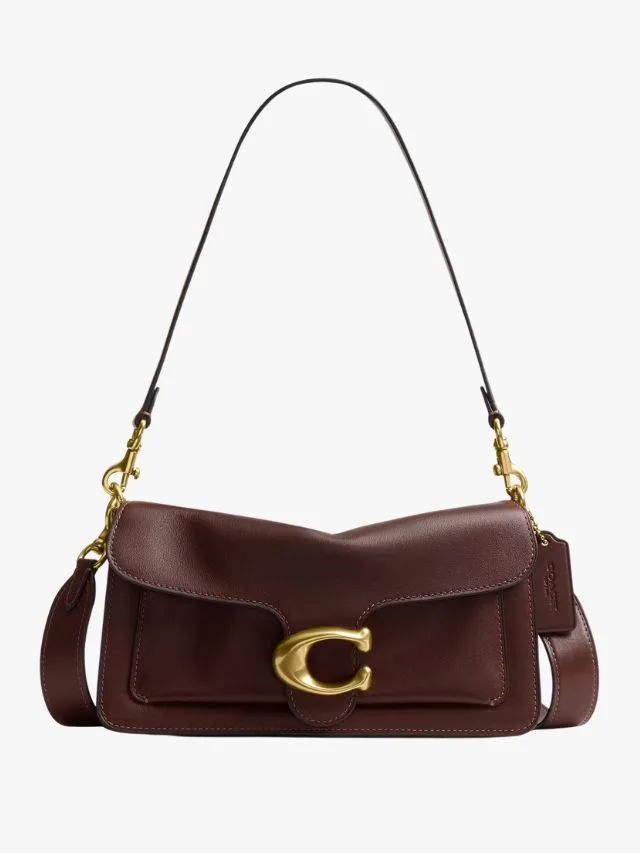
COACH
Tabby Shoulder Bag 26
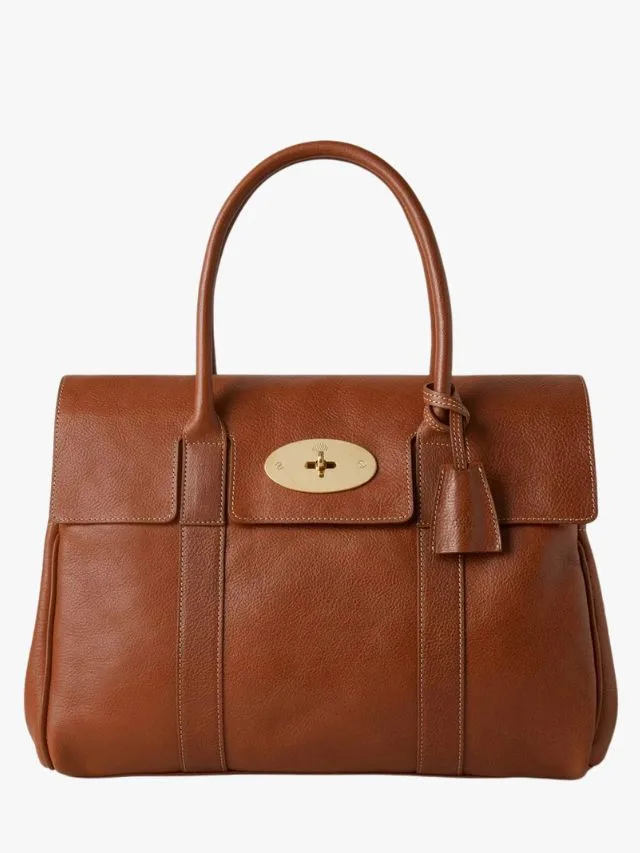
MULBERRY
Bayswater
7. Structure
Some handbags are intentionally relaxed, others more architectural. Neither approach is inherently better, but the construction should feel deliberate. A structured bag should hold its shape without collapsing in an unconsidered way, while softer silhouettes should drape naturally rather than slump or fold awkwardly.
A design that starts off unbalanced rarely corrects itself with wear, so it’s worth paying attention to how the shape behaves the moment you pick it up.
8. Proportions
Proportions are one of the easiest things to overlook in isolation, but they become immediately obvious the moment a bag is worn.
A design can be technically well made and still feel slightly off if the scale isn’t considered against the body. Strap drop, handle height and the overall scale of the bag all play into whether it feels natural or slightly off when in use.
9. Finishing Details
Finishing details are where consistency becomes visible. This includes aligned seams, even panel joins, neatly set pockets and clean transitions between materials.
Individually, none of these elements stand out. But together, they create the impression of care. When they’re inconsistent, the bag often feels less resolved, even if the main construction appears strong.
10. Weight
Heavier isn’t always better, but neither is a bag that feels unexpectedly light for the materials used.
What matters is balance. The bag should feel comfortable to carry when empty, but not insubstantial. If it feels noticeably heavy before anything is added, it’s worth considering how that will translate after a full day of use.
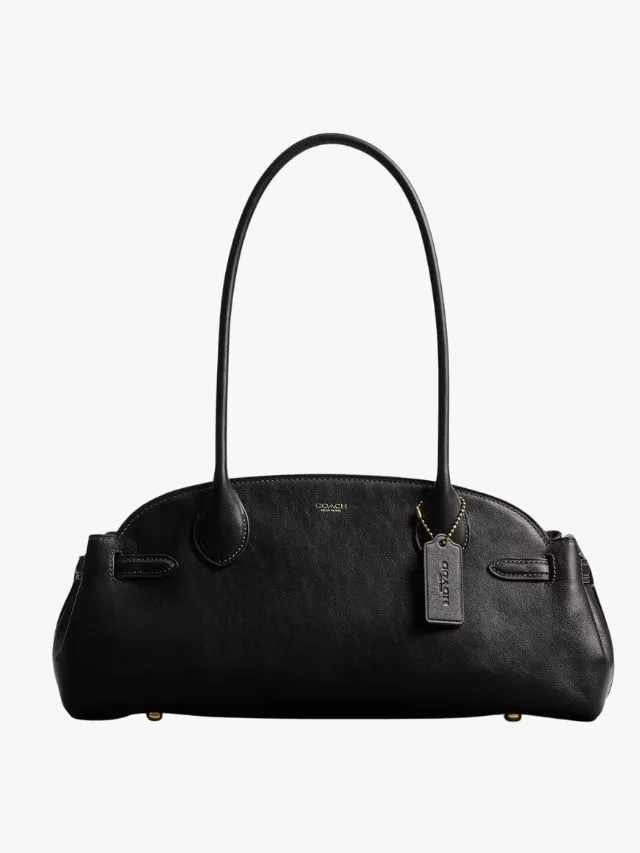
COACH
Empire Carryall Bag 34
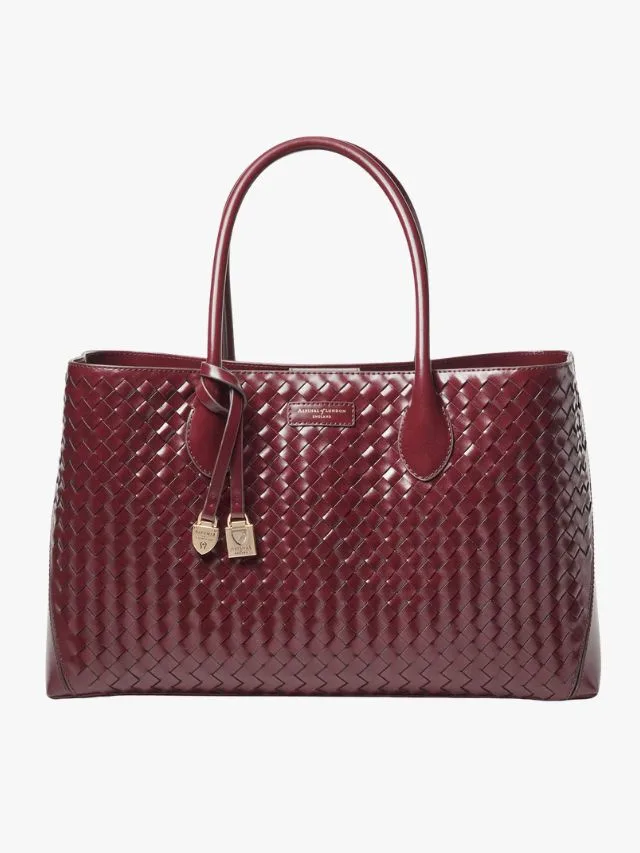
ASPINAL OF LONDON
London Tote
Red Flags To Watch For
Most issues with handbag quality are visible before the bag ever leaves the boutique — you just need to know where to look.
Uneven stitching is one of the most obvious signs, particularly around handles and base panels where tension is highest. Similarly, edge paint that looks thick, cracked or inconsistently applied is rarely something that improves with wear.
Hardware can also be revealing. If zips catch, clasps feel unusually light, or anything requires more effort than it should, it’s usually worth questioning why. Especially as these are the parts of a bag you’ll interact with most often.
Buying Tip
If zips catch, clasps feel unusually light, or anything requires more effort than it should, it’s usually worth questioning why.
Finally, be wary of structures that already feel compromised. A bag that doesn’t sit correctly when empty or against the body is unlikely to correct itself once it’s in rotation.
Our Expert Checklist
Once you’ve learned what to look for, the process of purchasing a designer handbag becomes more instinctual. Most experienced shoppers don’t tick through a mental list — they just know where to look.
This is often where brands like Coach are useful to handle in person. With styles such as the Tabby or Chelsea, what stands out is the overall sense of balance when you pick them up. The leather has enough structure to feel considered without being rigid, the hardware moves without resistance, and the proportions feel considered rather than overworked.
Before committing to your next designer handbag, take a moment to inspect:
- The quality and finish of the leather
- Straight, evenly spaced stitching
- Smooth, consistent edge painting
- The quality and finish of the leather
- Straight, evenly spaced stitching
- Smooth, consistent edge painting
- Solid hardware with secure fixings
- A durable, well-finished lining
- Reinforced handles and straps
- Balanced proportions and comfortable carry
- Cleanly aligned seams and panels
- Construction that feels deliberate throughout
- Whether the craftsmanship feels proportionate to the price
Luxury is often discussed in terms of heritage, exclusivity and price. Craftsmanship is far easier to evaluate.
Once you understand the details that contribute to a well-made handbag, you’re far better equipped to decide which pieces genuinely deserve a place in your wardrobe — and which are relying on little more than a recognisable name.

