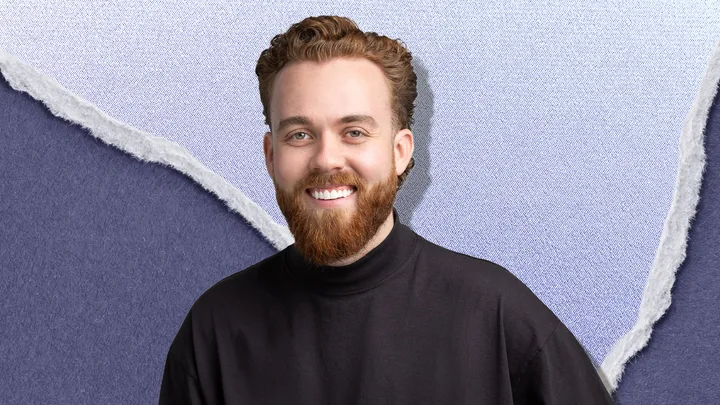
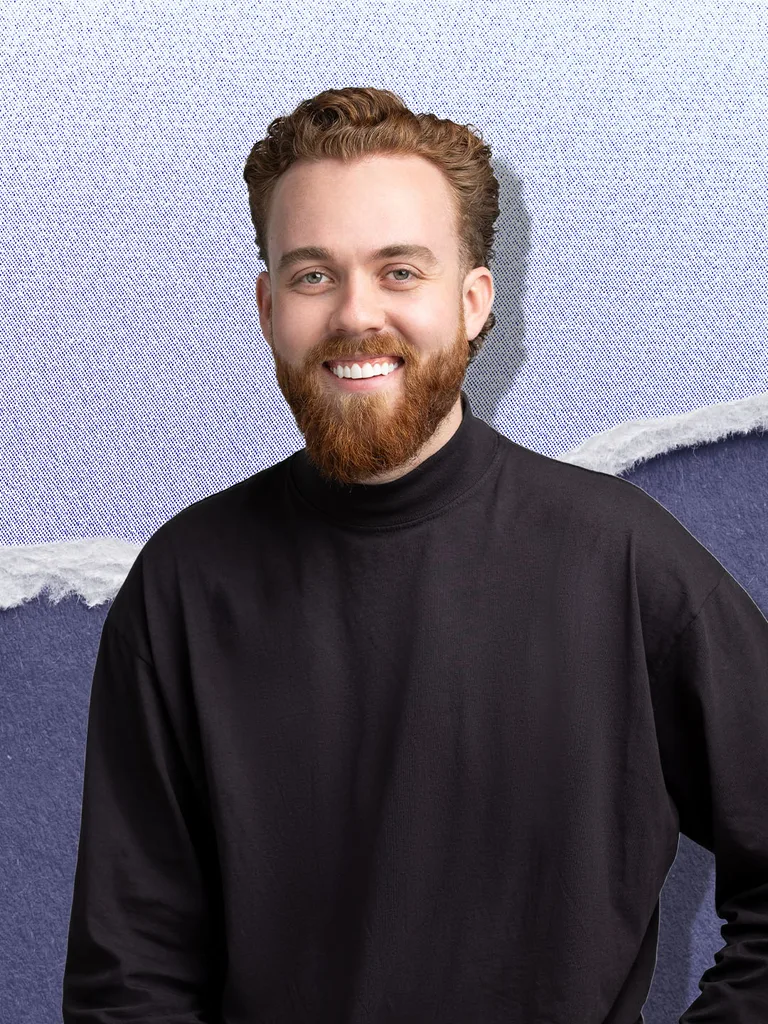
Harrison James knows first-hand the power of speaking out. In 2022, aged 22, he publicly shared his story of childhood sexual abuse for the first time, turning his experience into a national campaign to abolish the use of good character references in the sentencing of convicted child sex offenders. This year, that campaign helped secure historic law reform in NSW, the ACT, VIC, TAS and WA. Here, he reflects on his own experience of violence and why men need to start speaking up, challenging misogyny and holding each other accountable.
“Many of my earliest childhood memories are of violence. My father was physically violent towards my mother, and they divorced in 2010 when I was 10 years old.
Just after the divorce, my father perpetrated quite severe domestic violence against my mother. That case went to court, and my father used character references against my mother [to discredit her statement and appeal to the judge for a more lenient sentence].
I saw the hope drain from my mother’s face as glowing references about my father were read aloud in court. That early experience was what drove me to launch the Your Reference Ain’t Relevant campaign in 2023, to abolish the use of “good character references” in sentencing perpetrators of sexual offences.
My father was ultimately found guilty of domestic violence, but when I turned 13, I was hopeful that he had changed, so I decided to move in with him. That’s when I first met my stepmother. [Harrison has publicly alleged that his stepmother sexually abused him between the ages of 13 and 16 and, when he was 15, fell pregnant with their daughter, who he was forced to pretend was his sister.] When I was 19, my stepmother fled to her home country of the Philippines. I’m 26 now, and haven’t seen my daughter since 2019
Being a male survivor has also shaped the way I think about masculinity. Men speaking honestly about the violence we’ve experienced matters enormously because silence around male victimhood doesn’t protect men at all; it isolates us. We live in a world built around incredibly entrenched gender stereotypes and very established ideas about what a man is supposed to be. We’re told masculinity means strength, control, sexual confidence and emotional stoicism.
Then you experience something that makes you feel as though all of those things have been taken from you. Before I understood myself as someone who had experienced violence, I often tried to deal with what happened to me through ideas of masculinity that weren’t helping me. Chasing feelings of control, validation, achievement. Chasing sex, alcohol, drugs and whatever makes you feel powerful enough to no longer feel vulnerable.
Men need permission to say, “Someone hurt me.” Not because we’re trying to compete with women’s experiences of violence. We know violence disproportionately affects women and girls and is perpetrated by men. But shame and silence aren’t keeping anyone safe. For me, that also means recognising my responsibility as a man. I’m not interested in speaking for women or taking over from women who have been doing this work for generations. I want to stand alongside them, uplift their voices and be as useful an ally as I can be. Women shouldn’t have to spend their lives convincing men that violence against women is a problem. At some point, men have to turn to each other and say, “This is ours to fix too.”
I don’t need a medal for caring about women. I want caring about women, challenging misogyny and calling out your mates to be completely ordinary expectations of being a man. I also completely understand why some women are cynical about male allies. Men have given women plenty of reasons to be. My response is never to get defensive about that. It’s to keep showing up, listening, doing the work, and hopefully earning trust through my actions rather than asking for it because I call myself an ally.
Accountability means being explicit about the problem. People are scared to say misogyny. Say misogyny. Say sexism. Say male entitlement. Say male violence. Be really clear. We’re so concerned about making boys and men comfortable that we become afraid to describe the problem, which I don’t think is preparing them to be part of the solution at all. There is rightly an enormous emphasis on prevention. We absolutely need to be asking what attitudes we can change in young boys so women and girls are safer in 10 or 20 years. But prevention can’t be an excuse to postpone action today. Women are experiencing violence, misogyny, sexism and sexual harassment today. One in five women experiencing sexual violence in Australia should horrify us. Every woman killed by male violence should horrify us.
I hope eventually the term ‘male advocate against violence towards women’ sounds like a ridiculous distinction. I hope we reach a point where men caring about women’s safety is so normal that nobody thinks it’s noteworthy enough to give us a special label. We’re obviously nowhere near that yet, but that’s the culture I want boys growing up in and men contributing to.”

Related stories
Native ad body.

Native ad body.

Native ad body.