
Every night, before my eyelids eventually betray me, I’ll spend two hours scrolling TikTok.
This time is sacred to me; it’s one of the few moments in my day where I can switch my brain off and disconnect.
That was, until a particular piece of AI slop ruined everything. It was late on a Wednesday evening when a TikTok telenovela starring anthropomorphic fruit first appeared on my feed.
Like a scene from Love Island, the fruits had gone wild: having affairs, feuding and even giving birth. Yes, it’s as ridiculous to describe as it was to watch.
It was the final straw; I had officially reached peak brain rot.
What was more disturbing was the discovery that these clips have racked up over 300 million views, prompting the algorithm to pump them out as their own mini-series.
Grossed out by the content that was being fed to me, I decided that I was not going to fall victim to this AI abomination: I was going to unrot my brain.
As someone sitting on the cusp of Gen Z and Millennial, I have always felt that I had a healthy relationship with technology. I might not be able to remember a time before computers, but I was lucky enough that I didn’t have my first smartphone until I was basically an adult.
When I do use my phone, I enjoy it – I like being a part of the cultural conversation and feeling connected. But over the last few months, I couldn’t help but feel as though my phone was taking more than it was giving.
And if I was no longer being inspired, entertained or learning from the content I was consuming – why was I letting it steal my time and attention?
“The impact of excessive daily screentime goes far beyond eye strain — it starts to influence multiple systems in the body over time,” explains Dr Steven Lu, Chief Medical Officer at Everlab.
“The biggest concern is what that time is displacing. Higher screen use is consistently associated with poorer sleep, reduced physical activity and more irregular routines — all of which underpin long-term health. Even something as simple as scrolling late at night can suppress melatonin by exposing the eyes to blue light, delaying sleep and reducing its restorative benefits.
“If you zoom out, the bigger issue is opportunity cost. If even part of that time was redirected towards movement, learning a new skill, or spending time with friends and family, the upside for both physical health and longevity would be significant.”

With this front of mind, I decided to quit my phone cold turkey. But like any addiction, the pull of my vice was too strong. I’d pick up a book, only to put it down five minutes later for a cheap dopamine hit on my phone.
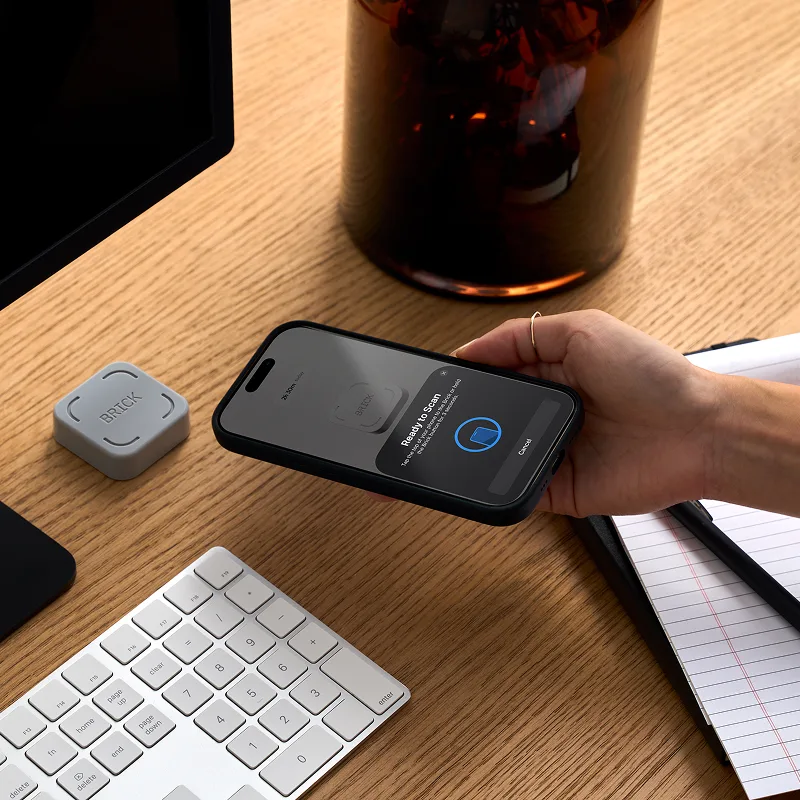
I needed help. So when my friend told me about Brick – a physical device that temporarily removes distracting apps and notifications – I was eager to give it a go.
The benefit of the Brick is that you decide which apps to turn off, and because it’s a physical device, you have to get up and walk across the room to turn them back on, which reduces the impulse to reach for your phone.
A few days later, my Brick arrived, and I selected the apps I wanted to ‘brick” (restrict): Facebook, Snapchat, Instagram and TikTok. I decided not to brick my texts as I still wanted to be reachable if family and friends needed to contact me.
I bricked my phone right before dinner and for the first time in a long time, I sat through an entire movie without scrolling. Of course, I still felt the impulse, but it wasn’t strong enough to get off the couch and unlock my phone. I think it helps that I can be incredibly lazy.
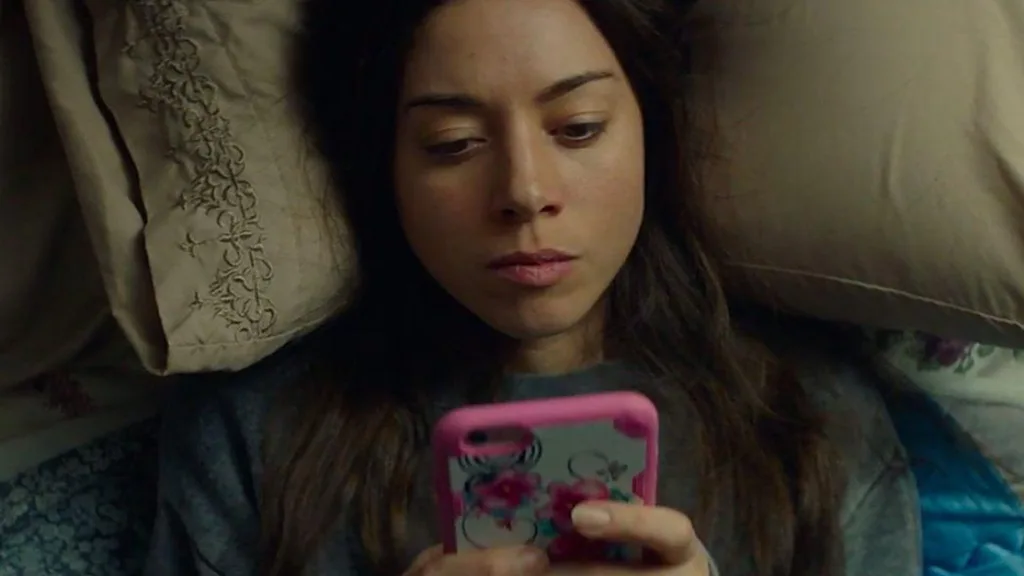
When it was time to go to bed, I decided to keep my phone bricked Usually, my bedtime routine goes something like this: skin care, pick up a book, put down the book, scroll on phone, tell myself five more minutes, then I need to read my book, spend another two hours scrolling, put on an audiobook and eventually sleep.
But without the temptation to scroll, I had an hour of undisruptive reading time.
“Notification culture creates a state of constant, low-grade interruption and over time, that can keep the nervous system in a more activated state than it was designed for,” says Dr Lu.
“Each ping, vibration or alert triggers what we call an orienting response, where the brain rapidly shifts attention to something that might be important.
“On its own, that’s not harmful, the issue is frequency. If that’s happening dozens or even hundreds of times a day, you’re repeatedly interrupting focus without giving the system much chance to properly settle.”
In fact, recent experimental studies show that even the presence of a smartphone can reduce attention and cognitive performance by consuming limited mental resources, even when you’re not actively using it.
There’s also evidence that notification interruptions themselves can impair cognitive control and attention, essentially making it harder to stay focused and increasing mental load.
As the nervous system doesn’t really return to baseline, over time, this contributes to a persistent sense of mental load and reduced resilience.
So how do we know how much screentime is too much?
There isn’t a universally agreed-upon ‘safe’ number of hours for screen time. Some studies suggest that beyond around two to three hours of recreational screen time per day, you begin to see associations with poorer health outcomes.
Although it’s important to interpret that carefully, as it doesn’t account for how that time is being used.
For example, two people could both spend five hours a day on their phones, but if one is using it for work, communication or learning — and still sleeping well, moving regularly and maintaining good routines — the impact is very different to someone engaging in prolonged, passive scrolling late into the evening.

Dr Lu recommends focusing more on boundaries rather than limits. “A simple framework I often suggest is a ‘3-2-1’ approach in the evening — finishing meals three hours before bed, stopping liquids two hours before bed, and avoiding screens in the final hour. It’s a practical way to protect sleep and recovery without needing to strictly monitor total screen time,” he says.
If you need another reason to cut your screentime, consider this: your phone might be ageing you.
Higher, unstructured screen use tends to displace movement, disrupt circadian rhythm and fragment daily routines.
“Sleep is one part of that. Blue light exposure in the evening suppresses melatonin and delays sleep onset, and over time, that’s been linked to poorer glucose regulation, increased inflammation and reduced recovery,” explains Dr Lu.
:But mornings matter just as much. If the first thing someone does is check their phone, they’re missing exposure to natural light, which is one of the primary regulators of circadian rhythm. That has downstream effects on energy, hormone balance and sleep quality later that night.
“There’s also the physical side. Several hours of passive screen time typically means more sitting, and large cohort studies have shown that prolonged sedentary behaviour is associated with increased risk of cardiovascular disease and all-cause mortality, even in people who exercise. It doesn’t feel significant in isolation, but repeated over time, those trade-offs accumulate.”
So from a longevity standpoint, the impact is meaningful. It’s about how these behaviours shape sleep, movement, metabolic health and circadian rhythm over time — all of which are central to how well we age.
Two weeks after cutting my screen time in half, I feel less distracted, calmer and more productive. But the biggest win was the extra time I gained every day to do things I love, like reading.
Which raises the obvious question: had I successfully unrotted my brain?
According to Dr Lu, the answer is less about reversal and more about rebalancing. “The brain is highly adaptable,” he explains, “but it responds to what you repeatedly expose it to.” In other words, if your days are filled with constant stimulation, fragmented attention and poor sleep, your brain will adapt to that. But the same is true in reverse.
By reducing excessive screen use — particularly passive, late-night scrolling — and replacing it with better sleep, movement and more intentional activities, you’re gradually giving your brain the conditions it needs to function differently again.
So, yes — the only thing real rotting here was that AI fruit.

Related stories

Native ad body.

Native ad body.




Native ad body.