Stargazers, mark your calendars. While last week’s solar eclipse was not visible in Australia, a rare blood moon will appear over the country next week, with a total lunar eclipse visible across much of the nation.
The event will be visible nationwide, but the east coast will enjoy the complete arc of the eclipse from first shadow to final glow.

In central and western Australia, the opening stages may unfold against the last light of day, with the most dramatic moments revealing themselves only after night fully settles in.
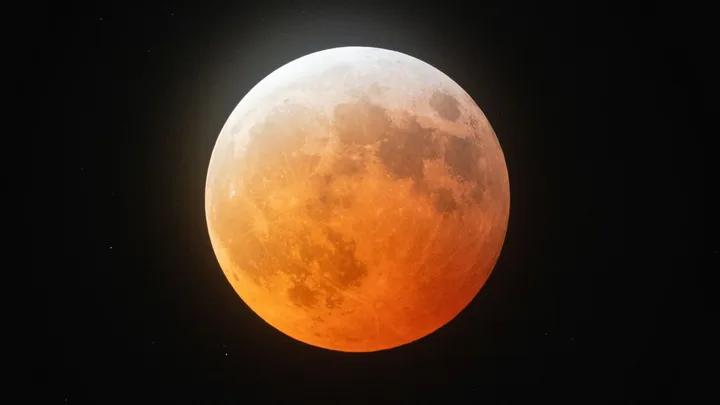
A “blood moon” refers to a total lunar eclipse, when the Earth slips neatly between the sun and the moon. As sunlight bends through our atmosphere, the moon is cast in a deep, burnished red, transforming the familiar into something otherworldly.
The totality phase, when the moon takes on its most vivid hue, is expected to linger for around an hour.
The total lunar eclipse will unfold on the evening of Tuesday, March 3. The totality phase, when the moon takes on its signature copper-red hue, is expected to last around an hour.
A partial eclipse will begin roughly an hour earlier, as the Earth’s shadow gradually moves across the lunar surface before full totality sets in. It’s expected the lunar eclipse will be visible around the same time for each state, only varying due to time zone. That is, 7pm in Perth, 10pm in Hobart, Melbourne, Canberra and Sydney and 9pm in Brisbane.
After this event, Australians will not see another total lunar eclipse until December 31, 2028.
| City | Totality Starts | Totality Ends |
|---|---|---|
| Sydney | 10:04pm | 11:02pm |
| Canberra | 10:04pm | 11:02pm |
| Melbourne | 10:04pm | 11:02pm |
| Brisbane | 9:04pm | 10:02pm |
| Adelaide | 9:34pm | 10:32pm |
| Hobart | 10:04pm | 11:02pm |
| Darwin | 8:34pm | 9:32pm |
| Perth | 7:04pm | 8:02pm |
The best time to watch is during the totality phase, when the moon turns a dramatic shade of red. This phase will last for approximately an hour.
Unlike a solar eclipse, a total lunar eclipse is completely safe to view with the naked eye and requires no special equipment. For the best vantage point, head somewhere elevated with a clear line of sight to the horizon and minimal light pollution. You can see a full diagram on the path, courtesy of Time & Date, below. 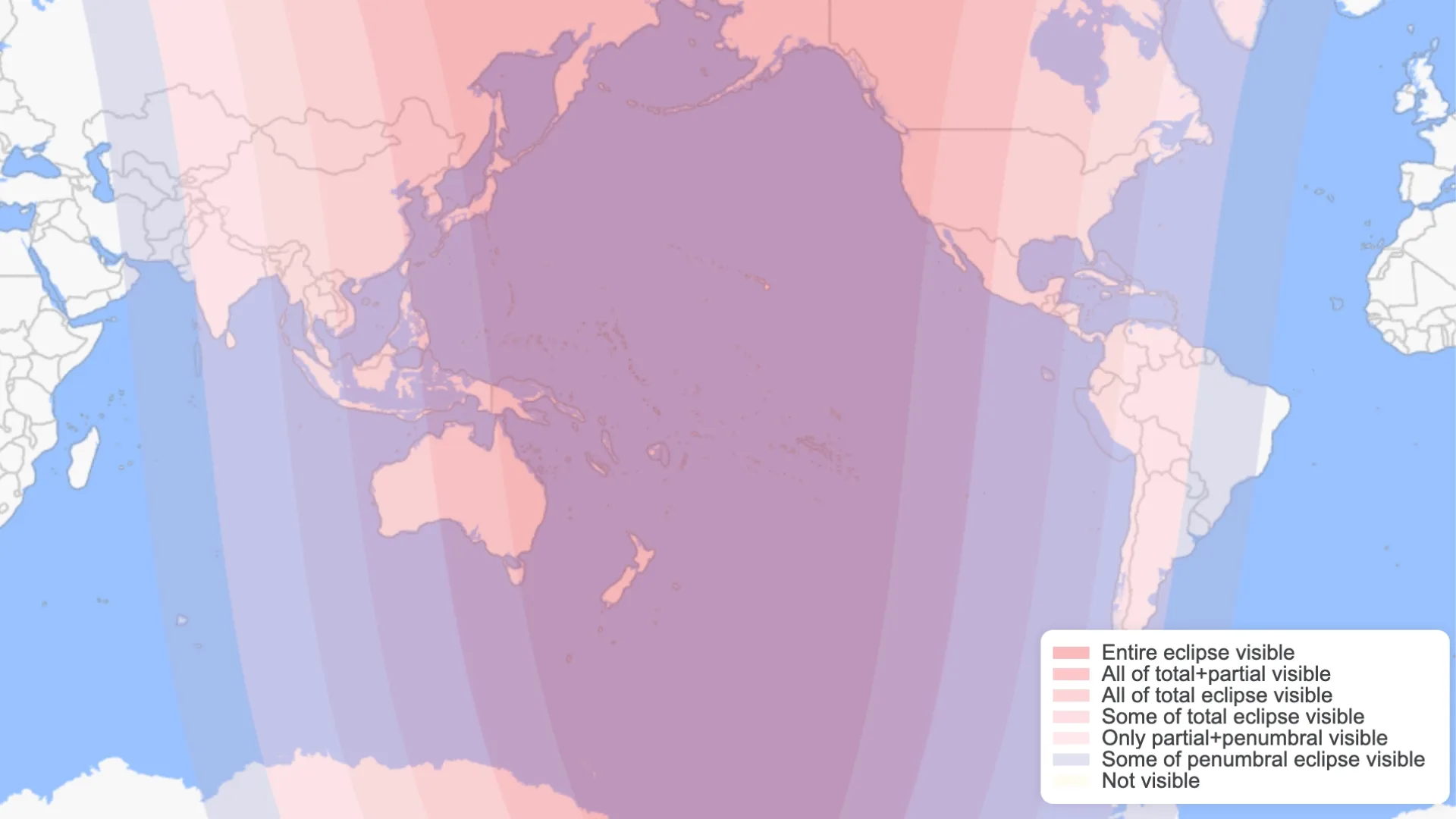
Full Moons sit at the peak of the lunar cycle, often bringing heightened emotion, restless energy and a sharper awareness of what feels unresolved.
A Blood Moon can amplify that intensity, adding weight to moments of reflection and emotional release.
Eclipses tend to coincide with periods of disruption and accelerated change, breaking up routines that have grown stagnant and prompting moments of decision.
Relationships may shift, power dynamics recalibrate, and long-settled patterns are unsettled. While the intensity can feel destabilising, it often brings clarity, surfacing long-simmering feelings and nudging more deliberate, present choices into focus.
Yes, you can! No special equipment is required, unlike a solar eclipse, and the Moon will be easy to spot with the naked eye.
Tonight’s total lunar eclipse will bathe the Moon in a striking red or copper hue — a spectacle often called a “blood moon.” This dramatic colour change happens because, as Earth moves directly between the Sun and the Moon, our atmosphere scatters shorter blue wavelengths of sunlight while longer red wavelengths are bent into Earth’s shadow and cast onto the lunar surface, much like a global sunset.
“Any light that does pass shines through our atmosphere and transforms the lunar surface into a deep, coppery red,” astrophysicist Dr Rebecca Allen of Swinburne University tells The Guardian.
“Just as a sunset or sunrise can be pink or red, this light is also refracted and so lights up the moon in an orange-red colour.”
How deep or bright that red appears depends on atmospheric conditions — dust, smoke or volcanic particles can make the Moon look darker and more crimson, while clear air tends to give it a lighter orange glow.

Related stories

Native ad body.
Native ad body.

Native ad body.