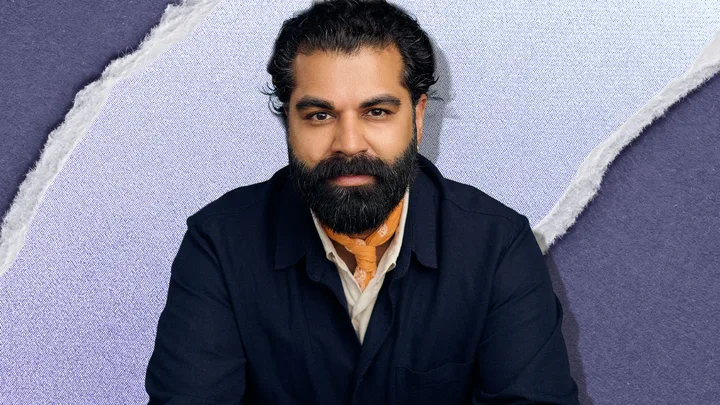
Tarang Chawla never planned to become an advocate against men’s violence. But in 2015, after his 23-year-old sister Nikita was murdered by her partner, grief propelled him into action. In the decade since, the former lawyer and academic has become one of Australia’s most prominent voices on gendered violence, working across prevention, education and systems reform. Now, he says, it’s time for all men to step up and play their part.
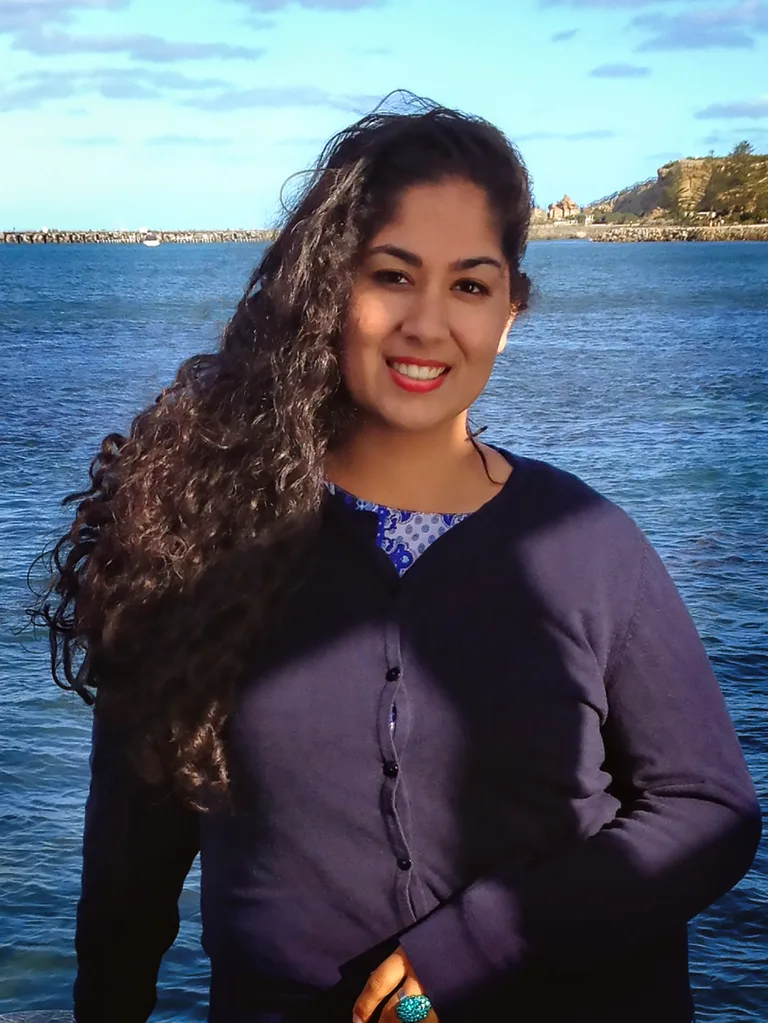
“My sister Niki was one of the kindest people I’ve ever known. She had a big heart and really cared about her family, her community and the world. In 2015, Niki was murdered by her partner. During the criminal trial of the man who took her life, my mum told the judge that although Niki only lived for 23 years, she gave enough love to last several lifetimes. I thought that was a beautiful way to describe her.
Shortly after Niki’s death, I saw a footy player on national television who’d been imprisoned for assaulting his partner. His team welcomed him back and he was speaking about how he was “involved” in this incident of domestic violence. That didn’t sit right with me because he spoke about his so-called involvement, when he caused all the horrific injuries to his partner. This man showed a clear lack of accountability, and I had to speak up. I co-founded Not One More Niki, an Australian victim-survivor-led movement to stop male violence against women and girls. My advocacy started from a place of rage, anger and grief and needing to do something.
I feel I have a responsibility not only to my sister, but to all women, to do this work. Although male violence primarily harms women and girls, it’s not their responsibility to solve it. Men have to change the cultures and behaviours that enable it, and invest in the solution. In the words of the United Nations, men’s violence is “one of the most devastating human rights violations in the world today”, and too many men say nothing about it. We have created a society over a very long period of time where men still hold social permission to make women and girls feel unsafe, and their fear of losing social currency prevents them from speaking out about this issue. You are seen to be “dogging the boys” or going against the boys’ club or the culture of male peer relations where you don’t “rat” on each other, especially in Australia.
The goal is not to create more male advocates. The goal is for fewer women to be harmed. We have spent a long time in conversations around ‘engaging’ boys and men and prioritising making them feel comfortable in conversations about male violence. We, as men, should ask ourselves and one another: what is that comfort costing women?
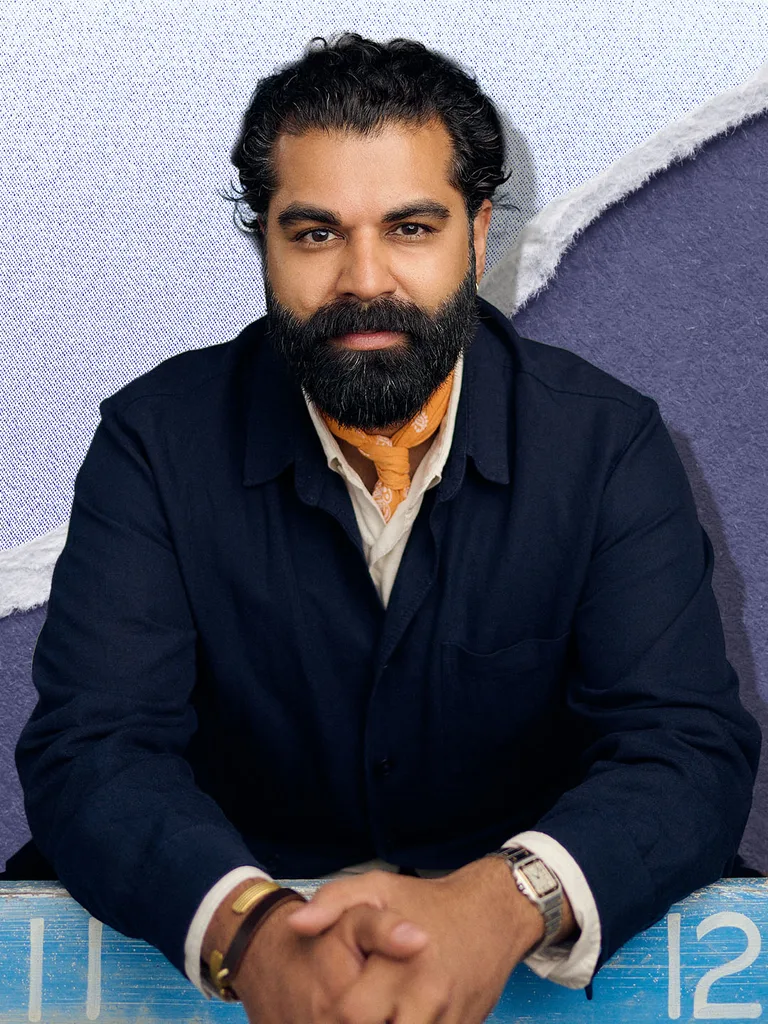
Men don’t need to become the heroes of a movement that women have built. We need to become accountable participants in it. For men wanting to be more involved, it’s about asking yourself: what does that accountability look like? It’s not just understanding the dictionary definition of consent. It’s being able to understand: how do I recognise another person’s humanity when that conflicts with my own desire? It’s questioning your own attitudes towards entitlement and challenging the culture in the environments where you won’t get recognition, when there is no reward for speaking out. When women and girls aren’t in the space, and someone makes a sexist or demeaning or derogatory joke, do you choose to laugh along? Or do you choose to be the person who says, “Hey, I don’t think that’s the kind of culture that we’re trying to set here?”
Right now, following an incident of harm, we see this culture revealed to us. We can see in who has been protected and who is diminished. We see and hear conversations casting doubt around women’s allegations and we learn whose futures are considered most valuable. To me, that signals that we are living in a society where we are still prioritising men’s comfort over women’s lived experiences. Effective male allyship, to me, is not about rescuing women or speaking for them. Instead, it means listening to women, backing their expertise and then influencing other men, and using that influence for good wherever you can, including challenging sexism, entitlement, and harmful behaviours in every setting all the time. I don’t think that any of this demonises men. I actually think it’s an aspiration because expecting better is what believing in men looks like.
There is a focus on the wellbeing of boys and men at the moment. This is good but we cannot, for a moment, pretend that some boys are not also causing harm to girls. If we are going to try to improve the lives of boys while not addressing misogyny directly, we are actually protecting male comfort, not helping boys. Accountability is an expression of empathy because it takes boys’ experiences seriously while still believing they are capable of more.
Grief prompted me to act publicly, but I am always learning more. You have to listen, learn and do the work. I’ve been doing that for over a decade. This work has taken me into governments, universities, schools, workplaces, sporting organisations and national conversations about reform. People will often tell me, “You’re Niki’s voice now,” but I don’t feel that I am Niki’s voice, because her voice should still be here.”

Related stories
Native ad body.

Native ad body.

Native ad body.