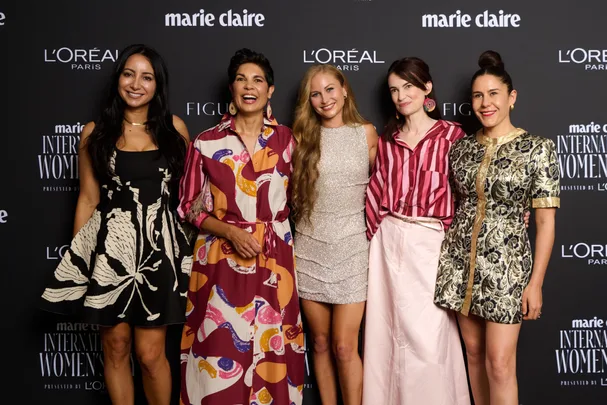
International Women’s Day arrives each year with the same familiar chorus: corporate Instagram posts and brand statements about “celebrating women” from companies that still have a gender pay gaps.
Yet dismissing the day overlooks why it exists at all. International Women’s Day was born from protest — labour strikes, suffrage movements and demands for basic rights — to highlight remain far from resolved.
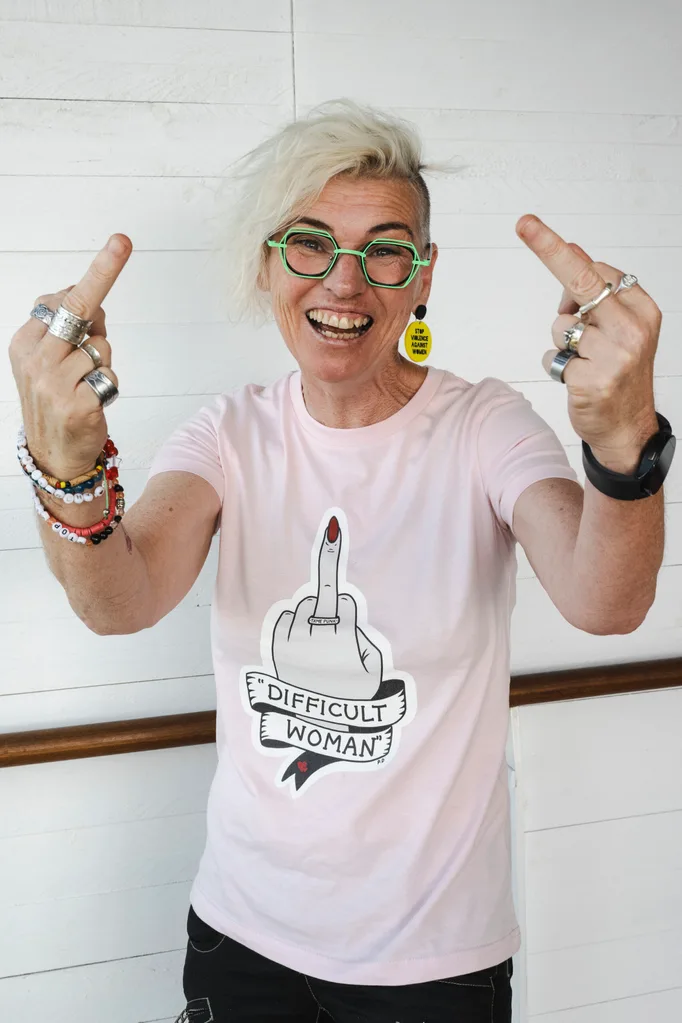
The past year alone has offered a stark reminder of how fragile progress can be. Just last week, advocate and survivor of child sexual abuse, Grace Tame found herself at the centre of national debate after Prime Minister Anthony Albanese described her as “difficult.”
The statistic around violence against women also remain confronting. In Australia, roughly one woman is killed every week by a current or former partner; a grim reminder that gender-based violence continues to be a national crises.
And yet, amid the sobering headlines, there have also been victories worth celebrating. From the Australia women’s national soccer team opening their 2026 Asian Cup campaign with a win led by captain Sam Kerr, to freestyle skier Jakara Anthony making history as the country’s most successful Winter Olympian with multiple gold medals. Rising track stars such as Leah O’Brien have also been rewriting record books.
Which is why International Women’s Day still matters. Not as a performative pat on the back, but as a moment to acknowledge that the fight for equality is far from over as well as celebrate the extraordinary progress that continues to be driven by women who refuse to stay silent.
At marie claire‘s 2026 International Women’s Day event, proudly presented by L’Oréal Paris and supported by Figur, this notion was echoed by a number of our speakers.
From Noor Azizah, a resilient Rohingya woman and survivor of genocide we were reminded of the extraordinary things that can happen when just one person refuses to be silent, while femicide reporter, Sherele Moody shared the traumatic event that inspired her own activism.
Throughout the lunch, we also heard from Olymic athlete, Jess Fox about txxxx and from award-winning singer Amy Shark on
Here are our other favourite take always from the day.
“Collective Amnesia Will Never End A Single Genocide”
Noor Azizah is a proud Rohingya woman from Myanmar, and a survivor of what has often been called the world’s “forgotten genocide.” As a child growing up in Rakhine State, Noor lived through the brutal and systematic persecution of the Rohingya people. While many children her age were going to school, Noor and her family were fleeing for their lives – walking through the jungles of Southeast Asia as neighbouring villages burned around them, searching for safety and a future.
Eventually, her family found refuge, and when Noor arrived in Australia as a young girl, she experienced something she had never known before: freedom- the freedom to go to school, to speak her language, to celebrate her culture, and to dream about what her life could become.
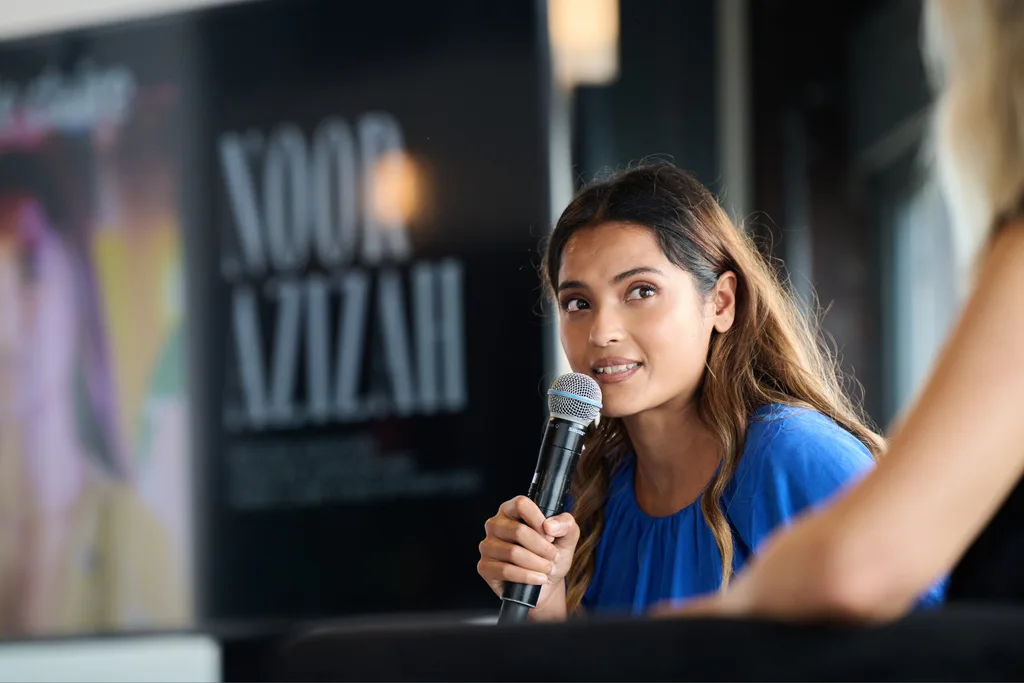
Today, Noor has transformed that journey into a powerful mission. She is a passionate advocate for human rights, education and justice for Rohingya communities around the world. She is also the co-founder of the Rohingya Maìyafuìnor Collaborative Network, a women- and refugee-led international collective working to rebuild and uplift Rohingya communities, with a particular focus on addressing sexual and gender-based violence.
Noor’s story proves that disruption can begin with one person refusing to stay silent, but real change requires many voices.
At our International Women’s Day Event Noor reiterated this message, adding:
“The best thing you can do is follow our work. Everybody has a role to play in ending genocide. It doesn’t matter if you’re social media or fashion, because collective amnesia will never end a single genocide.”
Rejection Is Important
Before award-winning artist, Amy Shark was selling out arenas of 15,000 people, she was performing to a unengaged audience in a sticky floored pub.
“There were so many times when I was like this is not happening for me,” says Shark.
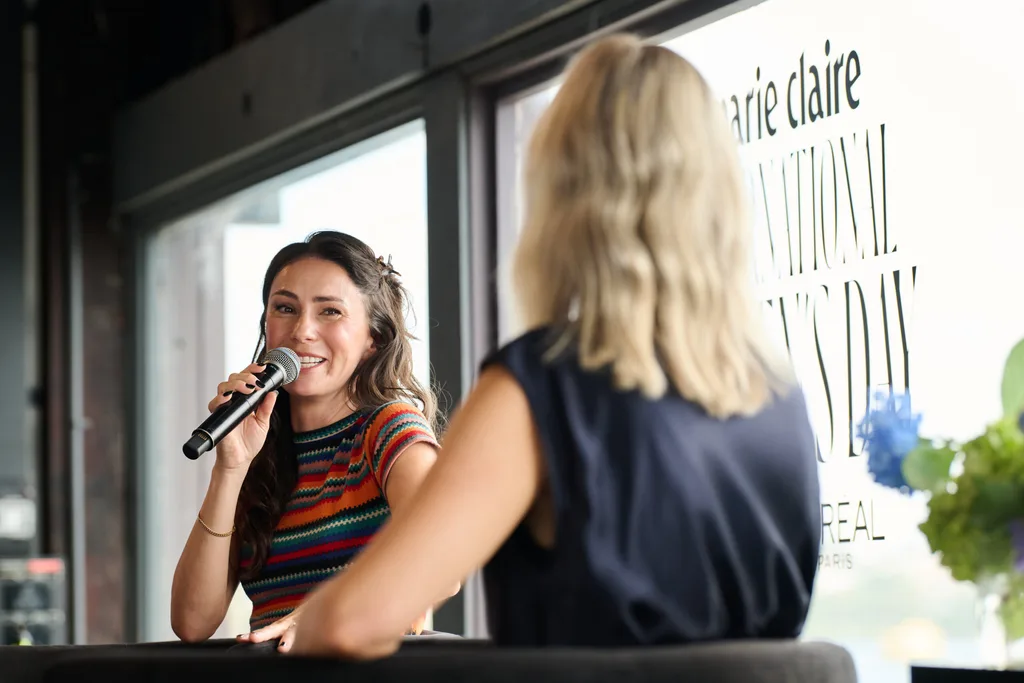
“I’d play at pubs where guys were spilling drinks on my guitar pedals and I just remember thinking this is shit. But I got paid. I had to do it for the money. Working and doing that so I could afford to do what I loved. What kept me going was always my love of the music.”
“Male Violence Is Not A Woman’s Problem”
Australian journalist, femicide reporter and founder of the Australian Femicide Watch, Sherele Moody has spent more than a decade documenting the women and children killed by violence across the country.
Through her work mapping femicides and advocating for better data and accountability, Moody has become one of Australia’s most prominent voices calling attention to the scale of gendered violence and the structural failures that allow it to continue.
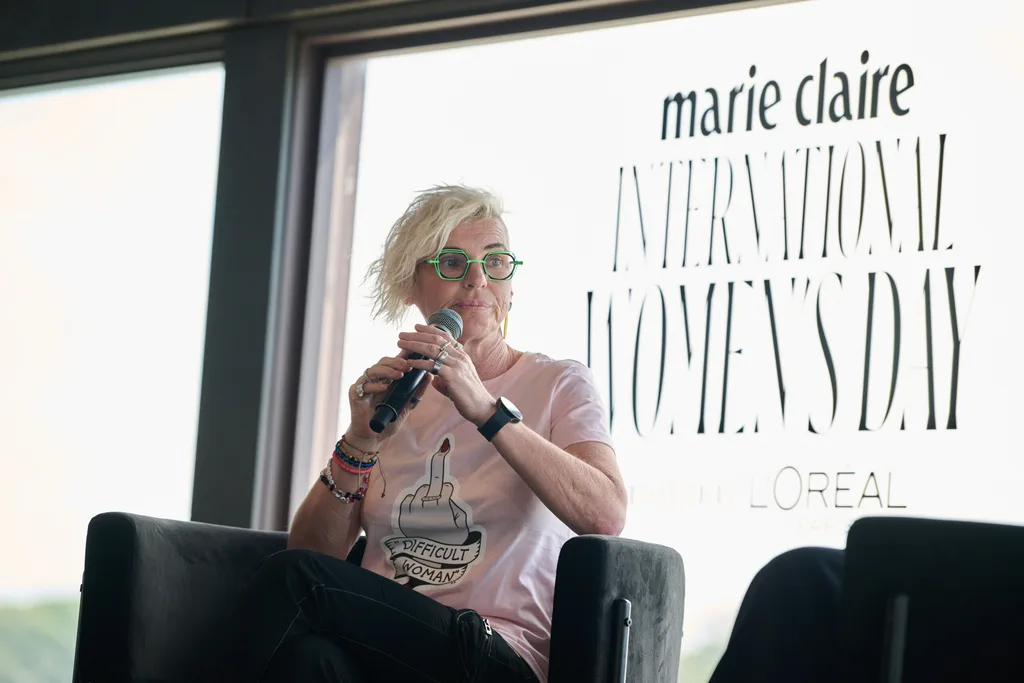
But she is also clear that the burden of solving male violence should not fall on women. As she explains at our IWD event:
“Around 95% of women are killed by men. Male violence is not a woman’s problem to solve. What we can do is be there for women. If you know someone is having a hard time, have a conversation with her, reach out to her and ask her what she needs and be respectful of what she’s telling you. The best thing that we can do is just be there for our sisters, and they’ll be there for ourselves.”
If you do have the means, she also adds that the best place to direct funding is to organisations such as Elizabeth Morgan House, who are working with marginalised women. “They work with Aboriginal women, as well as incarcerated women. Many aboriginal women who are jailed who for domestic violence are often the victims,” says Moody. “They’re misidentified and put in jail. When they come out, it’s almost impossible for them to get transitional housing.”
“Allow Yourself Time To Cry”
Even the world’s strongest athletes need to cry sometimes. Just ask Australian canoe slalom star and Olympic champion, Jess Fox, who at our IWD event opened up about how letting the emotion out can be the reset that makes the next victory possible.
In the women’s K1 canoe slalom final at the Tokyo 2021 Olympics, Fox posted the fastest raw time, but she received a four-second penalty for touching two gates, which pushed her down the standings and cost her the gold medal. She finished with bronze instead.
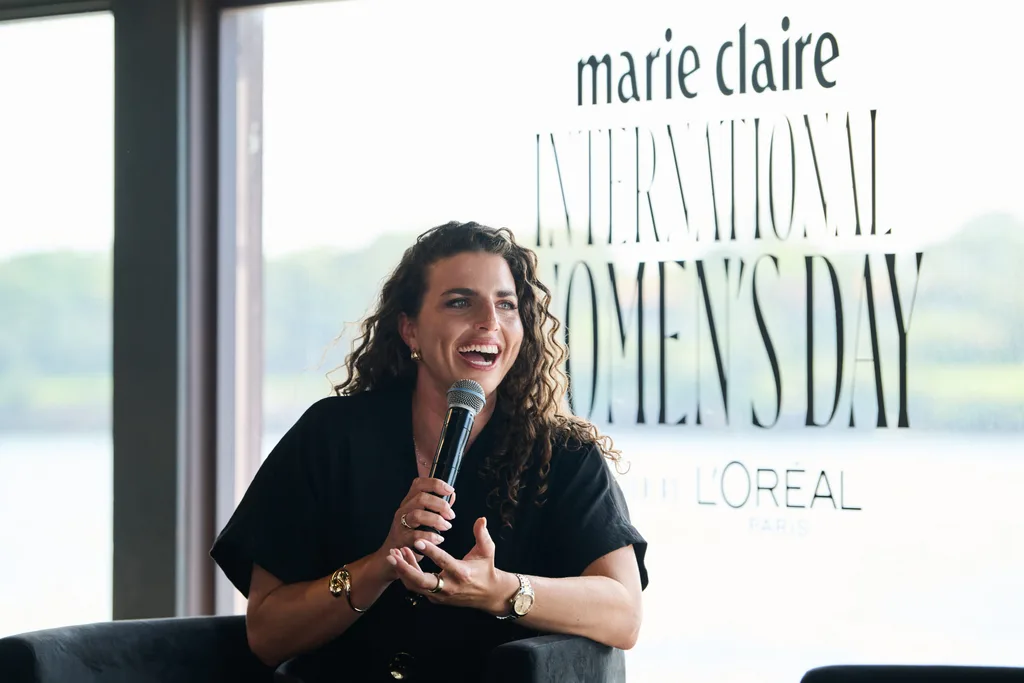
“I remember getting my medal and choking back the tears and trying to smile through the moment, and then getting the car and crying the whole way. I started to time myself and give myself only the three minutes that I was allowed to cry, because it was getting draining. I needed to let the emotion out and feel it.”
That race became one of the defining setbacks of her career, though just two days later she won Olympic gold in the C1 event, the first time the discipline appeared at the Games.
You Can Be What You Can See And Listen To Your Mum!
Australian canoe slalom champion Jessica Fox grew up with a front-row seat to both elite sport and the fight for equality within it. Her mother, Myriam Fox‑Jerusalmi, a former Olympic bronze medallist who later coached the Australian team, not only guided her daughter’s career but also pushed for greater gender parity in the sport.
For years, women had far fewer opportunities to compete, something Fox witnessed firsthand while watching her mother advocate for change. Reflecting on that influence this IWD, Fox said: “In my sport, which you know, for a long time there was only one event for the women and three for the men. To see her push for that gender equality in my sport was so important because you can be what you can see for me.”

Related stories
Native ad body.

Native ad body.


Native ad body.