
This week, Swiss watchmaker Rado hosted an intimate evening at Alpha Dining in Sydney to celebrate a milestone that has transformed modern watchmaking: 40 years of High-Tech Ceramic.
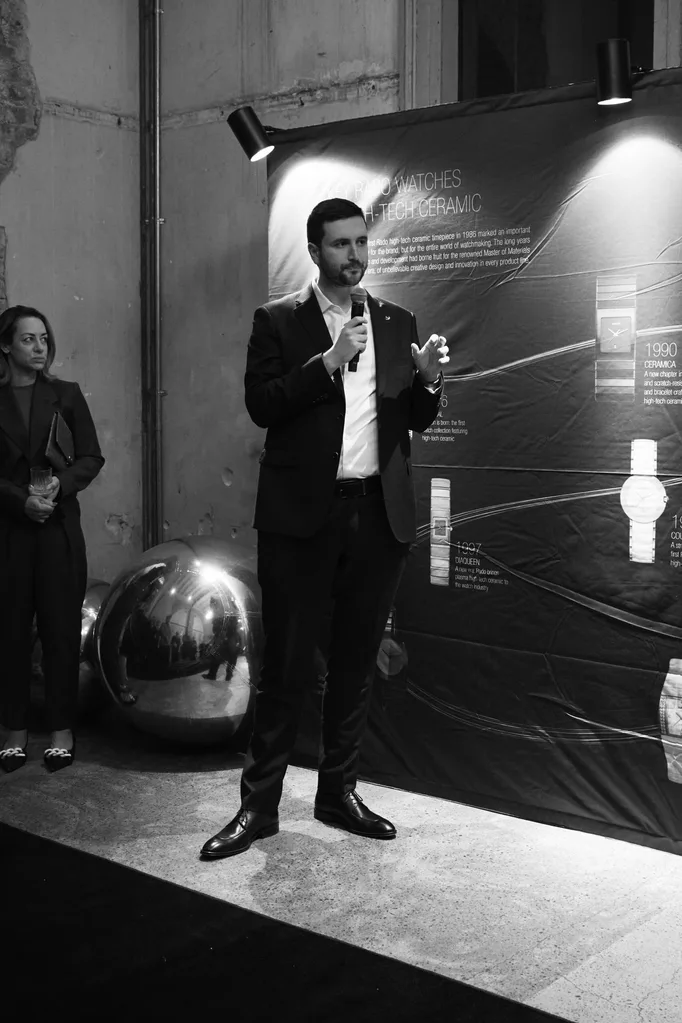
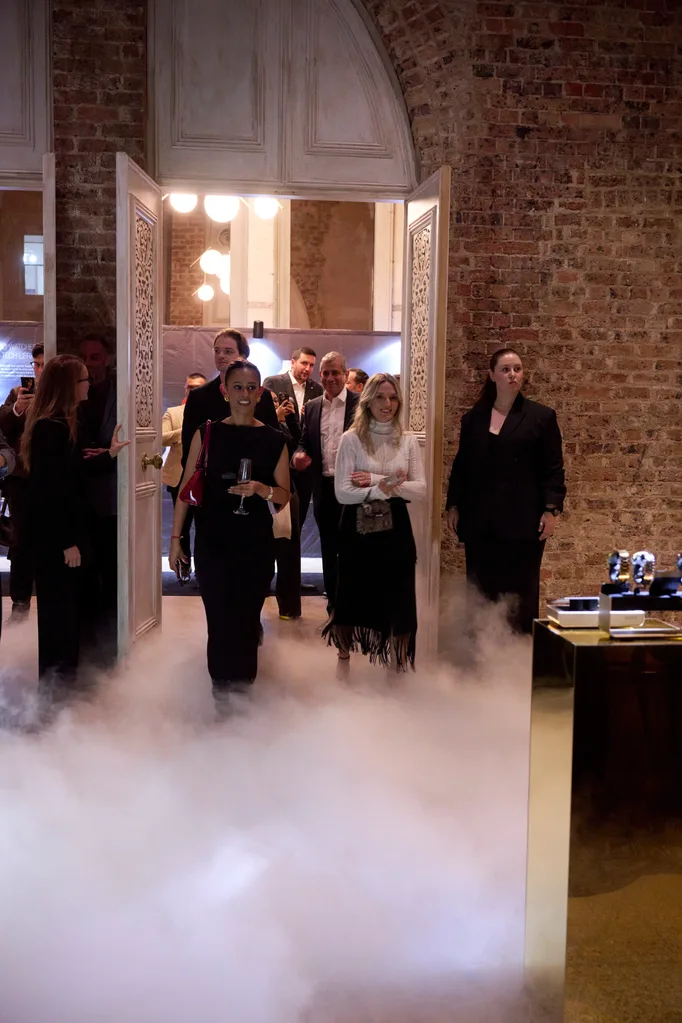
For four decades, Rado has been at the forefront of material innovation – long before “understated luxury” became fashion’s favourite phrase – building a reputation for timepieces that are as technically advanced as they are aesthetically considered. Scratch-resistant, featherlight, hypoallergenic and unmistakably sleek, High-Tech Ceramic has become synonymous with the house, and the anniversary event offered an immersive look at how far the brand has come.
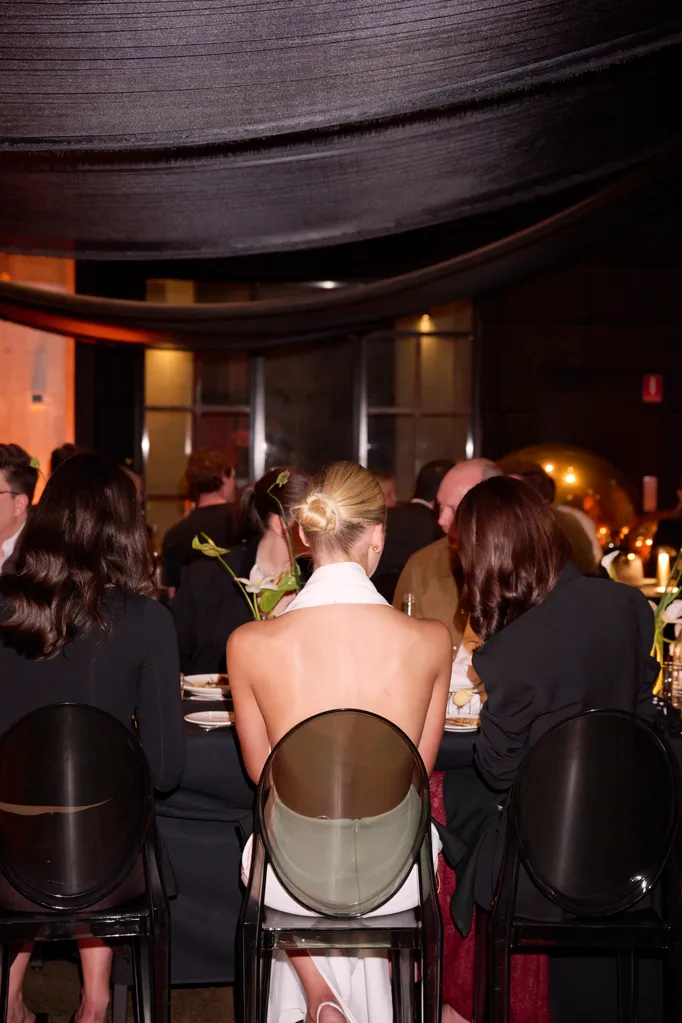
Held against the warm, moody interiors of Alpha Dining, the evening brought together editors, stylists, collectors and friends of the maison for a hands-on exploration of some of Rado’s most iconic – and newest – designs. And while there was no shortage of wrist envy in the room, one collection in particular stole the spotlight.
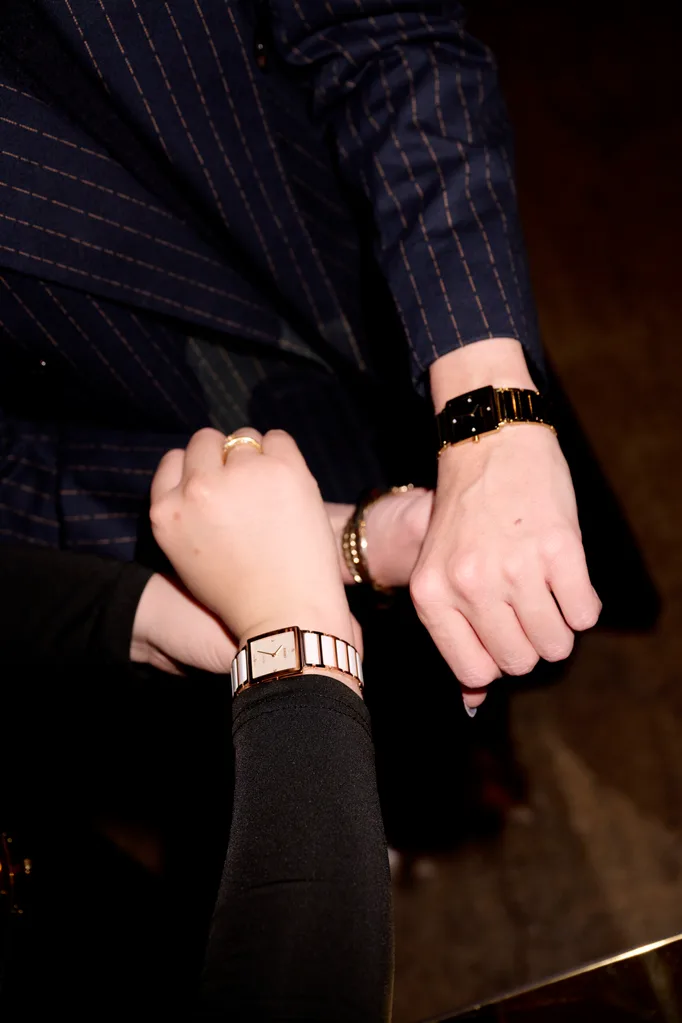
Originally launched in 1986, the Rado Integral was the world’s first watch to combine High-Tech Ceramic with metal, forever changing the language of modern watch design. Forty years on, Rado marked the occasion with the release of a 40th Anniversary Limited Edition, priced at $4,200, alongside the diamond-set Integral Super Jubilé, retailing at $7,550.
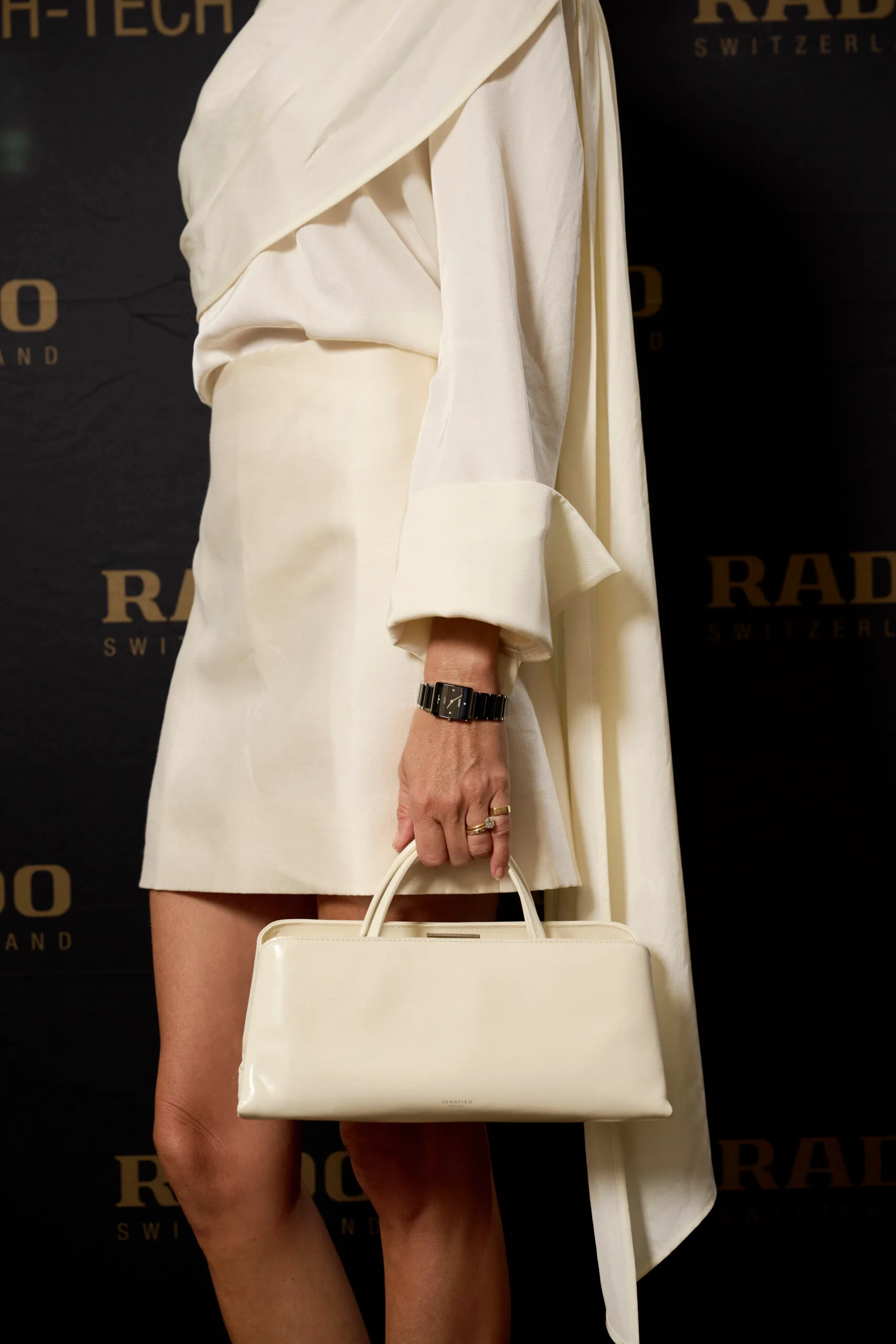
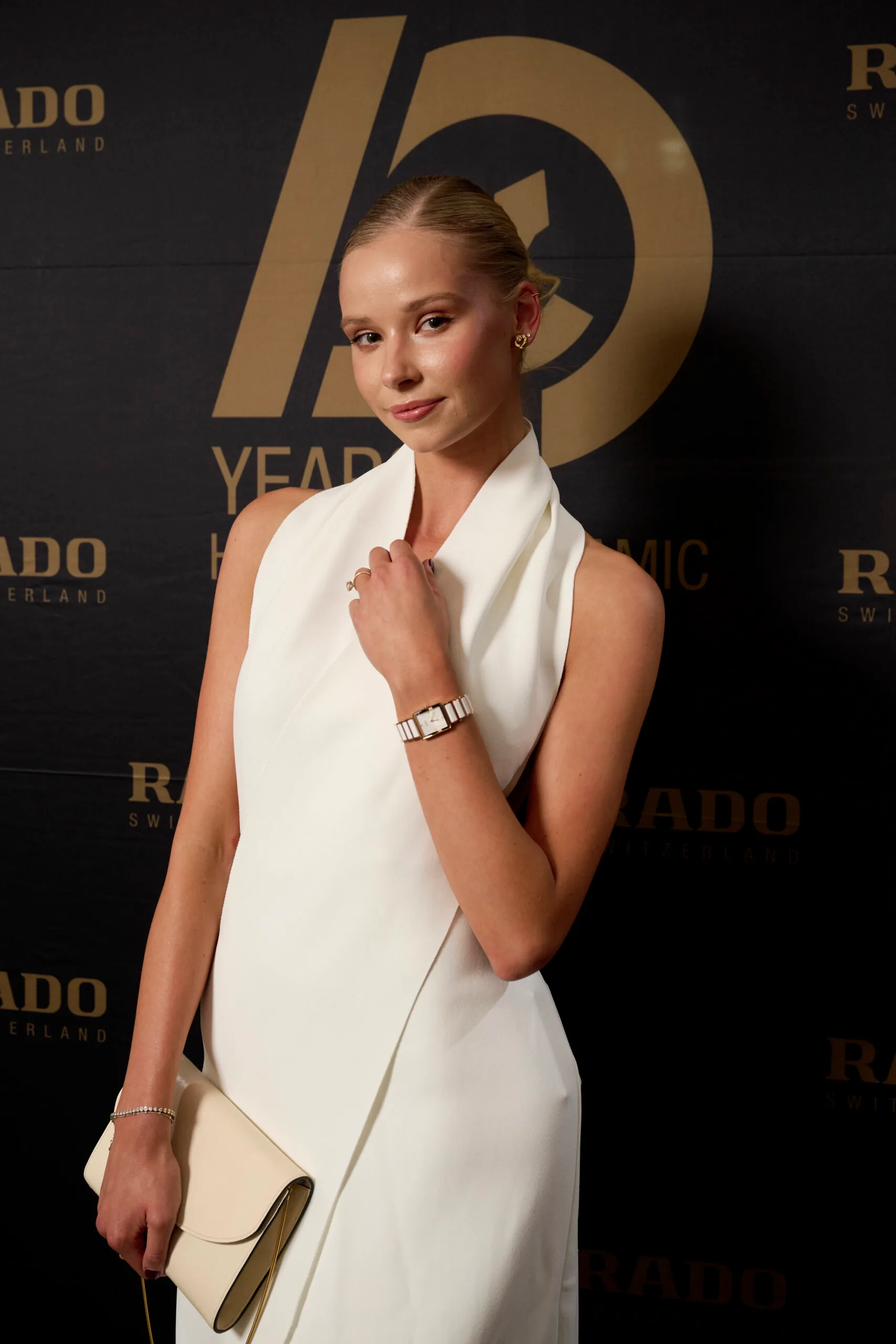

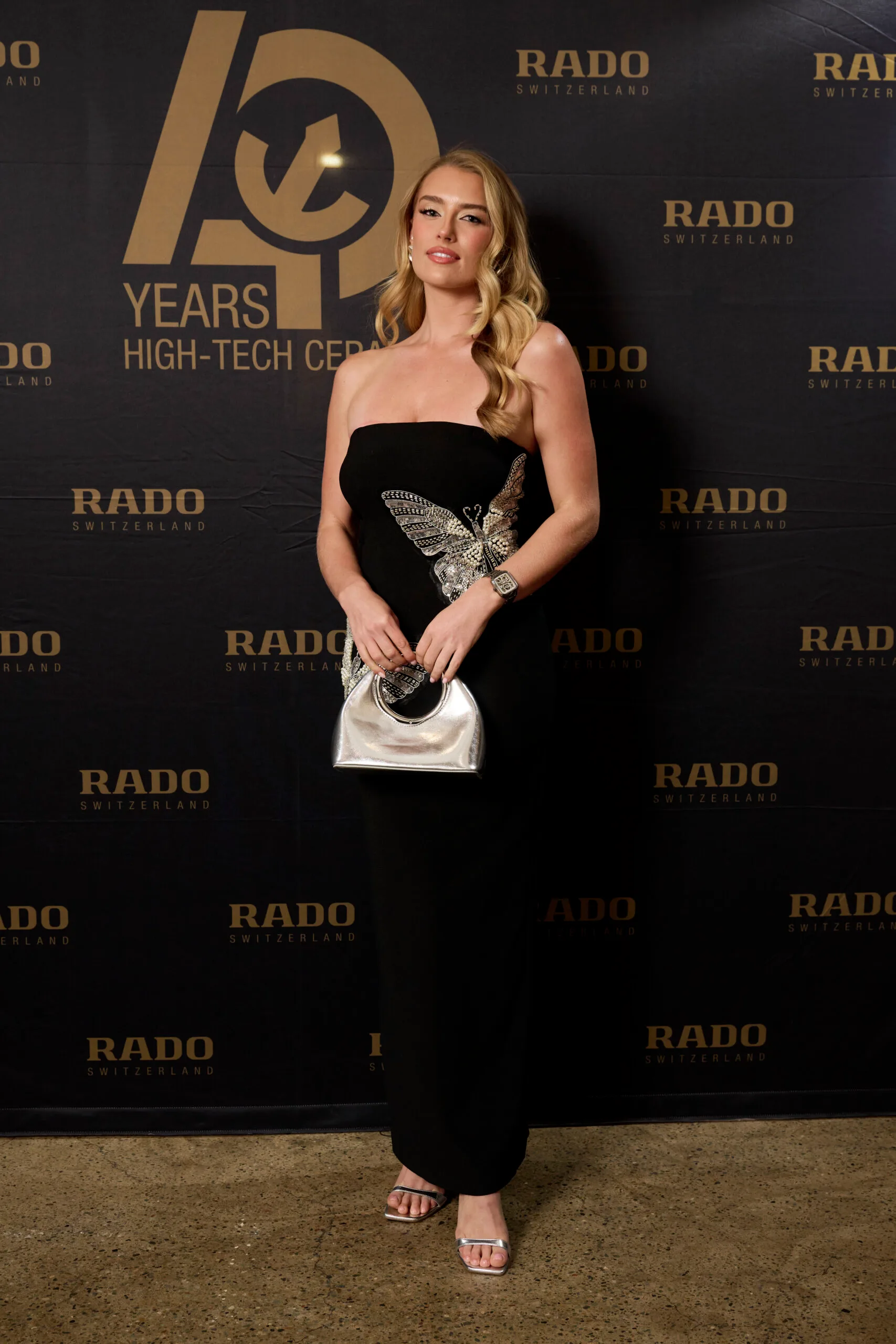
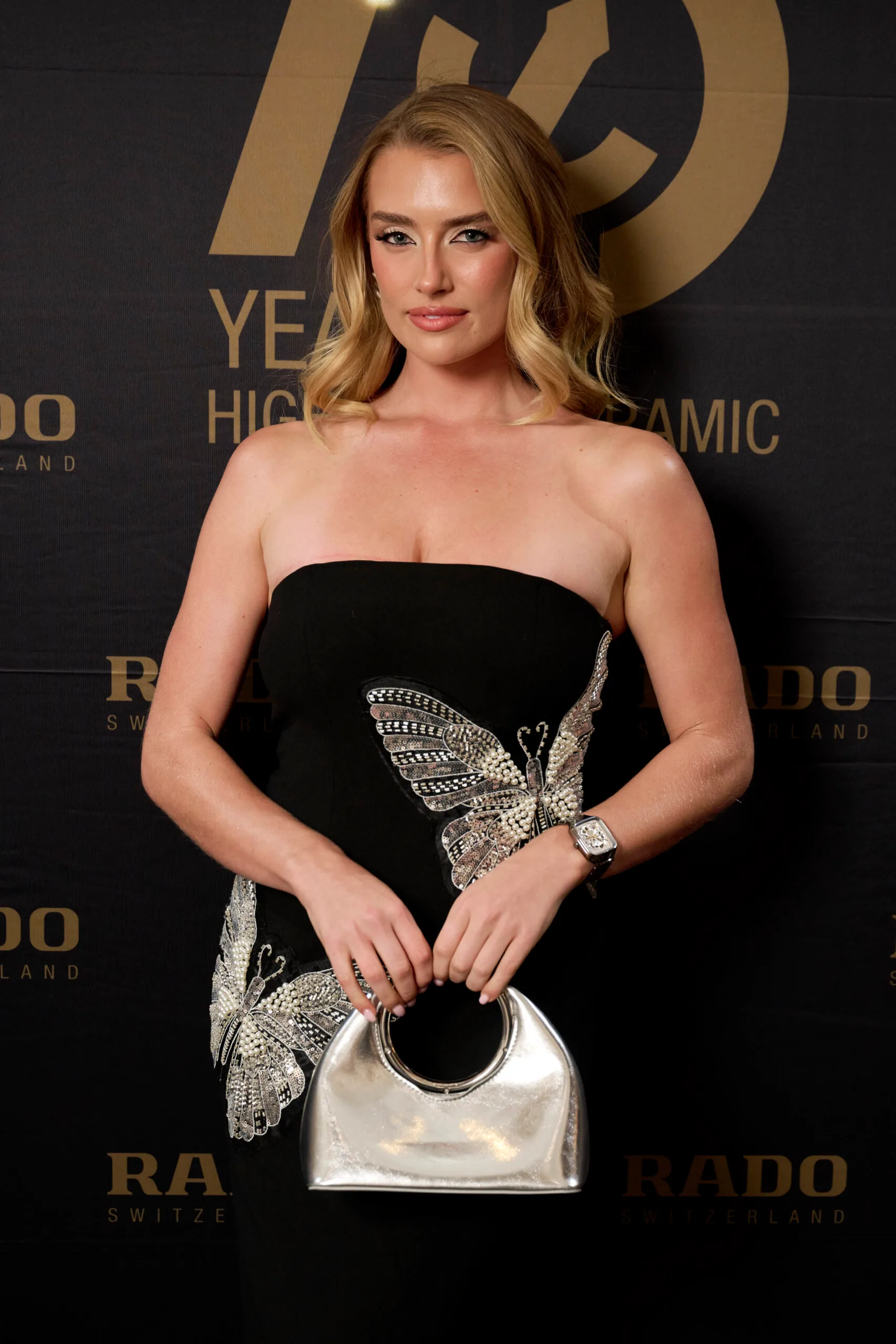
Still instantly recognisable with its clean rectangular silhouette, glossy ceramic links and architectural lines, the Integral feels as relevant now as it did in the eighties—perhaps even more so in an era where timeless investment pieces are prized above trend-driven purchases.
But the evening wasn’t simply about looking back. It was equally a glimpse into where Rado is heading next.
Guests were among the first in Australia to get hands-on with the new Captain Cook Chronograph High-Tech Ceramic, a bold new addition to one of the brand’s most collectable families. Priced at $10,450, the piece pairs sporty functionality with a polished ceramic finish, gold-tone detailing and a deep navy dial that feels both vintage and modern.
Also generating conversation was the playful new DiaStar Original Skeleton Special Edition, which introduces vibrant colourways to the brand’s cult skeleton movement. Available in three limited-edition versions and priced at $4,000, the collection brings a fresh, almost fashion-forward energy to one of Rado’s most iconic silhouettes.
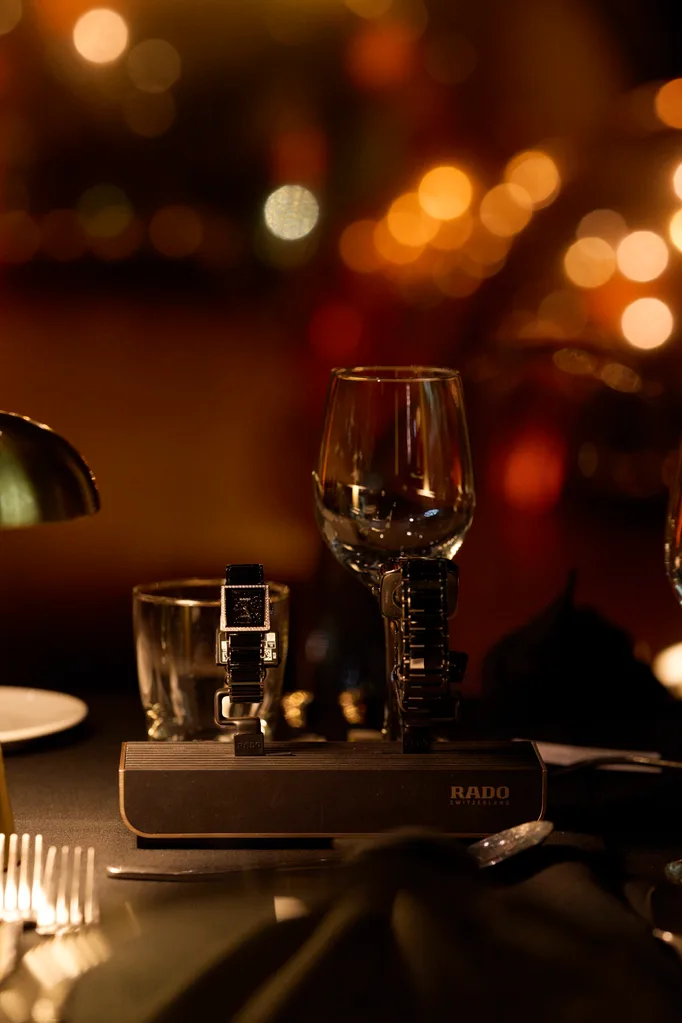
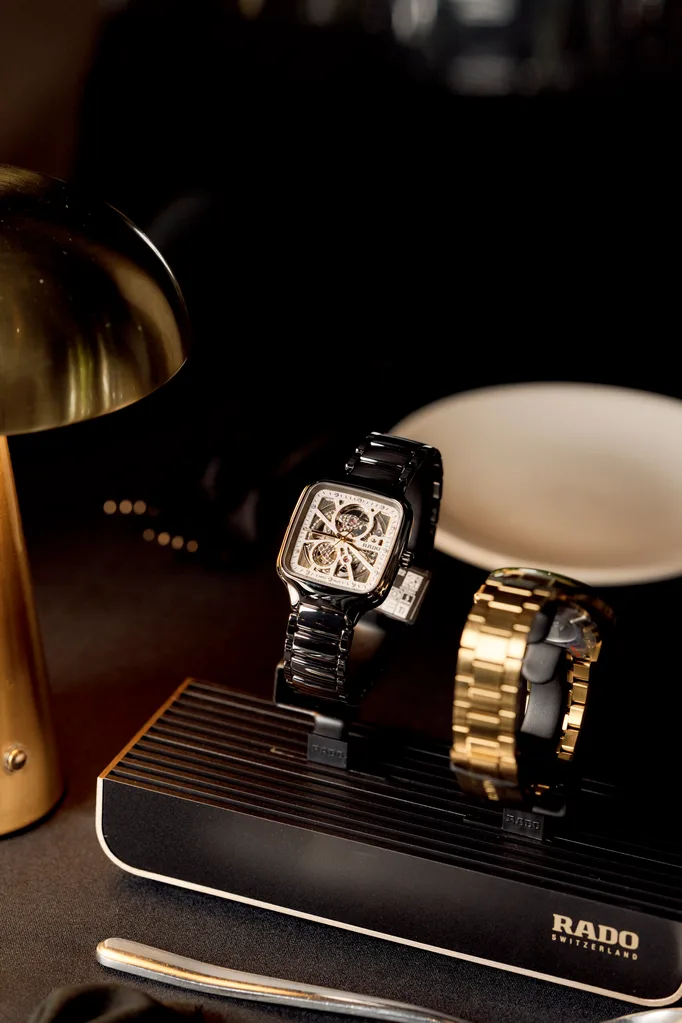
For those drawn to something softer and more jewellery-inspired, the newly unveiled Centrix Moonphase also proved a standout. Launching in multiple finishes—including rose gold, black ceramic and a limited-edition diamond version—the collection starts at $4,200.
Elsewhere, guests previewed the skeletal beauty of the True Square Open Heart Diamonds, the sculptural Anatom Skeleton, and an upcoming True Round Open Heart model featuring a light-sensitive photochromatic dial set to launch later this year.
And that’s perhaps what made the evening feel so relevant. In a world where luxury increasingly leans on heritage, Rado continues to prove that heritage means very little without evolution. Forty years after introducing High-Tech Ceramic to the watch world, the Swiss maison isn’t resting on its past. If anything, it’s just getting started.

Related stories
Native ad body.

Native ad body.




Native ad body.