As news of the sexual assault allegations against multiple Sydney Swans players broke, my first thought was for the woman or women at the centre of this and the courage it can take to speak to police. As the days went on, concern gave way to frustration and anger as the public conversation so quickly shifted toward the players, the Swans’ season, and the consequences for football, rather than what the women involved may be carrying. The conversations that have played out online in comment sections have been deeply disappointing.
Then, there is the media coverage, some of which has also been deeply disappointing. When alleged sexual assault is framed primarily around disrupted premiership campaigns, missing players or reputational damage to a club, women’s experiences are pushed out of the story. It can also lead some people to blame the women for the consequences the team will face.
Due process matters and the media must report carefully, but that should not prevent journalists from using clear, victim-survivor-centred language. We can avoid prejudging the allegations without treating the impact on a football season as the greatest tragedy.
In the early hours of the news breaking, we knew so little, and the subject matter was so serious that it was inappropriate to speculate on the matter beyond taking the opportunity to highlight the seriousness of gender-based violence.
But I have been thinking a lot about how we can retain the idea of ‘innocent until proven guilty’ while not commenting on legal matters without the facts, and while still sending a message of empathy and support to the alleged victims and any women or people who are naturally impacted by stories like this in the media.
I believe we can do both.
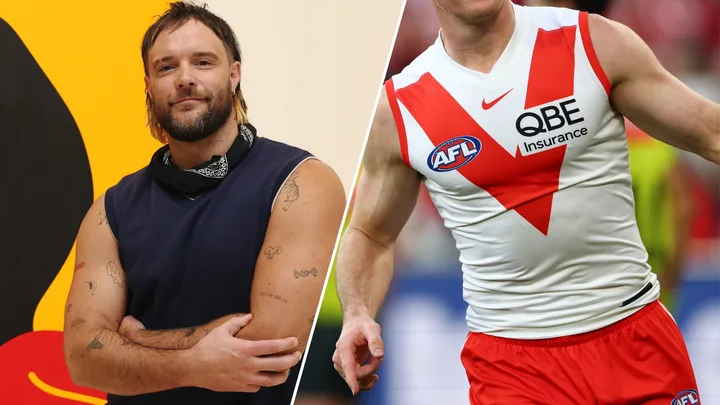
Having spent 10 years in the AFL, I know how powerful a football club’s culture can be. Players learn quickly what is celebrated, what is excused and what everyone is expected to stay silent about. I’ve contributed to that culture myself, and I’m not proud of it.
That is why, while this comes down to the actions of the five men allegedly involved, it is so important that we take this opportunity to examine the broader environment around them that has allowed something like this to happen.
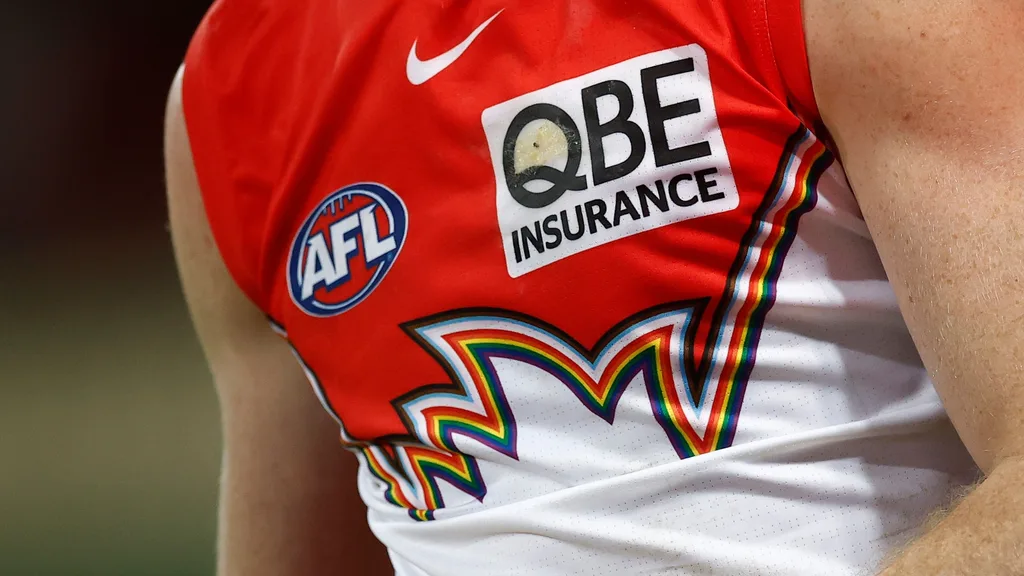
The Swans’ initial response felt too focused on managing a football crisis and protecting the institution, with too little acknowledgement of the woman or women involved. Their subsequent decision to sanction five players for admitted breaches of club standards, independently of the police investigation, was a stronger and more accountable step.
The broader AFL response has again felt reactive. Football should not wait for a criminal finding before asking whether its culture, expectations and everyday treatment of women are good enough. Having said that, I did think the official statement from the AFL on Tuesday night was excellent and really demonstrated how the AFL has been listening to community concerns and taking this seriously.
What has disappointed me most is how quiet fellow AFL players have been. Sadly, I’m not surprised. I also know that good men exist throughout football, but being a good man privately is not enough. Culture is shaped by what men challenge publicly and in the rooms where women are not present.

The AFL teaches men to speak with enormous confidence about football, yet when women’s safety is at stake, too many suddenly become afraid of saying the wrong thing or even becoming a hypocrite because of their own actions towards women in the past.
Nobody is asking players to decide guilt or comment on evidence; they can simply say that women deserve safety, that sexual violence must be taken seriously and that men have a responsibility to challenge the cultures that enable harm.
That is where we need to start talking about the “bro code”.
“Bro code” survives because silence is rewarded as loyalty and speaking up is treated as betrayal. We need to redefine loyalty: real loyalty is stopping your mate before harm occurs, challenging degrading conversations and holding him accountable when his behaviour crosses a line.
That requires more than an annual education session. Clubs must embed respect and consent into leadership, recruitment, player development and consequences, while giving women genuine authority in shaping those systems.
I want players to speak, challenge one another and stop leaving women to lead every conversation about men’s violence. I want clubs and the AFL to establish transparent standards and consequences, invest in sustained prevention work and listen to victim-survivors and specialist organisations.
The media must centre women rather than football consequences, and supporters must stop defending harmful behaviour simply because someone wears their club’s jumper. Your loyalty to a team should never matter more than another person’s safety.
These allegations are yet to be tested, and due process matters. But we do not need to wait for the outcome of an investigation to confront the culture that’s been exposed.
Women have carried the fear, the pain and the fight for long enough. Men, including me, must stop seeing ourselves as concerned observers and accept that ending men’s violence is our responsibility. Women deserve more than our sympathy; they deserve our courage, our voices and our action.

Related stories

Native ad body.

Native ad body.



Native ad body.