September marks Blood Cancer Month, a crucial opportunity to raise awareness of the disease and help Australians recognise its signs and symptoms, while World Leukaemia Day falls on September 4. One in 12 Australians – around eight per cent of the population – is expected to be diagnosed with blood cancer during their lifetime. It is also a significant but under-recognised women’s health issue: three times as many Australian women are diagnosed with blood cancer as with ovarian and cervical cancers combined, and it is the second most commonly diagnosed cancer among women, behind breast cancer. In 2025, more than 8,360 Australian women were diagnosed and over 2,500 died from the disease, with both numbers predicted to rise. This September, Taryn Elder is courageously sharing her experience to help others understand the symptoms, trust their instincts and advocate for their health.
In the year and a half leading up to my cancer diagnosis, I knew something wasn’t quite right. I had moved to Queensland for my dream job with Tourism Queensland and, from the outside, my life looked full and exciting. But behind the scenes, I was constantly exhausted and battling one sinus infection after another – five in just eight months, if we’re getting into the numbers.
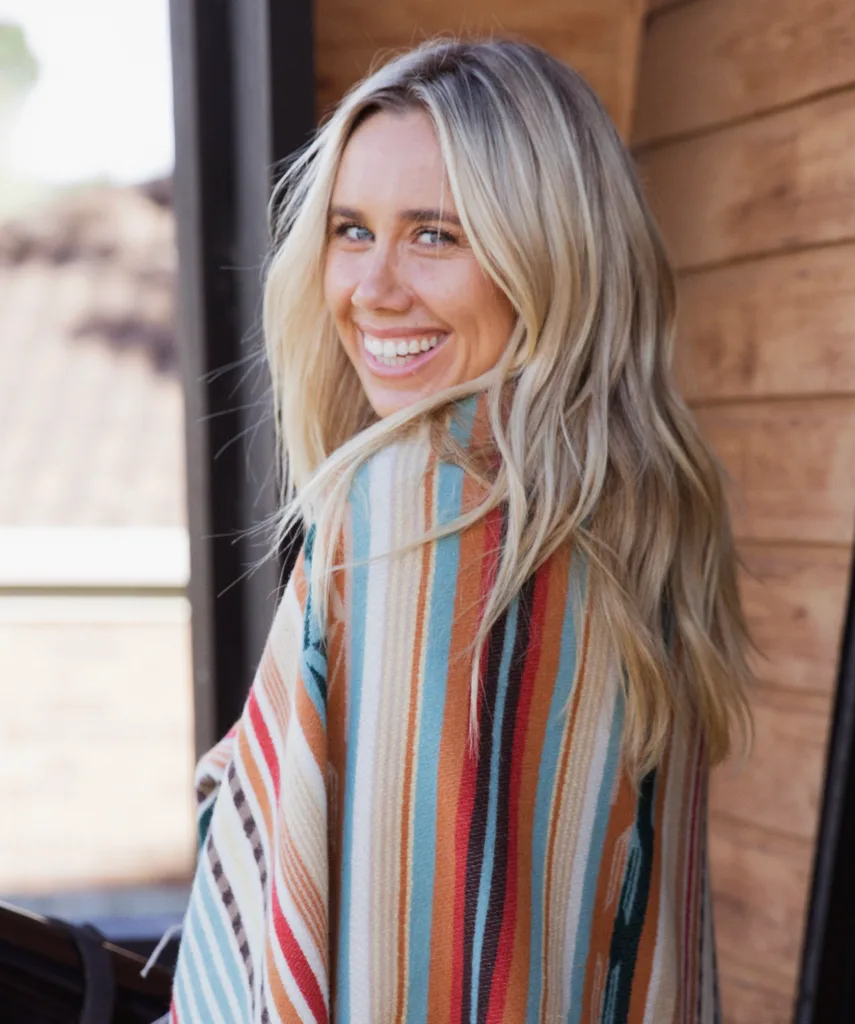
I was commuting from the Gold Coast to Brisbane and working hard in a new role, so it was easy to explain away how I felt. I was busy. I was run down. I needed more sleep. I squeezed in appointments at a local bulk-billing practice during my lunch breaks, but each time I was told the same thing: “It’s viral. There’s nothing we can do.” My blood was never tested.
So, I kept going. Like so many women, I became very good at dismissing what my body was trying to tell me. I convinced myself I would feel better once work settled down, once I caught up on sleep or once I managed to clear my sinuses properly. It wasn’t until Christmas 2025, when I finally had two weeks off at home in Victoria, that I completely fell in a heap. I slept constantly, even on Christmas Day, and had no energy to see friends. I remember thinking it was the laziest holiday I had ever had, but again, I blamed it on the exhaustion of a big year.
I returned to work in mid-January feeling slightly better, but within weeks, the exhaustion came crashing back. I was napping during work-from-home days just to function. I became short of breath on hikes, despite normally being very active, and I was experiencing headaches and aching limbs. Looking back, I can also see that I had started withdrawing socially. Eventually, that little voice inside me became impossible to ignore. I searched online for a female doctor, booked an extra-long appointment and arrived armed with a list of symptoms. This time, I insisted on comprehensive blood tests.
A few days later, I was on the train from the Gold Coast to Brisbane when I saw two missed calls from my doctor. When I returned the call, I was told to come back urgently and to bring a support person. I nearly threw up from anxiety on the way to the appointment.
With a friend sitting beside me, the doctor told me they had found blasts in my blood that looked like acute myeloid leukaemia, or AML. I had no idea what that meant. I only understood that it was serious and that everything needed to happen quickly. I asked if I was going to die. It sounds a touch dramatic looking back, but I was terrified.
After speaking to my dad and our family doctor, we decided I should fly home to Victoria that same day rather than go straight to my local hospital. I saw a haematologist the following morning, and a bone marrow biopsy confirmed that I had AML – a rare blood cancer that predominantly affects older people. The average age at diagnosis is around 70. I was 39. My life changed almost overnight.
Losing The Person I Recognised
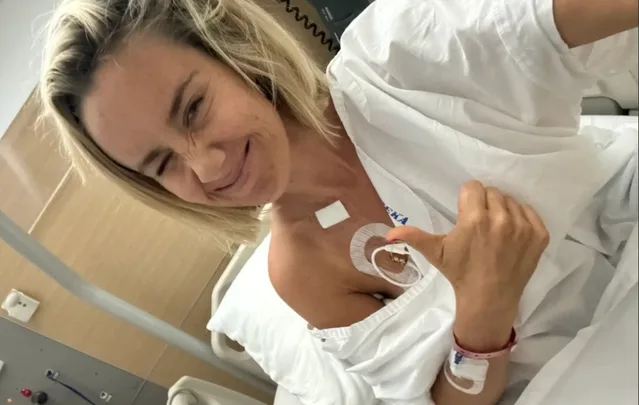
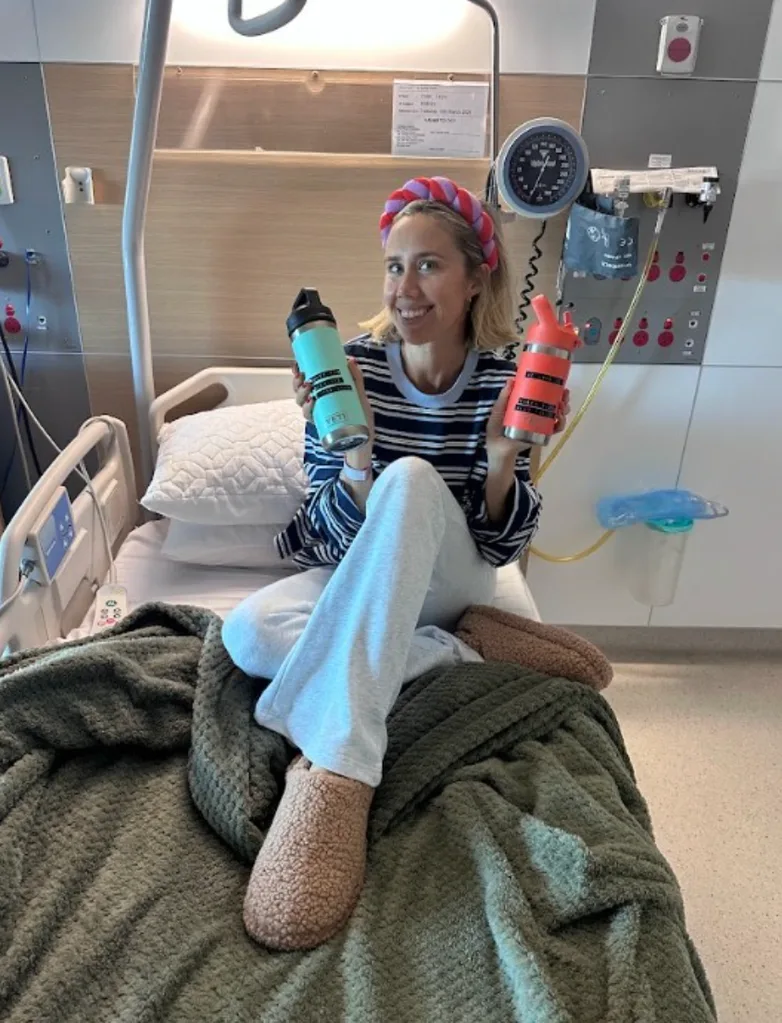
The first five weeks of treatment were the hardest physically. I spent all of that time in hospital, often in isolation because of infections. To be honest, much of it is a blur – perhaps that is a good thing.
Treatment became an exhausting cycle of chemotherapy, blood tests, infections, bone marrow biopsies, disrupted sleep and very strange side effects. At the same time, I was being given enormous amounts of information about a scientifically complex disease. It was overwhelming. I was fortunate not to end up in intensive care, although many people with AML do.
Eventually, my body began adjusting to the changes brought on by chemotherapy, but then the mental toll of being in hospital became harder. I found myself constantly Googling survival statistics, which I absolutely do not recommend. Every cancer journey is different, and statistics can’t tell you what your individual story will be.
There were days when I found it difficult to speak to people. I also struggled to recognise the person looking back at me in the mirror. I had gone from being a fit, bubbly, smiley woman to someone who was pale, bald and extremely sick. Vanity obviously wasn’t the priority, but looking like a person with cancer was deeply confronting. I missed my best friend’s milestone birthday and, instead of celebrating with her, I was sent for an MRI at 11.30pm on the night of the party. Lying alone inside the machine, I broke down. I remember thinking, How is this normal? How is this my life now?
I know there will be a great deal to unpack emotionally. So much happened in such a short space of time. But I also understand that recovery is a process, and I am incredibly grateful to still be here.
Finding Myself Through Colour
Losing my hair during intensive chemotherapy was particularly difficult. It might sound trivial when you’re fighting for your life, but my long, surfy blonde hair had always been a big part of my identity. When it began falling out in clumps and my scalp became painful, my best friend and brother arrived at the hospital one Friday night with clippers. We put on music, laughed and shaved it off. I cried, but they made what could have been a devastating moment feel beautiful and light.
Then came the wigs. I knew absolutely nothing about them until Shelley, a woman at my local cancer centre in Geelong, introduced me to its wig library. Soon, I was borrowing wigs, buying some of my own and giving them different personalities on Instagram. I suppose it was my way of coping with hair loss: through bad humour. Now that my hair is beginning to grow back, I’m genuinely excited about turning it into a bleached-blonde buzz cut. Six months ago, there was no way in hell I would have considered cutting my hair short. That seems completely ridiculous to me now.
During intensive AML treatment, cancer takes over 99 per cent of your life. I made a conscious effort to hold on to the things that had always made me feel like myself: colour, creativity, dark humour and smiling. I wore bright clothing in hospital and began arriving at outpatient appointments in colourful outfits and different wigs. Just call me Moira Rose from Schitt’s Creek. I drew illustrations of the nurses’ colourful scrubs and, because my career has always revolved around storytelling, I used those skills to share my experience and raise awareness online.
I also connected with other AML patients my age through the Leukaemia Foundation’s social media pages. They helped me navigate my own experience and gave me hope. This is not a disease anyone should have to face alone. Now that intensive treatment is over – for the moment – I am finding my way into a new kind of normal. I already know it will include plenty of colour and advocacy.
Rethinking The Future
Treatment has also forced me to confront questions about fertility and the future I once imagined for myself. After a long-term relationship ended five years ago, I considered freezing my eggs. But life became busy, and suddenly I was in my late thirties with a cancer diagnosis. Intensive chemotherapy can trigger medically induced menopause and, combined with the fact that I am now 40, it may make having biological children much more difficult.
Before my diagnosis, I was also in the early stages of dating someone who wanted children. I believe the diagnosis, along with the uncertainty surrounding my fertility, made them step away. I know it is a situation I might face again.
Despite this, I remain optimistic. I have a beautiful niece whom I adore, and I know there are many different ways to create a full and meaningful life. I believe the right person will understand that biological children may not be part of the deal. Nothing is certain after cancer, but I value being alive above everything else.
What Really Matters
Cancer is a club I never wanted or expected to join, but it has fundamentally changed my understanding of what matters. People have shown up for me in ways I never anticipated. Their generosity has often made me question whether I would have done the same for someone else. I spent my 40th birthday in hospital, where 10 nurses arrived before their shifts with a beautiful cake, balloons and a guitar, singing to make my day brighter.
When I shared my story online, hundreds of people rallied around me. They donated blood, registered as stem cell donors and helped me raise $15,000 for my cancer centre. One stranger donated $1,000. When I eventually tracked her down, I discovered that she had survived the same treatment 30 years earlier. Her story gave me perspective, hope and reassurance. It also showed me how powerful advocacy can be, even during the most difficult period of your life.
Before cancer, I was always chasing the next job, goal, relationship or milestone. Cancer has a funny way of stripping away your ego. Now, having my health, getting outside, moving my body, cooking good food and spending time with the people I love feels like the real flex.
I am cautiously in remission, although the fear of relapse is still there. During treatment, I was told to stop thinking too far ahead and simply concentrate on getting through each round. As someone who loves a plan, this was deeply inconvenient, but it taught me patience — which is still very much a work in progress.
I’m now looking ahead to oral chemotherapy and a world-first vaccine trial designed to train my immune system to recognise and destroy any lingering cancer cells. I’m focused on becoming stronger, returning to freelance work after having to leave my dream job and rebuilding my life after such a whirlwind experience.
My mind still occasionally wanders down the worst-case-scenario rabbit hole: relapse, more intensive treatment or needing a stem cell transplant. But I am getting better at pulling myself back out, thanks to my family, my extraordinary doctors and the hope they have given me. If there is one thing I want other women to take from my experience, it is this: listen to the voice telling you something isn’t right.
Burnout, chronic exhaustion and repeated illness should not be treated as normal. If you are constantly tired, regularly unwell or simply don’t feel like yourself, get it checked. Book the longer appointment. Ask questions. Find a medical professional you trust and who is willing to listen. If you don’t feel heard, find somebody who will hear you.
I wish I hadn’t put work ahead of my health so often. There will always be another deadline, meeting or opportunity. Your health isn’t something you should squeeze in when life becomes less busy.
And one very practical lesson? Get income protection insurance if it makes sense for you. I really wish I had.
If you or someone you love is diagnosed with blood cancer, support is available. Visit the Leukaemia Foundation’s website at leukaemia.org.au or call 1800 620 420.

Related stories

Native ad body.
Native ad body.

Native ad body.