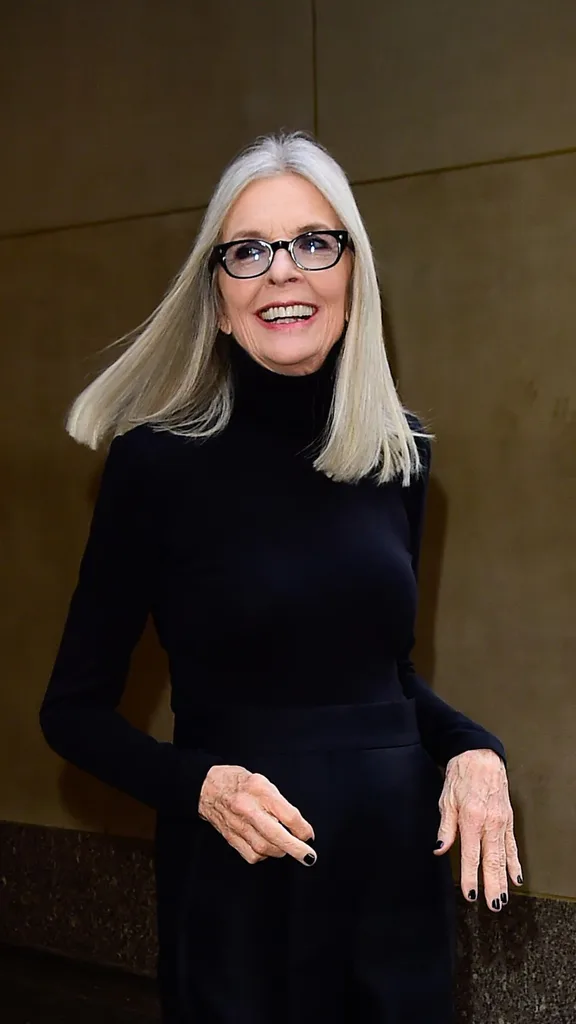
There are few women who embodied wit, warmth, and whip-smart originality quite like Diane Keaton. The Oscar-winning actress – whose singular blend of humour and heart helped define modern womanhood on screen – has died at the age of 79 in California. Her family confirmed the news to People on Saturday, October 11, asking for privacy as they mourn “a beloved mother, friend, and artist.”
Her cause of death has not been disclosed.
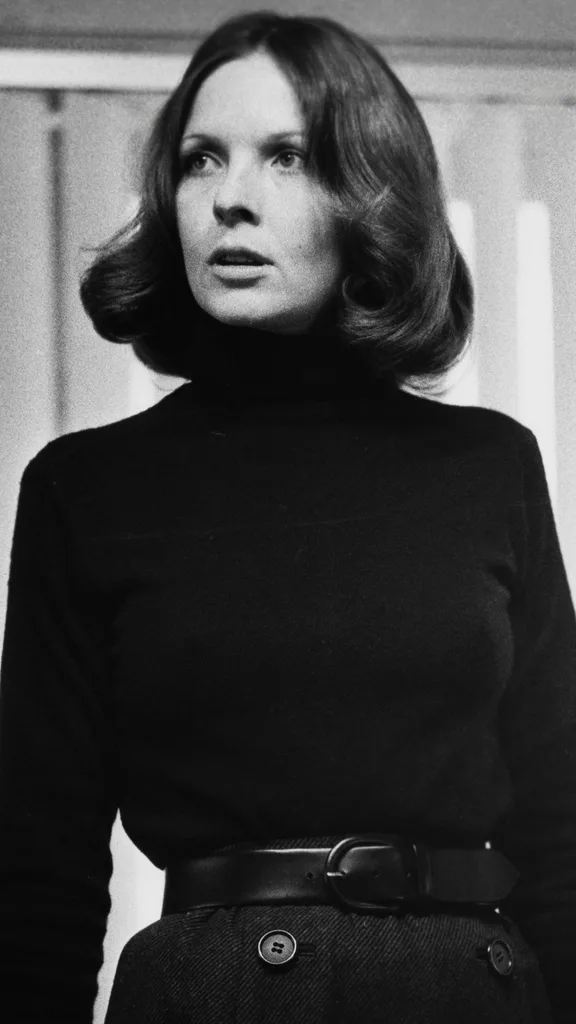
A Career That Rewrote the Rules
Keaton’s rise was as unconventional as the characters she played. After early work in theatre, she shot to international fame as Kay Adams in The Godfather (1972) and its sequel, balancing tenderness and quiet strength in a world dominated by men. But it was her collaborations with Woody Allen – particularly Annie Hall (1977) – that cemented her place in film history.
In her bowler hats and waistcoats, she gave us a woman who wasn’t trying to be sexy or small. She was just herself. Her performance as the endearingly neurotic Annie won her the Academy Award for Best Actress and rewrote the rules for what a leading lady could be – funny, flawed, and completely unforgettable.
From Father of the Bride and First Wives Club to Something’s Gotta Give, Keaton’s work became synonymous with smart, grown-up comedy that never talked down to women. Her effortless ability to balance chaos and charm gave her a cross-generational appeal that few actresses sustain.
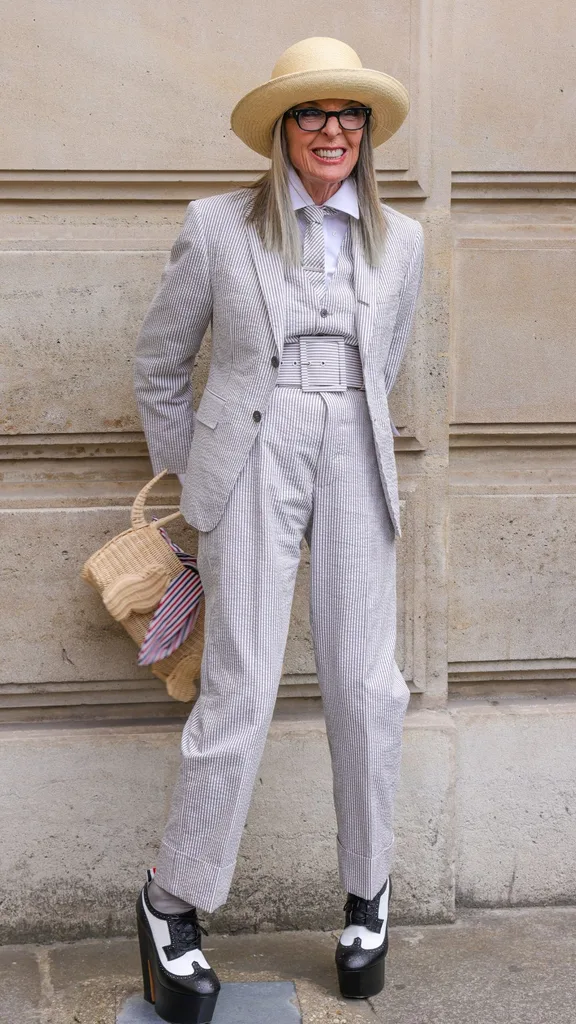
The Accidental Style Icon
When Something’s Gotta Give was released in 2003, it wasn’t just Keaton’s performance that had audiences talking. Her on-screen wardrobe – breezy white turtlenecks, linen trousers, and clean, coastal minimalism – quietly sparked what would later become known as the “coastal grandma” trend.
In 2023, she told Vogue, “It’s an honour! Why me? I’ve been so fortunate. And I do love clothes; I love looking at them.” She confessed she’d been a lifelong collector of style references – cutting pages from fashion magazines, studying Dior looks, admiring hats and home decor. “I’m an addict,” she said, with typical self-deprecating charm.
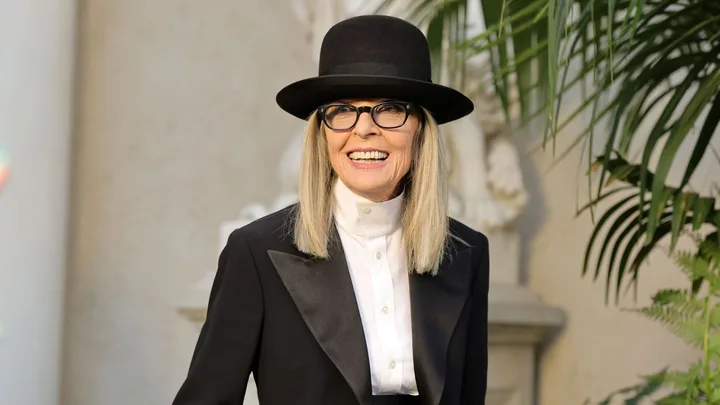
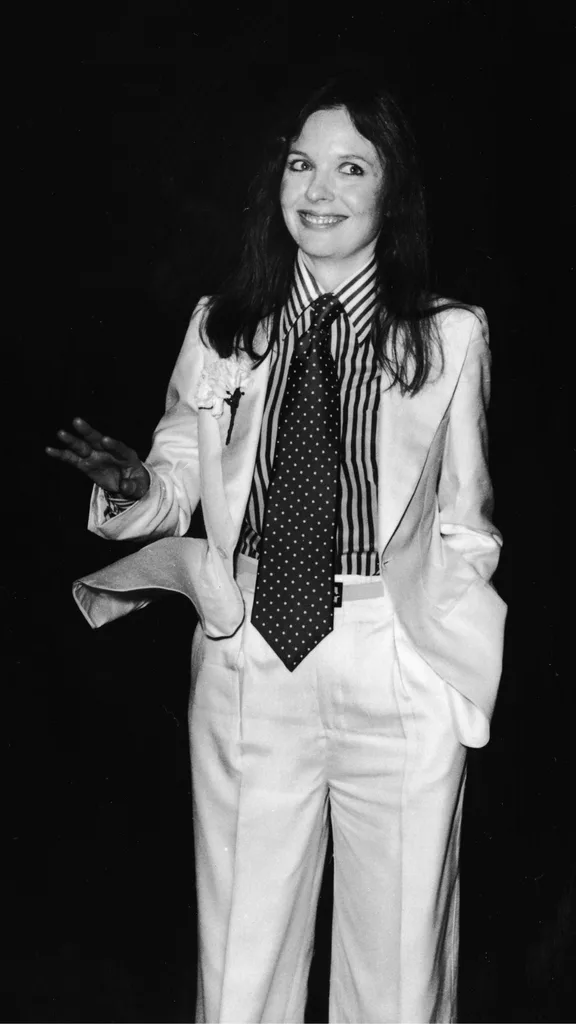
Her look was never about following trends; it was about rewriting them. Oversized blazers. Neckties. Crisp white shirts. Hats – always hats.
“She went to the movies always dressed like she was about to shoot another scene for Annie Hall,” recalled songwriter Carole Bayer Sager, one of Keaton’s closest friends. “She’d wear her hats and her jackets and her baggy pants, and her belts. She was a fashion icon of her own making.”
A Life Lived on Her Own Terms
Keaton famously never married, though her romantic life read like a who’s who of Hollywood – Al Pacino, Warren Beatty, Woody Allen. But she was never defined by any of them. In a 2019 interview with People, she reflected, “I don’t think it would have been a good idea for me to have married, and I’m really glad I didn’t. I don’t think I was meant for that.”
Instead, she chose family on her own terms, adopting her daughter Dexter in 1996 and her son Duke in 2001. “Motherhood has completely changed me,” she once said. “It’s made me braver.”
Friends described her as fiercely independent, wildly creative, and disarmingly sincere – a woman who lit up a room without trying. “She was funny right up until the end,” one longtime friend told People. “She lived exactly how she wanted to – surrounded by the people and things she really loved.”
Tributes from Hollywood
News of Keaton’s passing has prompted an outpouring of tributes from across the film industry. At Hello Sunshine’s Shine Away event, Reese Witherspoon – who was just 15 when Keaton cast her in the 1991 film Wildflower – grew emotional recalling her first mentor.
“She really took the time to pull me aside and say, ‘Stand up straight, okay? You’ve got to have good posture if you’re going to be an actress,’” Witherspoon remembered, smiling through tears. “She was just incredible – and so original. There was nobody like her.”
Bette Midler, a close friend and fellow member of Keaton’s long-running “movie group,” described her as “hilarious, a complete original, and completely without guile. What you saw was who she was.”
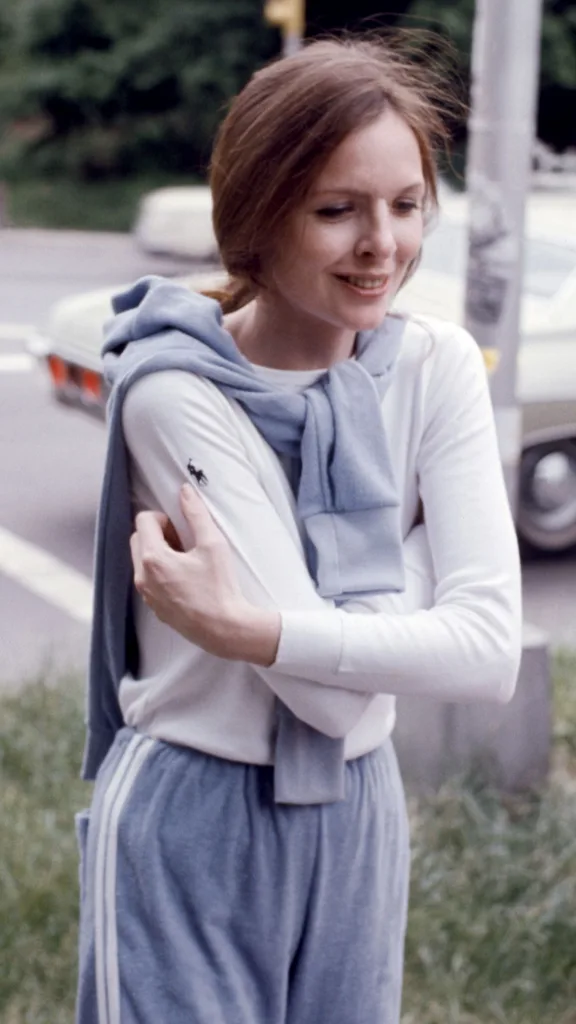
The Final Years
In her later years, Keaton’s creativity never waned. In 2024, she released her first solo single, First Christmas, co-written with Sager and Jonas Myrin. “She so loved recording that song,” Sager said. “She was almost childlike about it – singing, laughing, then crying. She was so authentic.”
Sager recalled visiting Keaton just weeks before her death, stunned by how frail she looked but struck by her enduring spirit. “She was still taking photographs of everything she saw,” she said. “She never stopped creating.”
That restless curiosity – that hunger for beauty, for meaning, for new ways to see the world —-defined Keaton’s life. She once said her greatest joy was “waking up every day with a new idea.”
Her Legacy
For five decades, Diane Keaton was more than a movie star. She was proof that women could be complex, eccentric, powerful, funny, and fiercely themselves – on screen and off.
In her honour, Witherspoon urged fans to celebrate in Keaton’s signature style: “Watch one of her movies and wear a really cool outfit – black and white, maybe a hat. Take a cool picture and just live your dream. Be your unique, interesting self. I think Diane would be really happy.”
The world feels a little less sparkly without her – but her legacy, like her laugh, will undoubtedly live on.

Related stories
Native ad body.
Native ad body.

Native ad body.