
Beauty loves a breakthrough, especially one that feels like the start of a much bigger conversation — and exosomes are the latest to get us talking. They’ve been popping up more and more in skincare, usually alongside some fairly impressive claims. So, what exactly are exosomes — and why is the beauty world suddenly so interested in them?
Exosomes are essentially tiny packages released by our cells, carrying proteins and other biological material with them. Think of them as microscopic messengers, passing information between cells and helping them communicate. It’s this signalling ability that makes them interesting for skincare, with exosome technology being explored for its potential to boost hydration and leave skin looking smoother and more even, with fine lines appearing softened.
But exosomes aren’t one single thing — they can come from different sources and be used in skincare in different ways. We may be looking at the beginnings of a whole new category rather than the arrival of one new hero ingredient. So while we’re likely to see ‘exosome’ appearing on plenty more bottles, the word alone doesn’t tell us all that much about what you’re actually getting.
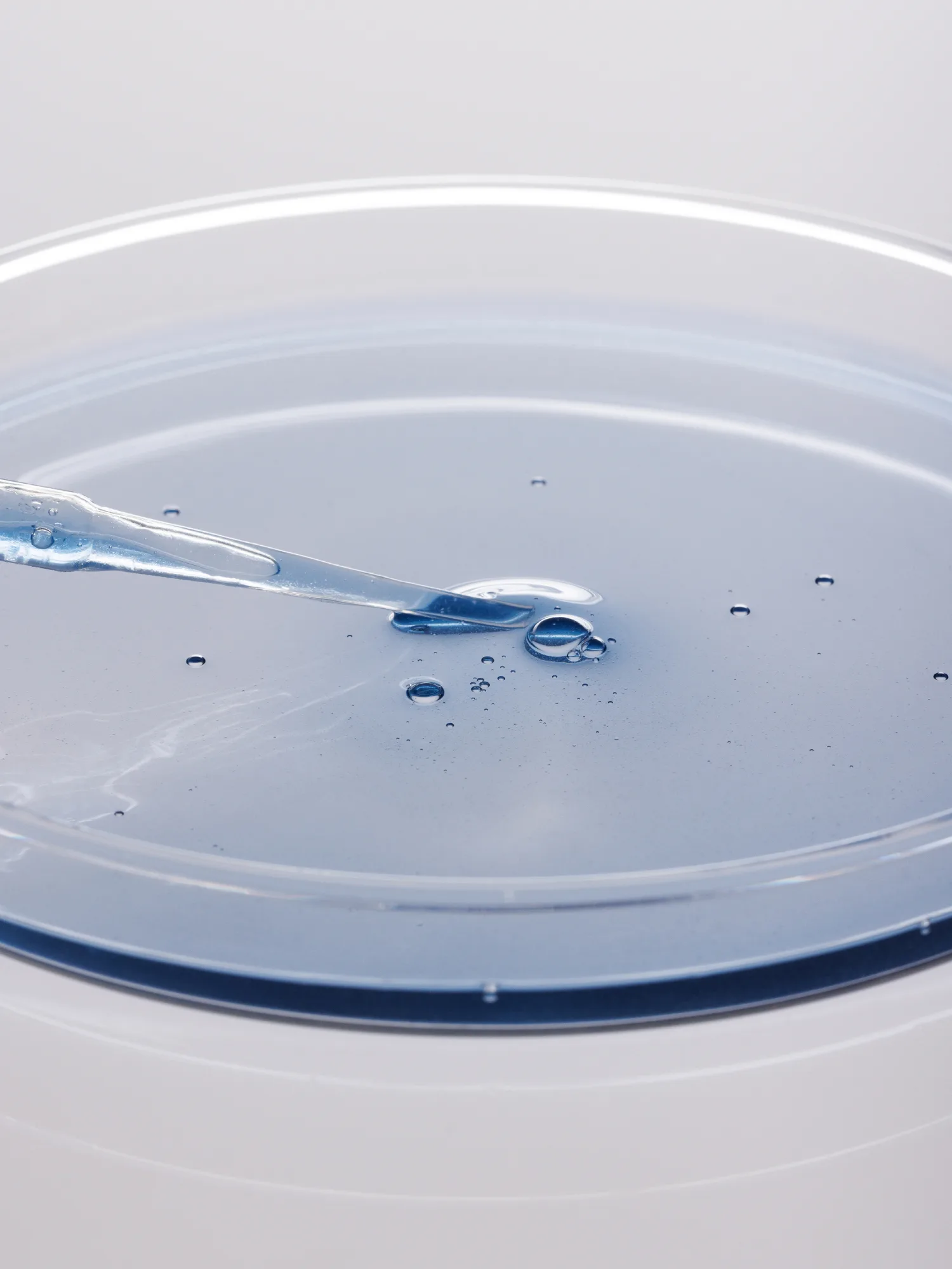
For starters, there’s the question of where they come from. Synergie Skin has taken an interesting route with its new AlgiZome serum, looking to green microalgae as its source. Using what it calls ExoMimic™ Technology, the brand creates vesicles derived from green microalgae that are designed to mimic the structure and communication behaviour of vesicles naturally found in skin.
Then there’s everything else sharing the bottle. Exosomes may be the drawcard, but few serums rely on one ingredient alone. In AlgiZome, marine bioferments, anti-glycation peptides and Synergie Skin’s Tridration® Complex round out a formula designed with visible signs of ageing, pigmentation and dehydration in mind.
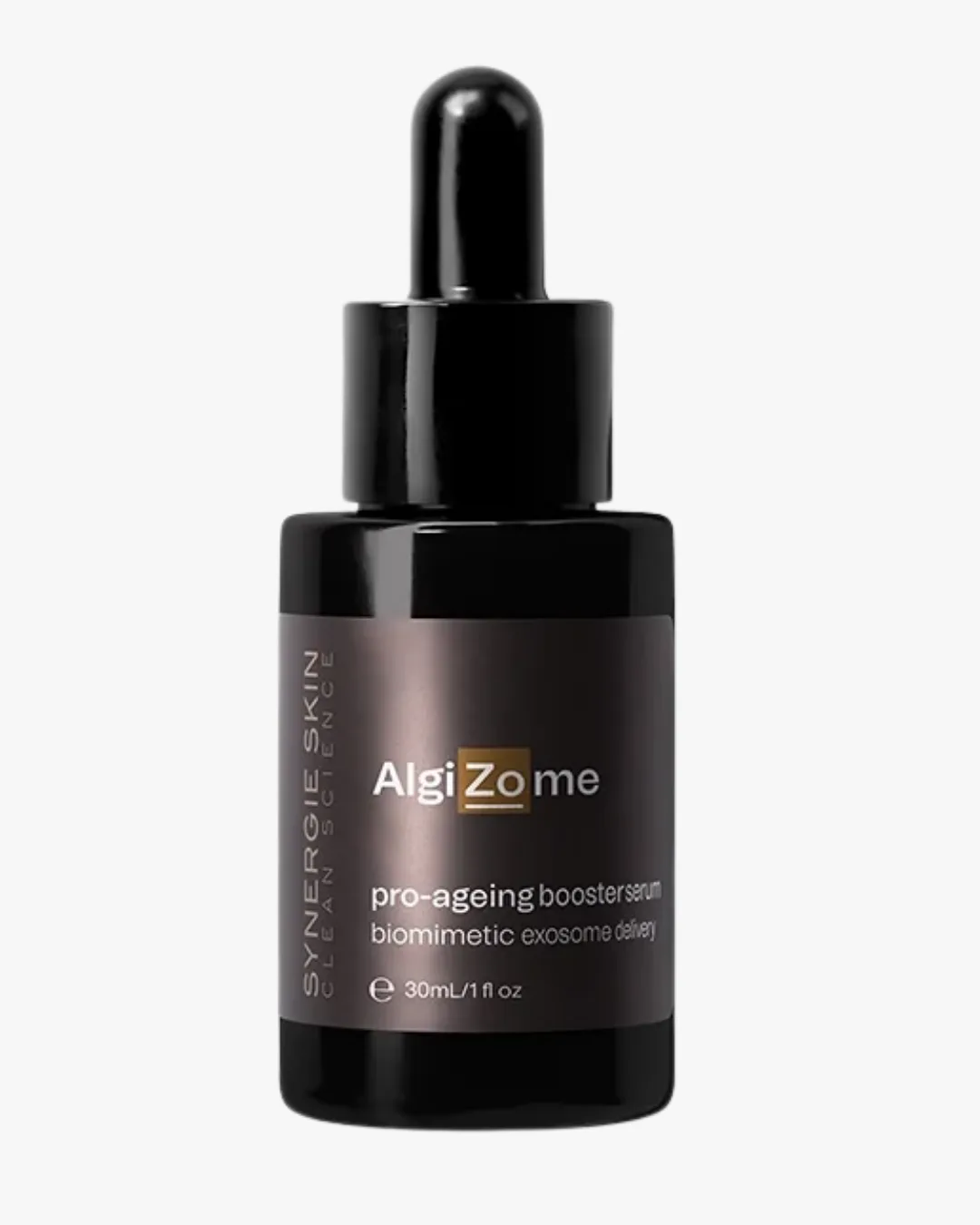
AlgiZome Pro-Ageing Booster Serum
$120 at Synergie Skin
That focus on the formula as a whole is central to how Synergie Skin founder and cosmetic chemist Terri Vinson Jones approaches skincare. She looks at the evidence behind an ingredient, how much of it makes sense in a formula and what else needs to sit alongside it. The brand calls the philosophy Clean Science®, pairing that evidence-led approach with ethically sourced, naturally derived ingredients.
It’s a way of formulating that reflects something broader happening in skincare, too: ‘natural’ and ‘high-tech’ no longer need to sit at opposite ends of the spectrum. Some of the newest thinking in skin science is finding its way into formulas alongside naturally derived ingredients — and it’s happening locally, too. AlgiZome is developed and made in Melbourne, as are all of Synergie Skin’s products. It’s a nice reminder that Australian beauty isn’t simply following the global conversation — it’s helping shape it.
The brand has a history of getting in early on emerging skin science. More than a decade ago, long before niacinamide was appearing in every second serum, it was already formulating with it at 13 per cent in its Vitamin B serum ($130 at Synergie Skin). Niacinamide has since become one of skincare’s most trusted and widely used actives, and Vitamin B remains part of the Synergie Skin line-up today. You know how you pay more attention when someone with genuinely good style gets onto a trend early? It’s that same feeling — you’re curious about what they’ll pick up next.
What makes exosomes worth paying attention to isn’t simply that they’re new. We’re used to beauty innovation arriving in the form of a new hero ingredient, but exosomes feel a little different. The intrigue lies as much in the technology — where they come from, how they’re created and the way they’re worked into a formula — as it does in the name itself. Maybe that’s where skincare gets really interesting: not just what’s in the bottle, but what formulators have figured out how to do with it (and how our faces can benefit from their noble hard work).

Related stories
Native ad body.

Native ad body.


Native ad body.